How to Return A1C 5.8 to Normal: A 6-Step Evidence-Based Checklist
An A1C of 5.8% places you in the prediabetic range (5.7–6.4%). The good news: with targeted lifestyle changes — backed b...
An A1C of 5.8% places you in the prediabetic range (5.7–6.4%). The good news: with targeted lifestyle changes — backed b...
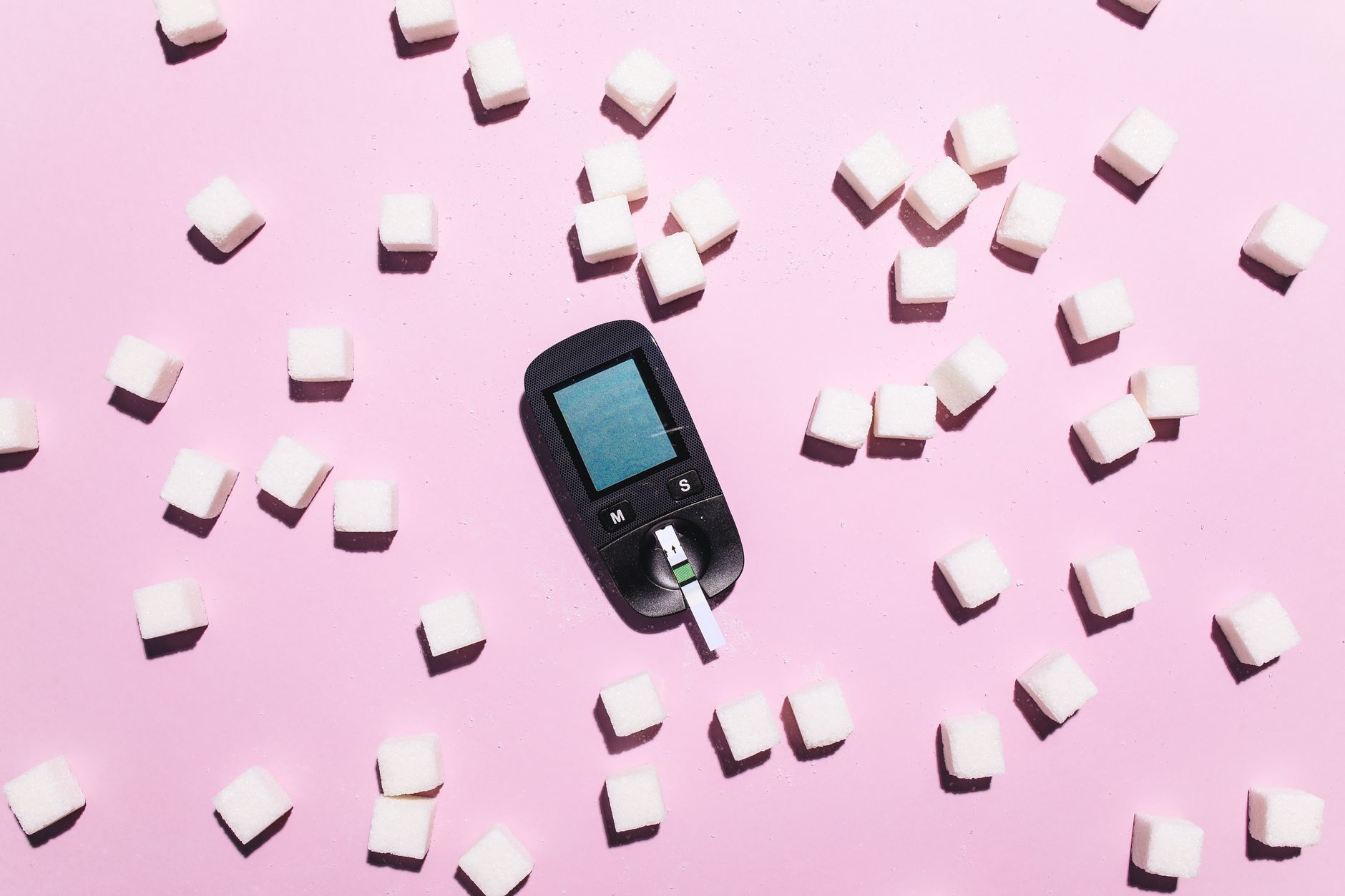
A fasting glucose of 100–125 mg/dL is classified as impaired fasting glucose (prediabetes) by the American Diabetes Asso...

An A1C of 5.7% sits exactly on the lower boundary of the prediabetes range — and knowing what drives that number, how it...
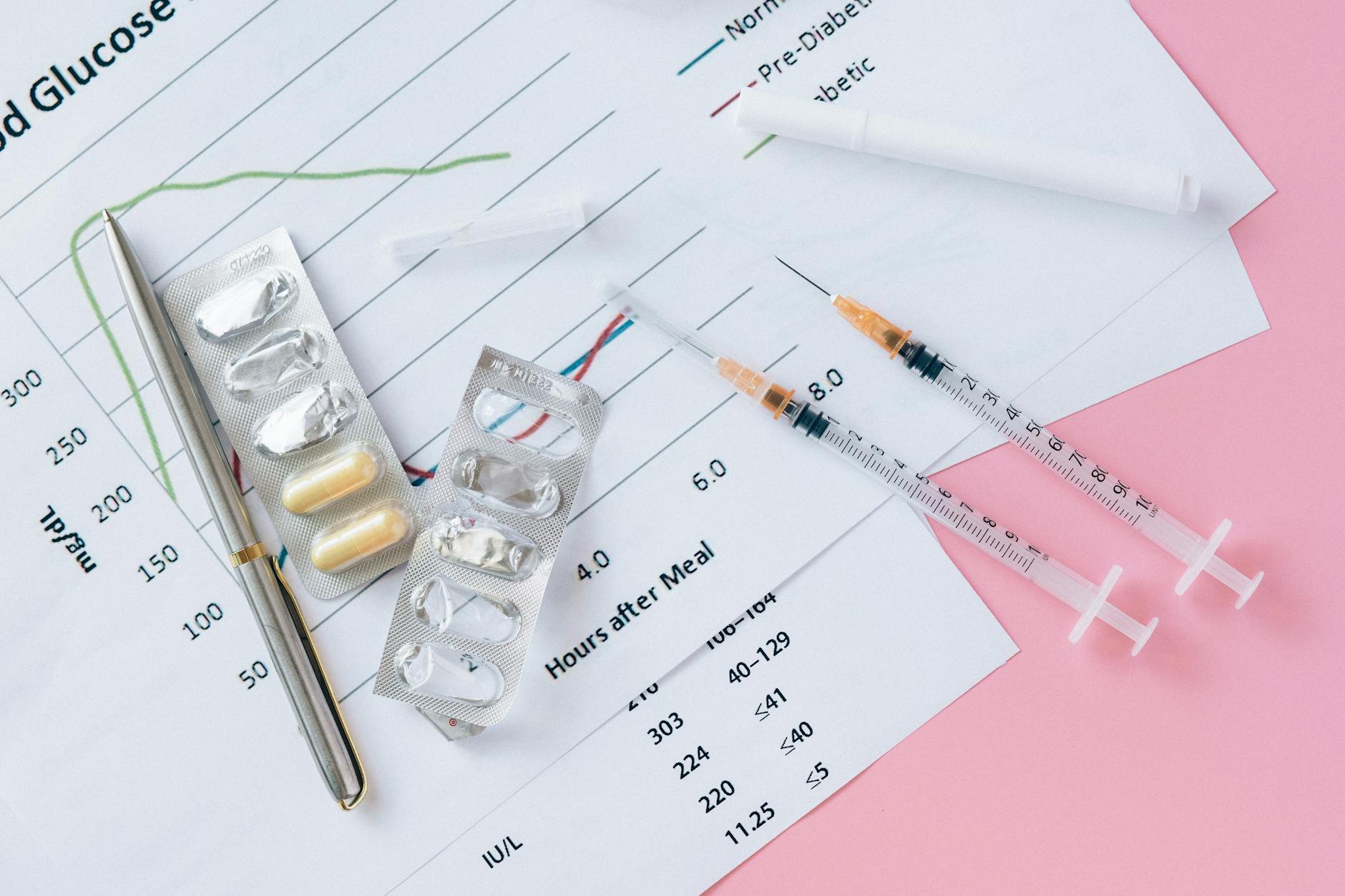
A transient rise in blood glucose after a meal is normal — but when the surge crosses 180 mg/dL, stalls for hours, or dr...
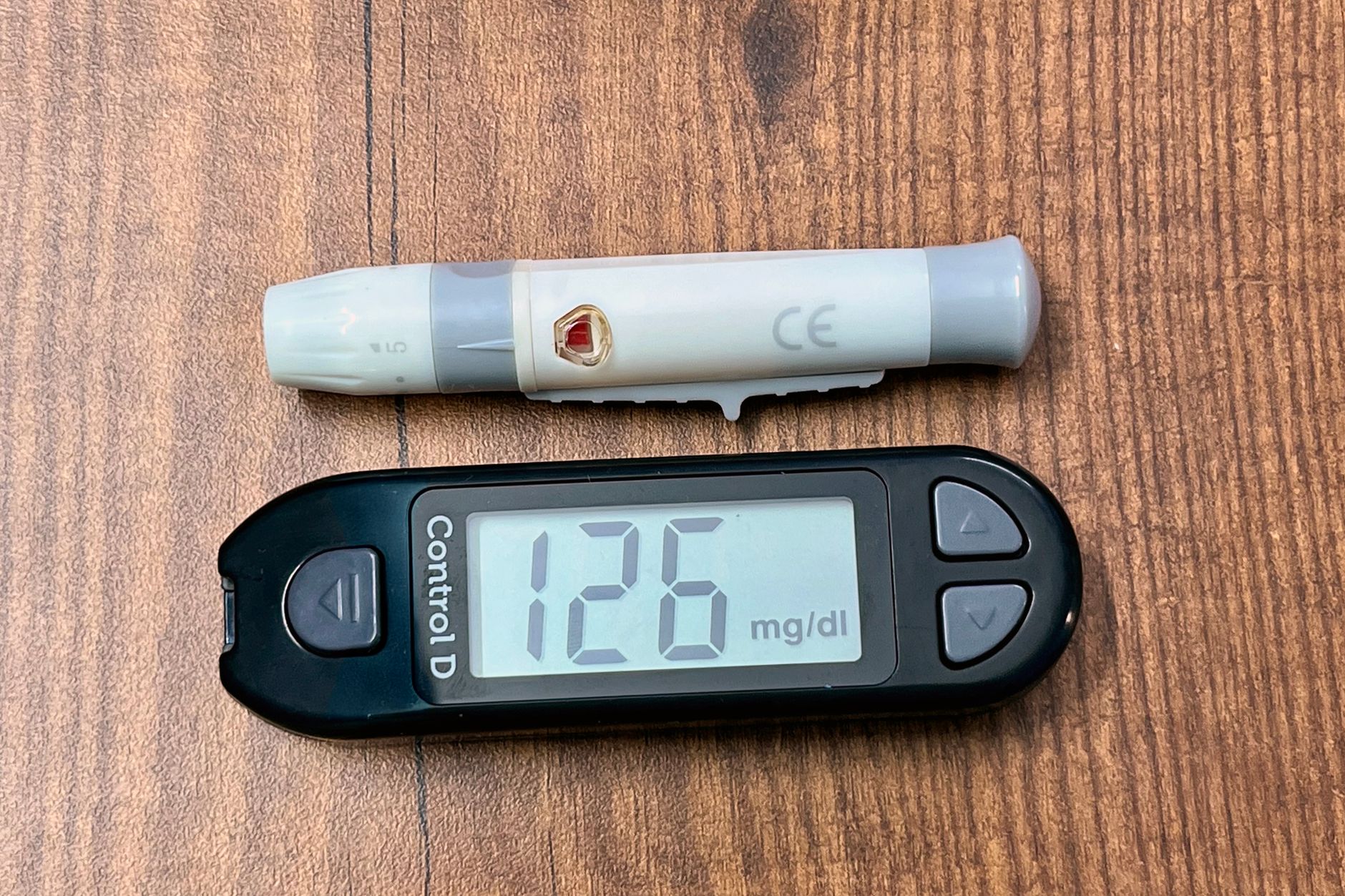
Post-meal blood sugar spikes — called postprandial hyperglycemia — are a key driver of cardiovascular disease, kidney da...
You wake up, test your glucose, and the number is higher than expected — even though you haven't eaten in 8 to 12 hours....
A glucose reading of 500 mg/dL or higher signals a life‑threatening metabolic crisis. Learn the immediate action steps, ...

A blood glucose reading of 400 mg/dL is a medical alert. Learn what causes this dangerous level, the exact actions to ta...

A blood sugar level of 300 mg/dL or higher is a significant hyperglycemic emergency. Recognizing the symptoms early can ...
A single reading of 200 mg/dL after a meal is not always an emergency, but it signals that your glucose regulation needs...
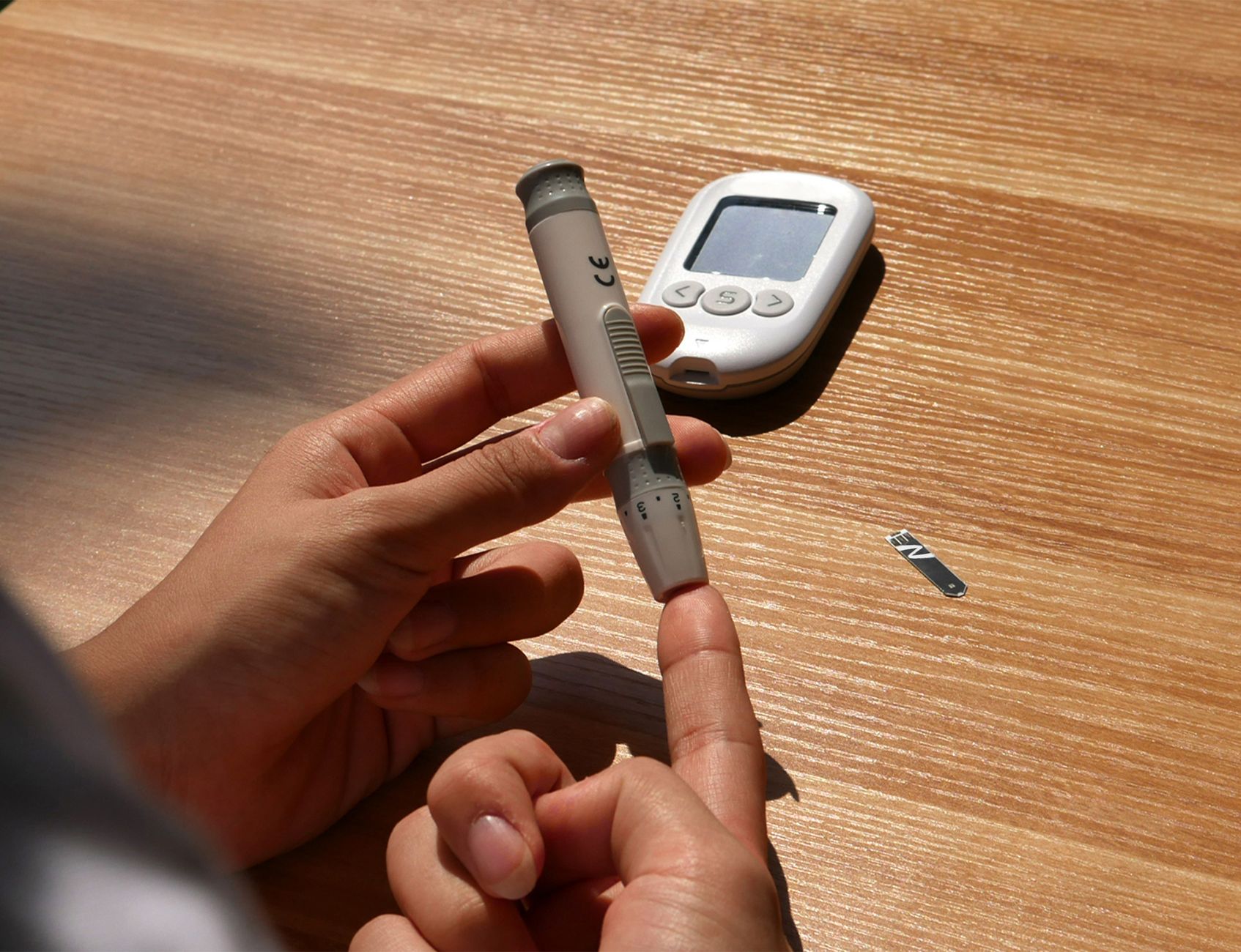
Learn exactly how clinicians define high blood sugar, which fasting and postprandial numbers signal danger, the differen...
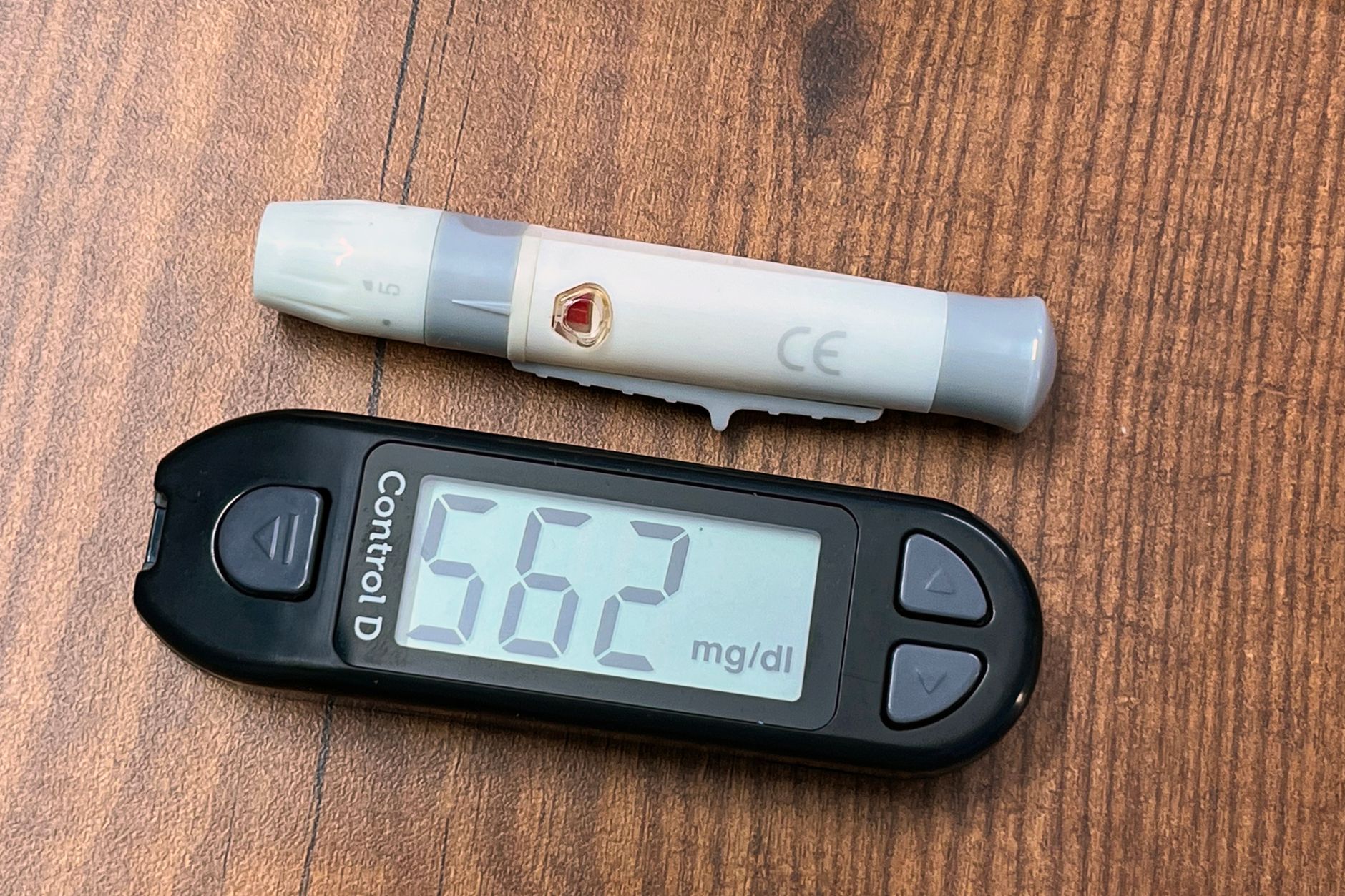
Why persistently elevated glucose alters neurotransmitter balance, fuels irritability and anxiety, and what the latest e...