A transient rise in blood glucose after a meal is normal — but when the surge crosses 180 mg/dL, stalls for hours, or drops abruptly, it signals a breakdown in the body's insulin response. Here is what clinicians want you to know about postprandial hyperglycemia in 2025.
Post-meal blood sugar spikes above 180 mg/dL two hours after eating define postprandial hyperglycemia, the earliest marker of glucose intolerance in most people. The surge is driven by the speed and size of carbohydrate absorption, the timing and amount of insulin secretion, and tissue insulin sensitivity. The American Diabetes Association (ADA) recommends a post-meal target of <180 mg/dL at 1–2 hours for most nonpregnant adults with diabetes. Without intervention, repeated spikes accelerate beta-cell decline and vascular injury.
- What Post-Meal Hyperglycemia Actually Is
- The Root Causes: Why Spikes Happen
- Recognizing a Spike — and When to Worry
- How It's Diagnosed and the Thresholds That Matter
- Strategies to Lower Post-Meal Glucose
- Dietary Patterns That Blunt the Curve
- The Downstream Consequences of Repeated Spikes
- When to Bring It Up With Your Doctor
- Frequently Asked Questions
What Post-Meal Hyperglycemia Actually Is
Every time you eat carbohydrates — bread, rice, fruit, potatoes, sweets — your digestive tract breaks them into glucose, which enters the bloodstream. In a person with normal glucose metabolism, the pancreas detects the rising glucose concentration and releases insulin within minutes. Insulin signals muscle, fat, and liver cells to pull glucose out of the blood, storing it as glycogen or using it for energy. The result: glucose peaks modestly (usually below 140 mg/dL) and returns to baseline within two to three hours.
Postprandial hyperglycemia is the medical term for when that curve goes wrong. The ADA defines it as a blood glucose level of 180 mg/dL or higher measured one to two hours after the start of a meal. The International Diabetes Federation uses a similar cut point of 140 mg/dL for impaired glucose tolerance when measured at two hours during an oral glucose tolerance test (OGTT). The key distinction: a healthy person rarely exceeds 140 mg/dL post-meal, whereas someone with prediabetes or diabetes routinely climbs above 180 mg/dL and may take four to six hours to return to baseline.
The problem is not just the number — it is the duration. A spike that climbs to 220 mg/dL and stays above 180 mg/dL for three hours exposes blood vessels and nerves to sustained glucotoxicity. Over months and years, that repeated exposure drives the complications most people associate with diabetes: retinopathy, nephropathy, neuropathy, and cardiovascular disease.
The Root Causes: Why Spikes Happen
Post-meal hyperglycemia is never the result of one defect. It emerges from a combination of three physiological failures, each of which can be targeted independently.
Too many fast-acting carbohydrates too quickly
The glycemic load of a meal — the amount of digestible carbohydrate multiplied by its glycemic index — is the single strongest modifiable driver of post-meal glucose. A breakfast of instant oatmeal with honey and banana (glycemic load ~35) will spike glucose higher and faster than eggs with spinach and a small apple (glycemic load ~8). High-glycemic carbohydrates flood the small intestine with glucose that enters the portal vein within 15–30 minutes, overwhelming the early-phase insulin response.
The 2023 ADA Nutrition Consensus Report advises that meals containing 30–45 grams of total carbohydrate per meal is a reasonable starting target for many adults with diabetes, with individualized adjustments based on post-meal glucose readings.
Sluggish or absent early-phase insulin secretion
In a healthy beta cell, glucose triggers an immediate burst of stored insulin within 2–5 minutes — the first-phase insulin response. In people with type 2 diabetes, that first-phase response is blunted or absent. The pancreas still releases insulin, but it is delayed by 30–60 minutes. By the time insulin arrives, glucose has already peaked. This discoordination is why two people can eat the same meal and get very different glucose curves: one has rapid insulin kinetics, the other does not.
Insulin resistance that slows glucose clearance
Even when insulin reaches the tissues on time, it may not be effective if cells are resistant. Skeletal muscle is the largest glucose sink in the body — it clears roughly 70–80% of a glucose load after a meal. In insulin-resistant muscle, the GLUT4 transporter does not translocate to the cell membrane efficiently, leaving glucose stranded in the blood. The pancreas then secretes more insulin to compensate, creating hyperinsulinemia alongside hyperglycemia — a combination that drives weight gain, inflammation, and further resistance.
Meal timing, sleep debt, and circadian misalignment
Late evening meals, inadequate sleep, and disrupted circadian rhythms independently impair post-meal glucose tolerance. A 2022 study in Diabetologia showed that eating the same meal at 9 p.m. versus 5 p.m. produced a 20% higher glucose peak and a delayed return to baseline. The effect is mediated by lower evening insulin sensitivity and reduced beta-cell responsiveness. Chronic sleep restriction — less than six hours per night — further amplifies postprandial spikes by raising cortisol and reducing insulin sensitivity by an estimated 25%.
Recognizing a Spike — and When to Worry
Most people cannot "feel" a blood sugar of 170 or 190 mg/dL. The symptoms of postprandial hyperglycemia are subtle and often mistaken for normal post-meal fatigue or brain fog. But as the spike climbs above 200 mg/dL and stays elevated, telltale signs emerge.
One symptom that people with diabetes learn to recognize early is the "second meal" phenomenon: a high-carb breakfast that triggers a big spike makes the glucose response to lunch even worse, because the liver is still loaded with glycogen and insulin sensitivity has not fully recovered. If you notice that a moderate lunch sends your glucose higher than expected, the breakfast spike is often the culprit.
If post-meal glucose exceeds 300 mg/dL and is accompanied by nausea, vomiting, abdominal pain, rapid breathing, or a fruity odor on the breath, this may signal diabetic ketoacidosis (DKA) in type 1 diabetes or hyperosmolar hyperglycemic state (HHS) in type 2 diabetes. Seek emergency care immediately. These are medical emergencies, not events to manage at home.
How It's Diagnosed and the Thresholds That Matter
Postprandial hyperglycemia is diagnosed using specific time-anchored measurements. The table below summarizes the thresholds established by the ADA and the World Health Organization (WHO).
| Measurement | Normal | Prediabetes (IGT) | Diabetes |
|---|---|---|---|
| Fasting plasma glucose | <100 mg/dL | 100–125 mg/dL | ≥126 mg/dL |
| 1-hour post-meal (self-monitored) | <140 mg/dL | 140–180 mg/dL* | ≥180 mg/dL |
| 2-hour OGTT (75 g glucose load) | <140 mg/dL | 140–199 mg/dL | ≥200 mg/dL |
| A1C | <5.7% | 5.7%–6.4% | ≥6.5% |
*The ADA does not currently define a prediabetes category for 1-hour post-meal readings; this range reflects clinical consensus from the International Diabetes Federation and expert opinion.
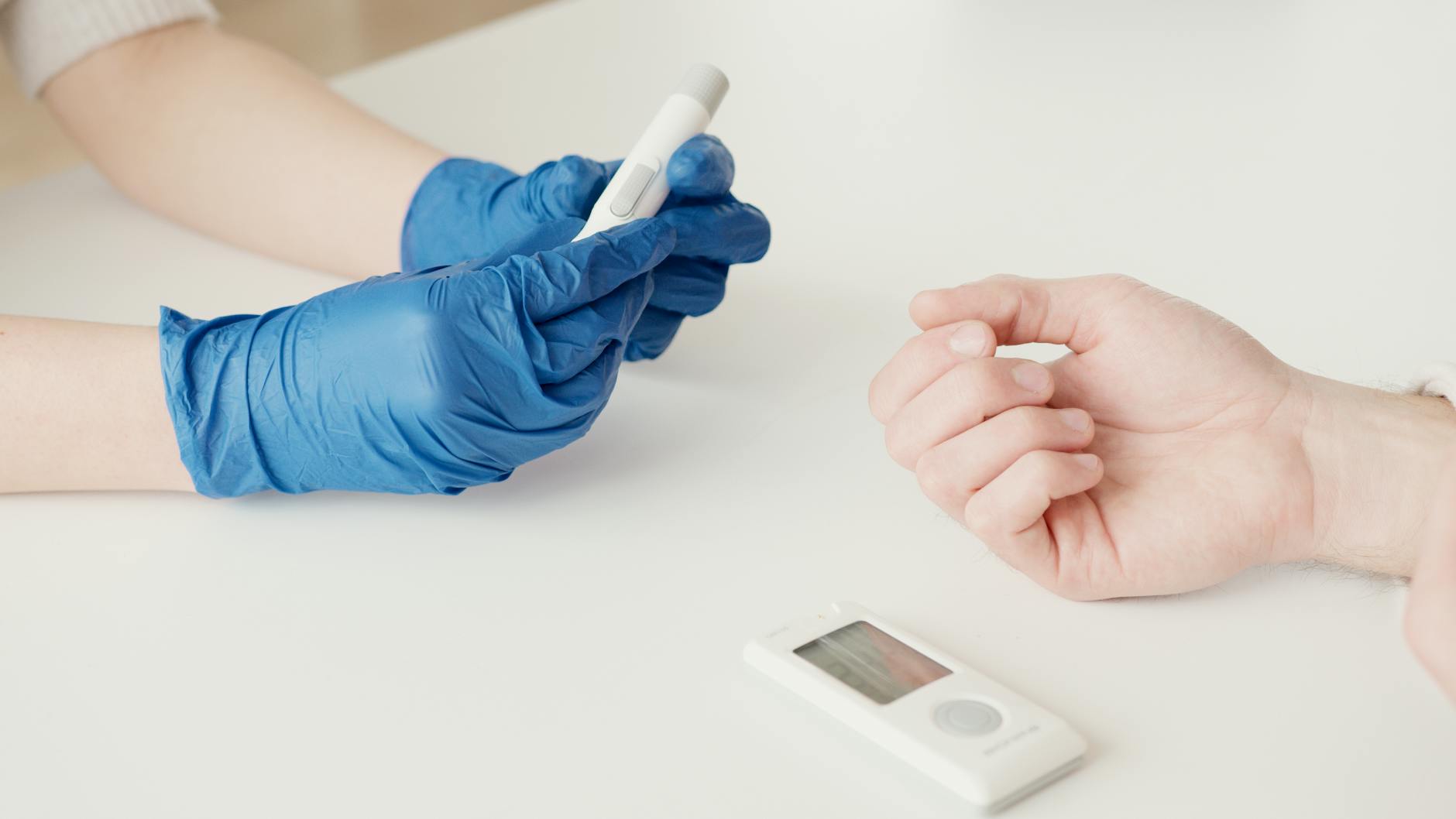
Home glucose monitoring is the most practical way to detect post-meal spikes. Checking one to two hours after the first bite gives the most actionable data. A continuous glucose monitor (CGM) provides a complete curve, including peak height, time-to-peak, and area under the curve — metrics that finger-stick checks miss. The ADA's 2025 Standards of Care recommend that people with diabetes using insulin or at risk for hypoglycemia consider a CGM; for those not on insulin, structured self-monitoring of blood glucose (SMBG) — three to four checks per day — is sufficient to identify post-meal patterns.
Strategies to Lower Post-Meal Glucose
Lowering the post-meal spike requires addressing both the speed of glucose entry and the speed of glucose disposal. Below are the interventions with the strongest evidence base, organized by mechanism.
Prandial insulin and incretin-based therapies
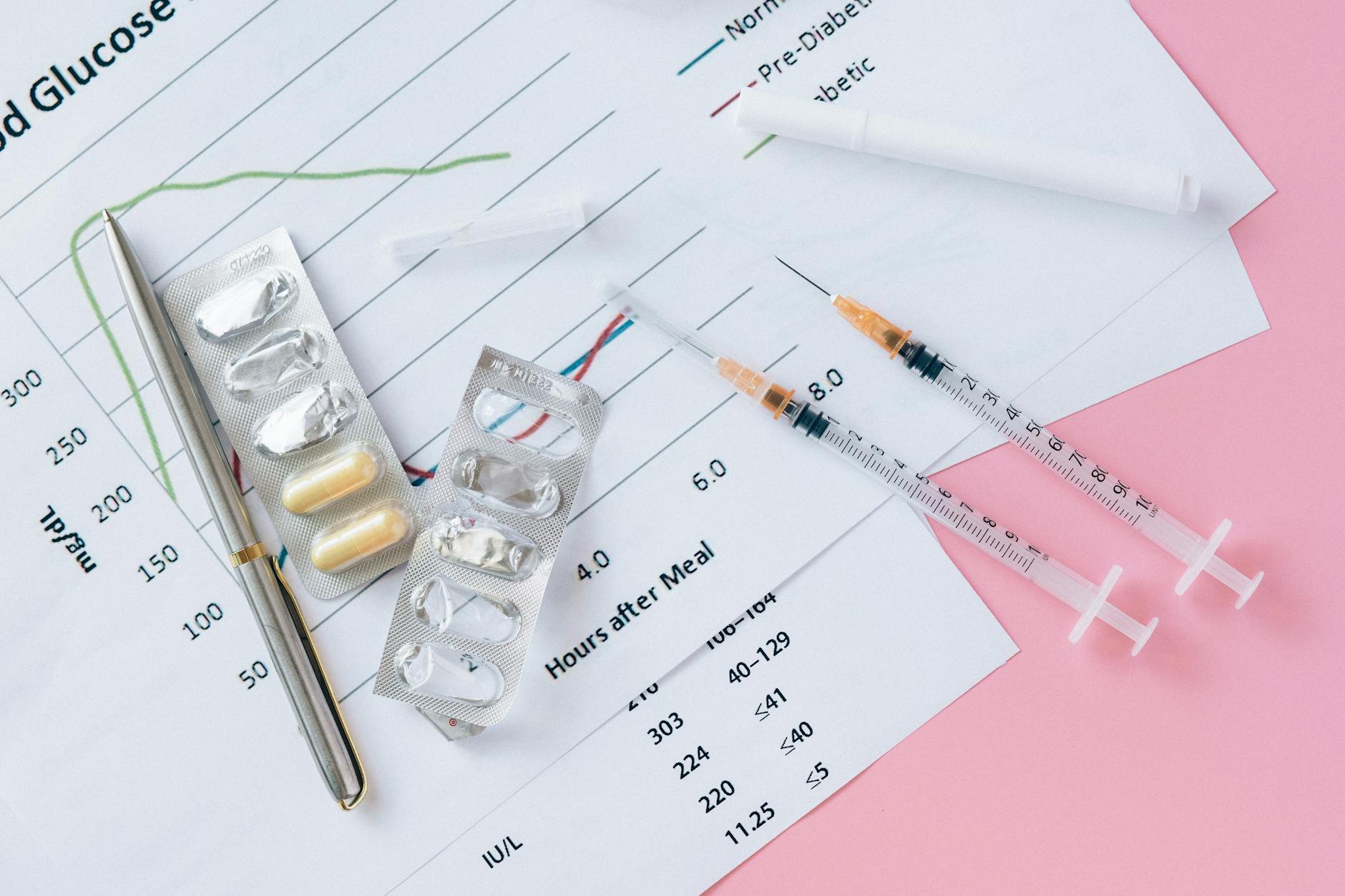
For people with diabetes whose post-meal glucose remains above 180 mg/dL despite lifestyle measures, medication is the next step. Rapid-acting insulin analogs (lispro, aspart, glulisine) taken within 15 minutes of eating directly replace the missing first-phase insulin response. For type 2 diabetes specifically, GLP-1 receptor agonists (semaglutide, tirzepatide, dulaglutide) and DPP-4 inhibitors (sitagliptin, linagliptin) slow gastric emptying and enhance glucose-dependent insulin secretion — lowering the post-meal peak without causing fasting hypoglycemia. The ADA's 2025 Standards of Care recommend GLP-1 RAs as first-line injectable therapy for people with type 2 diabetes and established cardiovascular disease or chronic kidney disease.
The order in which you eat matters
A simple behavioral change — eating protein and vegetables before carbohydrates — significantly reduces the post-meal glucose peak. A landmark 2015 study by Shukla et al. showed that consuming protein and nonstarchy vegetables 10–15 minutes before the carbohydrate portion of the same meal lowered peak glucose by 30–40 mg/dL compared with eating the same foods in reverse order. The mechanism is thought to involve delayed gastric emptying and blunted incretin response. This is one of the few dietary interventions that works without reducing total carbohydrate intake.
Post-meal physical activity
A 10–15 minute walk within 30 minutes of finishing a meal reduces the glucose peak by an average of 22% across studies, according to a 2022 meta-analysis in Sports Medicine. The reason: contracting skeletal muscle acts as a glucose sink independent of insulin — muscle contractions translocate GLUT4 transporters to the cell membrane via a separate signaling pathway. Even light walking or standing (versus sitting) reduces cumulative glucose exposure over the post-meal period. The effect is largest after the meal that contains the most carbohydrates — for most people, dinner.
"The post-meal walk is arguably the most underutilized glucose-lowering tool in clinical medicine. It works in every patient, costs nothing, and has zero side effects."
— Dr. Thomas Greenfield, endocrinologist and author of Metabolic Timing
Acarbose and alpha-glucosidase inhibitors
Acarbose delays carbohydrate digestion in the small intestine by inhibiting alpha-glucosidase enzymes, effectively flattening the post-meal glucose curve. It lowers peak glucose by 30–50 mg/dL on average but is limited by gastrointestinal side effects (flatulence, diarrhea) because undigested carbohydrates reach the colon and ferment. It is not a first-line agent in the US but is still widely used in Asia and parts of Europe, and it has strong evidence for preventing progression to type 2 diabetes in people with IGT (STOP-NIDDM trial).
Dietary Patterns That Blunt the Curve
No single food determines post-meal glucose — the combination, quantity, sequence, and preparation method all matter. Here are the dietary strategies with the strongest clinical evidence for reducing postprandial hyperglycemia.
Pair carbohydrates with protein and fat. Adding lean meat, eggs, avocado, nuts, or yogurt to a carbohydrate source reduces the glycemic response by slowing gastric emptying and stimulating incretin hormones. For example, a 150-gram serving of white rice alone may produce a peak of 170 mg/dL; the same rice with 100 grams of chicken breast and 1 tablespoon of olive oil may peak at 140 mg/dL.
Choose low-glycemic-index carbohydrates. Legumes (lentils, chickpeas, beans), whole intact grains (barley, steel-cut oats, quinoa), nonstarchy vegetables, and berries produce a slower, lower glucose rise than refined grains and sugars. A 2023 systematic review in Nutrients found that replacing high-GI foods with low-GI alternatives reduced postprandial glucose by an average of 18% across 54 trials.
Add vinegar or fermented foods. Two tablespoons of acetic acid (vinegar) taken with a high-carb meal has been shown in multiple small trials to reduce post-meal glucose by 15–30 mg/dL, likely by slowing starch digestion and improving insulin sensitivity. The effect is most consistent in people with prediabetes or type 2 diabetes.
Fruit juice and liquid carbohydrates. A glass of orange juice delivers the sugar of 3–4 oranges without the fiber, producing a rapid glucose spike that exceeds whole fruit by 40–60 mg/dL. Liquid carbohydrates are absorbed fastest because there is no mastication and no fiber matrix to slow digestion.
Skipping meals to "save" carbs for later. Meal skipping worsens postprandial hyperglycemia at the next meal by depleting hepatic glycogen and increasing insulin resistance. Consistent meal timing — especially breakfast — is associated with lower post-meal peaks across the day.
The Downstream Consequences of Repeated Spikes
Each post-meal spike is not an isolated event — it leaves molecular damage in its wake. The concept of "glycemic variability" — the amplitude and frequency of glucose swings — is now recognized as an independent predictor of diabetic complications, separate from average glucose (A1C). A 2019 analysis of the DCCT trial data showed that greater within-day glycemic variability was associated with a 35% higher risk of retinopathy progression, even after adjusting for A1C.
The primary mechanisms:
- Oxidative stress: Rapid glucose fluctuations generate reactive oxygen species (ROS) more potently than sustained hyperglycemia. Each spike triggers a burst of superoxide in endothelial cells, activating pathways that damage mitochondria and accelerate atherosclerosis.
- Advanced glycation end-products (AGEs): When glucose is high, it binds to proteins and lipids to form AGEs. These cross-linked molecules stiffen blood vessels, impair kidney filtration, and contribute to cataract formation in the lens. The rate of AGE formation is highest during post-meal spikes, not steady-state hyperglycemia.
- Beta-cell glucotoxicity: Recurrent postprandial spikes progressively impair insulin secretion — a phenomenon called "glucose toxicity." Once beta cells are damaged by high glucose, they become less able to respond to subsequent meals, creating a self-worsening cycle.
- Inflammation: Post-meal hyperglycemia acutely raises levels of inflammatory cytokines (IL-6, TNF-α) and adhesion molecules (ICAM-1, VCAM-1), which promote plaque formation in arteries. Eating patterns that reduce postprandial spikes also lower systemic inflammatory markers within weeks.
The cumulative effect: over 10–15 years, repeated post-meal spikes drive the microvascular and macrovascular damage that define diabetic complications. The Diabetes Control and Complications Trial (DCCT) and UK Prospective Diabetes Study (UKPDS) both demonstrated that tighter glucose control — including lower postprandial values — reduced retinopathy by 76% and nephropathy by 54% in type 1 diabetes, with similar risk reductions in type 2.
When to Bring It Up With Your Doctor
You do not need a diabetes diagnosis to take post-meal glucose seriously. The following situations warrant a clinical conversation, according to the ADA and the Endocrine Society.
A 7-day log of post-meal glucose readings (1–2 hours after the first bite), with notes on what you ate, the approximate portion size, and any symptoms. If you have a CGM, bring a download or screenshot of the daily glucose curves. This data is far more informative than a single fasting lab draw.
Frequently Asked Questions
Is a blood sugar of 160 after eating always dangerous?
A reading of 160 mg/dL one hour after eating is above the normal threshold of 140 mg/dL but does not meet the diabetes diagnostic cutoff of ≥200 mg/dL at two hours. In someone without diabetes, a single reading of 160 after a high-carb meal may not be dangerous, but it warrants attention — it indicates that the glucose curve is higher and longer than it should be. For someone with established diabetes, 160 mg/dL at one hour is acceptable if it returns to below 140 by two hours. The danger lies not in the number itself but in how long it stays elevated and how often it happens. Repeated excursions above 180 mg/dL drive the complications described above.
Can high blood sugar after eating cause weight gain?
Indirectly, yes. Each post-meal glucose spike triggers a corresponding insulin surge. Insulin is a potent anabolic hormone that promotes fat storage and inhibits lipolysis (fat burning). Over time, the hyperinsulinemia driven by postprandial spikes shifts the body's fuel partitioning toward fat accumulation, especially visceral fat. Additionally, the reactive hypoglycemia (low blood sugar) that follows a steep spike often drives hunger and craving for more carbohydrates within 2–4 hours, creating a cycle of overeating. Breaking the spike-stabilize-secrete pattern is one of the most effective dietary strategies for weight management in people with insulin resistance.
Does eating fruit cause high blood sugar after meals?
Whole fruit — with its intact fiber, water, and polyphenols — has a modest effect on post-meal glucose compared with refined carbohydrates or fruit juice. A medium apple or a cup of berries typically raises glucose by 15–30 mg/dL in people with normal glucose tolerance and 30–50 mg/dL in those with diabetes. The fiber in whole fruit slows glucose absorption and feeds the gut microbiome, which produces short-chain fatty acids that improve insulin sensitivity. The problem is not fruit — it is portion size and form. Dried fruit, fruit juice, and smoothies concentrate sugar and remove fiber, making them equivalent to soda in glycemic effect. Stick to whole, fresh fruit, limit to 1–2 servings per day, and pair it with protein (e.g., apple with peanut butter) to flatten the curve.
What is the best time to check blood sugar after eating?
The standard clinical recommendation is to check 1 to 2 hours after the first bite — the exact time within that window depends on what you want to see. Checking at 1 hour captures the peak (most people reach their highest glucose 60–75 minutes after eating). Checking at 2 hours captures the standard diagnostic threshold used in the OGTT and in the ADA's post-meal target. For day-to-day management, many clinicians advise checking at the time point that gives the highest reading for that individual — usually 90 minutes — because that is the most reproducible marker of the meal's glycemic impact. If you use a CGM, you can see the full curve, which is more informative than any single time point.
Can stress or sleep affect post-meal blood sugar?
Profoundly. Acute psychological stress raises cortisol and catecholamines, which stimulate hepatic glucose production and blunt insulin secretion. A 2021 study in Psychoneuroendocrinology found that people who reported high stress before a standardized meal had a 25% higher glucose peak than those who reported low stress — even when controlling for meal composition. Chronic sleep deprivation (fewer than 6 hours per night) reduces insulin sensitivity by approximately 20–30%, directly amplifying postprandial hyperglycemia. Managing stress through structured relaxation techniques and prioritizing 7–9 hours of quality sleep are nonnegotiable components of post-meal glucose control. They are not "adjuncts" — they are foundational.
- Post-meal blood sugar above 180 mg/dL at 1–2 hours defines postprandial hyperglycemia and is the earliest marker of glucose intolerance — detectable before fasting glucose rises.
- Three core defects drive spikes: high-glycemic-load meals, delayed or absent first-phase insulin secretion, and muscle insulin resistance. Each can be targeted with specific strategies.
- A 10–15 minute walk after the largest meal of the day reduces the glucose peak by an average of 22% — it works via muscle contraction, independent of insulin.
- Eating protein and vegetables before carbohydrates (same foods, reversed order) lowers peak glucose by 30–40 mg/dL without reducing total carb intake.
- Repeated postprandial spikes drive oxidative stress, AGE formation, beta-cell glucotoxicity, and systemic inflammation — the same pathways that cause retinopathy, nephropathy, and cardiovascular disease.
- If your A1C is above target despite normal fasting glucose, the problem is almost certainly postprandial hyperglycemia. Structured self-monitoring and a 7-day log are essential for clinical decision-making.