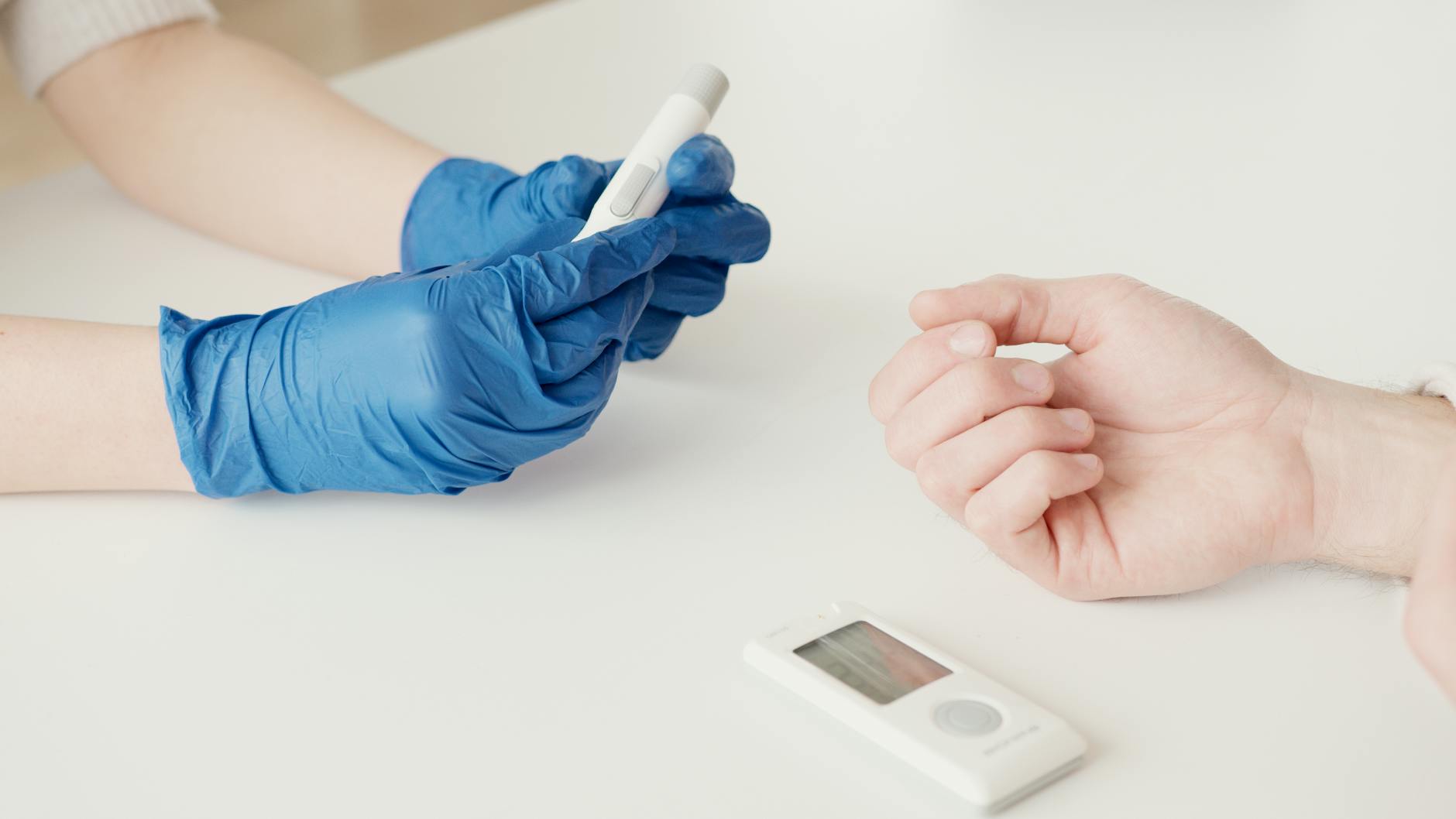
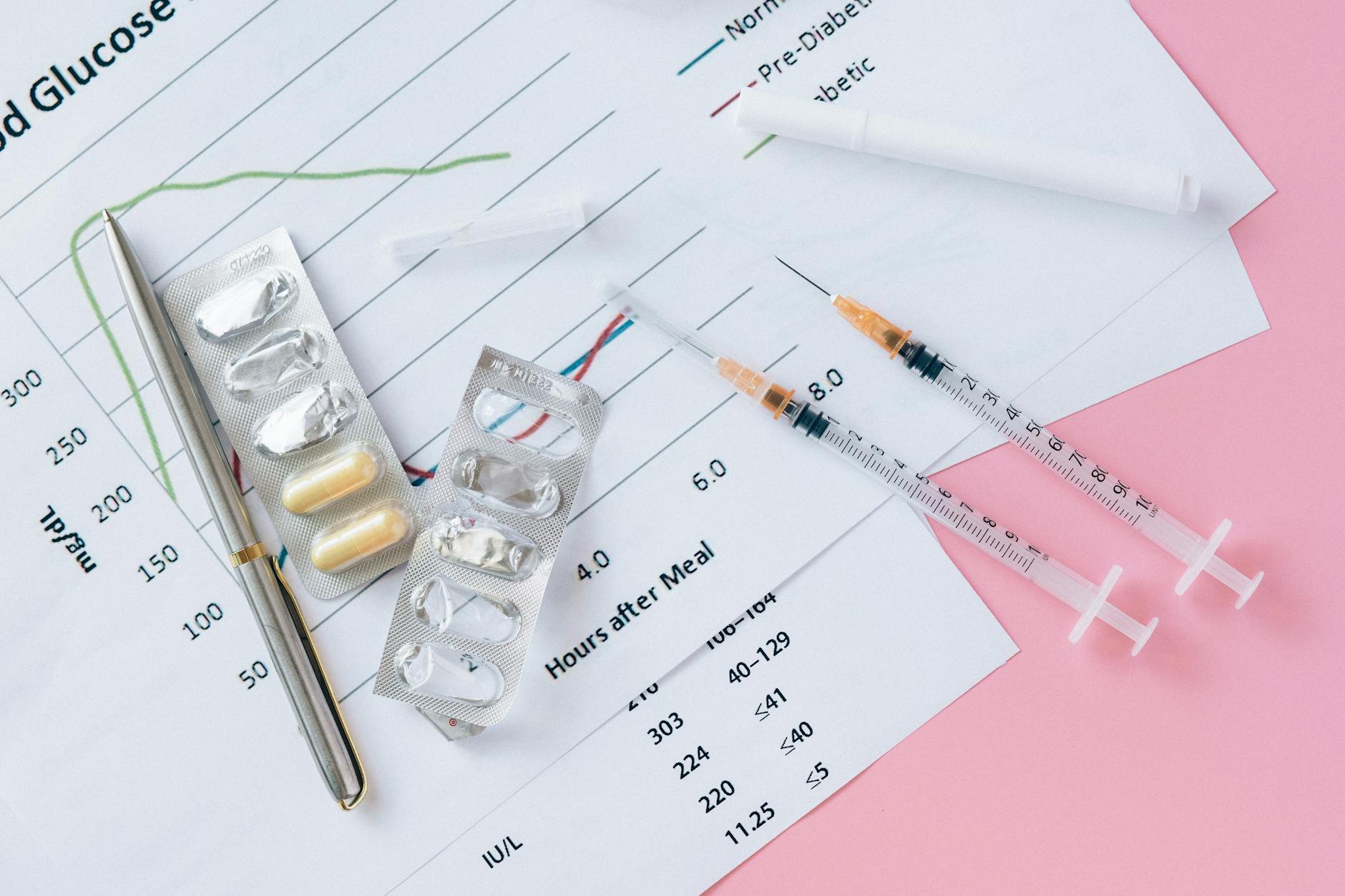
An A1C of 5.7% sits exactly on the lower boundary of the prediabetes range — and knowing what drives that number, how it's measured, and what steps can shift it is the difference between early intervention and metabolic decline.
A hemoglobin A1C of 5.7% meets the American Diabetes Association's diagnostic threshold for prediabetes (range 5.7%–6.4%). This result reflects an average blood glucose of approximately 117 mg/dL over the prior 2–3 months. While not yet in the diabetes range, an A1C of 5.7 signals that insulin resistance has begun — and without lifestyle changes, 15–30% of individuals progress to type 2 diabetes within 5 years, per the CDC's 2024 National Diabetes Statistics Report.
- What an A1C of 5.7 Actually Measures
- How 5.7 Fits Into the Glycemic Spectrum
- Why A1C Rises — The Root Drivers
- Does Prediabetes Produce Symptoms?
- How Prediabetes Is Diagnosed and Confirmed
- Can You Reverse an A1C of 5.7?
- Diet and Lifestyle Changes That Lower A1C
- When Medication Is Considered
- What Happens if Prediabetes Progresses
- When to Contact a Clinician
- Frequently Asked Questions
What an A1C of 5.7 Actually Measures
The hemoglobin A1C test — often called HbA1c, glycated hemoglobin, or simply A1C — reports the percentage of hemoglobin proteins in your red blood cells that have glucose molecules attached to them. Unlike a finger-stick glucose check that captures a single moment, A1C reflects the average blood sugar concentration over the preceding 8 to 12 weeks, because red blood cells live about 120 days.
A result of 5.7% means that, on average, 5.7 out of every 100 hemoglobin molecules in your blood are glycated. Using the commonly applied linear conversion, that corresponds to an estimated average glucose (eAG) of about 117 mg/dL (6.5 mmol/L). For context, a person with a normal A1C of 5.0% runs an eAG around 97 mg/dL.
The test is standardized and certified by the National Glycohemoglobin Standardization Program (NGSP), which means results are comparable across labs. The American Diabetes Association (ADA) established the 5.7% cutoff in its Standards of Care based on epidemiological data showing that the risk of retinopathy — the earliest diabetes-related eye complication — begins to accelerate at this level.
"The 5.7% threshold wasn't chosen arbitrarily. It aligns with the glycemic inflection point where microvascular complication risk starts to rise measurably in population studies."
How 5.7 Fits Into the Glycemic Spectrum
To interpret a 5.7% result accurately, it helps to see where it sits relative to the full diagnostic continuum. The table below shows the three categories defined by the ADA, along with the corresponding fasting glucose and estimated average glucose for each.
| Category | A1C Range | Fasting Plasma Glucose | eAG (approx.) |
|---|---|---|---|
| Normal | Below 5.7% | Below 100 mg/dL | Below 117 mg/dL |
| Prediabetes | 5.7% – 6.4% | 100 – 125 mg/dL | 117 – 154 mg/dL |
| Diabetes | 6.5% or higher | 126 mg/dL or higher | 154 mg/dL or higher |
A reading of 5.7% is therefore the lowest possible abnormal result — you have crossed the line from normal glucose regulation into early metabolic dysregulation. This is important because many people assume "just barely prediabetes" is nothing to worry about. In reality, the trajectory matters more than the label. The Diabetes Prevention Program (DPP) outcome study, published in the New England Journal of Medicine, found that participants with baseline A1C values near the lower end of the prediabetes range still derived substantial benefit from lifestyle intervention — cutting their 5-year diabetes risk by 58%.
Why A1C Rises — The Root Drivers
An A1C of 5.7% does not appear overnight. It reflects a gradual accumulation of metabolic stress driven by one or more of the following mechanisms:
Insulin resistance. Muscle, liver, and fat cells become less responsive to insulin, forcing the pancreas to secrete more hormone to maintain normal glucose levels. Over time, this compensatory mechanism falters.
Visceral adiposity. Excess fat stored around the abdominal organs releases inflammatory cytokines (IL-6, TNF-alpha) that interfere with insulin signaling. Waist circumference is one of the strongest anthropometric predictors of prediabetes.
Physical inactivity. Skeletal muscle is the largest glucose-disposal depot in the body. When muscle mass is low and contraction is infrequent, glucose clearance after meals declines significantly.
Dietary carbohydrate load. A diet high in refined starches, added sugars, and low in fiber produces repeated post-meal glucose spikes that, over months to years, raise the baseline A1C.
Genetic and epigenetic factors. Family history of type 2 diabetes, certain ethnic backgrounds (South Asian, African American, Hispanic/Latino, Pacific Islander), and intrauterine exposure to maternal hyperglycemia all lower the threshold for dysglycemia.
Does Prediabetes Produce Symptoms?
Most people with an A1C of 5.7% have no noticeable symptoms — which is exactly why prediabetes is often called a "silent" condition. Unlike fully developed diabetes, the glucose elevation in prediabetes is generally too mild to trigger classic hyperglycemic symptoms. However, some individuals report subtle changes that, in retrospect, were early warning signs.
Because symptoms are absent or nonspecific, the only reliable way to detect prediabetes is through laboratory screening. The ADA recommends starting at age 35 for all adults, and earlier for those with BMI ≥25 plus one or more additional risk factors (family history, hypertension, polycystic ovary syndrome, or physical inactivity).
How Prediabetes Is Diagnosed and Confirmed
Diagnosing prediabetes is straightforward but requires intentional testing. Three tests are currently accepted by the ADA, and a single abnormal result on any of them is sufficient for diagnosis — though confirmatory testing is recommended if the initial result is borderline.
| Test | Prediabetes Threshold | Notes |
|---|---|---|
| Hemoglobin A1C | 5.7% – 6.4% | No fasting required; reflects 2–3 month average |
| Fasting Plasma Glucose (FPG) | 100 – 125 mg/dL | Requires 8-hour fast; captures single timepoint |
| Oral Glucose Tolerance Test (OGTT) | 140 – 199 mg/dL at 2 hours | Most sensitive but least convenient; requires fasting and glucose drink |
For an A1C of 5.7%, the ADA recommends repeating the test within 2–4 weeks to confirm the result before initiating a treatment plan. If the repeat value is also in the 5.7%–6.4% range, the diagnosis of prediabetes is confirmed. If the values are discordant — for example, one normal and one prediabetic — the clinician typically uses the higher value and may order a third test, such as a 2-hour OGTT, to resolve uncertainty.
It is worth noting that certain conditions can artificially lower or raise A1C independent of glucose. Hemoglobin variants (sickle cell trait, thalassemia), recent blood transfusion, chronic kidney disease, and pregnancy can all skew the result. In such cases, the fasting plasma glucose or OGTT becomes the preferred diagnostic tool.
Can You Reverse an A1C of 5.7?
Yes — and the evidence for reversal at this stage is robust. An A1C of 5.7% exists at the very beginning of the dysglycemic spectrum, meaning the metabolic damage is not yet fixed. The Diabetes Prevention Program (DPP) — a landmark NIH-funded trial involving more than 3,200 adults with prediabetes — demonstrated that intensive lifestyle intervention reduced progression to type 2 diabetes by 58% compared with placebo, and by 71% in participants aged 60 and older. Metformin alone reduced progression by 31%.
Importantly, "reversal" in this context means bringing the A1C back below 5.7% — a return to normoglycemia. Longitudinal follow-up from the DPP Outcomes Study (DPPOS) showed that participants who achieved normoglycemia, even temporarily, had a 56% lower risk of progressing to diabetes over the subsequent 6 years, regardless of their initial A1C level. This suggests that there is a durable benefit to early intervention, even if glucose regulation later regresses somewhat.
The window of reversibility narrows as the A1C climbs within the prediabetic range. At 6.0% or higher, beta-cell function has typically declined further, making lifestyle-only reversal harder but still possible — especially if combined with structured weight loss and consistent aerobic and resistance exercise.
Diet and Lifestyle Changes That Lower A1C
The interventions that lower A1C most consistently are those that address the core drivers: insulin resistance, post-meal glucose spikes, and visceral fat. Below are the most evidence-supported strategies, drawn from the ADA's Nutrition Therapy for Adults With Diabetes or Prediabetes: A Consensus Report (2024) and the DPP protocol.
Weight Loss: The Single Most Potent Intervention
The DPP targeted a 7% reduction in body weight (about 14 lbs for a 200-lb person). Participants who achieved this degree of weight loss experienced a 60% reduction in diabetes incidence. A 5–10% weight loss is associated with a 0.3–0.6 percentage point drop in A1C in prediabetic populations. For someone at 5.7%, a 0.5% drop brings them squarely into the normal range.
Reduce Refined Carbohydrates and Added Sugars
Replacing high-glycemic foods (white bread, sugary beverages, pastries, white rice) with lower-glycemic alternatives (legumes, non-starchy vegetables, intact whole grains, nuts) attenuates post-meal glucose excursions. The ADA notes that reducing added sugar intake to less than 10% of total daily calories — ideally targeting 5% — meaningfully lowers both fasting and postprandial glucose.
Increase Dietary Fiber
A meta-analysis of 15 randomized trials published in the Journal of the American Board of Family Medicine found that viscous soluble fiber (found in oats, barley, psyllium, apples, carrots) reduced A1C by an average of 0.3% in individuals with dysglycemia. The target is 25–35 grams of total fiber per day, with at least 10–15 grams from soluble sources.
Physical Activity: Aerobic Plus Resistance
The DPP protocol prescribed 150 minutes per week of moderate-intensity physical activity (brisk walking, cycling, swimming) plus resistance training twice weekly. Combined exercise improves muscle glucose uptake, reduces hepatic glucose output, and enhances mitochondrial function. A 2023 systematic review in Diabetes Care concluded that structured exercise programs reduced A1C by 0.2–0.5 percentage points in prediabetic adults, with the largest effects seen when aerobic and resistance training were combined.
Breakfast: Steel-cut oats with chia seeds, walnuts, and blueberries — paired with 2 scrambled eggs for protein. No juice; black coffee or unsweetened tea.
Lunch: Large salad with mixed greens, grilled chicken, chickpeas, avocado, cucumber, and a vinaigret dressing — plus a small apple.
Snack: Handful of almonds and a low-fat Greek yogurt (plain, no added sugar).
Dinner: Baked salmon, roasted broccoli and cauliflower with olive oil, and a side of quinoa cooked with herbs and lemon.
Evening: Herbal tea — no food within 2 hours of bedtime.
When Medication Is Considered for an A1C of 5.7
The ADA's Standards of Care in Diabetes — 2025 recommend lifestyle modification as the first-line and foundational intervention for all individuals with prediabetes. Metformin is considered for specific subgroups where the benefit-risk balance is favorable:
Metformin is the only medication currently recommended for prediabetes by the ADA. It reduces hepatic glucose production, improves peripheral insulin sensitivity, and is generally well-tolerated, with gastrointestinal side effects (nausea, diarrhea) that typically subside over 2–4 weeks. Extended-release formulations improve tolerability. Other agents — including GLP-1 receptor agonists and thiazolidinediones — have shown efficacy in preventing diabetes but are not yet included in the ADA's prediabetes guidance due to cost, side effect profiles, and lack of long-term safety data in this population.
What Happens if Prediabetes Progresses
Prediabetes is not a benign state. Even at an A1C of 5.7%, the metabolic milieu is altered in ways that affect multiple organ systems. Longitudinal data from the Atherosclerosis Risk in Communities (ARIC) study and the Framingham Offspring Study show that prediabetes confers an elevated risk for:
Microvascular complications — specifically early retinopathy and nephropathy — can begin to develop in the prediabetic range, though at a lower rate than in established diabetes. The Diabetes Prevention Program Outcomes Study found that participants who converted to diabetes had a significantly higher incidence of retinopathy than those who remained prediabetic or returned to normoglycemia. Preventing conversion is therefore the primary goal.
Macrovascular risk is also elevated. A 2024 meta-analysis in Cardiovascular Diabetology pooling 19 studies with over 1.2 million participants found that prediabetes was associated with a 15–20% increased risk of coronary heart disease and a 12–15% increased risk of ischemic stroke, after adjusting for traditional risk factors. This suggests that the glycemic dysregulation underlying a 5.7% A1C contributes directly to vascular injury, likely through oxidative stress and advanced glycation end-product formation.
When to Contact a Clinician
If you or someone you know has received an A1C result of 5.7% — or any result in the 5.7%–6.4% range — the appropriate next step is to schedule a follow-up visit with a primary care provider, endocrinologist, or a certified diabetes care and education specialist (CDCES). Bring the lab result and a list of any symptoms, medications, and family history of diabetes.
You should also seek medical attention promptly if you experience:
For individuals with an A1C of 5.7% who have no symptoms and no additional risk factors, annual re-testing is appropriate. For those with risk factors (obesity, family history, hypertension, PCOS, history of gestational diabetes), the ADA recommends re-testing at least every 6–12 months, with lifestyle reinforcement at each visit.
Frequently Asked Questions About Prediabetes A1C 5.7
Is an A1C of 5.7 definitely prediabetes?
Per the ADA, a single A1C of 5.7% qualifies as prediabetes — but confirmatory testing is recommended. If a repeat A1C, fasting glucose, or OGTT falls in the normal range, the diagnosis may be downgraded. Conditions that affect red cell turnover (anemia, recent transfusion, hemoglobin variants) can produce false-positive A1C results.
How long does it take to reverse an A1C of 5.7?
With consistent lifestyle changes — particularly a 5–7% weight loss, increased physical activity, and dietary modification — many people see a 0.3–0.6% reduction in A1C within 3 to 6 months. Some individuals achieve normoglycemia within 12 weeks if they adhere rigorously to the DPP-style protocol.
Can you have an A1C of 5.7 and still be normal?
By ADA criteria, 5.7% is above the normal threshold (which is <5.7%). However, some clinicians use a slightly higher cutoff (e.g., 5.8% or 6.0%) in certain contexts. The ADA's position is that the 5.7% threshold identifies individuals at increased risk for diabetes and its complications, and that early intervention at this level is beneficial regardless of the label applied.
Does an A1C of 5.7 mean I will get diabetes?
No. Prediabetes indicates elevated risk, not inevitability. The DPP showed that lifestyle intervention reduced 5-year diabetes incidence by 58%, and metformin by 31%. Without intervention, approximately 15–30% of individuals with an A1C of 5.7% will progress to diabetes within 5 years — meaning 70–85% will not, though some may remain prediabetic.
What is the next test after an A1C of 5.7?
A repeat A1C is the most common confirmation test. Many clinicians also order a fasting plasma glucose and a comprehensive metabolic panel to assess kidney function, liver enzymes, and lipid profile, since prediabetes often coexists with other components of the metabolic syndrome. If the diagnosis remains uncertain, a 2-hour oral glucose tolerance test may be requested.
Should I buy a glucose monitor with an A1C of 5.7?
Continuous glucose monitoring (CGM) is not currently recommended by the ADA for people with prediabetes in the absence of symptoms or hypoglycemic episodes. However, some clinicians and patients find that a short-term CGM (1–2 weeks) provides valuable insight into how specific meals, exercise, and sleep affect glucose excursions — and can motivate behavior change. Discuss this with your provider.
Does stress affect A1C?
Yes. Chronic psychological stress elevates cortisol, which promotes hepatic glucose production and worsens insulin resistance. While stress alone is unlikely to raise A1C from 5.0% to 5.7% without other metabolic factors, it can contribute to the trajectory. Stress management — including sleep optimization, mindfulness, and physical activity — is a recognized component of prediabetes care.
- An A1C of 5.7% is the lower boundary of prediabetes per the ADA and corresponds to an estimated average glucose of ~117 mg/dL.
- Prediabetes at this level rarely causes symptoms; routine screening after age 35 (or earlier with risk factors) is essential for detection.
- Lifestyle intervention — particularly 5–7% weight loss, 150 minutes of weekly exercise, and reduced refined carbohydrates — can reverse A1C into the normal range within 3–6 months.
- The Diabetes Prevention Program demonstrated a 58% reduction in diabetes progression with lifestyle changes and a 31% reduction with metformin.
- Confirmatory testing is recommended before committing to a diagnosis of prediabetes to rule out transient factors or laboratory variability.
- Untreated prediabetes carries elevated risks for type 2 diabetes, cardiovascular disease, and early microvascular complications, making early intervention critical.