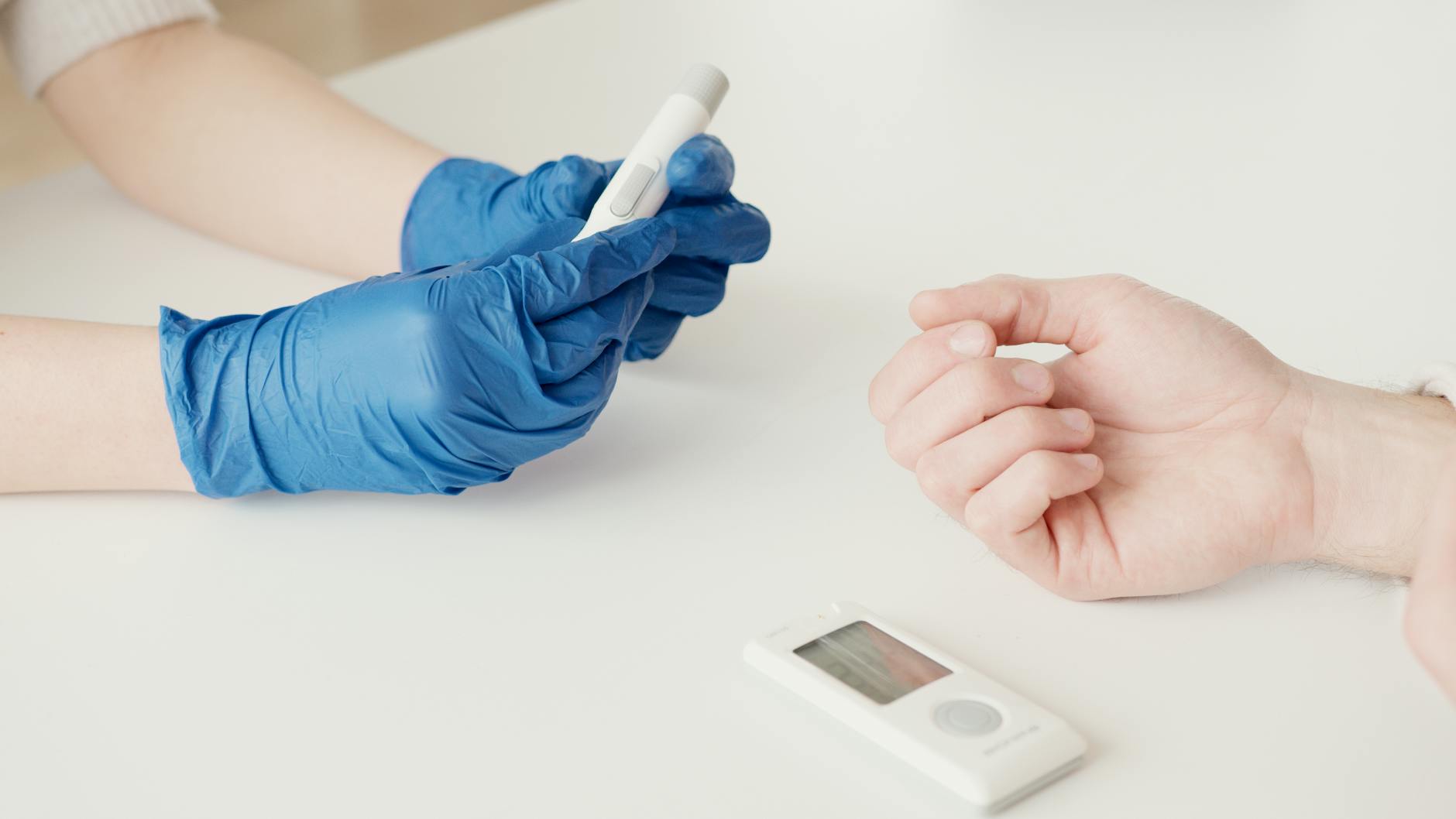
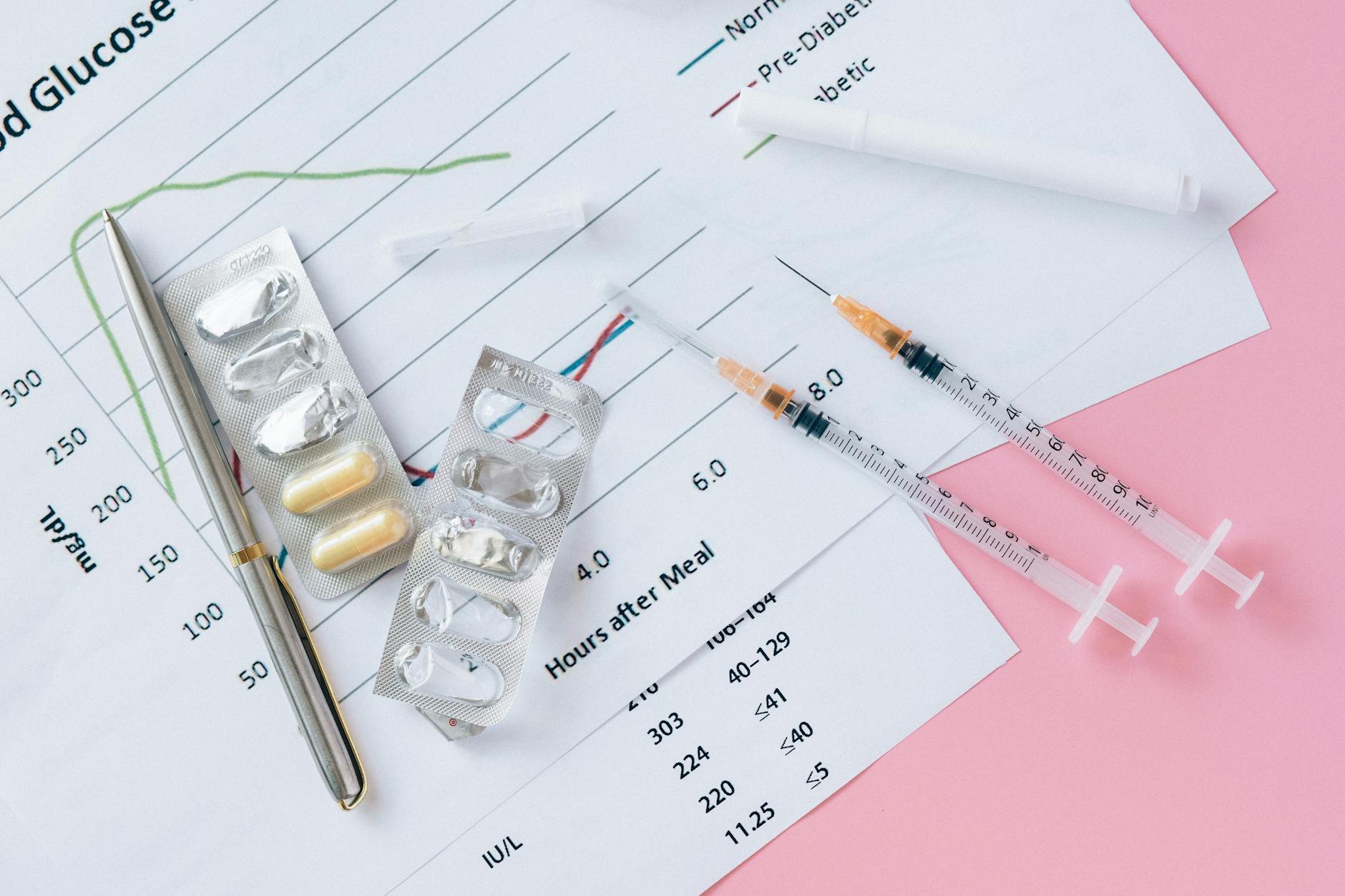
A blood glucose reading of 400 mg/dL is a medical alert. Learn what causes this dangerous level, the exact actions to take right now, the warning signs of diabetic ketoacidosis, and how to prevent recurrence.
- What Does a Blood Sugar of 400 Mean?
- Common Causes of a 400 Reading
- Emergency Warning Signs to Watch For
- Immediate Steps: What to Do When Your Blood Sugar Hits 400
- When to Go to the ER
- Medication Adjustments and Insulin Dosing
- Preventing Future Episodes: Long-Term Strategies
- Common Myths About Very High Blood Sugar
- Frequently Asked Questions
What Does a Blood Sugar of 400 mg/dL Mean?
A blood glucose level of 400 mg/dL (22.2 mmol/L) is considered severe hyperglycemia. According to the American Diabetes Association (ADA), normal fasting glucose is below 100 mg/dL; levels above 180 mg/dL after meals are already elevated. At 400 mg/dL, the kidneys can no longer reabsorb all the glucose, leading to glucosuria (sugar in urine), osmotic diuresis, and significant dehydration. This level is a medical emergency that requires immediate intervention.
At this point, cells are starving despite high blood glucose because insulin is insufficient to transport glucose inside. The body may start breaking down fat for energy, producing ketones — a dangerous state that can progress to diabetic ketoacidosis (DKA) in type 1 diabetes or hyperosmolar hyperglycemic state (HHS) in type 2 diabetes. Both are life-threatening and require immediate medical care.
Severe hyperglycemia is defined by the ADA as a blood glucose level ≥350 mg/dL (19.4 mmol/L). The International Diabetes Federation (IDF) sets the alarm threshold at 300 mg/dL, with 400 mg/dL triggering emergency protocols. At this level, the risk of acute metabolic decompensation rises sharply.
Common Causes of a 400 mg/dL Reading
A single reading of 400 may result from an acute event or a combination of factors. Understanding the cause helps guide treatment.
Missed or Inadequate Insulin — most common cause in type 1 diabetes
Omitting a dose of basal or bolus insulin, using expired insulin, or a malfunctioning insulin pump can rapidly push glucose above 400. In one study (Diabetes Care 2023), insulin omission accounted for 68% of DKA hospitalizations.
Extreme Carbohydrate Overload — especially without sufficient insulin or oral meds
Eating a large, carb-dense meal (e.g., pizza, juice, dessert) without matching insulin or taking medication can spike glucose. The “pizza effect” — delayed fat absorption — can cause prolonged hyperglycemia for 6–12 hours.
Illness or Infection — stress hormones raise blood sugar
Any infection (UTI, pneumonia, COVID‑19) or physical stress (surgery, trauma) releases cortisol and catecholamines, which counter insulin action. A common scenario: a person with type 2 diabetes develops pneumonia and glucose jumps from 150 to 400 within 24 hours.
Medication Non-Adherence or Steroid Use — corticosteroids can double glucose
Glucocorticoids (prednisone, dexamethasone) are notorious for raising glucose. Even a short course can push levels past 400, especially in people with pre‑existing diabetes. Additionally, skipping oral hypoglycemics (metformin, SGLT2 inhibitors) is a common cause.
Sleep Deprivation & Emotional Stress — cortisol surges
Acute emotional stress (job loss, trauma) and chronic sleep debt both elevate morning glucose. A 2024 Sleep journal study reported that 4 hours of sleep restriction increased fasting glucose by 26 mg/dL; added to other factors, 400 becomes possible.
Emergency Warning Signs to Watch For
When blood sugar exceeds 400 mg/dL, the body sends clear distress signals. The following signs mandate immediate action — do not wait for them to worsen.
If you or someone with a blood sugar of 400 has any of the following, call emergency services immediately: unconsciousness, seizure, difficulty breathing, persistent vomiting, or confusion. Do not attempt to treat at home.
Immediate Steps: What to Do When Your Blood Sugar Hits 400
If you have a confirmed reading of 400 mg/dL and no emergency symptoms (no vomiting, no confusion, no Kussmaul breathing), take the following steps while preparing to contact your healthcare provider or go to urgent care.
- Do not take extra doses of metformin, SGLT2 inhibitors, or GLP‑1 agonists — they are not designed for acute correction and may cause adverse effects.
- Do not try to “wait it out” — hyperglycemia at 400 can deteriorate within hours.
- Do not drink alcohol or caffeinated beverages — they can worsen dehydration and ketone buildup.
When to Go to the ER
The decision to go to the emergency department should be based on symptoms, not just the number. Use the following criteria as a guide. When in doubt, go — the cost of a false alarm is far less than the cost of DKA or HHS.
- No nausea, vomiting, or abdominal pain
- Alert and oriented
- Breathing normally
- Urine ketones negative or trace
- You can reach your diabetes team within 30 min
- Vomiting (cannot keep fluids down)
- Deep, rapid breathing or fruity breath
- Confusion or drowsiness
- Moderate/large ketones despite correction
- Blood sugar >500 mg/dL
At the ER, you will receive IV fluids (normal saline), electrolyte replacement, insulin infusion, and monitoring of potassium and pH. Early treatment cuts the risk of complications like cerebral edema, cardiac arrhythmia from hypokalemia, and acute kidney injury.
Medication Adjustments and Insulin Dosing
Once the immediate crisis is under control, your healthcare team will evaluate the root cause and adjust your diabetes management plan. The table below summarizes common pharmaceutical interventions for severe hyperglycemia.
| Medication / Approach | How It Works | Key Considerations |
|---|---|---|
| Rapid‑acting insulin (lispro, aspart, glulisine) | Lowers glucose within 15–30 minutes; used for correction doses | Risk of hypoglycemia if dose too high; do not stack doses |
| Basal insulin (glargine, degludec, detemir) | Provides background coverage; missed doses are a common cause of 400 | Do not double basal doses; adjust per endocrinologist |
| Subcutaneous insulin infusion pump | Continuous delivery; occlusion can cause rapid spikes | Change infusion set and reservoir if suspected occlusion |
| SGLT2 inhibitors (empagliflozin, dapagliflozin) | Increase urinary glucose excretion | Do NOT use for acute correction; risk of euglycemic DKA |
| Intravenous insulin drip (regular insulin) | Gold‑standard for DKA/HHS in hospital | Requires continuous glucose and electrolyte monitoring |
SGLT2 inhibitors (Jardiance, Farxiga, Invokana) can rarely cause euglycemic DKA — a condition where blood sugar is only moderately elevated (e.g., 250–300) but ketones are dangerously high. If you are on an SGLT2i and have a blood sugar of 400, check ketones and seek medical evaluation.
Preventing Future Episodes: Long-Term Strategies
After a 400 reading, it is essential to identify the triggers and build a prevention plan. The following strategies are backed by the ADA Standards of Care (2026) and clinical trials.
- Continuous Glucose Monitoring (CGM): Use a CGM with high‑alerts set at 300 mg/dL. Retrospective analysis of CGM data (Journal of Diabetes Science and Technology, 2025) shows early detection can reduce severe hyperglycemia episodes by 71%.
- Carbohydrate counting education: Working with a certified diabetes care and education specialist (CDCES) improves post‑meal glucose and reduces spikes.
- Sick‑day protocols: Have a written plan for illness — test every 2–4 hours, have insulin storage instructions, and know when to call the doctor.
- Smart insulin pens: Devices that log doses and suggest corrections reduce omission errors.
Schedule a visit with your endocrinologist within 1 week of a 400 episode. A1C should be checked (target <7% for most adults, per ADA). Review medications, consider adding a GLP‑1 receptor agonist or adjusting basal insulin. If recurrent, an insulin pump or hybrid closed‑loop system may be indicated.
Common Myths About Very High Blood Sugar
Hyperglycemia can be asymptomatic in the short term, especially in type 2 diabetes. However, 400 mg/dL causes ongoing damage to blood vessels, nerves, and kidneys. It also raises the risk of thrombosis and infection. Feeling “fine” does not mean you are safe — always treat a reading of 400 as a medical alert.
Hydration helps dilute glucose and supports kidney excretion, but it cannot correct the underlying insulin deficiency or resistance. You still need medication. Relying on water alone can delay life‑saving treatment.
Only rapid‑acting insulin (or a doctor‑directed correction) works fast. Metformin and sulfonylureas take hours to work and are not designed for acute hyperglycemia. SGLT2 inhibitors can cause DKA. Never double oral medication without your physician’s approval.
Type 2 diabetes can also produce severe hyperglycemia, especially during illness, after high‑carb meals, or when medication adherence falters. HHS (hyperosmolar hyperglycemic state) is a type‑2‑specific emergency that can involve glucose >600 mg/dL. Both types require the same immediate protocol.
Frequently Asked Questions
How often should I check my blood sugar after a 400 episode?
Immediately after your correction dose, test every 1–2 hours until glucose falls below 250 mg/dL. Once stable, continue testing every 3–4 hours for the next 24 hours. Use a CGM with alarms if available.
Can a blood sugar of 400 cause a stroke?
Severe hyperglycemia increases the risk of both ischemic and hemorrhagic stroke by promoting endothelial dysfunction, oxidative stress, and platelet aggregation. A 2024 meta-analysis in Stroke found that individuals with an acute glucose >300 mg/dL had a 2.4‑fold increased risk of poor neurological outcomes after stroke. While 400 alone may not directly trigger a stroke, it is a potent risk factor.
Is 400 mg/dL dangerous for a child?
Yes — children are at even higher risk of DKA and cerebral edema. If a child’s blood sugar is 400, they need emergency evaluation, especially if they have type 1 diabetes. Do not give oral fluids if they are vomiting; take them to the ER immediately.
Can I lower my blood sugar from 400 with exercise?
No. Exercise at very high glucose levels (especially >250 mg/dL with ketones) can increase stress hormones and worsen hyperglycemia. Rest and rehydrate instead. Once glucose is back below 250 and ketones are negative, light activity (e.g., walking) may be beneficial for long‑term control.
What if my blood sugar is 400 but I’m pregnant?
Pregnancy is a high‑risk situation. Blood glucose targets are tighter (fasting ≤95 mg/dL, 1‑hour post‑meal ≤140). A reading of 400 requires immediate OB‑endocrinology consultation. Fetal distress and maternal DKA can develop rapidly. Call your diabetes‑in‑pregnancy team or go to the ER.