You wake up, test your glucose, and the number is higher than expected — even though you haven't eaten in 8 to 12 hours. This is not random. Your fasting blood sugar is a window into how your liver, hormones, and overnight metabolism are functioning. Here is exactly what causes it and how to interpret your results.
High fasting blood sugar — defined by the American Diabetes Association (ADA) as a morning glucose ≥100 mg/dL for prediabetes and ≥126 mg/dL for diabetes — is primarily driven by the dawn phenomenon (a pre-dawn surge in cortisol and growth hormone), the Somogyi effect (rebound hyperglycemia after overnight hypoglycemia), insufficient insulin or insulin resistance, late-night eating, poor sleep quality, medication timing errors, and chronic stress. Identifying your specific cause requires a fasting glucose test, possibly a continuous glucose monitor (CGM), and a review of your overnight glycemic pattern with your healthcare provider.
- What Is High Fasting Blood Sugar, Clinically?
- 7 Root Causes of Elevated Fasting Glucose
- Symptoms That Accompany High Morning Blood Sugar
- Diagnostic Ranges: What Your Fasting Number Actually Means
- How to Lower Your Fasting Blood Sugar: Evidence-Based Strategies
- Diet and Lifestyle Adjustments for Better Morning Numbers
- When to Contact Your Healthcare Provider
- Frequently Asked Questions About High Fasting Glucose
What Is High Fasting Blood Sugar, Clinically?
Fasting blood sugar — also called fasting plasma glucose (FPG) — measures your blood glucose after a period of no caloric intake for at least 8 hours. It is the single most common screening test for prediabetes and type 2 diabetes, and it is the number your healthcare provider uses to stage metabolic health.
Under normal physiology, the liver constantly releases a low trickle of glucose into the bloodstream overnight to supply the brain and red blood cells, while the pancreas secretes a basal level of insulin to keep that glucose within a tight range — between 70 and 99 mg/dL. When this balance is disrupted, fasting glucose rises.
According to the Centers for Disease Control and Prevention's 2024 National Diabetes Statistics Report, approximately 97.6 million U.S. adults aged 18 years or older — or 38% of the adult population — have prediabetes, defined largely by an FPG between 100 and 125 mg/dL. Yet more than 8 in 10 of them do not know they have it. That makes understanding why your fasting glucose is high not just a matter of curiosity but a critical public health issue.
A single high fasting reading does not automatically mean you have diabetes. Stress, illness, a late meal the night before, or even a poor night's sleep can transiently elevate the number. But a pattern of elevated fasting glucose — especially when confirmed on two separate occasions — signals that your body's overnight glucose regulation system is under strain.
Fasting glucose is not just a diabetes screening tool. The ADA's 2025 Standards of Care note that fasting glucose is an independent predictor of cardiovascular disease risk, even in people who do not meet the diagnostic threshold for diabetes. A fasting glucose consistently above 95 mg/dL is associated with a 20–30% higher relative risk of future cardiovascular events, according to longitudinal data from the Framingham Heart Study.
7 Root Causes of Elevated Fasting Glucose
No single mechanism explains every case of high fasting blood sugar. The following seven causes account for the vast majority, and many people have more than one operating at the same time. Identifying yours is the first step toward an effective intervention.
The Dawn Phenomenon — Your Body's Built-In Alarm Clock
The dawn phenomenon is a normal physiological surge in blood glucose that occurs between approximately 2 a.m. and 8 a.m. In people without diabetes, the pancreas compensates by releasing extra insulin, keeping the rise minimal. In those with insulin resistance or insufficient beta-cell function, the surge is unopposed, producing a morning reading that can be 20 to 40 mg/dL higher than the bedtime reading.
This surge is driven by the overnight release of counter-regulatory hormones — cortisol, growth hormone, glucagon, and epinephrine — all of which tell the liver to release stored glucose. The term "dawn phenomenon" was first described in the 1980s by Dr. Gerich and colleagues, and it is now recognized as a contributor to elevated HbA1c in up to 60% of people with type 2 diabetes.
How to confirm it: Check your blood glucose at bedtime, then again at 2 a.m. and 3 a.m., and finally upon waking. If the 2–3 a.m. reading is stable or low, and the waking reading is significantly higher (≥20 mg/dL above bedtime), the dawn phenomenon is likely at play. A continuous glucose monitor (CGM) makes this pattern visible without waking you.
The Somogyi Effect — Rebound Hyperglycemia After a Low
Named after Dr. Michael Somogyi, who described it in the 1930s, this phenomenon is the opposite of the dawn phenomenon in mechanism: an overnight hypoglycemic episode (blood glucose <70 mg/dL) triggers a surge of counter-regulatory hormones that causes the liver to release a flood of glucose, resulting in high fasting blood sugar by morning.
The Somogyi effect is most common in people taking insulin or sulfonylureas (like glipizide or glyburide) who may be overmedicated for their overnight needs. The person may not even be aware of the nocturnal low — many sleep through mild hypoglycemia — and simply see a puzzlingly high morning number.
How to distinguish it from the dawn phenomenon: The key is the 2 a.m. to 3 a.m. reading. A low reading (<70 mg/dL) at that time, followed by a high reading upon waking, points to the Somogyi effect. A CGM is the most reliable way to catch this pattern. Treatment involves adjusting the timing or dose of evening insulin or oral medication, not intensifying it.
Insufficient or Ineffective Insulin — The Core Defect
At its simplest, high fasting blood sugar means there is not enough insulin action to keep the liver's glucose output in check during the overnight fast. This can happen because the pancreas is not producing enough insulin (beta-cell dysfunction) or because the body's cells have become resistant to the insulin that is present (insulin resistance).
In type 1 diabetes, absolute insulin deficiency leads to rapid and severe fasting hyperglycemia. In type 2 diabetes, insulin resistance is the dominant early driver; the pancreas initially produces more insulin to compensate, but over years, beta-cell function declines, and fasting glucose rises progressively.
The ADA's 2025 Standards of Care emphasize that fasting glucose is often the first glycemic parameter to become abnormal in the progression from normal glucose tolerance to prediabetes to type 2 diabetes. A fasting glucose in the 100–125 mg/dL range (prediabetes) indicates that the liver's glucose production is approximately 10–20% higher than in people with normal fasting glucose.
Late-Night Meals and Snacks — The Timing Factor
A meal eaten within 2 to 3 hours of bedtime can elevate fasting blood sugar the next morning, even in people who do not have diabetes. The effect is most pronounced when the meal is high in carbohydrate or fat, because digestion and glucose absorption extend well into the sleep period, overlapping with the natural rise of the dawn phenomenon.
A 2022 study in Diabetes Care showed that adults with type 2 diabetes who consumed more than 15% of their daily carbohydrate intake after 8 p.m. had fasting glucose levels that were, on average, 12 mg/dL higher than those who ate their carbohydrates earlier in the day — independent of total caloric intake. The effect was driven by delayed insulin secretion and prolonged gastric emptying during sleep.
Practical guidance: Aim to finish your last meal of the day at least 3 hours before bedtime. If you need a small snack, choose one that is low in carbohydrate and high in protein or healthy fat — a handful of almonds or a plain Greek yogurt — to minimize the overnight glycemic load.
Poor Sleep Quality and Sleep Apnea — The Cortisol Connection
Sleep is not merely a passive rest state — it is an active metabolic regulator. During deep sleep, cortisol levels fall to their diurnal nadir, allowing insulin to work more efficiently. When sleep is fragmented, shortened, or disrupted by obstructive sleep apnea (OSA), cortisol remains elevated overnight, driving hepatic glucose production.
According to the American Academy of Sleep Medicine's 2024 clinical practice guideline, untreated OSA is associated with a 30–40% higher odds of having prediabetes or type 2 diabetes, and treatment with continuous positive airway pressure (CPAP) has been shown to reduce fasting glucose by an average of 8–12 mg/dL within 3 months of consistent use.
Even in people without OSA, sleep duration matters. Data from the National Health and Nutrition Examination Survey (NHANES) 2023 cycle found that adults who slept fewer than 6 hours per night had fasting glucose levels that were, on average, 8 mg/dL higher than those who slept 7–8 hours, after adjusting for age, BMI, and diet.
Medication Timing or Dosage Issues — A Fixable Cause
For people already diagnosed with diabetes, high fasting blood sugar often points to a problem with the medication regimen — not a failure of the medication itself. Common issues include:
- Missed evening doses of metformin, sulfonylureas, or SGLT2 inhibitors
- Insufficient basal insulin dosing (e.g., long-acting insulins like glargine or degludec) — the dose may need titration upward if fasting readings are consistently above target
- Incorrect injection timing — taking rapid-acting insulin too early or too late relative to the evening meal
- Waning insulin action — some long-acting insulins do not reliably last 24 hours in all people, leaving a morning gap
- Steroid or decongestant use — certain prescription and over-the-counter medications raise blood glucose, particularly if taken in the evening
A medication review with your prescriber should be part of any investigation into unexplained high fasting glucose. Do not adjust insulin doses on your own without medical guidance.
Stress and Cortisol Dysregulation — The Overlooked Driver
Chronic psychological stress activates the hypothalamic-pituitary-adrenal (HPA) axis, leading to sustained elevations in cortisol. Cortisol is a potent counter-regulatory hormone that stimulates gluconeogenesis in the liver and reduces insulin sensitivity in muscle and fat tissue.
A 2023 meta-analysis in Psychoneuroendocrinology of 17 prospective studies found that individuals with high perceived stress scores had a 28% higher risk of developing prediabetes over a 5‑year follow-up period, and fasting glucose was the glycemic parameter most strongly associated with cortisol levels — stronger than postprandial glucose or HbA1c.
The effect is particularly pronounced in the morning because cortisol naturally peaks around 6 a.m. to 8 a.m. — the same window when fasting glucose is measured. In someone with chronic stress, that morning cortisol surge is amplified, directly boosting the fasting number.
What helps: Stress management interventions — particularly cognitive behavioral therapy, mindfulness-based stress reduction, and regular aerobic exercise — have been shown in randomized trials to lower fasting glucose by 5–15 mg/dL in stressed individuals with prediabetes, independent of changes in diet or body weight.
Symptoms That Accompany High Morning Blood Sugar
Many people with elevated fasting glucose — especially in the prediabetes range (100–125 mg/dL) — have no symptoms at all. This is why the condition is so frequently undiagnosed. However, when fasting glucose rises above approximately 140–160 mg/dL, symptoms may begin to appear.
The classic triad of hyperglycemia — polyuria (frequent urination), polydipsia (excessive thirst), and nocturia (waking at night to urinate) — reflects the osmotic diuresis that occurs when glucose spills into the urine. These symptoms are often most noticeable in the morning because the overnight fast concentrates the urine, and the surge in glucose from the dawn phenomenon pushes the renal threshold.
If you experience any of these symptoms persistently — especially in combination — a fasting glucose test is warranted. The ADA recommends screening for prediabetes and type 2 diabetes starting at age 35 for all adults, and earlier for those with risk factors such as obesity, a first-degree relative with diabetes, or a history of gestational diabetes.
Diagnostic Ranges: What Your Fasting Number Actually Means
The ADA and the World Health Organization (WHO) use identical thresholds for fasting plasma glucose, which are based on the risk of developing diabetic retinopathy — the point at which glucose levels begin to cause microvascular damage.
| Category | Fasting Plasma Glucose (mg/dL) | Fasting Plasma Glucose (mmol/L) | What It Means |
|---|---|---|---|
| Normal | 70–99 | 3.9–5.5 | Healthy glucose regulation; low risk of progression to diabetes |
| Prediabetes (Impaired Fasting Glucose) | 100–125 | 5.6–6.9 | Elevated liver glucose output; 5–10% annual risk of progression to type 2 diabetes without intervention |
| Diabetes (confirmed on two separate tests) | ≥126 | ≥7.0 | Threshold for microvascular risk; diagnostic of diabetes |
| Severe hyperglycemia | ≥250 | ≥13.9 | Requires immediate medical evaluation; risk of diabetic ketoacidosis (DKA) in type 1 diabetes |
A single fasting glucose of ≥126 mg/dL must be confirmed with a repeat test or a second method (such as HbA1c ≥6.5% or a 2‑hour glucose ≥200 mg/dL during a 75 g oral glucose tolerance test) before a diabetes diagnosis is made. Acute illness, recent surgery, severe stress, or corticosteroid use can transiently elevate fasting glucose above diagnostic thresholds and should be resolved before retesting. The ADA recommends that any elevated screening value be repeated within 1 to 2 weeks if the person is asymptomatic.
How to Lower Your Fasting Blood Sugar: Evidence-Based Strategies
The approach to lowering fasting blood sugar depends entirely on the root cause. A strategy that works for the dawn phenomenon may worsen the Somogyi effect, and vice versa. That is why pattern recognition — not guesswork — is the foundation of effective treatment.
Strategy 1: Adjust Meal Timing and Composition
Move your last caloric intake earlier in the evening. A systematic review in Nutrients (2023) found that eating dinner before 7 p.m. — versus after 9 p.m. — was associated with a 10–14 mg/dL lower fasting glucose the next morning in adults with type 2 diabetes. If you need a bedtime snack, choose one with ≤15 g of total carbohydrate and at least 10 g of protein, such as a hard-boiled egg or a small handful of almonds.
Strategy 2: Address Sleep Quantity and Quality
Target 7 to 8 hours of uninterrupted sleep per night. If you snore loudly or wake up gasping for air, request a home sleep apnea test. The American Heart Association's 2025 scientific statement on sleep and cardiometabolic health notes that treating OSA with CPAP reduces fasting glucose by an average of 9 mg/dL within 3 months, with the greatest benefit in those with moderate-to-severe OSA.
Strategy 3: Optimize Evening Medication Timing
If you take metformin, inquire about the extended-release formulation taken at bedtime. The ADA's 2025 Standards of Care note that bedtime metformin ER can reduce fasting glucose by 10–15 mg/dL more than the same dose taken with breakfast, because it suppresses hepatic glucose production during the early morning hours when the dawn phenomenon peaks.
Strategy 4: Use a Continuous Glucose Monitor for Pattern Recognition
CGM is no longer reserved only for people with type 1 diabetes. The ADA now recommends that any adult with diabetes — and selected individuals with prediabetes who are trying to optimize glucose management — consider intermittent or continuous CGM use. Seeing the overnight glucose curve for 7 to 10 days provides definitive data on whether the dawn phenomenon, Somogyi effect, or medication waning is the dominant issue.
Lowering your fasting glucose is not about a single magic intervention — it is about identifying the mechanism and matching the strategy to it. The dawn phenomenon responds to bedtime metformin ER or evening low-dose basal insulin. The Somogyi effect requires reducing — not increasing — overnight insulin. Late-night eating responds to earlier dinner timing. Poor sleep responds to sleep hygiene and OSA treatment. Stress responds to cortisol-lowering interventions. Work with your healthcare provider to map your pattern and choose accordingly.
Diet and Lifestyle Adjustments for Better Morning Numbers
Beyond medication and sleep, several dietary and lifestyle changes have been shown in randomized controlled trials to preferentially lower fasting glucose — sometimes more effectively than they lower post-meal glucose.
What to Eat (and Not Eat) in the Evening
The composition of your evening meal has a direct impact on next-morning fasting glucose. A 2024 crossover trial in Diabetes, Obesity and Metabolism compared three dinner types — high-carb (60% carbohydrate), high-protein (30% protein), and high-fat (40% fat) — all matched for total calories, in adults with type 2 diabetes. The high-dinner group had a fasting glucose the next morning that was 18 mg/dL lower than the high-carb group and 12 mg/dL lower than the high-fat group. The difference was attributed to better overnight insulin secretion and lower glucagon levels.
Exercise Timing Matters
A 2023 meta-analysis of 21 randomized trials found that moderate-intensity aerobic exercise performed in the late afternoon or early evening (between 4 p.m. and 7 p.m.) produced a greater reduction in next-morning fasting glucose than the same exercise performed in the morning — an average reduction of 12 mg/dL versus 6 mg/dL. The proposed mechanism is enhanced muscle glucose uptake that persists into the overnight period, combined with improved hepatic insulin sensitivity that blunts the dawn glucose surge.
Hydration and Its Role
Mild dehydration raises plasma osmolality, which stimulates the release of cortisol and vasopressin — both of which promote hepatic glucose production. A 2022 study in Diabetic Medicine reported that adults with type 2 diabetes who consumed fewer than 1.2 liters of water per day had fasting glucose levels that were, on average, 7 mg/dL higher than those who consumed ≥2.0 liters per day, after adjusting for dietary intake and physical activity.
Evening meals should emphasize protein and non-starchy vegetables, with modest carbohydrate intake (≤40 grams at dinner if you have prediabetes or diabetes). Exercise between 4 p.m. and 7 p.m. Aim for at least 2 liters (8 cups) of total water intake daily. And if you drink alcohol, limit intake to 1 serving for women and 2 servings for men, consumed with food — alcohol can transiently lower blood sugar but may cause rebound fasting hyperglycemia the next morning.
When to Contact Your Healthcare Provider
While occasional elevated fasting glucose readings — especially in the setting of illness, stress, or a late meal — are not cause for alarm, certain patterns warrant medical evaluation.
Red flags that require prompt medical attention:
If your fasting glucose is consistently above 100 mg/dL but below 126 mg/dL, you meet the criteria for prediabetes. The CDC-led National Diabetes Prevention Program has demonstrated that lifestyle intervention — specifically a 7% weight loss and 150 minutes of moderate physical activity per week — reduces the risk of progression to type 2 diabetes by 58% in adults with prediabetes. Ask your provider for a referral to an in-person or virtual program near you.
Frequently Asked Questions About High Fasting Glucose
Can drinking water before the fasting test affect my blood sugar?
Plain water does not raise blood glucose and is generally permitted during a fasting period — it may even help by preventing dehydration-related cortisol spikes. However, some laboratories require that you drink nothing except plain water for the full 8–12 hours before testing. Always follow the specific instructions given by your lab or healthcare provider.
Is high fasting blood sugar always diabetes?
No. A single high fasting reading can be caused by stress, illness, a late meal, or poor sleep. The ADA defines diabetes only when fasting glucose is ≥126 mg/dL on two separate occasions, or when HbA1c is ≥6.5%, or when a 2‑hour glucose tolerance test is ≥200 mg/dL. Prediabetes (100–125 mg/dL) is a distinct intermediate state that often resolves with lifestyle changes and does not automatically progress to diabetes.
Why is my fasting blood sugar high but my HbA1c is normal?
This is a common clinical scenario. Fasting glucose and HbA1c measure different things: fasting glucose is a single point-in-time snapshot of hepatic glucose output, while HbA1c reflects average glucose over approximately 3 months. A high fasting glucose with a normal HbA1c often indicates that the elevation is recent, intermittent, or mild — it may be driven by the dawn phenomenon or by dietary patterns that affect morning readings more than overall averages. It can also occur in early prediabetes. A repeated fasting glucose and an oral glucose tolerance test can clarify the picture.
Does alcohol lower fasting blood sugar?
Alcohol can have a paradoxical effect. In the short term, alcohol inhibits gluconeogenesis in the liver, which can cause a drop in blood sugar — sometimes dangerously low in people taking insulin or sulfonylureas. However, several hours later, a rebound effect can occur as the liver resumes glucose production, combined with the cortisol-raising effect of alcohol metabolism. This can produce a higher-than-expected fasting glucose the next morning. The net effect depends on the amount of alcohol consumed, whether it is consumed with food, and individual metabolism.
Can fasting for longer than 12 hours give a more accurate reading?
No. In fact, extended fasting (beyond 12 hours) can produce a falsely elevated fasting glucose due to the continued release of counter-regulatory hormones as the body interprets the prolonged fast as a stress state. The ADA and WHO define the diagnostic fasting period as 8 to 12 hours specifically because this window captures the most reliable measure of basal hepatic glucose output. Do not fast longer than recommended before your test.
What is the best home test for high fasting blood sugar?
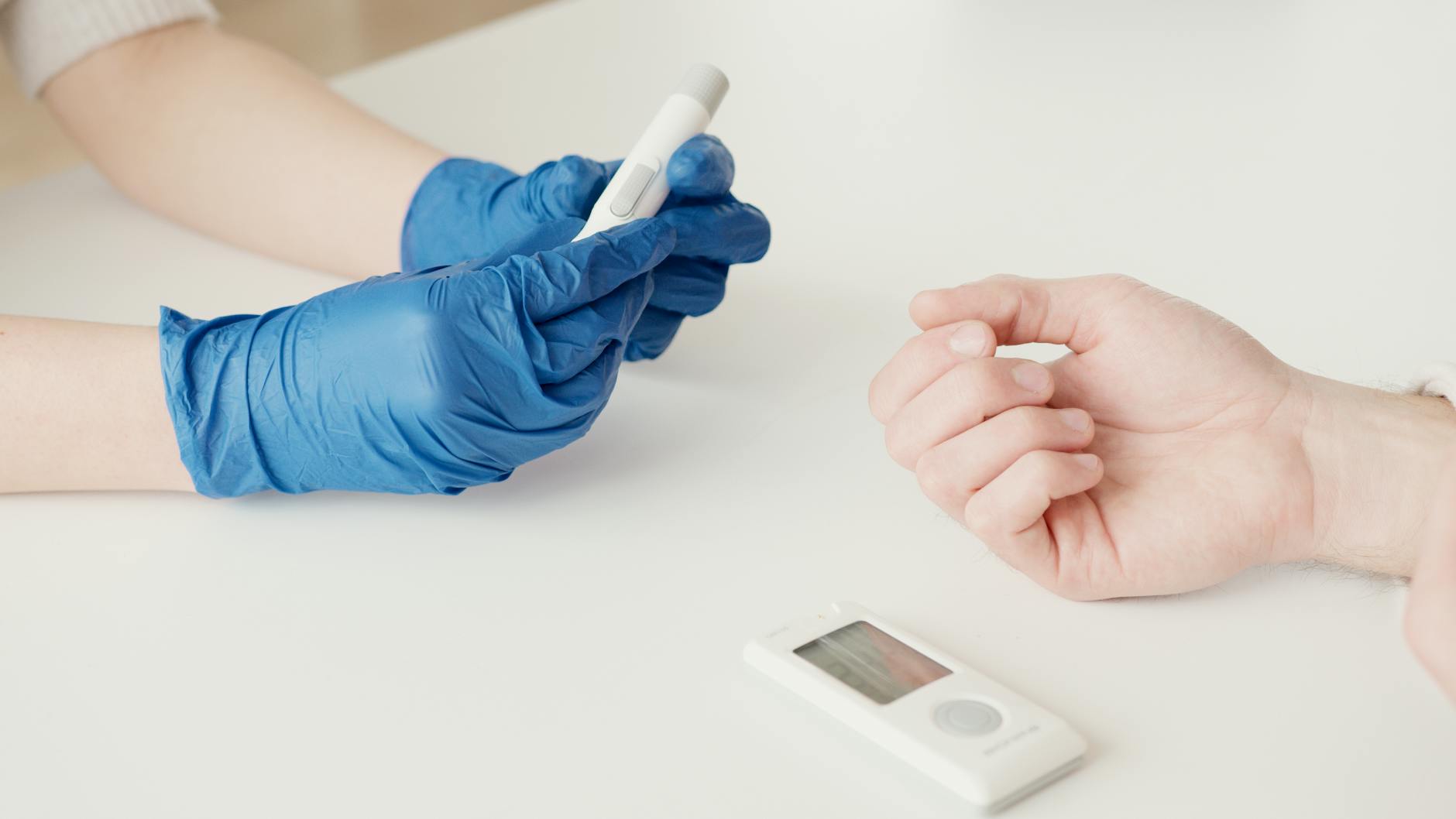
A standard blood glucose meter is sufficient to track fasting trends at home. However, for definitive pattern recognition — especially to distinguish the dawn phenomenon from the Somogyi effect — a continuous glucose monitor (CGM) is superior. CGM devices such as the Dexcom G7 and Freestyle Libre 3 have become more affordable and are now available without a prescription in many locations. The ADA 2025 Standards of Care recommend CGM as a tool for any adult with diabetes who wants to improve glycemic control, and selected individuals with prediabetes may also benefit.
- High fasting blood sugar (≥100 mg/dL) is primarily caused by the dawn phenomenon, Somogyi effect, insulin resistance, late-night eating, poor sleep, medication timing errors, and chronic stress — often in combination.
- The dawn phenomenon involves a normal pre-dawn hormone surge that goes unopposed in people with insulin resistance; the Somogyi effect is a rebound high following an undetected overnight low.
- A continuous glucose monitor (CGM) is the most reliable tool for identifying which cause is driving your morning spike, as it reveals the overnight glucose curve.
- Lifestyle strategies — including earlier dinner timing, afternoon/evening exercise, adequate hydration, and treating sleep apnea — can lower fasting glucose by 5–20 mg/dL.
- The ADA diagnostic threshold for diabetes is fasting glucose ≥126 mg/dL confirmed on two separate tests; prediabetes is defined as 100–125 mg/dL.
- Fasting glucose is an independent predictor of cardiovascular disease risk, even at levels below the diabetes threshold.