An A1C of 5.8% places you in the prediabetic range (5.7–6.4%). The good news: with targeted lifestyle changes — backed by the Diabetes Prevention Program — many people lower their A1C below 5.7% within 3 to 6 months. This checklist shows you exactly what to do.
Yes — an A1C of 5.8% can return to normal (<5.7%) in most people. The landmark Diabetes Prevention Program (DPP) showed that losing 5–7% of body weight and engaging in 150 minutes of moderate activity per week reduced the risk of progressing to type 2 diabetes by 58%, and many participants normalized their blood glucose. Sustained dietary changes, weight loss, exercise, and — for selected individuals — metformin can reverse prediabetes within 3–6 months.
The 6-Step Prediabetes Reversal Checklist
Each item on this checklist is a non‑negotiable action if you want to bring your A1C from 5.8% back to the normal range. The order reflects impact — start with weight loss and movement, then layer on the other habits.
Detailed Steps to Reverse an A1C of 5.8
Here’s how to execute each item on the checklist — with specifics on how much, how often, and why it works.
Common Mistakes & What Success Looks Like
- Going on a crash diet — Very low‑calorie diets (<800 kcal/day) can lower A1C quickly but are unsustainable; weight regain often overshoots, worsening insulin resistance.
- Avoiding all carbohydrates — Severe carb restriction can cause hypoglycemia in some people and often leads to binge eating. Quality and quantity matter more than elimination.
- Only focusing on exercise but not diet — You cannot out‑run a poor diet. Calorie reduction is far more effective for weight loss than exercise alone.
- Ignoring sleep and stress — Chronic stress raises cortisol, which directly increases blood glucose. Many people do everything else right but still see a high A1C because they’re sleeping 5 hours and managing work pressure with caffeine.
After 3 months of consistent effort, a person with a starting A1C of 5.8% typically sees a drop to 5.5–5.6%. After 6 months, many achieve <5.7% — “normal” per the American Diabetes Association. The most reliable pattern: a gradual 1–2 lb weekly weight loss, daily 30‑minute brisk walks, meals built around vegetables and lean protein, and 7–8 hours of sleep. Morning blood glucose readings (fasting) usually fall below 100 mg/dL. That is the physiological signal that the pancreas is handling glucose appropriately again.
When to Consider Medical Help
If you follow the 6‑step checklist for 3 months and your A1C remains ≥5.8% — or if it rises — it’s time to escalate. Some individuals need pharmacologic support to break the cycle of insulin resistance.
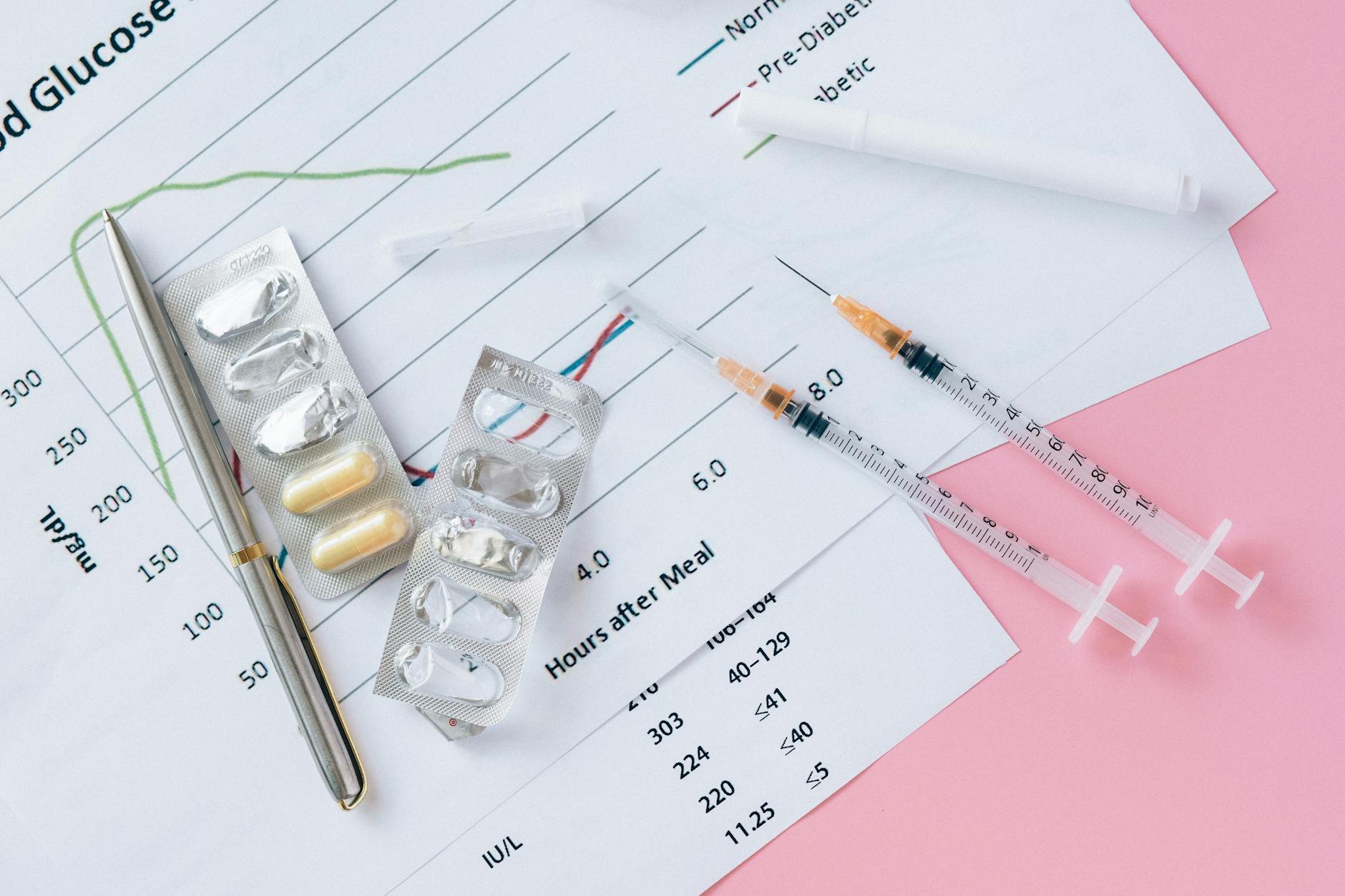
The American Diabetes Association recommends that adults with prediabetes (A1C 5.7–6.4%) be offered referral to a lifestyle change program such as the National DPP, and that metformin be considered for those with BMI ≥35 kg/m², those aged <60 years, or women with a history of gestational diabetes.
Frequently Asked Questions
How quickly can A1C 5.8 return to normal?
Most people see a meaningful reduction within 3 months (one A1C testing cycle). With strict adherence to weight loss, diet, and exercise, many achieve an A1C below 5.7% within 3 to 6 months. The speed depends on your starting body weight, how much weight you lose, and how consistently you maintain the new habits.
Can A1C 5.8 return to normal without medication?
Yes — the DPP proved that lifestyle changes alone normalized blood glucose in many participants. However, if you have a strong family history, a high BMI, or cannot achieve lasting weight loss, metformin can provide an additional 0.4–0.6% A1C reduction. Discuss with your doctor whether you are a candidate for metformin.
What if my A1C is 5.8 but I feel fine?
Prediabetes often has no symptoms. “Feeling fine” does not mean your metabolism is fine. An A1C of 5.8% already indicates that your body is struggling to regulate blood sugar. Without intervention, the path to type 2 diabetes typically takes 5–10 years. Early reversal is far easier than treating established diabetes.
Is 5.8 A1C high during pregnancy?
Yes — an A1C of 5.8% is above the recommended <5.7% threshold for pregnant women. Gestational diabetes carries risks for both mother and baby. If you are pregnant or planning pregnancy, work with your obstetrician to establish a specialized diet and glucose monitoring plan.
Do I need to check my blood sugar at home if my A1C is 5.8?
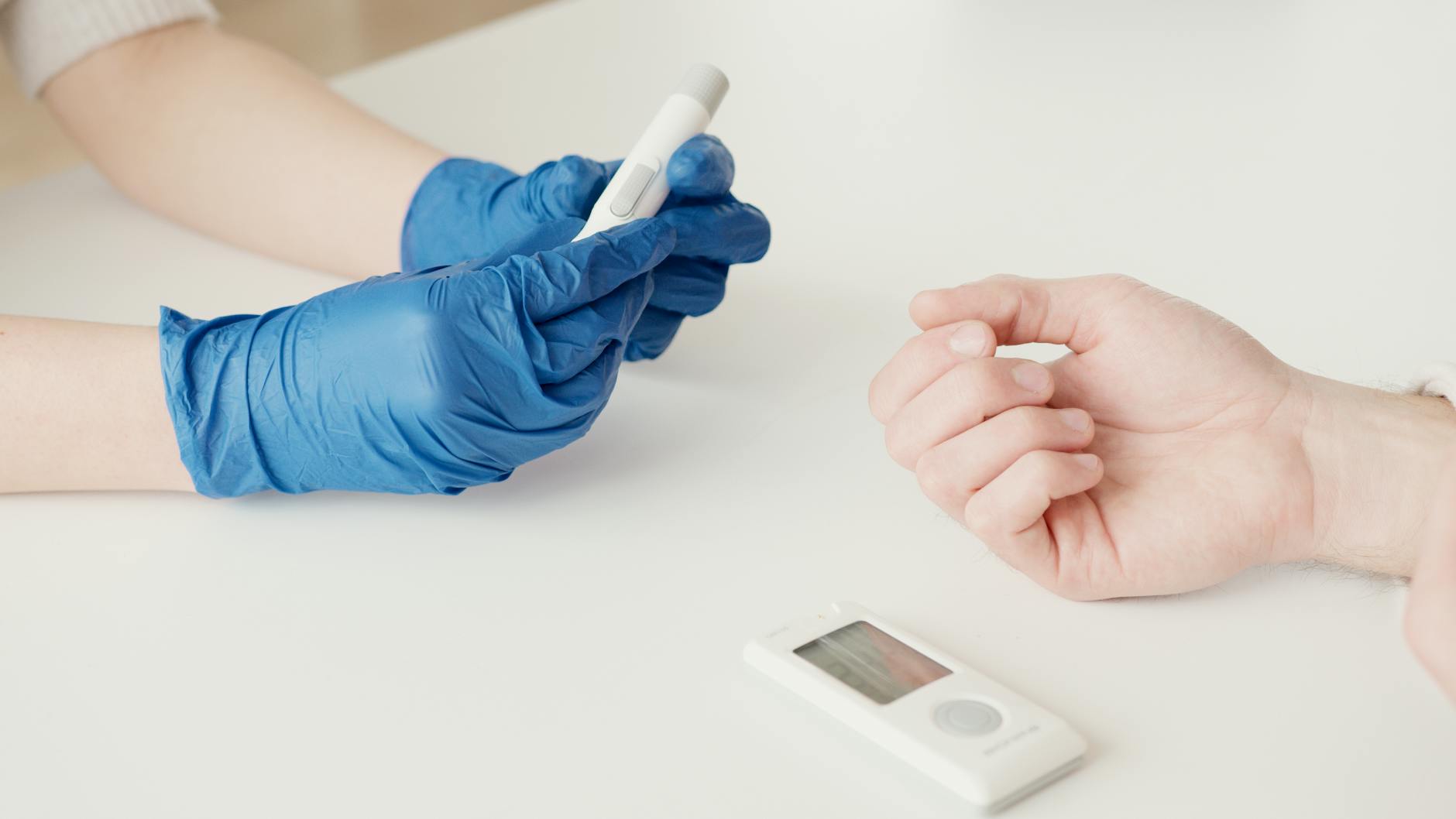
Not mandatory for prediabetes, but it can be helpful. A fasting glucose reading (first thing in the morning) and a 2‑hour post‑meal reading give you real‑time feedback. Many people find that seeing a post‑meal spike motivates dietary changes. Your doctor can provide a glucometer prescription if you want to monitor.
- A1C 5.8% is solidly in the prediabetes range; reversal to normal (<5.7%) is possible for most people with sustained lifestyle changes.
- The Diabetes Prevention Program showed that losing 5–7% of body weight and doing 150 minutes of moderate activity per week cut diabetes risk by 58% and often normalized A1C.
- Dietary strategies — cutting added sugar, increasing fiber and protein — are as important as exercise; sleep and stress management are non‑negotiable co‑factors.
- If A1C does not improve after 3 months of consistent effort, metformin or referral to a structured lifestyle program should be discussed with your doctor.
- Monitoring A1C every 3 months provides objective feedback; home glucose monitoring can help with day‑to‑day adjustments.