Post-meal blood sugar spikes — called postprandial hyperglycemia — are a key driver of cardiovascular disease, kidney damage, and glycemic deterioration in diabetes. Here's exactly what the levels mean, where the targets stand, and what you can do about them.
Postprandial hyperglycemia is defined as a blood glucose level of ≥180 mg/dL (10.0 mmol/L) one to two hours after the start of a meal, per the ADA Standards of Care 2025. The American Diabetes Association recommends a peak post-meal glucose target below 180 mg/dL for most nonpregnant adults with diabetes. Levels consistently exceeding 200 mg/dL (11.1 mmol/L) indicate impaired glucose regulation and significantly raise cardiovascular and microvascular complication risk.
- What Is Postprandial Hyperglycemia — and Why Is It Dangerous?
- Postprandial Glucose Targets: The Numbers You Need to Know
- What Causes Blood Sugar to Spike After Eating?
- Symptoms of Postprandial Hyperglycemia — and When It Gets Silent
- How Is Postprandial Hyperglycemia Diagnosed and Monitored?
- Medication Strategies for Controlling Post-Meal Spikes
- Diet and Lifestyle: The First Line of Defense
- Complications of Uncontrolled Postprandial Hyperglycemia
- When to See a Doctor — Red Flags You Should Not Ignore
- Frequently Asked Questions
What Is Postprandial Hyperglycemia — and Why Is It Dangerous?
Every time you eat a meal containing carbohydrates, your digestive system breaks starches and sugars into glucose, which enters your bloodstream. In a person with normal glucose metabolism, the pancreas releases insulin promptly, and blood glucose returns to pre-meal levels within two to three hours. Postprandial hyperglycemia describes the state when that post-meal glucose rise is excessive — typically ≥180 mg/dL (10.0 mmol/L) — or when the return to baseline is delayed beyond two hours.
Clinicians sometimes call this a "post-meal spike," but the term undersells its clinical weight. Data from the landmark DECODE study (Diabetes Epidemiology: Collaborative Analysis of Diagnostic Criteria in Europe) found that 2-hour post-load glucose — not fasting glucose — was the stronger predictor of cardiovascular mortality. The National Diabetes Statistics Report 2024 from the CDC estimates that 38.4 million Americans (about 11.6% of the population) have diabetes, and the vast majority experience some degree of postprandial hyperglycemia.
A 2020 meta-analysis in Cardiovascular Diabetology showed that each 1 mmol/L (18 mg/dL) increase in 2-hour postprandial glucose was associated with a 15% higher risk of cardiovascular events (hazard ratio 1.15; 95% CI 1.07–1.24). This is why postprandial hyperglycemia is not merely a cosmetic lab value — it is a discrete therapeutic target and a modifiable risk factor.
Postprandial hyperglycemia accelerates atherosclerosis through oxidative stress, endothelial dysfunction, and inflammation — mechanisms that operate even when fasting glucose looks acceptable. Targeting post-meal glucose is not optional in comprehensive diabetes management.
Postprandial Glucose Targets: The Numbers You Need to Know
Different guideline bodies set slightly different thresholds, but the consensus converges around a peak 2-hour postprandial glucose below 180 mg/dL (10.0 mmol/L) for most adults with diabetes. Here is how the major organizations define it:
| Guideline Body | Postprandial Target | Timing | Notes |
|---|---|---|---|
| ADA Standards of Care (2025) | < 180 mg/dL (10.0 mmol/L) | 1–2 hours after meal start | For most nonpregnant adults; individualize for elderly or frail |
| AACE / ACE (2024) | < 140 mg/dL (7.8 mmol/L) | 2 hours after meal start | Stricter target for patients with low hypoglycemia risk |
| IDF Global Guideline (2023) | < 160 mg/dL (8.9 mmol/L) | 2 hours after meal start | Emphasis on minimizing glycemic variability |
| NICE (UK, 2024) | < 180 mg/dL (10.0 mmol/L) | 2 hours after meal start | For type 1 and type 2 diabetes; relax to < 216 mg/dL (12.0 mmol/L) for some |
| ADA for Gestational Diabetes | < 140 mg/dL (7.8 mmol/L) at 1 hour; < 120 mg/dL (6.7 mmol/L) at 2 hours | 1 hour and 2 hours after meal | Tighter thresholds due to fetal health impact |
The AACE (American Association of Clinical Endocrinology) target of < 140 mg/dL applies when a patient is on a regimen with low hypoglycemia risk (e.g., metformin alone, GLP-1 receptor agonists, SGLT2 inhibitors) and has a long life expectancy. In contrast, the ADA's < 180 mg/dL standard is the most widely adopted and the default for clinical practice quality measures in the U.S., including HEDIS metrics used by insurers.
A random plasma glucose of 200 mg/dL (11.1 mmol/L) or higher, regardless of time since eating, is diagnostic of diabetes when accompanied by classic symptoms (polyuria, polydipsia, unexplained weight loss). But postprandial hyperglycemia as a management target focuses on the 1–2 hour window after meals, not on a single random draw.
What Causes Blood Sugar to Spike After Eating?
Postprandial hyperglycemia results from a mismatch between glucose entering the bloodstream and the body's ability to clear it. The most common drivers fall into three categories:
Impaired Early-Phase Insulin Secretion
In type 2 diabetes, the first-phase insulin release — the rapid burst of insulin that normally occurs within 10–15 minutes of eating — is blunted or absent. Without this early surge, glucose accumulates before the slower second-phase secretion can catch up. Within 2–5 years of diagnosis, many people with type 2 diabetes lose 50–80% of their beta-cell function, making post-meal glucose regulation progressively harder.
Insulin Resistance in Peripheral Tissues
Even when insulin is present, resistance in muscle, liver, and adipose tissue slows glucose uptake. Skeletal muscle normally clears 70–80% of a glucose load after a meal. When muscle cells fail to respond to insulin's signal to open GLUT4 glucose transporters, glucose remains in the bloodstream.
Meal Composition and Glycemic Load
Not all carbohydrates are equal. High-glycemic-index foods — white bread, sugary beverages, white rice, potatoes — release glucose rapidly, overwhelming a compromised insulin system. A 2023 study in Nutrients found that replacing 50 grams of high-GI carbohydrate with low-GI alternatives reduced peak postprandial glucose by an average of 28 mg/dL (1.6 mmol/L) in adults with type 2 diabetes.
Additional contributing factors (click to expand)
Gastroparesis: Delayed gastric emptying from autonomic neuropathy can cause late, unpredictable postprandial spikes — especially in type 1 diabetes of long duration.
Medication timing: Taking rapid-acting insulin too early or too late relative to the meal creates a mismatch between insulin peak and glucose peak.
Incretin deficiency: GLP-1 and GIP hormones, which enhance glucose-stimulated insulin secretion and slow gastric emptying, are often reduced in type 2 diabetes — a deficit that GLP-1 receptor agonist medications directly target.
Circadian effects: Postprandial glucose tends to be highest after breakfast due to the dawn phenomenon, a natural rise in cortisol and growth hormone in the early morning.
Symptoms of Postprandial Hyperglycemia — and When It Gets Silent
Many people with modest postprandial hyperglycemia (180–250 mg/dL) feel nothing at all — which is precisely why the condition is dangerous. The absence of symptoms does not mean the absence of vascular damage. However, when levels rise above 250–300 mg/dL, several signs may appear:
Long-standing diabetes often blunts the osmotic and neurologic symptoms of hyperglycemia. A person with a 10-year history of type 2 diabetes may have postprandial glucose readings of 220–280 mg/dL yet report feeling "fine." This is why structured self-monitoring — not symptom surveillance — is required to detect and address postprandial hyperglycemia.
How Is Postprandial Hyperglycemia Diagnosed and Monitored?
Diagnosis relies on blood glucose measurement timed to the post-meal window. The standard approach in clinical practice and research is the 2-hour postprandial glucose (2hPG) test — a venous plasma glucose drawn exactly two hours after the start of a meal or a 75-gram oral glucose load. For routine management, clinicians also use the following tools:
| Method | What It Measures | Best Use Case |
|---|---|---|
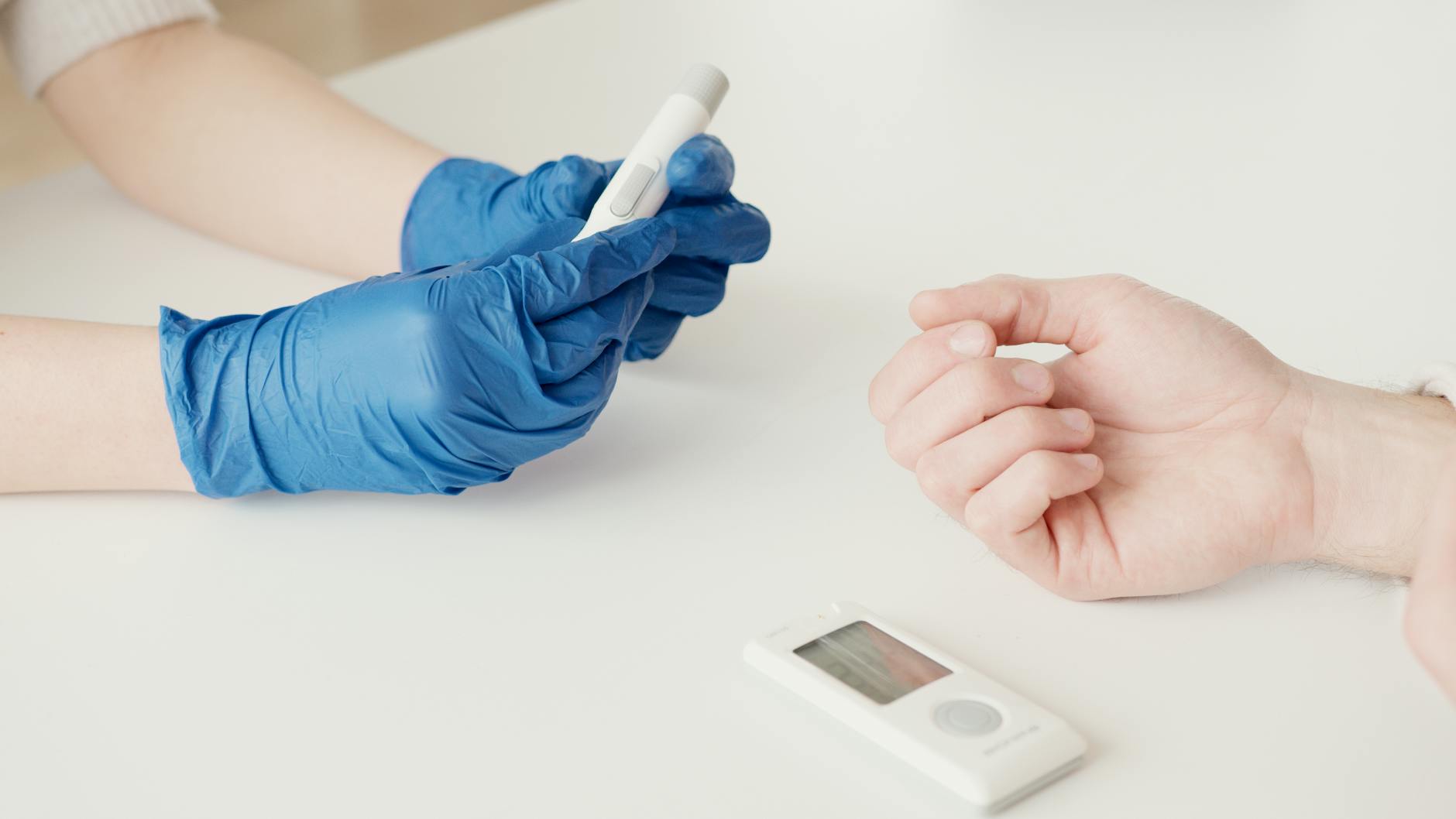
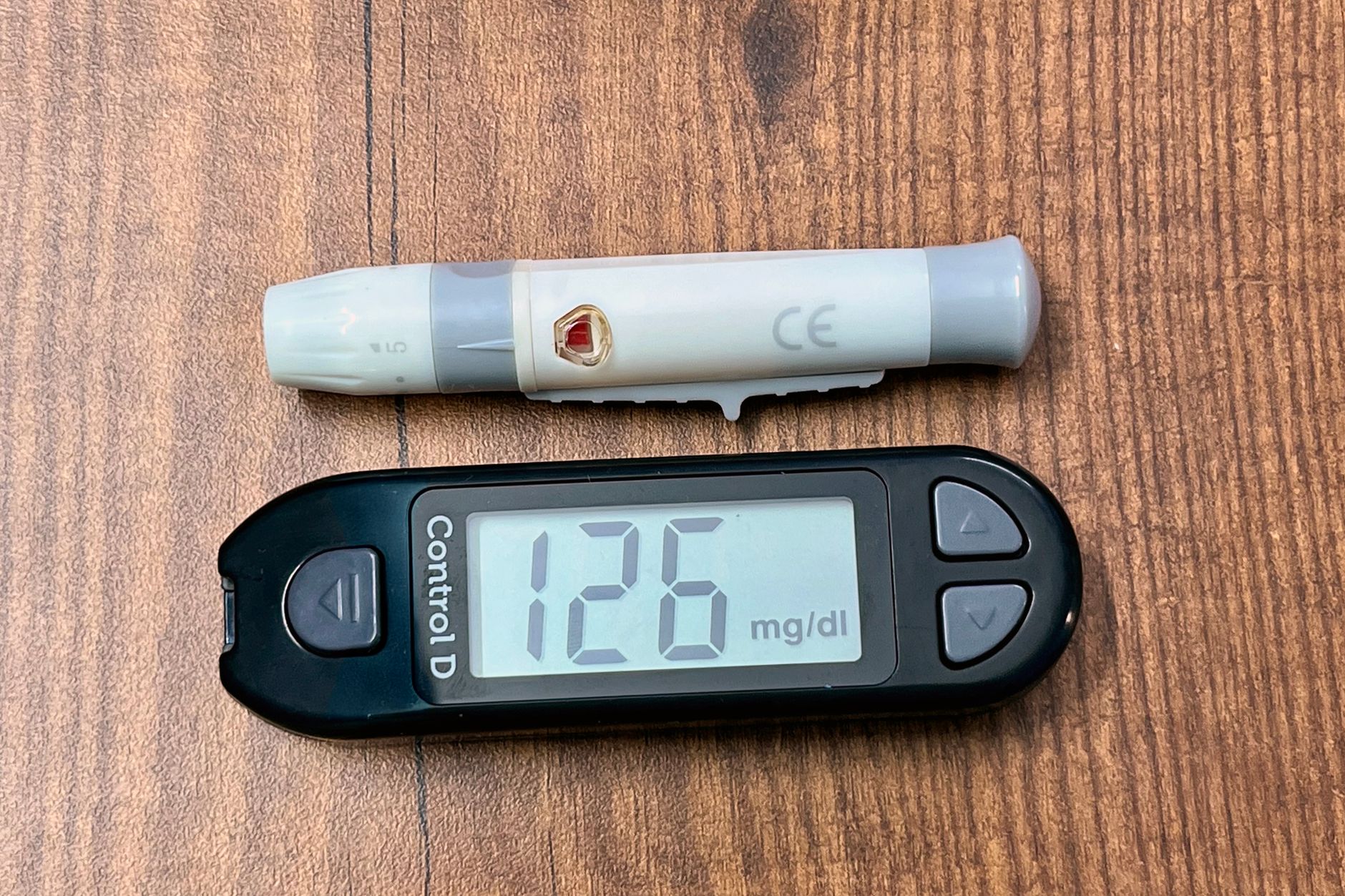
| Self-Monitored Blood Glucose (SMBG) | Fingerstick glucose at 1 and/or 2 hours after meals | Daily titration of insulin or medication dosing |
| Continuous Glucose Monitoring (CGM) | Interstitial glucose every 5–15 minutes, providing a full postprandial curve | Identifying spike patterns, duration, and glycemic variability |
| 2-Hour Oral Glucose Tolerance Test (OGTT) | Venous glucose 2 hours after 75 g oral glucose load | Diagnosing prediabetes, impaired glucose tolerance, or gestational diabetes |
| Postprandial C-Peptide | Measures endogenous insulin secretion capacity after a mixed meal | Assessing residual beta-cell function in type 1 or advanced type 2 diabetes |
The ADA recommends that anyone using insulin or experiencing suboptimal HbA1c should incorporate postprandial SMBG or CGM into their monitoring routine. For patients on basal-only insulin or non-insulin therapies, targeted postprandial checks — especially after the largest meal of the day — provide actionable data without requiring full-time monitoring.
Postprandial glucose contributes disproportionately to HbA1c: in individuals with HbA1c in the 7–8% range, post-prandial hyperglycemia accounts for roughly 70% of total glycemic exposure. (Monnier et al., Diabetes Care, 2003)
Medication Strategies for Controlling Post-Meal Spikes
Pharmacotherapy for postprandial hyperglycemia targets the underlying mechanism — delayed insulin, resistance, or incretin deficiency. Here is how the major classes compare for post-meal control:
Examples: insulin lispro, aspart, glulisine. Onset: 10–15 min. Peak: 30–90 min. Duration: 3–5 h. Administered immediately before eating; reduces postprandial glucose by 50–80 mg/dL on average. Dosing must be calibrated to meal carbohydrate content and pre-meal glucose.
Examples: semaglutide, tirzepatide, dulaglutide. Mechanism: Enhance glucose-dependent insulin secretion, suppress glucagon, slow gastric emptying. Postprandial glucose reductions of 30–60 mg/dL are typical. Tirzepatide (dual GIP/GLP-1 agonist) showed a 2-hour postprandial glucose reduction of ~55 mg/dL vs. placebo in SURPASS-1.
Examples: repaglinide, nateglinide. Rapid onset, short duration (3–4 h). Stimulate insulin release only when taken with meals. Well-suited for patients with irregular meal schedules. Repaglinide lowers 2hPG by 40–70 mg/dL on average, but carries hypoglycemia risk if meals are skipped.
Examples: acarbose, miglitol. Delay carbohydrate digestion in the small intestine, blunting the glucose peak. Reduces 1-hour postprandial glucose by 30–50 mg/dL. Gastrointestinal side effects (flatulence, diarrhea) limit tolerability, but the cardiovascular benefit was shown in the STOP-NIDDM trial.
For patients on basal-bolus insulin regimens, the single most impactful change for postprandial control is optimizing the timing of the prandial bolus. A 2022 consensus statement from the ADA and EASD recommends injecting rapid-acting insulin 15–20 minutes before the meal — not at the start of the meal — to better match the glucose peak.
Diet and Lifestyle: The First Line of Defense
Before and alongside medication, dietary modification is the most effective intervention for postprandial hyperglycemia. The evidence supports several specific, actionable strategies:
Reduce the Glycemic Load of Each Meal
The glycemic load — which accounts for both the glycemic index and the quantity of carbohydrate — strongly predicts the postprandial glucose response. Swapping high-GI foods for low-GI alternatives (e.g., steel-cut oats instead of instant oatmeal, lentils instead of white rice) reduces the area under the postprandial glucose curve by 20–40%, per a systematic review in the American Journal of Clinical Nutrition (2021).
Prioritize the Order of Nutrient Intake
A growing body of research shows that eating vegetables and protein before carbohydrates — the "meal order" strategy — attenuates the postprandial glucose spike. A 2019 study in Diabetes Care found that consuming vegetables and protein 10–15 minutes before carbs reduced 2-hour postprandial glucose by 37% compared with eating carbs first.
Incorporate Post-Meal Physical Activity
A 10- to 15-minute walk within 30 minutes of finishing a meal increases muscle glucose uptake by activating contraction-mediated GLUT4 translocation — a pathway that does not require insulin. A 2022 meta-analysis (22 trials) concluded that post-meal walking reduced peak postprandial glucose by an average of 22 mg/dL (1.2 mmol/L).
1. Start meals with non-starchy vegetables (half the plate).
2. Follow with protein (fish, chicken, tofu, legumes).
3. End with whole-food carbohydrates (quinoa, beans, berries).
4. Walk briskly for 10–15 minutes after eating.
5. Avoid liquid sugars entirely — a 12-ounce soda can elevate postprandial glucose by 60–80 mg/dL within 30 minutes.
Complications of Uncontrolled Postprandial Hyperglycemia
Postprandial hyperglycemia is not a benign fluctuation. Repeated post-meal spikes drive three distinct categories of tissue damage:
Macrovascular Complications
Glucose spikes trigger acute oxidative stress and endothelial dysfunction. A single acute hyperglycemic episode reduces flow-mediated dilation of the brachial artery — a measure of endothelial health — by 30–50% for several hours. Over years, this cumulative damage accelerates coronary atherosclerosis, stroke risk, and peripheral artery disease. The DECODE study (European Heart Journal, 2001) established that 2-hour post-load glucose is a stronger predictor of cardiovascular death than fasting glucose in both men and women.
Microvascular Complications
Postprandial hyperglycemia contributes to the development and progression of diabetic retinopathy, nephropathy, and neuropathy. In the Diabetes Control and Complications Trial (DCCT) follow-up (EDIC study), each 20 mg/dL increase in the postprandial glucose excursion was associated with a 14% increase in the risk of retinopathy progression, independent of HbA1c.
Glycemic Variability
Large swings between hyperglycemia and near-normal glucose — captured by metrics like the coefficient of variation (CV) on CGM — cause more cellular damage than steady-state hyperglycemia. Glucose variability activates protein kinase C, increases advanced glycation end-product (AGE) formation, and induces mitochondrial superoxide production. Targeting postprandial spikes is the most direct way to reduce variability.
When to See a Doctor — Red Flags You Should Not Ignore
While occasional post-meal readings above target can be adjusted with diet or medication changes, certain patterns warrant prompt medical evaluation:
Frequently Asked Questions
What is a normal postprandial glucose level for someone without diabetes?
A person with normal glucose tolerance typically has a 2-hour postprandial glucose below 140 mg/dL (7.8 mmol/L), and the peak (usually at 30–60 minutes) rarely exceeds 160 mg/dL. Levels between 140 and 199 mg/dL in the 2-hour OGTT define impaired glucose tolerance (prediabetes), and ≥200 mg/dL is diagnostic of diabetes.
Is postprandial hyperglycemia worse than fasting hyperglycemia?
Both are harmful, but postprandial hyperglycemia is more closely linked to cardiovascular events and oxidative stress. Fasting hyperglycemia primarily reflects basal glucose production from the liver, while postprandial spikes represent an acute metabolic challenge to the vasculature. In patients with HbA1c below 8%, postprandial glucose contributes the majority of the glycemic burden.
Can exercise after meals really lower postprandial glucose?
Yes. A 2022 meta-analysis of 22 randomized trials found that post-meal walking (10–15 minutes) reduced peak postprandial glucose by an average of 22 mg/dL (1.2 mmol/L). The effect is driven by muscle contraction-mediated GLUT4 translocation — a pathway that bypasses insulin resistance entirely. Timing matters: walking within 30 minutes of eating produces the largest reductions.
Does drinking water before meals help with postprandial hyperglycemia?
Hydration status affects blood volume and renal glucose clearance, but water intake shortly before eating has not been shown to independently reduce postprandial glucose in controlled trials. However, replacing sugary beverages with water is one of the most effective single dietary changes — a single 12-ounce sugar-sweetened soda raises postprandial glucose by 60–80 mg/dL within 30 minutes.
How do I know if I have postprandial hyperglycemia without a CGM?
The most practical method is paired SMBG testing: check your blood glucose immediately before a meal and again 2 hours after the first bite (not after you finish eating). If the post-meal reading exceeds 180 mg/dL (10.0 mmol/L), postprandial hyperglycemia is present. Test after a consistent meal (e.g., breakfast) for 3–5 days to identify a pattern.
- Postprandial hyperglycemia is defined as blood glucose ≥180 mg/dL (10.0 mmol/L) 1–2 hours after a meal, per the ADA 2025 Standards of Care.
- Strictly targeting post-meal glucose — aiming for < 180 mg/dL (ADA) or as low as < 140 mg/dL (AACE) — reduces cardiovascular and microvascular complication risk independent of HbA1c.
- Dietary strategies with the strongest evidence: low-glycemic-load meals, eating vegetables and protein before carbohydrates, and a 10- to 15-minute post-meal walk.
- Medication options include rapid-acting insulin analogs, GLP-1 receptor agonists, meglitinides, and alpha-glucosidase inhibitors — choice depends on underlying defect, hypoglycemia risk, and patient preference.
- Postprandial hyperglycemia drives glycemic variability, oxidative stress, and endothelial dysfunction; it is not a benign fluctuation even when asymptomatic.
- Consistent post-meal readings above 250 mg/dL or any reading above 350 mg/dL warrant immediate medical attention.