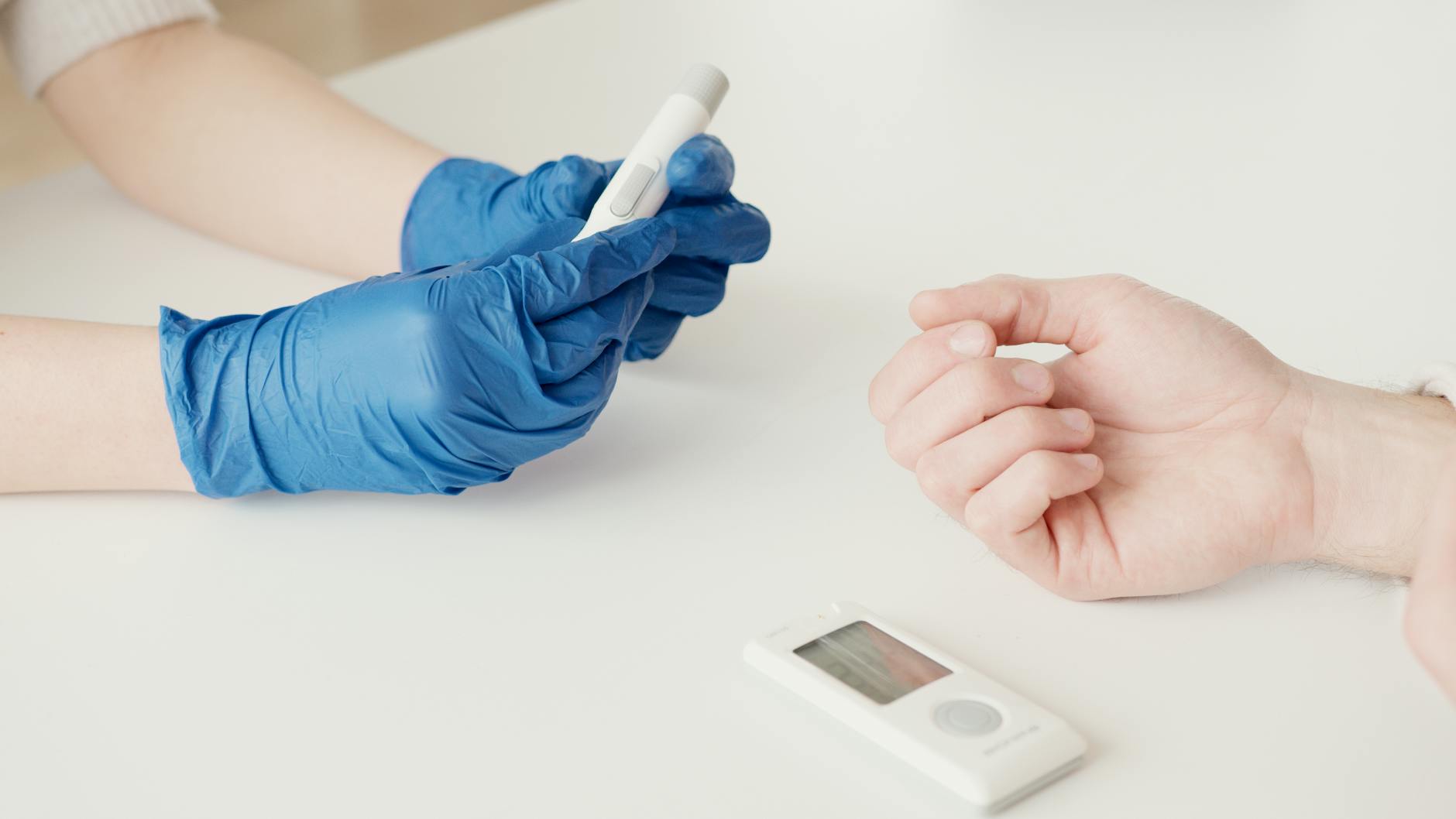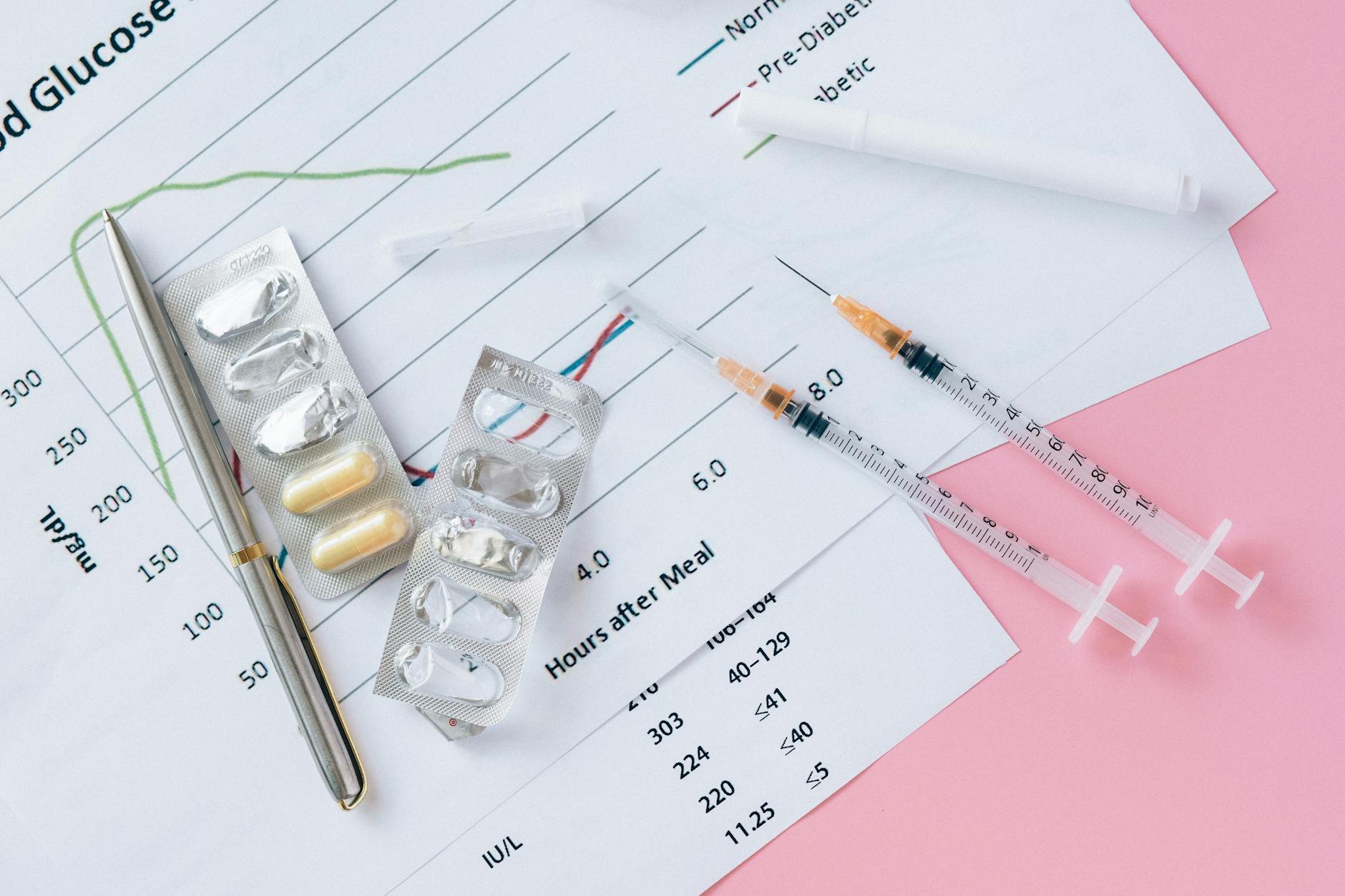
A blood sugar level of 300 mg/dL or higher is a significant hyperglycemic emergency. Recognizing the symptoms early can prevent progression to diabetic ketoacidosis (DKA) or hyperglycemic hyperosmolar state (HHS). This guide covers everything you need to know.
- What Does a Blood Sugar of 300 Mean?
- Recognizing the Symptoms of Blood Sugar 300
- Common Causes of a Spike to 300 mg/dL
- Immediate Steps to Lower Blood Sugar from 300
- When Blood Sugar 300 Becomes a Medical Emergency
- Long-Term Risks of Recurrent Hyperglycemia
- How to Prevent Blood Sugar 300 in the Future
- Common Myths About High Blood Sugar
- Frequently Asked Questions
What Does a Blood Sugar of 300 Mean?
A blood glucose reading of 300 mg/dL (16.7 mmol/L) is classified as severe hyperglycemia by the American Diabetes Association (ADA). For context, normal fasting glucose is below 100 mg/dL, and post-meal levels normally remain under 180 mg/dL. A glucose of 300 mg/dL indicates that your body's cells are not receiving adequate insulin signaling or that insulin action is severely impaired, leading to unchecked glucose accumulation in the blood.
At this level, the kidneys can no longer reabsorb all the filtered glucose, and glucose spills into the urine (glycosuria), taking water with it. This explains the hallmark symptoms of polyuria (frequent urination) and polydipsia (excessive thirst). Beyond these, a glucose of 300 mg/dL can trigger metabolic derangements, including electrolyte imbalances and, in type 1 diabetes, rapid progression to diabetic ketoacidosis (DKA).
The ADA defines severe hyperglycemia as a plasma glucose concentration of ≥300 mg/dL. Levels above 300 mg/dL warrant prompt evaluation and often require medical intervention, especially when accompanied by symptoms of DKA or HHS.
It's important to note that the cause may differ between type 1 and type 2 diabetes. In type 1, a glucose of 300 mg/dL is almost always a sign of absolute insulin deficiency and carries a high risk for DKA. In type 2, it can occur due to illness, nonadherence to medications, or stress, and may progress to hyperglycemic hyperosmolar state (HHS) rather than DKA. Regardless of the type, a reading of 300 mg/dL is never normal and requires immediate action.
Recognizing the Symptoms of Blood Sugar 300
When blood sugar reaches 300 mg/dL, symptoms are almost always present. However, some individuals with long-standing diabetes may have a diminished ability to perceive thirst or urinary frequency, so it's critical to use a glucose meter or continuous glucose monitor (CGM) to confirm. The classic triad at this level includes:
- Polyuria — urinating every 1–2 hours, often waking multiple times at night.
- Polydipsia — unquenchable thirst, dry mouth, craving cold drinks.
- Blurred vision — caused by osmotic swelling of the lens due to high glucose.
Additional symptoms that frequently accompany a glucose of 300 mg/dL include fatigue, headache, unintentional weight loss (if sustained), and slow-healing cuts or infections. In some cases, patients report a feeling of "brain fog" or difficulty concentrating.
If any of the following symptoms accompany blood sugar 300, seek emergency medical care immediately:
- Nausea, vomiting, or abdominal pain
- Deep, rapid breathing (Kussmaul respirations)
- Fruity-smelling breath (acetone odor)
- Confusion, drowsiness, or difficulty waking
- Rapid heart rate and low blood pressure
Common Causes of a Spike to 300 mg/dL
Several triggers can cause blood glucose to surge to 300 mg/dL, even in well-controlled diabetes. Identifying the cause is the first step toward prevention.
Missed or Insufficient Insulin — most common in type 1 diabetes
Skipping a dose of long-acting insulin, under-dosing for meals, or insulin pump failure can lead to rapid rises to 300 mg/dL. Even a few hours without adequate insulin can allow glucose to skyrocket. The risk is highest in individuals using rapid‑acting analogs (e.g., lispro, aspart) if the injection is skipped or the dose is miscalculated.
Illness or Infection — stress hormones drive glucose up
Even minor infections like the common cold, urinary tract infection, or gastroenteritis trigger the release of cortisol and catecholamines, which increase hepatic glucose production and insulin resistance. Patients with diabetes often double or triple their basal insulin doses during illness (sick-day rules).
Large or High-Carbohydrate Meals — postprandial spikes
Consuming a carbohydrate-heavy meal without sufficient insulin coverage or without taking an adequate dose of oral medications can produce a rapid rise in glucose. Foods with a high glycemic index (white bread, sugary drinks, candies) are most likely to push glucose past 300 mg/dL within 60–90 minutes.
Emotional or Physical Stress — cortisol effect
Stress from work, trauma, surgery, or even an argument can elevate glucose. Stress hyperglycemia is common in hospitalized patients and may require temporary insulin therapy even in those without diabetes.
Medication Nonadherence or Drug Interactions
Forgetting oral diabetes medications (e.g., metformin, SGLT2 inhibitors) or taking drugs that raise glucose (e.g., steroids, some diuretics, antipsychotics) can lead to uncontrolled levels. Even over‑the‑counter decongestants containing pseudoephedrine can raise blood glucose.
Immediate Steps to Lower Blood Sugar from 300
If you measure a glucose at or above 300 mg/dL and do not have signs of DKA or HHS, you can take the following steps. Always consult your healthcare provider's sick‑day plan first.
Do not attempt to lower blood sugar rapidly with very high insulin doses — this can cause dangerous hypoglycemia. Use your personalized correction factor. If you do not have a correction factor, contact your provider for guidance.
When Blood Sugar 300 Becomes a Medical Emergency
A glucose of 300 mg/dL can be managed at home if symptoms are mild and there are no signs of diabetic ketoacidosis (DKA) or hyperglycemic hyperosmolar state (HHS). However, the presence of ketones changes the scenario entirely.
Any ONE of the following alongside glucose ≥300 mg/dL requires emergency care:
- Positive urine or blood ketones (especially moderate to large)
- Vomiting or inability to keep fluids down
- Altered mental status (confusion, slurred speech, lethargy)
- Kussmaul breathing (deep, rapid breathing)
- Fruity breath odor
In DKA, the lack of insulin forces the body to break down fat for energy, producing ketones that acidify the blood. HHS, more common in type 2 diabetes, involves extreme hyperosmolality without significant ketones, but with profound dehydration. Both conditions are life‑threatening and require intravenous fluids, electrolyte replacement, and insulin therapy under medical supervision.
Onset: Rapid (hours)
Typical in: Type 1 diabetes
Glucose: Usually 250–600 mg/dL
Ketones: High
Acidosis: Yes (pH <7.3)
Onset: Slower (days)
Typical in: Type 2 diabetes
Glucose: Often >600 mg/dL
Ketones: Minimal or absent
Acidosis: No (pH >7.3)
Long-Term Risks of Recurrent Hyperglycemia
Even if a single episode of 300 mg/dL resolves without hospitalization, repeated episodes increase the risk of chronic complications. The landmark Diabetes Control and Complications Trial (DCCT) and UK Prospective Diabetes Study (UKPDS) demonstrated that sustained hyperglycemia accelerates microvascular damage.
- Retinopathy: Each 1% rise in A1C increases the risk of diabetic retinopathy by 30–40%.
- Neuropathy: High glucose damages peripheral nerves, leading to numbness, pain, and increased fall risk.
- Nephropathy: Hyperglycemia filters excess glucose through the kidneys, causing glomerular damage and eventual kidney failure.
- Cardiovascular disease: Chronic hyperglycemia promotes endothelial dysfunction, increasing heart attack and stroke risk.
- Infections: White blood cell function is impaired at high glucose levels, leading to skin, urinary, and respiratory infections.
"The 10-year follow-up of the DCCT showed that intensive glucose control reduced the risk of albuminuria by 45% and retinopathy progression by 53%. Every episode of severe hyperglycemia contributes to this cumulative damage."
— Nathan DM, N Engl J Med 2020;382:1444-1456
How to Prevent Blood Sugar 300 in the Future
Preventing glucose spikes to 300 mg/dL requires a multi‑pronged approach that includes medication adherence, dietary awareness, and continuous monitoring where appropriate.
- Use a CGM: Continuous glucose monitors (Dexcom G7, Freestyle Libre 3) provide real‑time feedback and can alert you when glucose is trending above 250 mg/dL, allowing early correction.
- Follow a consistent carbohydrate schedule: Spacing meals and snacks evenly throughout the day prevents large glucose excursions.
- Adjust insulin for illness (sick-day rules): Have a pre‑planned dosing schedule from your provider for when you are sick.
- Take medications as prescribed: Even a single missed SGLT2 inhibitor or GLP-1 receptor agonist dose can allow glucose to rise significantly.
- Stay hydrated: Dehydration concentrates glucose in the blood. Aim for 64–96 oz of fluid daily (unless fluid‑restricted).
For those with recurrent episodes, a review of the overall diabetes management plan by an endocrinologist may be warranted. This could include adding a second agent, switching to an insulin pump, or using automated insulin delivery (hybrid closed‑loop) systems that adjust insulin in real time.
The ADA generally recommends an A1C less than 7.0% (53 mmol/mol) for most non‑pregnant adults. If you are experiencing blood sugars of 300 mg/dL, your A1C is likely well above target. Talk to your provider about whether a new medication regimen is needed.
Common Myths About High Blood Sugar
Many people with long-standing diabetes lose awareness of high glucose symptoms. Symptoms such as thirst and urination may become blunted, but the damage to blood vessels continues regardless. A glucose of 300 mg/dL always indicates ongoing metabolic stress.
Hydration helps the kidneys excrete excess glucose, but water alone cannot correct severe hyperglycemia, especially in type 1 diabetes where insulin deficiency is absolute. Water is complementary to insulin therapy, not a substitute.
Blood sugar of 300 mg/dL is common in type 2 diabetes as well, especially during illness, steroid therapy, or after very high‑carb meals. Both types must be taken seriously.
Euglycemic DKA (glucose <250 mg/dL) can occur with SGLT2 inhibitors (e.g., empagliflozin, dapagliflozin). This makes it essential to check ketones if you are on these medications and have symptoms, even if glucose is only mildly elevated.
Frequently Asked Questions
Can a person without diabetes have a blood sugar of 300?
Yes, but it is rare. Extreme stress (e.g., sepsis, major surgery, trauma), steroid use, or undiagnosed type 2 diabetes can cause glucose to reach 300 mg/dL in someone without prior diagnosis. One episode often prompts testing for diabetes. Transient hyperglycemia from a glucose tolerance test can reach 200–250 mg/dL, but 300 mg/dL is a strong indicator of impaired glucose metabolism.
How long does it take to come down from 300?
With appropriate correction insulin or medication (and no complicating factors), glucose typically drops 50–80 mg/dL per hour. It may take 3–5 hours to reach a safe target (e.g., 150–180 mg/dL). Hydration and physical activity can accelerate the decline, but avoid aggressive insulin dosing that could cause hypoglycemia later.
Should I go to the ER for blood sugar 300?
Not always. If you have no vomiting, no ketones, no confusion, and you are able to correct with your prescribed insulin or medication, you may be managed at home with close monitoring. However, if you are uncertain, or if you have type 1 diabetes and cannot check ketones, it is safer to seek immediate medical evaluation.
What is the fastest way to lower blood sugar from 300?
The fastest and most effective method is rapid-acting insulin (e.g., Humalog, Novolog, Fiasp) taken as a correction dose. Drinking water and light walking can help, but insulin is the only reliable way to directly lower glucose. Always follow your personal correction factor prescribed by your doctor.
Can blood sugar 300 cause a stroke?
An acute episode of 300 mg/dL does not immediately cause a stroke, but chronic hyperglycemia is a major risk factor for cerebrovascular disease. In the setting of an acute stroke, hyperglycemia above 200 mg/dL worsens outcomes. Therefore, while 300 alone does not cause a stroke, it signals a state that significantly increases long‑term stroke risk.