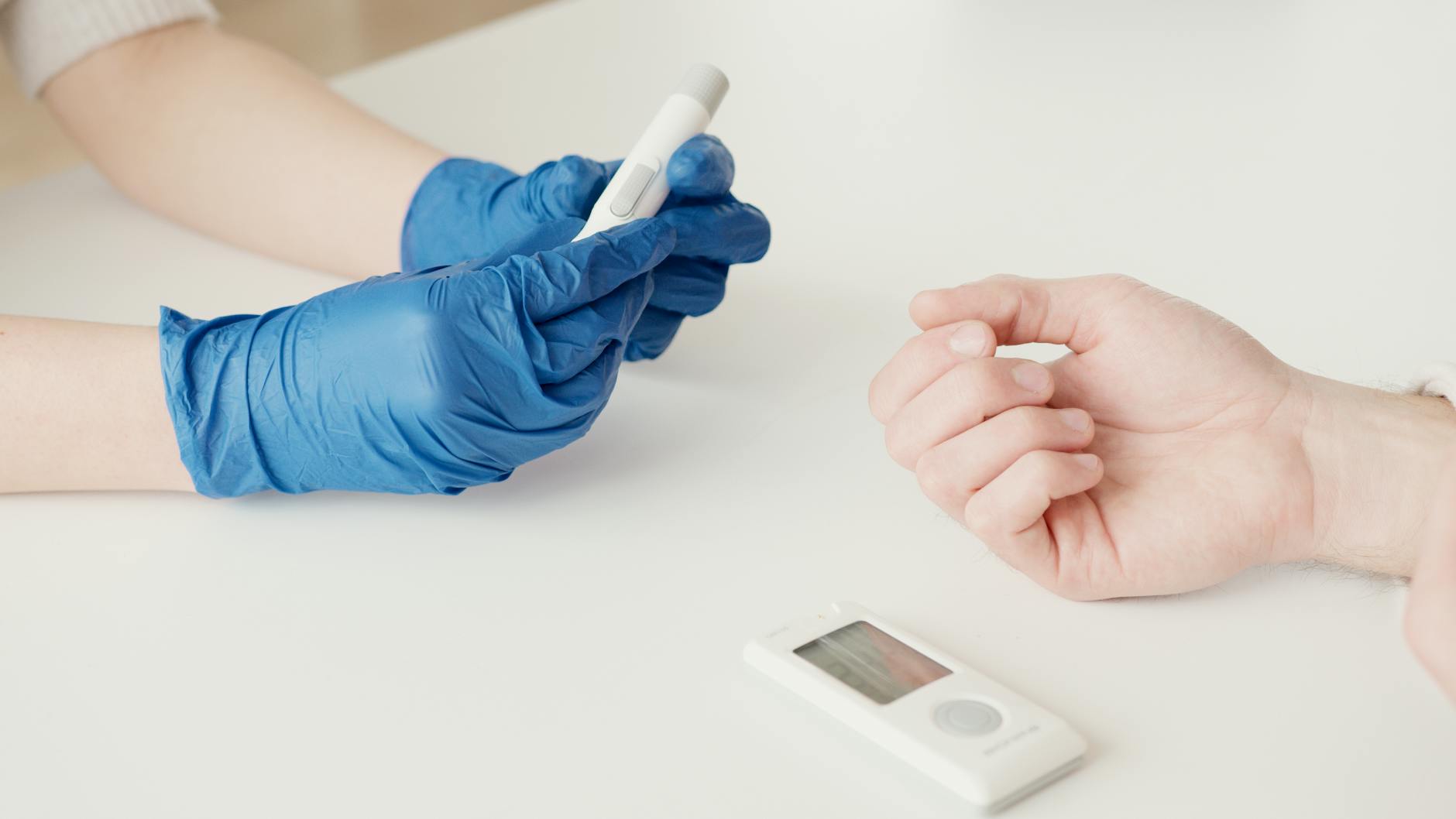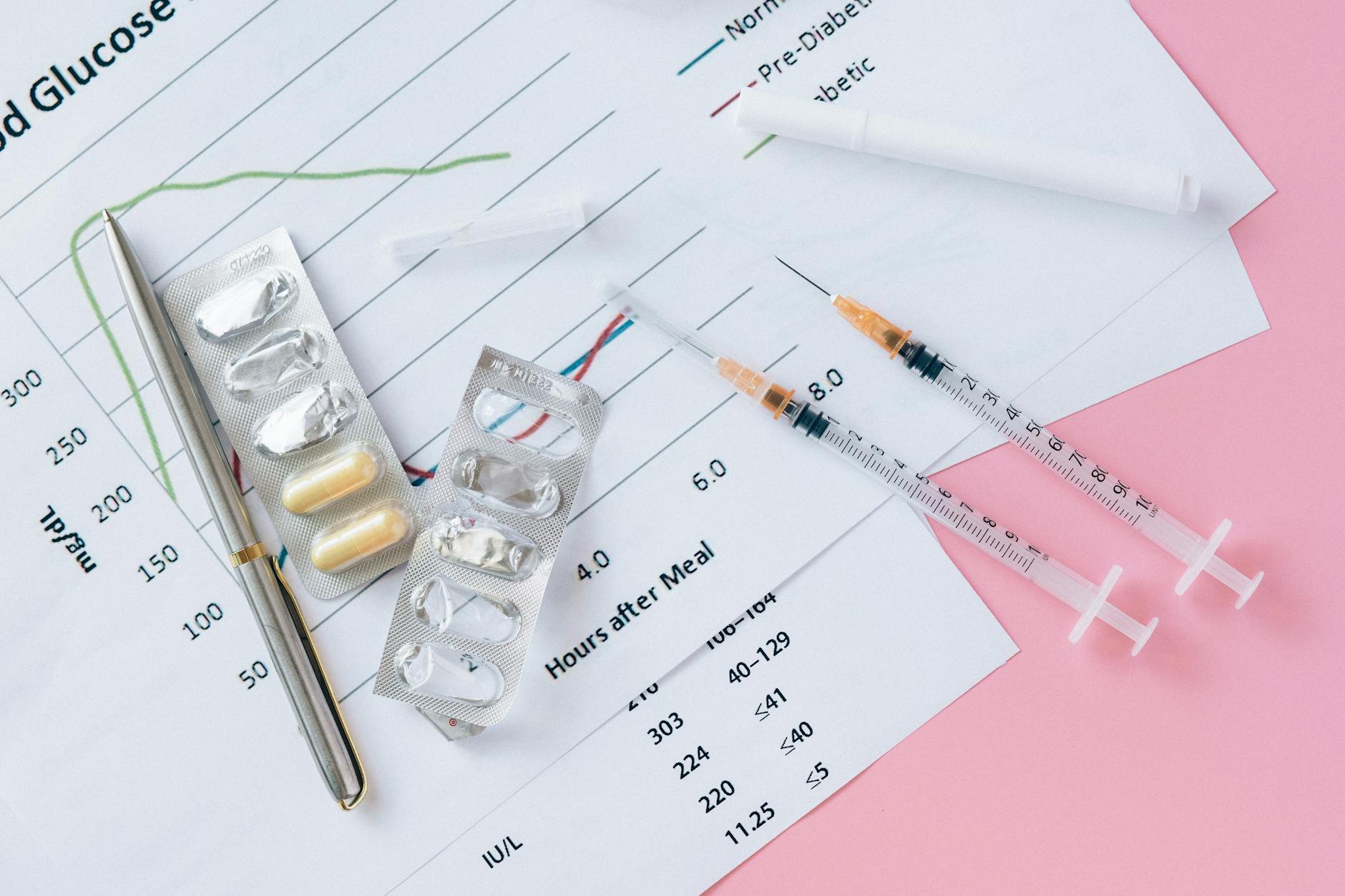
A fasting glucose of 100–125 mg/dL is classified as impaired fasting glucose (prediabetes) by the American Diabetes Association. This range signals that your body is beginning to lose its ability to regulate blood sugar efficiently — but it is also a powerful window for intervention that can prevent or delay progression to type 2 diabetes.
Prediabetes is diagnosed when a fasting blood sugar level falls between 100 and 125 mg/dL, according to the American Diabetes Association (ADA) Standards of Care. This range is clinically termed impaired fasting glucose. It indicates that your pancreas still produces insulin but your cells have become less responsive to it — a state known as insulin resistance. Without intervention, roughly 5–10% of people with prediabetes progress to type 2 diabetes each year. However, structured lifestyle changes — particularly a 7% weight loss and at least 150 minutes of moderate physical activity per week — reduce that risk by 58%, per the landmark Diabetes Prevention Program trial.
- What Prediabetes Actually Means in the 100–125 Range
- Why You Landed in the 100–125 Zone: Root Causes
- Silent Signals: Symptoms You Might Miss
- Diagnosis and Reference Ranges: The Full Picture
- Lowering Your Number: Treatment and Reversal Strategies
- Diet and Lifestyle: What Works Best for Prediabetes
- What Happens If Prediabetes Goes Unchecked
- When to See a Doctor About Your Fasting Glucose
- Frequently Asked Questions
What Prediabetes Actually Means in the 100–125 Range
A fasting blood sugar of 100–125 mg/dL is not a random cutoff. The ADA selected these thresholds based on epidemiologic data showing that people in this range face a sharply elevated risk of progressing to type 2 diabetes compared to those with fasting glucose below 100 mg/dL. The lower boundary, 100 mg/dL, marks the point at which the risk of future diabetes begins to climb in a nonlinear fashion, according to data from the Framingham Offspring Study and the San Antonio Heart Study.
Physiologically, a fasting glucose between 100 and 125 reflects insulin resistance that has progressed enough that the liver begins to overproduce glucose overnight and between meals. In a healthy person, the pancreas secretes a low, steady hum of insulin that signals the liver to stop releasing stored glucose. In prediabetes, muscle and fat cells become less responsive to insulin, so the pancreas must pump out more insulin to compensate. Eventually, the beta cells in the pancreas cannot keep up, and fasting glucose rises above 100.
What the number does NOT mean: A fasting glucose of 112 does not mean you will definitely develop diabetes. It means you have crossed a metabolic threshold where your body's glucose control system is under strain. The term "prediabetes" itself has generated controversy — some clinicians argue it overmedicalizes a risk state — but the consensus from the ADA, the European Association for the Study of Diabetes (EASD), and the International Diabetes Federation (IDF) is that labeling the condition appropriately motivates action.
The Centers for Disease Control and Prevention's 2024 National Diabetes Statistics Report estimates that 98 million U.S. adults have prediabetes — roughly one in three — and more than 84% of them do not know they have it. That lack of awareness is the single biggest barrier to early intervention.
Why You Landed in the 100–125 Zone: Root Causes
Prediabetes does not have a single cause. It emerges from a combination of genetic predisposition, lifestyle factors, and metabolic stressors. Understanding which factors apply to you can guide both prevention and reversal.
Weight and Body Fat Distribution
Excess visceral fat — the deep abdominal fat that surrounds the liver and pancreas — is the strongest modifiable predictor of insulin resistance. A waist circumference above 40 inches in men or 35 inches in women (measured at the level of the iliac crest) is associated with a 3- to 5-fold increase in prediabetes risk, independent of BMI, according to data from the Nurses' Health Study and the Health Professionals Follow-Up Study.
Family History and Genetics
Having a first-degree relative — parent or sibling — with type 2 diabetes doubles your lifetime risk of developing prediabetes. Genome-wide association studies have identified more than 100 genetic loci linked to insulin resistance and beta-cell dysfunction. However, genetics load the gun; lifestyle pulls the trigger. Even with high genetic risk, lifestyle modification reduces progression to diabetes by approximately 50%.
Physical Inactivity and Sedentary Behavior
Prolonged sitting reduces glucose uptake in skeletal muscle by decreasing GLUT4 transporter translocation. A study published in Diabetologia (2022) found that for every additional hour of sedentary time per day, fasting glucose increased by 1.8 mg/dL on average, independent of total physical activity. This means even regular exercise may not fully compensate for 10+ hours of daily sitting.
Dietary Patterns: The Usual Suspects
High intake of refined carbohydrates — white bread, sugary beverages, pastries — and low intake of dietary fiber are the dietary patterns most consistently linked to impaired fasting glucose. The Finnish Diabetes Prevention Study showed that reducing total fat to <30% of calories and increasing fiber to ≥15 g per 1,000 kcal reduced diabetes incidence by 58% among prediabetic adults.
Sleep and Circadian Disruption
Chronic sleep restriction — fewer than 6 hours per night — reduces insulin sensitivity by roughly 20–30% within two weeks, as demonstrated in a landmark randomized crossover study by Buxton et al. (2010). Shift work, sleep apnea, and inconsistent bedtimes all contribute to circadian misalignment, which elevates fasting glucose independently of diet and exercise.
Prediabetes is not caused by eating too much sugar alone — it is a multifactorial condition driven by visceral adiposity, muscle insulin resistance, hepatic glucose overproduction, and often subclinical inflammation. Addressing all four domains yields the best outcomes.
Silent Signals: Symptoms You Might Miss
Prediabetes is famously asymptomatic in its early stages — most people feel perfectly normal until fasting glucose has climbed well into the diabetes range. However, some subtle clues may appear once fasting glucose consistently exceeds 110 mg/dL. These are not "classic" diabetes symptoms (which typically emerge above 180–200 mg/dL) but rather low-grade signals of metabolic stress.
The clinically important bottom line: Do not wait for symptoms. The CDC's 2024 report found that the median fasting glucose at diagnosis among people with prediabetes who were unaware of their condition was 110 mg/dL — meaning most were already well into the 100–125 range without a single symptom. Screening is the only reliable detection method.
Diagnosis and Reference Ranges: The Full Picture
Fasting blood sugar of 100–125 is only one of three laboratory criteria used to diagnose prediabetes. The ADA recommends using any of the following tests, and the diagnosis is confirmed if any single test falls in the prediabetic range:
| Test | Normal | Prediabetes | Diabetes |
|---|---|---|---|
| Fasting Plasma Glucose (FPG) | <100 mg/dL | 100–125 mg/dL | ≥126 mg/dL (confirmed) |
| Oral Glucose Tolerance Test (OGTT, 2-hr) | <140 mg/dL | 140–199 mg/dL | ≥200 mg/dL |
| Hemoglobin A1c | <5.7% | 5.7–6.4% | ≥6.5% |
A single elevated fasting glucose should be confirmed with a repeat test on a separate day, unless the value is ≥126 mg/dL with clear symptoms. Transient elevations can occur due to acute illness, stress, poor sleep, or eating less than 8 hours before the draw. A proper fasting sample requires a minimum 8-hour fast with only water allowed.
Who should be screened? The ADA 2026 Standards of Care recommend screening at age 35 for all adults, regardless of risk factors, and earlier (age 18 or at puberty) in those who are overweight or obese with one or more additional risk factors (family history, hypertension, polycystic ovary syndrome, or high-risk ethnicity such as Black, Hispanic, South Asian, or Indigenous American).
Lowering Your Number: Treatment and Reversal Strategies
The goal of prediabetes management is not merely to prevent the number from crossing 126 — it is to return fasting glucose to the normal range (<100 mg/dL) and maintain it there. Achievement of this goal is often called "remission of prediabetes" and is possible with the right combination of interventions.
Lifestyle Modification: The First-Line and Most Effective Approach
The Diabetes Prevention Program (DPP) — a large, multicenter randomized controlled trial published in 2002 with long-term follow-up through 2024 — showed that a lifestyle intervention targeting 7% weight loss (about 12–15 pounds for a 200-lb person) and 150 minutes per week of moderate physical activity reduced the risk of progressing to type 2 diabetes by 58% compared with placebo. Among participants aged 60 or older, the risk reduction reached 71%.
The DPP intervention used a structured curriculum delivered by a lifestyle coach, with 16 core sessions and monthly maintenance sessions. Notably, the metformin arm in the DPP reduced diabetes risk by 31%, making it less effective overall than lifestyle — but more effective in certain subgroups (younger individuals with BMI ≥35 and women with a history of gestational diabetes).
Pharmacologic Options (When Lifestyle Is Not Enough)
Metformin is the only medication the ADA currently recommends for prediabetes, and it is not approved by the FDA specifically for this indication — it is used off-label. The ADA 2026 Standards of Care suggest considering metformin for prediabetes in patients aged 25–59 with a BMI ≥35, those with a history of gestational diabetes, or those who have not responded to lifestyle intervention after 6 months.
Other glucose-lowering agents — including GLP-1 receptor agonists (semaglutide, tirzepatide), SGLT2 inhibitors, and thiazolidinediones — have shown efficacy in preventing progression from prediabetes to diabetes in trials, but the ADA and the American Association of Clinical Endocrinology (AACE) have not yet endorsed them for routine prediabetes management due to cost, side-effect burden, and lack of long-term outcome data in this population.
Many patients assume that once their fasting glucose drops to 98, they are "cured" and can stop all lifestyle changes. In reality, the underlying insulin resistance persists — glucose returns to normal because the pancreas is working harder. Discontinuing lifestyle habits typically leads to rapid re-elevation of fasting glucose to the prediabetic range within 6–12 weeks.
Diet and Lifestyle: What Works Best for Prediabetes
Not all diets produce the same effect on fasting glucose. The strongest evidence supports dietary patterns that reduce postprandial glucose spikes, lower hepatic glucose output, and promote gradual weight loss.
Which Diet Pattern Has the Best Evidence?
The Mediterranean diet has the strongest and most consistent evidence for reducing fasting glucose and diabetes risk. A 2024 meta-analysis of 52 randomized controlled trials found that a Mediterranean diet lowered fasting glucose by an average of 7.3 mg/dL in prediabetic individuals over 6–24 months. The diet is rich in monounsaturated fats (olive oil, nuts, avocado), legumes, whole grains, vegetables, and fish, and low in red meat and sweets. Its advantage over low-fat and low-carb approaches is sustainability — dropout rates are consistently 20–30% lower than with more restrictive diets.
A realistic week one goal: swap one sugar-sweetened beverage per day for water, add a 10-minute post-dinner walk, and move your bedtime 15–30 minutes earlier. After two weeks, add one more swap (e.g., replace white rice with lentils or chickpeas once per day). Small, sequential changes are more likely to be maintained than an overnight overhaul.
What Happens If Prediabetes Goes Unchecked
Prediabetes is not harmless — it is a stage of active metabolic dysregulation that is associated with end-organ effects long before the diagnostic threshold for diabetes is crossed.
Progression to type 2 diabetes. The annual conversion rate from prediabetes to diabetes is approximately 5–10% per year, according to a 2022 systematic review of 48 studies in The Lancet Diabetes & Endocrinology. Over 10 years, roughly 50–60% of people with prediabetes will develop type 2 diabetes if no intervention is made. The remainder may remain stable or revert to normoglycemia — but spontaneous reversion without lifestyle change is rare (about 2–5% per year).
Cardiovascular risk. A fasting glucose of 100–125 is independently associated with a 20–30% higher risk of cardiovascular events, even after adjusting for BMI, lipids, and blood pressure. The Emerging Risk Factors Collaboration (2010) showed that the relationship between fasting glucose and cardiovascular disease is continuous — risk begins to increase below the diabetes threshold, starting around 95 mg/dL.
Microvascular changes. Early signs of retinopathy and nephropathy have been documented in people with prediabetes. The Diabetes Prevention Program Outcomes Study (DPPOS) found that 7.9% of participants with prediabetes had evidence of retinopathy at baseline on retinal photography, compared to 3.5% in those with normal glucose. Similarly, urinary albumin-to-creatinine ratio is elevated in prediabetes, indicating early kidney stress.
Neurocognitive effects. A 2023 study in Diabetologia linked elevated fasting glucose in the prediabetic range to reduced hippocampal volume and poorer performance on verbal memory tests, suggesting that insulin resistance affects brain glucose metabolism decades before diabetes onset.
When to See a Doctor About Your Fasting Glucose
A single fasting glucose of 100–125 is reason enough to schedule a follow-up appointment. You do not need to wait for symptoms or for the number to climb higher. Here is the specific timeline and action plan the ADA recommends:
While prediabetes alone does not cause a medical emergency, go to urgent care or the emergency department if you experience: unexplained weight loss (10+ lb in 3 months), blurred vision, rapid breathing with a fruity odor on the breath, or persistent nausea/vomiting with extreme fatigue. These can signal that your fasting glucose has climbed into the diabetes range and may be accompanied by diabetic ketoacidosis or hyperosmolar hyperglycemic state.
Frequently Asked Questions
Can I reverse prediabetes permanently?
Yes — "remission" of prediabetes (fasting glucose returning to <100 mg/dL) is achievable through sustained lifestyle changes. The DPP found that 28% of participants who achieved a 7% weight loss and 150 minutes of weekly exercise reversed their prediabetes within 2 years. However, permanence depends on maintaining those changes. Most people who revert to normal glucose and then stop lifestyle interventions see their fasting glucose climb back into the prediabetic range within 12–18 months.
Is 105 mg/dL "bad" or only a little elevated?
A fasting glucose of 105 mg/dL is well within the prediabetes range (100–125) and is associated with a 3- to 4-fold higher risk of progressing to diabetes compared to a fasting glucose of 85 mg/dL. It also carries a 20–25% higher cardiovascular risk. There is no "only a little" category here — the risk gradient is steep and continuous.
Should I check my fasting glucose at home with a glucometer?
Routine home glucose monitoring is not recommended for prediabetes by the ADA or AACE. It may provide insight into how specific meals affect your glucose, but it can also increase anxiety and lead to unnecessary dietary restriction. The better use of a glucometer is to test occasional fasting and 2-hour post-meal samples — not daily puncture. Continuous glucose monitors (CGMs) are increasingly being studied in prediabetes, but as of 2026 neither Medicare nor most insurers cover them for this indication.
Can I drink diet soda if I have prediabetes?
Artificial sweeteners do not raise blood glucose acutely, which makes them preferable to sugar-sweetened beverages. However, emerging evidence suggests that certain non-nutritive sweeteners (sucralose, saccharin, acesulfame K) may alter the gut microbiome in ways that worsen insulin resistance over time, independent of their zero-calorie content. A 2024 randomized controlled trial in Cell found that saccharin and sucralose impaired glycemic responses in healthy volunteers after 2 weeks. The safest bet: water, sparkling water with lemon, unsweetened tea, or black coffee.
How often should I repeat my fasting glucose test if I have prediabetes?
The ADA recommends annual re-screening for people with prediabetes who have not progressed to diabetes — but only if they have not made significant lifestyle changes. If you achieve a ≥7% weight loss and maintain it, your provider may extend the interval to every 2–3 years once your fasting glucose drops below 100. If you start taking metformin, re-check fasting glucose and A1c at 3–6 months to assess response.
- Prediabetes is defined by a fasting blood sugar of 100–125 mg/dL, and it affects roughly 98 million U.S. adults — most of whom are unaware of their condition.
- Lifestyle intervention targeting 7% weight loss and 150 minutes of weekly moderate activity reduces the 3-year risk of progression to type 2 diabetes by 58%, based on the Diabetes Prevention Program (DPP) trial.
- Metformin is the only medication the ADA recommends for prediabetes (off-label), primarily for patients aged 25–59 with BMI ≥35 or a history of gestational diabetes.
- Even within the 100–125 range, cardiovascular and microvascular risk begins to increase — prediabetes is not a benign "pre-condition" but an active metabolic state.
- Remission (fasting glucose <100 mg/dL) is achievable and sustainable with consistent diet, exercise, and sleep habits — but discontinuing lifestyle changes typically leads to rapid recurrence.
Disclaimer: This article is for informational purposes only and does not constitute medical advice. Always consult a qualified healthcare provider before making changes to your treatment, diet, or lifestyle. Individual fasting glucose targets and treatment plans may vary based on your age, comorbidities, medication profile, and personal risk factors.