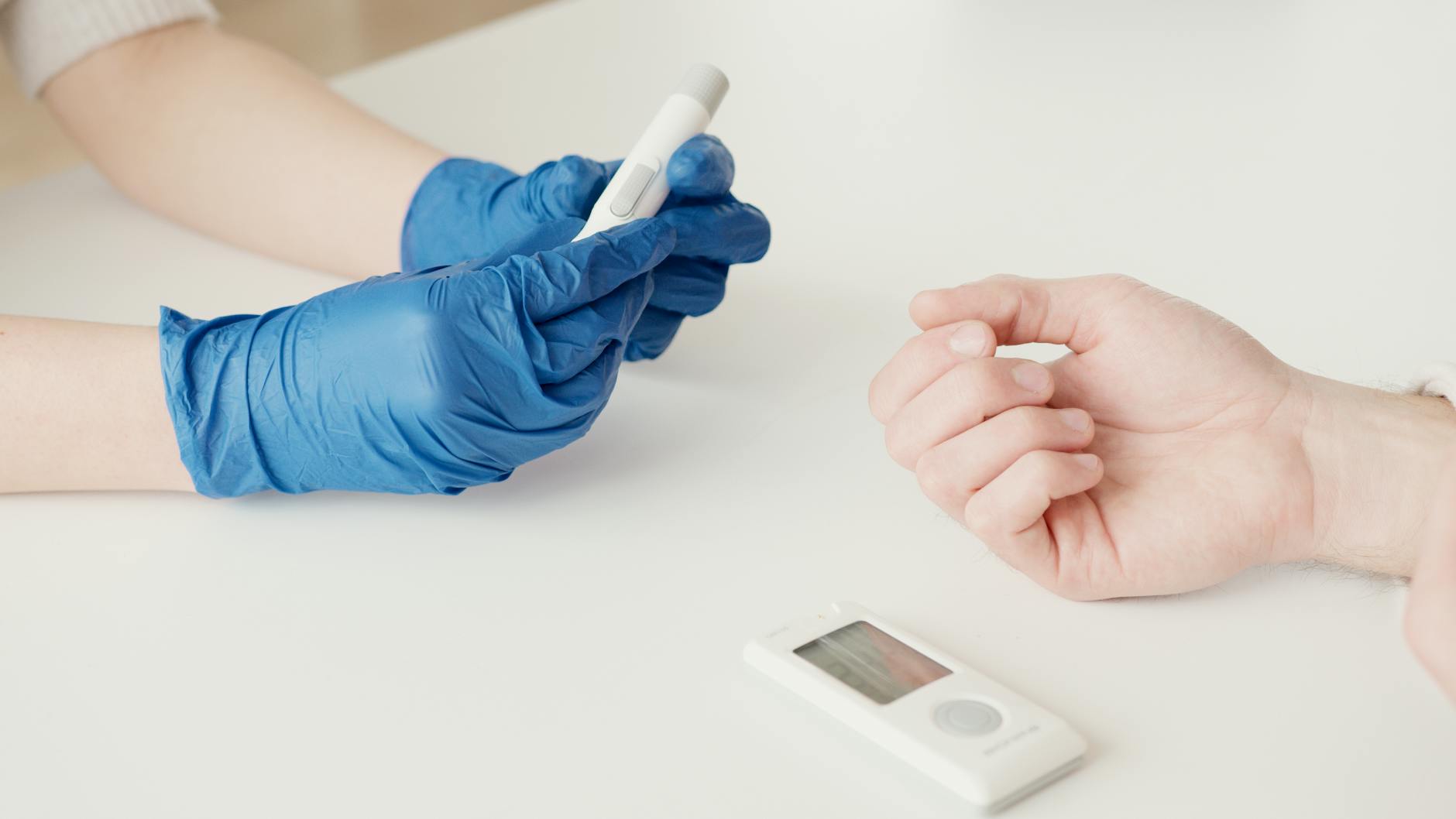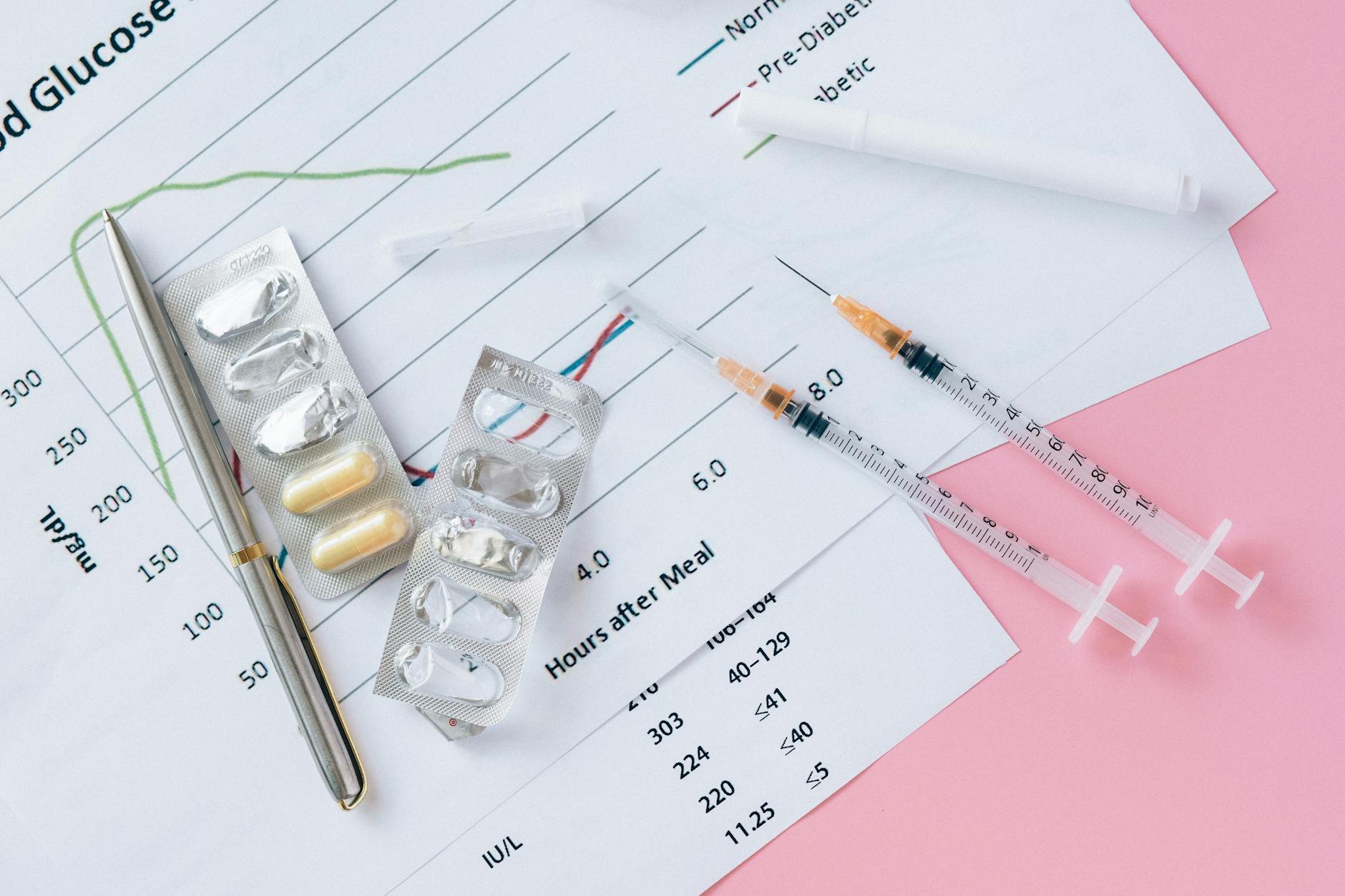
A glucose reading of 500 mg/dL or higher signals a life‑threatening metabolic crisis. Learn the immediate action steps, hospital treatments, and evidence‑based prevention strategies recommended by the American Diabetes Association.
What Is a Blood Sugar 500 Emergency?
A blood glucose level of 500 mg/dL (27.8 mmol/L) is far above the normal range of 70–140 mg/dL and well beyond the typical hyperglycemia threshold of 180 mg/dL. At this level, the body’s ability to use glucose for energy has broken down, leading to two life‑threatening conditions: diabetic ketoacidosis (DKA) and hyperosmolar hyperglycemic state (HHS). The American Diabetes Association defines these as acute metabolic emergencies requiring immediate medical intervention.
DKA most often occurs in type 1 diabetes but can also appear in type 2 during severe stress or illness. HHS is more common in type 2 diabetes and involves extreme hyperglycemia (often >600 mg/dL) without significant ketosis. Both conditions share the hallmark of profound insulin deficiency or resistance, leading to unchecked glucose production and dangerous electrolyte shifts.
Why 500 mg/dL Is a Medical Emergency
When blood glucose hits 500 mg/dL, the kidneys cannot reabsorb all the excess sugar. Glucose spills into the urine, drawing water with it and causing severe dehydration (osmotic diuresis). At the same time, the lack of effective insulin forces the body to break down fat for energy, producing ketone acids that lower blood pH. In HHS, the extreme hyperosmolality causes water to shift out of brain cells, leading to altered mental status and coma.
The following table compares the key features of DKA and HHS:
| Feature | Diabetic Ketoacidosis (DKA) | Hyperosmolar Hyperglycemic State (HHS) |
|---|---|---|
| Typical glucose | 250–600 mg/dL (often >500) | >600 mg/dL (frequently >1000) |
| Serum ketones | Positive (moderate–high) | Negative or trace |
| Blood pH | <7.30 | >7.30 |
| Mental status | Alert to comatose | Stupor or coma common |
| Onset | Rapid (hours) | Gradual (days) |
| Mortality | 1–5% | 5–15% |
“A blood glucose reading above 500 mg/dL, especially with symptoms of nausea, vomiting, or confusion, requires immediate transfer to an emergency department.”
— American Diabetes Association Standards of Care, 2025
Common Causes and Triggers
Several factors can push blood glucose to dangerous levels. Understanding these triggers helps with prevention and early recognition.
Missed or Inadequate Insulin — most common cause of DKA
Skipping insulin doses, insulin pump failure, or using expired/denatured insulin leads to rapid glucose rise. In type 1 diabetes, even a few missed doses can precipitate DKA within hours.
Infection or Illness — stress hormones drive glucose up
Pneumonia, urinary tract infections, gastroenteritis, and sepsis increase cortisol, epinephrine, and glucagon. These counter‑regulatory hormones promote gluconeogenesis and insulin resistance.
Certain Medications — corticosteroids, antipsychotics, SGLT2 inhibitors
High‑dose steroids cause insulin resistance. SGLT2 inhibitors (e.g., canagliflozin) rarely cause euglycemic DKA with glucose below 250 mg/dL, but the risk increases when combined with illness or reduced food intake.
Dietary Overindulgence — large carbohydrate loads without sufficient coverage
Extremely high‑carb meals, sugary drinks, or consumption of “hidden” sugars can overwhelm even adjusted insulin doses.
Red‑Flag Symptoms of a Blood Sugar 500 Emergency
Hyperglycemia at this level is not silent. Learn to recognize these warning signs, which often appear together.
If you or someone with diabetes has a blood glucose reading ≥500 mg/dL AND any of the above symptoms, do not wait. Call 911 or go directly to the nearest emergency room. Do not try to “wait it out” at home.
Immediate Steps to Take (While Waiting for Help)
If you suspect a blood sugar emergency and medical transport is not immediately available, follow these evidence‑informed actions. They are not a substitute for professional care.
Never give extra long‑acting insulin for a high glucose emergency — it will not act fast enough and can cause severe hypoglycemia later. Only rapid‑acting insulin under medical guidance.
Hospital‑Based Treatment Protocols
In the emergency department, the cornerstone of treatment is IV fluids, intravenous insulin, and electrolyte replacement. The 2025 ADA guidelines outline a clear protocol:
- Fluid resuscitation: 1–2 L of 0.9% saline over the first hour, then 250–500 mL/h based on hydration status.
- IV insulin: A continuous infusion of regular insulin at 0.1 U/kg/h after an initial bolus. The goal is to lower blood glucose by 50–70 mg/dL per hour.
- Potassium replacement: Insulin drives potassium into cells, risking hypokalemia. Potassium is added to IV fluids once serum K⁺ drops below 5.3 mEq/L.
- Bicarbonate therapy: Reserved only for severe acidosis (pH <6.9) due to risk of paradoxical CNS acidosis.
Monitoring includes hourly blood glucose, electrolyte panels every 2–4 hours, and continuous cardiac monitoring for arrhythmias. Once the glucose falls to ~200 mg/dL and the patient can eat, the transition to subcutaneous insulin begins.
Glucose <200 mg/dL, pH >7.30, bicarbonate >18 mEq/L, and anion gap normal.
Glucose <300 mg/dL, serum osmolality <300 mOsm/kg, and mental status returned to baseline.
Evidence‑Based Prevention Strategies
While not all hyperglycemic crises can be prevented, the following measures significantly reduce risk:
- Check blood glucose at least 4–6 times daily during illness or stress. Use a continuous glucose monitor (CGM) with alerts for high readings.
- Have a “sick‑day plan” from your endocrinologist. Include rules for extra insulin doses, ketone testing, and when to call the doctor.
- Stay hydrated with water or sugar‑free electrolyte drinks. Dehydration accelerates glucose rise.
- Never stop basal insulin even if you are not eating. This is one of the most common triggers for DKA.
- Treat infections promptly. A mild UTI can push glucose into the danger zone.
Common Myths About High Blood Sugar Emergencies
Many patients in early DKA or HHS feel drowsy but still “okay.” However, ketones accumulate silently, and electrolyte imbalances can cause sudden cardiac arrest. Any reading ≥500 mg/dL warrants immediate medical evaluation.
Hydration helps dilute blood glucose and supports kidney excretion, but without insulin correction, glucose will remain dangerously high. Water alone cannot reverse DKA or HHS.
Self‑treating with large insulin doses risks hypoglycemia, cerebral edema, and severe electrolyte disturbances. In‑hospital monitoring is essential for safe correction.
Frequently Asked Questions
Can a blood sugar of 500 cause death? Yes, without treatment
Untreated DKA or HHS can lead to severe dehydration, electrolyte abnormalities, cerebral edema, and cardiac arrhythmias. With prompt medical care, mortality is low (1–5% for DKA). However, the risk increases significantly in older adults and those with comorbidities.
How long can you survive with blood sugar 500? Hours to days, depending on the underlying condition
In DKA, metabolic acidosis can become life‑threatening within 12–24 hours. In HHS, extreme hyperosmolality may cause coma or multi‑organ failure over several days. Immediate emergency care improves survival dramatically.
Is blood sugar 500 only dangerous for type 1 diabetes? No — also dangerous in type 2
While DKA is more common in type 1, HHS occurs almost exclusively in type 2 and carries a higher mortality. Patients with type 2 can also develop ketosis‑prone diabetes (Flatbush diabetes) and present with DKA.
What should I do if my CGM shows 500 but I have no symptoms? Confirm with a fingerstick and seek care
CGMs can occasionally read higher than actual. Use a blood glucose meter to confirm. Regardless of symptoms, levels ≥500 mg/dL should be discussed with a healthcare provider or evaluated in an emergency department.
When to See a Doctor
Any blood glucose reading of 500 mg/dL or higher demands same‑day evaluation. Do not wait for symptoms to develop. If you have diabetes and experience any of the following, go to the ER immediately:
- Blood glucose ≥500 mg/dL (confirmed by meter)
- Nausea, vomiting, or abdominal pain
- Rapid breathing or shortness of breath
- Confusion, difficulty waking, or unconsciousness
- Moderate/large ketones in urine or blood
A blood sugar of 500 mg/dL is not a “wait‑and‑see” situation. Call 911, notify your endocrinologist, and get to an emergency room. With modern treatment, the vast majority of patients recover fully — but only if they receive care quickly.