Waking up to a glucose reading above target despite fasting all night is confusing — and more common than you think. Here we break down the real reasons behind morning hyperglycemia and what you can do about it.
Yes, morning blood sugar can be high even when you haven't eaten — and it usually comes down to one of three mechanisms: the dawn phenomenon (a natural overnight hormone surge), the Somogyi effect (a rebound rise after a nighttime low), or waning basal insulin. Up to 60% of people with type 2 diabetes and nearly all individuals with type 1 diabetes experience some degree of dawn phenomenon.[1] Identifying your specific pattern with overnight glucose monitoring is the key to fixing it.
- The Dawn Phenomenon — Your Body's Natural Alarm Clock
- The Somogyi Effect — When a Low Becomes a High
- Waning Basal Insulin and Medication Factors
- Late-Night Eating and Macronutrient Timing
- Sleep, Stress, and the Cortisol Connection
- How to Tell the Difference: Testing Strategies
- Treatment and Prevention Approaches
- When to See Your Doctor
- Frequently Asked Questions
The Dawn Phenomenon — Your Body's Natural Alarm Clock
Between roughly 3:00 AM and 8:00 AM, your body orchestrates a carefully programmed hormonal surge designed to help you wake up. The liver releases stored glucose (glycogen), while growth hormone, cortisol, and epinephrine rise to increase insulin resistance in tissues — all to ensure your brain has enough fuel to start the day.[2] In people without diabetes, the pancreas simply releases a matching pulse of insulin to keep glucose steady. But if your beta cells are compromised or your tissues are insulin resistant, that morning glucose rise goes unchecked.
The result: a fasting blood sugar that can be 20–60 mg/dL higher than your pre-bedtime reading, even after 8–10 hours of zero calories. Research indicates that the dawn phenomenon affects approximately 50% of individuals with type 2 diabetes and nearly all those with type 1 diabetes, though the magnitude varies widely.[1]
Key sign of dawn phenomenon: Your blood sugar is normal or near-normal when you go to bed, steadily rises overnight, and is highest when you first wake up — with no dip below 70 mg/dL during the night.
Many people assume morning highs mean they ate too much the night before. While late eating can contribute, the dawn phenomenon is driven by hormones, not calories — you can skip dinner entirely and still see a morning spike.
The Somogyi Effect — When a Low Becomes a High
Named after endocrinologist Michael Somogyi, this phenomenon describes a rebound hyperglycemia that occurs after an episode of asymptomatic nocturnal hypoglycemia. Here is the sequence: while you sleep, your blood sugar drops too low (often below 70 mg/dL), triggering a counter-regulatory flood of glucagon, epinephrine, cortisol, and growth hormone. Those hormones signal your liver to dump stored glucose, often overshooting well above your target range by morning.[3]
The Somogyi effect is less common than the dawn phenomenon — some estimates suggest it accounts for only 5–15% of fasting hyperglycemia cases — but it is dangerous because the patient is unaware of the overnight low, and aggressive pre-breakfast insulin correction can trigger another low cycle.[4]
Key sign of the Somogyi effect: You wake up with a high reading, but a 3:00 AM blood sugar check shows a low reading (below 70 mg/dL). You may also wake up with headaches, night sweats, or a racing heart — though many people have no symptoms at all.
| Feature | Dawn Phenomenon | Somogyi Effect |
|---|---|---|
| Overnight pattern | Steady rise from bedtime to morning | Drop then rebound rise |
| 3:00 AM glucose | Normal or slightly elevated | Low (<70 mg/dL) |
| Cause | Hormonal surge (GH, cortisol) | Rebound from hypoglycemia |
| Night sweats / nightmares | Rare | Possible |
| Management approach | Adjust timing/dose of basal insulin or add evening medication | Reduce evening insulin or adjust bedtime snack |
Waning Basal Insulin and Medication Factors
For people on insulin therapy, morning hyperglycemia often reflects a simple pharmacokinetic problem: the basal insulin you took the previous evening is running out of steam before dawn. Intermediate-acting insulins (like NPH) peak around 4–8 hours and last roughly 12–16 hours — meaning a dose taken at 10:00 PM may be losing potency by 4:00 AM, just when the dawn phenomenon is ramping up.[5]
Long-acting basal insulins (glargine, degludec, detemir) provide more consistent coverage, but dose timing still matters. If your morning glucose is consistently elevated and your bedtime-to-3:00 AM glucose is stable, your basal insulin dose may simply be too low or given too early.
Oral diabetes medications can also contribute. Sulfonylureas (glipizide, glyburide) that wear off overnight, or a missed dose of metformin before bed, can leave you without adequate glucose control during the early morning hours. The American Diabetes Association (ADA) Standards of Care in Diabetes — 2026 recommends that anyone on insulin or sulfonylureas with unexplained fasting hyperglycemia undergo structured self-monitoring of blood glucose (SMBG) including a 3:00 AM check to differentiate between causes.[6]
Late-Night Eating and Macronutrient Timing
While the dawn phenomenon and Somogyi effect are the most common explanations, what you eat before bed plays a supporting role. A large, high-carbohydrate or high-fat meal within two hours of sleeping can prolong gastric emptying and cause a delayed glucose peak that persists into the early morning.[7]
High-fat meals in particular slow stomach emptying and can blunt the early insulin response, creating a "late spike" that shows up on your morning meter even if your pre-bed reading looked fine. Protein-rich meals stimulate glucagon release, which may also promote hepatic glucose output overnight.
Practical rule of thumb: If your pre-bed snack is above 200 calories or contains more than 20 grams of carbohydrate, test 2–3 hours later to see if your glucose has returned to baseline before you sleep. A reading that is still elevated at bedtime frequently carries over into the morning.
If you need a snack before bed, aim for a small, balanced combination: 1–2 tablespoons of almond butter with a celery stick, a handful of almonds, or half a small apple with cheese. Keep total carbs under 15 grams and avoid pure sugar sources.
Sleep, Stress, and the Cortisol Connection
Cortisol — the body's primary stress hormone — follows a circadian rhythm that peaks around 6:00–8:00 AM, naturally increasing insulin resistance at the tissue level. For someone already living with metabolic dysfunction, a cortisol surge that is higher or longer than normal can exaggerate the dawn phenomenon significantly.[8]
Poor sleep quality, sleep apnea, bedtime anxiety, and even a single night of short sleep (fewer than 5–6 hours) can elevate cortisol and growth hormone overnight, raising fasting glucose by 15–30 mg/dL on average. Obstructive sleep apnea is especially potent — studies show that moderate-to-severe OSA is associated with higher HbA1c independent of body weight, and treating OSA with CPAP can improve morning glucose values.[9]
Chronic psychological stress amplifies this effect through sustained activation of the hypothalamic-pituitary-adrenal (HPA) axis, which promotes ongoing hepatic glucose production and reduces insulin sensitivity in muscle and fat tissue.
How to Tell the Difference: Testing Strategies
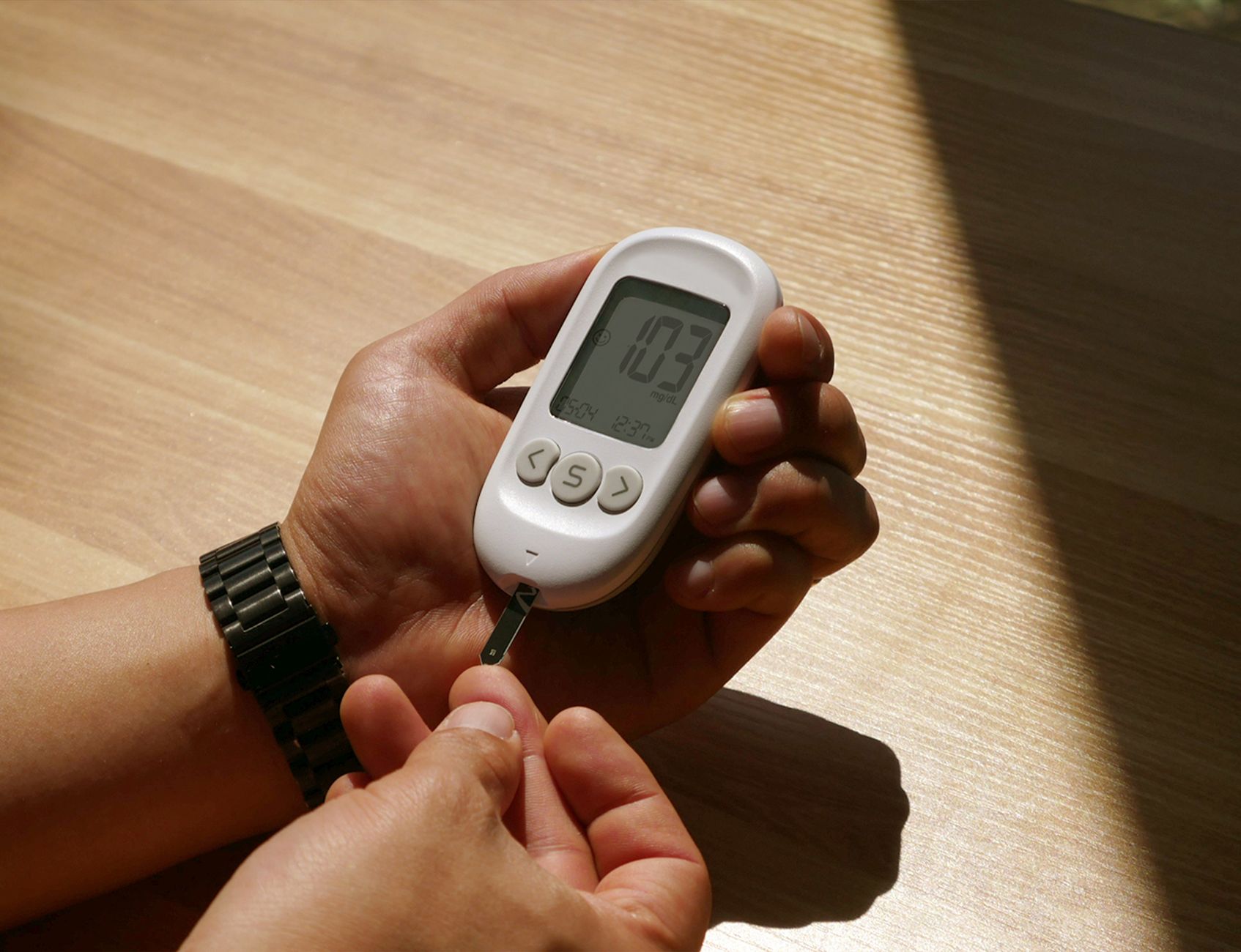
Differentiating between dawn phenomenon, Somogyi effect, and waning insulin requires data. The ADA recommends a structured overnight monitoring protocol for anyone with unexplained fasting hyperglycemia:[6]
Interpret the pattern:
| Pattern | Most Likely Cause |
|---|---|
| Bedtime ≈ normal, 3:00 AM ≈ normal, morning ↑ | Dawn phenomenon |
| Bedtime normal, 3:00 AM ↓ (<70), morning ↑↑ | Somogyi effect |
| Bedtime ↑, 3:00 AM ↑, morning ↑ | Waning basal insulin or late meal effect |
| Bedtime normal, 3:00 AM ↑, morning ↑↑ | Dawn phenomenon + insufficient basal coverage |
If you do not already own a continuous glucose monitor (CGM), ask your provider about one — a CGM gives you the full overnight curve without fingerstick interruptions and makes pattern recognition far easier.
Treatment and Prevention Approaches
Once you know which mechanism is driving your morning high, you and your healthcare team can target the root cause. Here are evidence-based strategies for each scenario:
For dawn phenomenon:
For the Somogyi effect:
For lifestyle contributors:
When to See Your Doctor
Occasional morning highs of 10–20 mg/dL above your target are common and not necessarily a medical emergency. But you should schedule an appointment with your endocrinologist or diabetes care team if you experience any of the following:
If you are not already using a CGM, ask about a prescription. Medicare, most private insurers, and many national health systems now cover CGMs for anyone on intensive insulin therapy or with problematic hypoglycemia unawareness — and the data they provide is often the single most helpful tool for solving morning hyperglycemia.[10]
Frequently Asked Questions
Can I have the dawn phenomenon even if I don't have diabetes?
Yes — everyone experiences a mild dawn phenomenon. In people with normal glucose metabolism, the pancreas releases enough insulin to compensate, so the glucose rise is barely measurable (typically less than 10 mg/dL). But if you have prediabetes or early insulin resistance, that same hormonal surge can push your morning glucose into the prediabetic or even diabetic range. A fasting glucose consistently above 100 mg/dL (5.6 mmol/L) warrants a discussion with your doctor, even if you haven't been diagnosed with diabetes.
What is a normal morning blood sugar range?
The American Diabetes Association recommends a fasting glucose target of 80–130 mg/dL (4.4–7.2 mmol/L) for most adults with diabetes.[6] For people without diabetes, normal fasting glucose is below 100 mg/dL (5.6 mmol/L). Values between 100–125 mg/dL indicate prediabetes, and a reading of 126 mg/dL or higher on two separate occasions is diagnostic of diabetes. Your individual target may differ based on age, hypoglycemia risk, and other medical conditions.
Does coffee affect morning blood sugar?
Yes — black coffee can transiently raise glucose in some individuals. Caffeine stimulates epinephrine release, which promotes hepatic glucose output and can temporarily increase insulin resistance. For some people, a single cup of black coffee can raise fasting glucose by 15–30 mg/dL. If you drink coffee before testing, check your glucose first, then have your coffee. If that pattern is not workable, consider switching to decaf or limiting to one cup — and always check your glucose before caffeine rather than after.
Can exercise before bed lower morning blood sugar?
Evening exercise is a double-edged sword. Moderate aerobic activity (brisk walking, cycling, swimming) performed 2–3 hours before bed can improve insulin sensitivity overnight and reduce the dawn phenomenon peak. However, vigorous or prolonged exercise too close to bedtime (within 90 minutes of sleep) can trigger a counter-regulatory hormone response that actually raises overnight glucose. Additionally, late exercise increases the risk of nocturnal hypoglycemia in people on insulin or sulfonylureas. If you want to exercise in the evening, aim for moderate intensity at least 2 hours before sleep, and check your 3:00 AM glucose the first few times to be safe.
Is it possible to have both dawn phenomenon and Somogyi effect at the same time?
It is uncommon but possible, particularly in people with type 1 diabetes or those on complex insulin regimens. For example, a late-night low (Somogyi trigger) can coincide with the natural dawn hormone surge, producing an exaggerated rebound. This is one reason why a 3:00 AM check alone may not always give you a complete picture — a CGM trace showing the full overnight curve is far more informative in complex cases.
- Morning hyperglycemia without eating is most often caused by the dawn phenomenon (hormonal surge), the Somogyi effect (rebound from a nighttime low), or waning basal insulin — not by something you ate.
- A 3:00 AM blood sugar check (or CGM data) is essential to distinguish between these causes and guide the right treatment adjustment.
- The dawn phenomenon affects an estimated 50% of people with type 2 diabetes and nearly all with type 1 diabetes, but its severity can be reduced through medication timing, sleep optimization, and stress management.[1]
- Poor sleep, sleep apnea, and high bedtime cortisol can amplify the morning rise by up to 30 mg/dL — addressing these factors often improves fasting glucose without medication changes.
- If fasting glucose remains above 180 mg/dL for more than a week despite overnight pattern testing, or if you suspect nocturnal hypoglycemia, consult your healthcare provider for a personalized insulin or medication adjustment.
- American Diabetes Association. "The Dawn Phenomenon in Diabetes: Prevalence and Mechanisms." ADA Professional Reference, 2025.
- Van Cauter E, Polonsky KS, Scheen AJ. "Roles of Circadian Rhythmicity and Sleep in Human Glucose Regulation." Endocrine Reviews, as cited in ADA Standards of Care — 2026.
- Somogyi M. "Exacerbation of Diabetes by Insulin Therapy." Journal of Clinical Endocrinology, 1959 — foundational description of rebound hyperglycemia.
- Cryer PE. "Hypoglycemia-Associated Autonomic Failure in Diabetes." New England Journal of Medicine, 2013. DOI: 10.1056/NEJMra1213540.
- American Diabetes Association. "Pharmacologic Approaches to Glycemic Treatment." Standards of Care in Diabetes — 2026. Diabetes Care 2026;49(Suppl 1):S86–S98.
- American Diabetes Association. "Glycemic Targets and Monitoring." Standards of Care in Diabetes — 2026. Diabetes Care 2026;49(Suppl 1):S62–S78.
- Shukla AP, et al. "The Impact of Food Order on Postprandial Glucose Excursions." BMJ Open Diabetes Research & Care, 2019. DOI: 10.1136/bmjdrc-2019-000837.
- Leproult R, Van Cauter E. "Role of Sleep and Sleep Loss in Hormonal Release and Metabolism." Endocrine Development, 2010. DOI: 10.1159/000262524.
- American Diabetes Association. "Sleep and Glycemic Control." ADA Standards of Care — 2026, Section 5: Facilitating Behavior Change and Well-being to Improve Health Outcomes.
- Centers for Medicare & Medicaid Services. "Continuous Glucose Monitors: Coverage and Coding." CMS.gov, updated 2025.