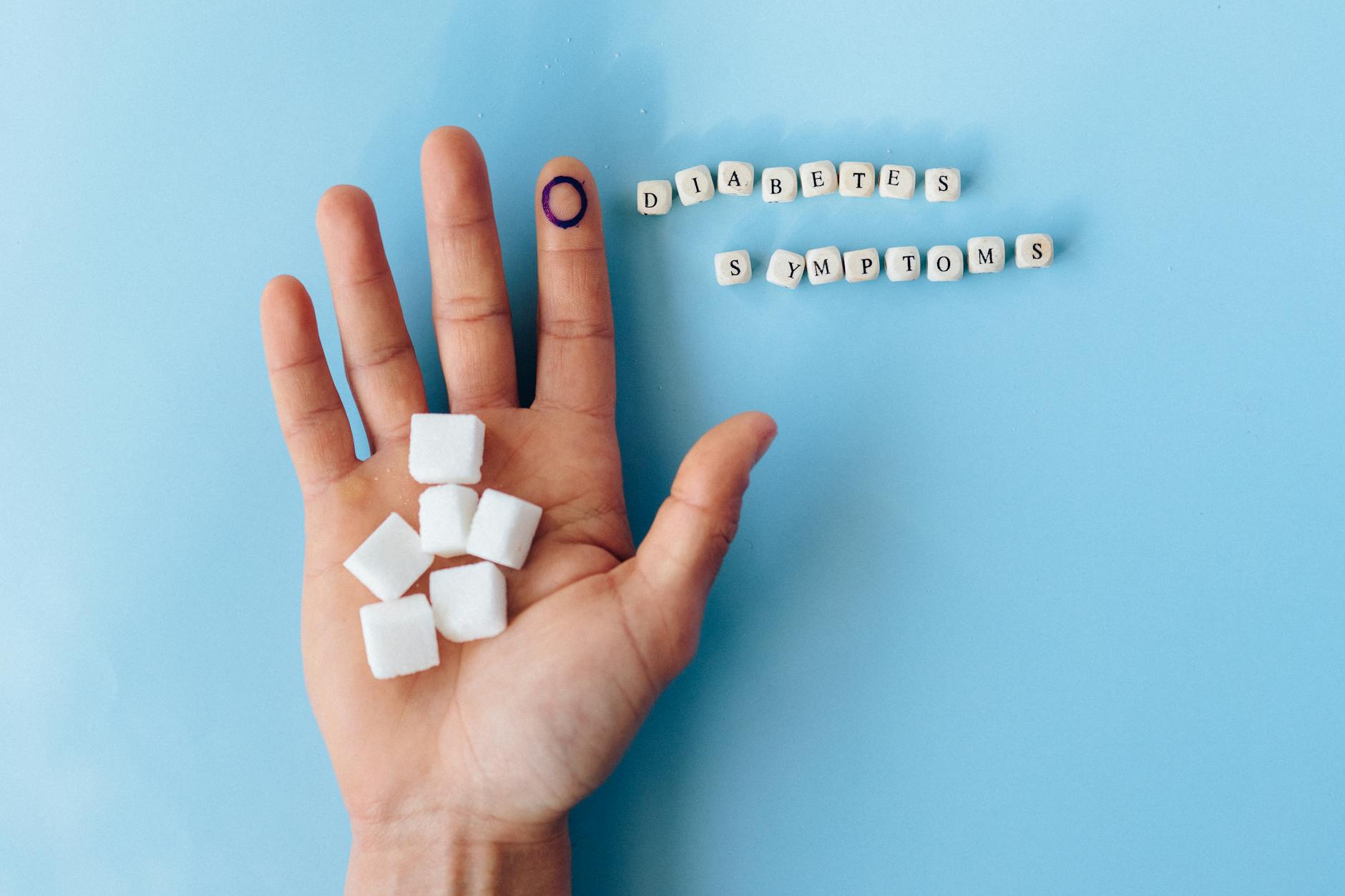
A direct, mechanism-based look at how water affects glucose — and when hydration genuinely moves the meter.
Yes — but indirectly. Drinking enough water lowers blood sugar by correcting dehydration, improving kidney blood flow so excess glucose can be excreted in urine, and replacing sugar-sweetened beverages. Water does not act like insulin, and chugging it will not erase a high-carb meal. For most adults with diabetes, consistent hydration of roughly 2–3 liters of total fluid daily helps stabilize readings over hours and days, not minutes.
- Water and Glucose: A Straightforward Clinical Answer
- Dehydration Raises Glucose — Rehydration Reverses the Trend
- The Kidney's Glucose Escape Valve: When Water Actually Lowers the Reading
- The Thirst Hormone, Vasopressin, and Insulin Resistance
- How Much Water Should You Drink for Glucose Support?
- 6 Hydration Habits That Support Blood Sugar Control
- Where Water Reaches Its Limits
- When Thirst and High Sugar Need Emergency Care, Not More Water
- Frequently Asked Questions
Water and Glucose: A Straightforward Clinical Answer
The honest answer to whether drinking water lowers blood sugar is yes, in three well-defined ways — none of which involves water directly metabolizing glucose. First, water reverses the blood-concentrating effect of dehydration, and dehydration is common in people living with elevated glucose. Second, adequate hydration restores kidney perfusion, allowing the kidneys to filter and excrete glucose more efficiently once blood sugar exceeds the renal threshold. Third, choosing plain water instead of juice, regular soda, or sweetened coffee removes a direct source of carbohydrate — the single most reliable way hydration lowers average glucose.
A useful mental model is to think of blood glucose as a solute dissolved in plasma. If the fluid volume around that solute drops — from vomiting, fever, heat exposure, or the excessive urination caused by high glucose — the same amount of sugar is dissolved in less water, so the concentration measurement rises. Replacing that water lowers the concentration without any change to the total amount of sugar in the body. This is not a laboratory trick: it is real physiology, and it is why hospitals prioritize intravenous fluid before insulin in severe hyperglycemic crises.
What water will not do is mimic insulin, stimulate the pancreas, or force sugar out of cells. A person with type 1 diabetes and near-total insulin deficiency cannot drink their way out of ketoacidosis. Likewise, someone whose glucose is 140 mg/dL after a moderate meal will not see water push that number much lower because the kidney's glucose-clearing mechanism has little to work with at that level. The effect of water is most meaningful when hyperglycemia and dehydration coexist — a situation that becomes more likely as glucose climbs above roughly 180–200 mg/dL.[1]
Dehydration Makes High Blood Sugar Higher — Rehydration Reverses the Trend
One of the most underappreciated feedback loops in diabetes care is this: high glucose causes dehydration, and dehydration then makes glucose readings even higher. When blood sugar exceeds the renal threshold, the kidneys cannot reabsorb all the filtered glucose, so it spills into the urine. Glucose in the urinary tubules osmotically pulls water with it — a phenomenon called osmotic diuresis — producing large volumes of urine. Every liter of urine lost removes glucose, but it also removes sodium, potassium, and free water. Left unchecked, this cycle steadily shrinks plasma volume.
As plasma volume contracts, the blood becomes more concentrated. For someone with a true total body glucose pool that has not changed, a 5–8 percent reduction in plasma volume can increase the measured glucose concentration meaningfully. Mild dehydration also triggers a rise in counter-regulatory hormones including cortisol and catecholamines, which briefly increase hepatic glucose output. For a person already on the edge of control, this can convert a fasting glucose of 115 mg/dL into a reading of 135–145 mg/dL on a day when fluid intake was poor.
Restoring fluid flips this cascade in the opposite direction. Within one to three hours of adequate oral intake, plasma volume expands, blood viscosity falls, and the kidneys receive better perfusion. In hospitalized adults with severe hyperglycemic dehydration, simply administering fluid lowers plasma glucose by several dozen mg/dL before any insulin is given — the effect is measurable, reproducible, and widely exploited in emergency protocols. At home, the milder version of this effect is why people with type 2 diabetes often notice that an afternoon of poor water intake produces a higher next-morning fasting glucose than a well-hydrated day.
The Kidney's Glucose Escape Valve: When Water Actually Lowers the Reading
Your kidneys filter roughly 180 liters of plasma daily, and under normal conditions they reabsorb almost all filtered glucose. The sodium-glucose cotransporters (SGLT2 and SGLT1) in the proximal tubules can only reclaim a finite amount of glucose per minute in most healthy adults — functionally about 180–200 mg/dL worth of filtered load, an idea called the renal threshold. Once the plasma glucose exceeds that threshold, the reabsorptive transporters are overwhelmed, and the excess glucose is left behind in the urine. That glucosuria is the reason a person with untreated diabetes may have urine glucose readings of 1,000 mg/dL or more.
Here is the connection to water: efficient glucose excretion in the urine depends on blood flow to the glomeruli. Dehydration lowers glomerular filtration rate — the kidney literally filters less blood each minute — which reduces the amount of glucose delivered to the renal threshold machinery. The result is less urinary glucose loss, so more sugar stays in the bloodstream. Adequate hydration restores glomerular filtration, delivering a larger filtered load of glucose to the overwhelmed transporters and allowing more of it to escape into the urine. In this sense, water does not merely dilute glucose; it enables an active renal clearance pathway that diabetes medications like canagliflozin and dapagliflozin exploit pharmacologically at much higher capacities.
The important caveat is that this route only works when glucose is already above the renal threshold. If your blood sugar is 110 mg/dL, the kidneys reabsorb 100 percent of filtered glucose, and no amount of extra water will create urinary glucose loss. That is why hydration is best understood as a supportive measure during hyperglycemia — not an acute intervention capable of lowering a normal-range glucose into hypoglycemia. The body's glucose-regulating systems are designed to keep glucose in the blood at all times, and water alone cannot override those protective mechanisms.
The Thirst Hormone, Vasopressin, and Insulin Resistance
There is a subtler, longer-term mechanism connecting water intake to glucose metabolism: the antidiuretic hormone vasopressin, also called arginine vasopressin (AVP). When blood osmolality rises — meaning the blood has become more concentrated because water is low — the brain's hypothalamus releases vasopressin. The hormone tells the kidneys to conserve water, but it does more than that. Vasopressin receptors in the liver stimulate glycogen breakdown and hepatic glucose production. In animal and human research, chronically elevated vasopressin has been associated with impaired insulin secretion, reduced insulin sensitivity, and worsening glucose tolerance over time.
Clinical researchers often measure a stable byproduct of vasopressin called copeptin. Higher copeptin levels are a proxy for chronic activation of the vasopressin system, and multiple observational cohorts have linked elevated copeptin with a higher future risk of prediabetes and type 2 diabetes. People who report low habitual water intake tend to have higher copeptin, while a sustained increase in water consumption suppresses vasopressin release. This suggests that chronic low-grade dehydration may push the body toward insulin resistance through a hormonal pathway that most patients — and even some clinicians — rarely consider.
If this pathway operates in humans as the observational data suggest, then the benefit of drinking water for glucose control may compound over months rather than appearing after a single glass. Maintaining enough fluid to keep vasopressin low is comparable to other lifestyle measures: it does not have the dramatic short-term effect of insulin or metformin, but it removes a background physiologic stressor that makes glucose regulation harder. This is also one reason thirst is an unreliable guide in older adults with diabetes — the sensation of thirst blunts with age, and vasopressin levels can remain high even when a person does not feel noticeably thirsty.
How Much Water Should You Drink for Glucose Support?
The National Academy of Medicine — the body that sets dietary reference intakes in the United States — defines adequate total water intake as roughly 3.7 liters per day for adult men and 2.7 liters per day for adult women.[2] These figures include water from beverages and from moisture in solid food. Because food usually contributes 20–30 percent of that total, the actual amount a person needs to drink is closer to 2.5–3 liters for men and 2 liters for women — about 8 to 12 cups. A person with diabetes who is actively hyperglycemic may need additional fluid to cover the urine losses caused by glucosuria, but that extra requirement varies widely.
People with type 2 diabetes who are following this range often see a meaningful improvement in their fasting readings and in overall systemic comfort, especially when they pair hydration with reduced intake of liquid calories.[3] The table below gives a practical start.
| Population | Practical Total Daily Fluid Goal | Notes |
|---|---|---|
| Adult woman, sedentary | ~2.7 L (≈11 cups) total, including food moisture | Approximately 6–8 cups of plain water/beverages daily |
| Adult man, sedentary | ~3.7 L (≈15 cups) total, including food moisture | Approximately 8–10 cups of plain water/beverages daily |
| Active person / hot climate / glucosuria present | Add 500–1,000 mL or more | Base extra intake on thirst, urine color, and glucose levels |
| Heart failure, advanced CKD, or cirrhosis | Individualized — often 1.5–2 L restriction | Do NOT self-prescribe high-volume water; follow your clinician's fluid limit |
No guideline recommends drinking a fixed number of glasses as a diabetes treatment. Instead, the practical goal is to maintain pale-yellow urine, avoid thirst as a daily state, and consume most beverages as unsweetened options. The Australian Diabetes Society, the ADA, and other national bodies all converge on the same message: hydration must be individualized, and water should replace sugary drinks rather than be added on top of them.
6 Hydration Habits That Support Blood Sugar Control
A rigid “eight glasses a day” rule misses the point. What matters is a pattern — not a single glass before a fingerstick.
A well-hydrated person with type 2 diabetes does not need to obsess over liters. They keep a reusable bottle visible, choose water or zero-calorie beverages at most meals, and let urine color and thirst guide when to drink. Over a week, this pattern tends to produce more stable fasting glucose than any single hydration play performed on the day of a test.
Where Water Reaches Its Limits
Although hydration is foundational, it has boundaries that are frequently oversold on social media. Drinking water does not speed up glucose clearance from the bloodstream by pushing sugar into cells; the kidney route only activates above the renal threshold. For a person with type 2 diabetes whose glucose is typically 140–170 mg/dL, drinking several extra liters each day will not normalize fasting glucose the way metformin or insulin therapy can. Likewise, no form of water in any quantity can compensate for a diet that repeatedly supplies more carbohydrate than the person's insulin system can process.
Some online sources encourage “water flushing” to bring down acute spikes — drinking a liter or more in one sitting immediately after an unhealthy meal. This practice is not supported by evidence and can be counterproductive. A rapid, very large water load dilutes plasma sodium, and if the kidneys cannot excrete the water quickly enough — which can happen in chronic kidney disease, heart failure, or with certain medications — the result is hyponatremia. Mild hyponatremia produces fatigue, nausea, and confusion; severe cases can cause seizures and cerebral edema. The irony is that a person trying to “flush out sugar” may end up in the emergency department with dangerously low sodium, not dangerously low glucose.
Water also has no meaningful effect on insulin resistance in the immediate term. While chronic adequate hydration may lower vasopressin and thus reduce background metabolic stress, a single day of perfect hydration does not reverse insulin resistance, improve beta-cell function, or replicate any available pharmacologic therapy. The most evidence-based framing is this: water is a supportive intervention for glucose control, not a primary treatment for diabetes. Everyone with diabetes should be adequately hydrated, but nobody should be told that hydration can replace HbA1c-lowering medication or insulin.
When Thirst and High Sugar Need Emergency Care, Not More Water
Intense thirst is sometimes a sign that home hydration is insufficient. In certain situations, it signals a medical emergency that requires insulin, IV fluid, and hospital monitoring — not another bottle of water.
Do not delay urgent evaluation while trying to self-correct a severely elevated glucose with fluids. In both diabetic ketoacidosis and hyperosmolar hyperglycemic syndrome, the definitive medical approach is controlled IV fluid replacement plus insulin; attempting to replicate that at home with oral water is neither safe nor effective.
Frequently Asked Questions
If my blood sugar is 250 mg/dL, will chugging water lower it quickly?
Not like insulin does. If you are dehydrated, drinking 500–750 mL over 30–60 minutes can produce a modest, gradual decline over one to three hours as plasma volume expands and the kidneys excrete glucose. The effect is usually 20–50 mg/dL in mild dehydration, not a rapid normalization. If glucose remains high with ketones or vomiting, seek medical care instead of relying on water.
Can drinking too much water cause low blood sugar?
No. Plain water contains no carbohydrates and does not directly lower circulating glucose below the normal homeostatic range. Drinking enormous quantities can cause water intoxication and hyponatremia, but its symptoms — confusion, nausea, headache — are not hypoglycemia and will not be corrected by eating glucose. Keep hydration sensible: roughly 6–10 cups of fluids per day for most adults with diabetes, adjusted for activity, temperature, and kidney function.
Does lemon water or warm water lower blood sugar better than cold water?
No. Neither lemon juice nor water temperature has a meaningful glucose-lowering effect. A small squeeze of lemon adds negligible carbohydrate and some flavor, which can help people drink more water — that indirect benefit is real. But if you are expecting lemon water to act like a botanical glucose-lowering agent, the evidence does not support it. The most valuable change is the beverage substitution itself: replacing a sweetened drink with any form of plain or mildly flavored water removes the incoming sugar load.
Should I drink extra water when my blood sugar is high before bed?
A moderate extra glass — about 250–350 mL — can be reasonable if your evening glucose is elevated and you are not fluid-restricted. It supports overnight kidney perfusion and helps replace fluid lost through glucosuria. Avoid drinking a liter or more right before bed; you will likely wake multiple times to urinate, and disrupted sleep can raise morning glucose through cortisol and growth hormone effects. Hydrate steadily through the day so that nighttime hyperglycemia rarely requires catching up at midnight.
- Drinking water lowers blood sugar indirectly — by expanding plasma volume, improving kidney clearance of glucose, suppressing vasopressin, and replacing sugar-sweetened drinks.
- Dehydration and hyperglycemia form a self-amplifying cycle: glucose causes fluid loss, and fluid loss makes glucose readings concentrate even higher.
- The kidney can only excrete glucose once blood sugar exceeds its reabsorptive threshold (roughly 180–200 mg/dL); below that, water will not force glucose into urine.
- Practical hydration targets are about 2.7 L total water per day for adult women and 3.7 L for adult men — roughly 6–10 cups of actual drinking fluid, with food contributing the rest.
- Chronic low water intake leads to higher vasopressin/copeptin, a hormone pattern linked to insulin resistance and worsening glucose tolerance over time.
- Water cannot substitute for insulin or antihyperglycemic medications; severe hyperglycemia with nausea, vomiting, ketones, or confusion requires emergency evaluation, not oral hydration.
- American Diabetes Association — Standards of Care in Diabetes—2026; sections on glycemic targets, CKD/hyperglycemia management, and lifestyle nutrition.
- National Academy of Medicine (formerly Institute of Medicine) — Dietary Reference Intakes for Water, Potassium, Sodium, Chloride, and Sulfate, 2005.
- Centers for Disease Control and Prevention — Water and Healthier Drinks: replacing sugar-sweetened beverages with plain water.
- Endocrine Society — Clinical Practice Guideline on Evaluation and Management of Hyponatremia (2013).