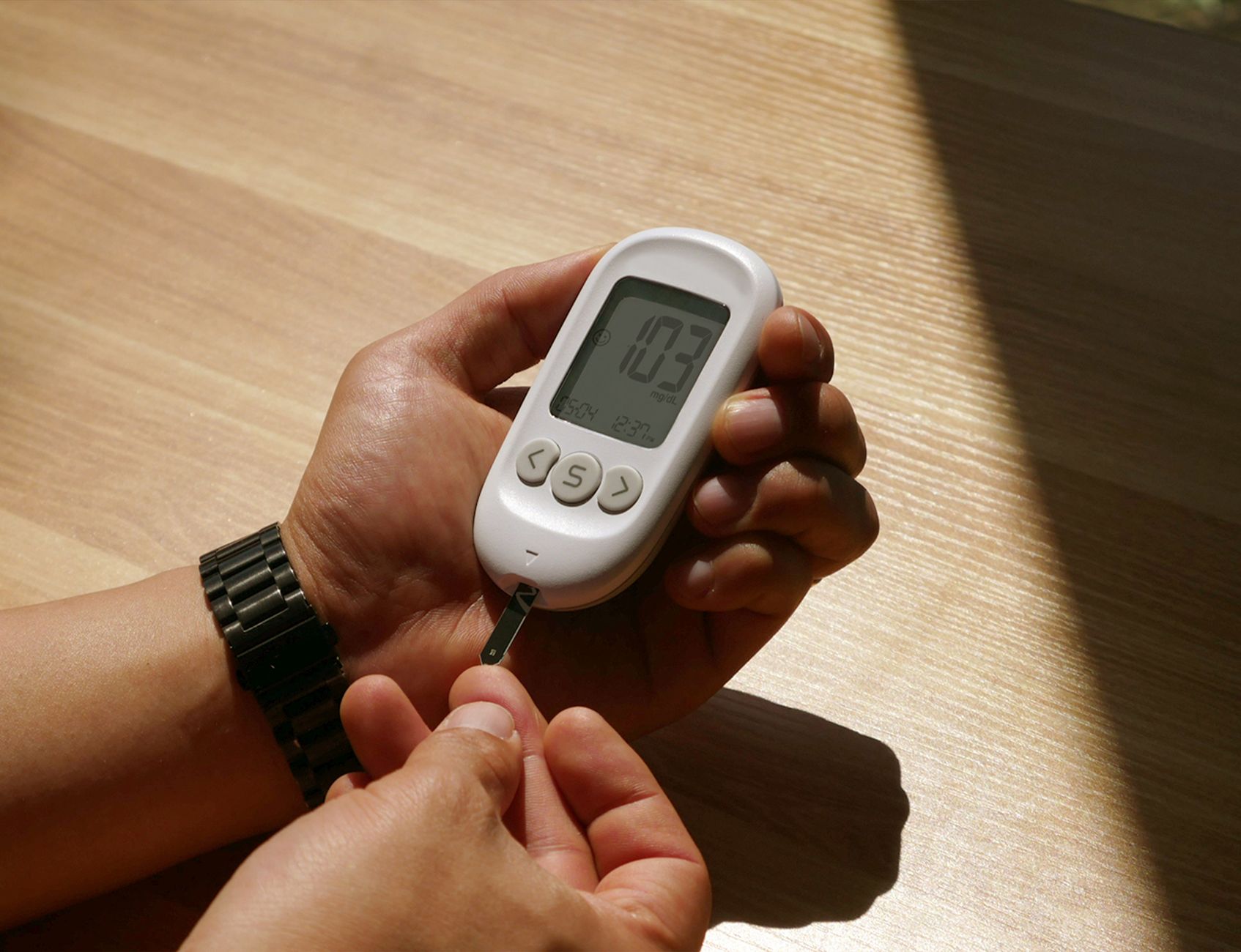
You don't need a 45-minute workout to blunt a glucose spike. The most effective quick-lowering exercise fits into 10–20 minutes and uses large muscle groups to pull sugar out of your bloodstream. These are the highest-evidence moves, ranked, plus a safe step-by-step protocol you can start today.
The best exercise for an acute glucose drop is a short hybrid bout: 3 minutes of bodyweight resistance (chair squats, wall push-ups, standing lunges) followed by a 10–15 minute brisk walk, ideally within 30–60 minutes after a carbohydrate-containing meal. Muscle contraction clears glucose largely without needing insulin, often producing a measurable drop within 20–30 minutes and flattening the post-meal spike over the next two hours.[2]
- Which Exercise Lowers Blood Sugar Fastest? Start Here
- Why Muscle Contraction Does More Than Cardio for Rapid Glucose Control
- Try This 15-Minute “Lower It Now” Protocol
- How Soon Can You Expect the Number to Drop?
- Five Mistakes That Quietly Ruin a Good Glucose Workout
- When to Skip Exercise — and When to Get Medical Help
- Make Movement a Medication: The 2026 Evidence-Based Habit
- Frequently Asked Questions
Which Exercise Lowers Blood Sugar Fastest? Start Here
When your glucose is already climbing, you need movement that recruits the largest possible muscle mass, especially in the legs and glutes, because those muscles consume the most glucose. The seven options below are ranked by reliability and speed of effect. Any one of them beats sitting still; combining two of them beats either alone.
| Exercise | Time Needed | Best For | Key Safety Note |
|---|---|---|---|
| Post-meal brisk walk | 10–15 minutes | Blunting the post-meal spike; nearly everyone | Use walking shoes with proper support if neuropathy is present |
| Chair-squat snack | 3–5 minutes | Office, travel, immediate glucose-control | Use a stable chair; keep your feet flat and knees tracking over toes |
| Stair climbing | 4–8 minutes | Fast leg-strengthening cardio | Hold the railing if balance is uncertain |
| Interval walking | 15–20 minutes | Stronger drop than steady walking | Warm up for two minutes before fast segments |
| Resistance circuit | 8–12 minutes | Largest total muscle recruitment per minute | Do not hold your breath; exhale on exertion |
| Cycling / arm ergometry | 20–30 minutes | Neuropathy, foot ulcers, balance limitations | Start with 5–10 minutes of easy pedaling |
If you can commit only 15 minutes today, the winning combination is bodyweight resistance first — because it rapidly empties muscle glycogen and pulls glucose into muscle — followed by a short walk, which keeps the effect going while your body clears glucose through aerobic pathways.
“Movement is a glucose-lowering agent that does not require a functioning insulin signal to open the door into muscle cells. That is why exercise still works in advanced insulin resistance.”
— Clinical takeaway from ADA physical activity guidance[2]
Why Muscle Contraction Does More Than Cardio for Rapid Glucose Control
Muscle cells are the largest disposal facility for glucose in the human body. When skeletal muscle contracts, it triggers a chain of molecular events that moves GLUT4 transporters to the cell surface, creating a door through which blood glucose can enter the muscle cell. Critically, this contraction-induced glucose uptake does not require insulin at the same level that resting glucose uptake does. Even in a person with severe insulin resistance, contracting muscle can still pull glucose out of circulation.[2]
That distinction explains an observation many patients find confusing: a gentle 10-minute walk can sometimes lower blood sugar more effectively in the moment than a 45-minute slow jog. Slow cardio that does not engage muscle against meaningful resistance produces less GLUT4 translocation per minute than brief resistance exercise. The better acute approach uses moderate-intensity, high-repetition resistance work on large muscle groups, followed by aerobic movement to maintain the effect.
Another reason muscle contraction is underused for rapid glucose control is that people often try to outrun a spike with intense, breathless exercise. That strategy can backfire. Maximal or near-maximal effort releases epinephrine and norepinephrine, stress hormones that tell the liver to release stored glucose. A person with poorly controlled type 2 diabetes or type 1 diabetes can see glucose rise during the first 10 minutes of very intense intervals before it eventually falls. The fastest reliable drop usually comes from moderate exertion at a perceived effort of 5 or 6 out of 10, not from an all-out sprint.
Breaking up prolonged sitting is equally important. Muscle glucose uptake switches off when muscles stay quiet for extended periods, even in active people. Adults with type 2 diabetes who interrupt sitting every 30 minutes with two to three minutes of light walking or simple resistance activities achieve meaningful reductions in post-meal glucose compared with sitting continuously.[2] This means the “best exercise” for a high reading may simply be getting out of the chair that helped create it.
Try This 15-Minute “Lower It Now” Protocol
The following five-step protocol can be done in your living room, at the office, or in a hotel room. It requires no equipment and no gym membership, and it is designed to produce the most reliable acute glucose reduction while minimizing risk. Use it when your glucose is above your target but you do not have warning symptoms or ketones.
A realistic good outcome is not a dramatic 100-point crash. It looks like a person who typically sits on the couch after meals checking their glucose at the two-hour mark, walks for 15 minutes instead, and sees their post-meal rise reduced by roughly one-third — or returns to their pre-meal number sooner than they would have while sitting. Do not chase a specific target in the first week. Chase the pattern: move after eating, check at the same times, and watch the trend improve.
How Soon Can You Expect the Number to Drop?
Muscle contraction begins raising glucose uptake within seconds, but you usually will not see it on a glucose meter for 20 to 30 minutes. That delay surprises many people who check five minutes into a walk and conclude exercise does not work. What actually happens is more complex: contracting muscle immediately begins pulling glucose out of the bloodstream, while the liver simultaneously releases glucose to meet the muscles’ energy demand. During the first few minutes, the meter can appear flat, or even slightly higher, before the muscle-side effect wins.
The size of the drop depends heavily on your starting point. A person starting at 190 mg/dL typically sees a larger absolute reduction than someone starting at 130 mg/dL, partly because higher glucose concentration creates a larger driving gradient into muscle cells. A person who exercises shortly after a high-carbohydrate meal may see only a modest meter drop, because glucose from the meal is still entering the bloodstream at the same time exercise is clearing it. That does not mean the exercise failed — it means the post-meal spike would have been far worse without it.
Expect the clearest effect one to two hours after exercise, when muscle cells are restocking their glycogen stores and insulin sensitivity is elevated. In people with type 2 diabetes, a single session of moderate aerobic or resistance exercise can improve insulin action for 24 to 72 hours.[2] That is why the “exercise snack” approach is so useful: you do not need to wait until your scheduled workout. If you want to lower blood sugar quickly, every hour offers a potential glucose-control window.
If you take insulin or a sulfonylurea, exercise can make hypoglycemia appear later than expected — sometimes 6 to 12 hours after the workout, including overnight. Resistance exercise, in particular, increases insulin sensitivity for the following day. Recheck glucose before bed after an afternoon or evening workout, and ask your clinician whether your medication dose needs adjustment on active days.
Five Mistakes That Quietly Ruin a Good Glucose Workout
Many people try the right exercise and still see disappointing numbers because of one or more fixable errors. These are the most common mistakes we see in clinical practice.
- All-or-nothing thinking. “If I cannot do 30 minutes, I will do nothing” is the single most damaging belief. Three minutes of chair squats and a 10-minute walk meaningfully lower glucose. The best exercise is the one you actually do today.
- Sitting for 60–90 minutes after a meal. The post-meal glucose peak usually arrives 60–90 minutes after eating. If you stay seated through that entire window, muscle glucose uptake remains low and the liver keeps releasing glucose. Move during that window when the peak is forming.
- Confusing a slow stroll with a brisk walk. A gentle stroll at 1.5 mph mainly burns calories; it does not strongly activate leg muscle glucose disposal. Aim for a pace at which your heart rate rises and your breathing becomes deeper but you can still speak in short sentences.
- Rewarding the workout with a sugary snack. Unless your glucose was low before you started or you have hypoglycemia symptoms, you generally do not need to eat after 15 minutes of walking or bodyweight exercise. A high-carbohydrate recovery snack can erase the entire glucose benefit and then some.
- Checking glucose too early. Testing immediately after exercise often shows a disappointing number, especially after high-intensity work. Wait 20–30 minutes, and also check the two-hour mark. The two-hour check is a much better measure of whether the exercise flattened the post-meal curve.
When to Skip Exercise — and When to Get Medical Help
Exercise is not always safe when glucose is high. The danger is not usually the high glucose itself; it is the underlying metabolic state attached to it. People with type 1 diabetes, or anyone with insulin deficiency, can develop ketones when glucose is above 250 mg/dL. Vigorous exercise in that state accelerates ketone production and can trigger diabetic ketoacidosis, a medical emergency. The general rule is: light activity may be acceptable, but strenuous exercise should wait until glucose and hydration improve.
If you have proliferative diabetic retinopathy, a recent eye injection or laser treatment, severe autonomic neuropathy, or known coronary artery disease, ask your clinician before starting a new exercise program. The presence of diabetic complications does not mean you cannot exercise — it means your exercise plan needs to be tailored so it produces glucose benefits without added risk.
Make Movement a Medication: The 2026 Evidence-Based Habit
The exercises above lower glucose in the moment, but the larger goal is to lower your average glucose over weeks and months. The “best exercise” is therefore also the one you can repeat regularly. The ADA’s Standards of Care in Diabetes—2026 continue to recommend that adults with diabetes accumulate at least 150 minutes per week of moderate-intensity aerobic activity, spread over at least three days, and complete two to three resistance training sessions per week on nonconsecutive days.[1]
In addition to aerobic activity, adults with type 2 diabetes should perform resistance exercise at least twice weekly, while people using insulin or insulin secretagogues should be counseled about hypoglycemia risk and exercise timing relative to meals.[1]
A practical way to turn a “quick-lowering” exercise into a lifelong habit is to pair it with something you already do daily: your meals. A 10-minute post-meal walk after lunch and dinner creates 140 minutes of weekly exercise without blocking out gym time. Add two 15-minute resistance circuits on weekend mornings, and you exceed the weekly guideline without ever “going to the gym.”
Do not make the mistake of treating exercise as a substitute for medication. If your glucose is persistently above target despite consistent movement, your medication plan, meal composition, sleep, stress, or illness may need attention. The best outcomes in modern diabetes care come from stacking interventions: medication, nutrition, sleep, stress management, and deliberate muscle contraction.
The best exercise to lower blood sugar quickly is not a single magic move — it is a short, repeated pattern of large-muscle resistance work combined with brisk walking in the hour after meals. For most adults with type 2 diabetes, a 15-minute hybrid routine is enough to produce a meaningful drop. Make it consistent, and it will do even more than provide a fast number: it will improve your insulin sensitivity for days afterward.
Frequently Asked Questions
Why does my blood sugar sometimes go up right after exercise?
High-intensity exercise triggers the release of epinephrine and norepinephrine — stress hormones that signal the liver to release stored glucose. This is a normal physiological response, and it is most noticeable after sprinting, heavy lifting, or any exercise that leaves you breathless. In people with good insulin production, the body quickly clears that extra glucose. In type 1 diabetes or advanced type 2 diabetes, the rise may be larger and last longer. This does not mean exercise is bad for you; it means the intensity may be too high relative to your current fitness or insulin status. A moderate-intensity routine — resistance at perceived exertion 5–6 out of 10 plus a brisk walk — is more likely to produce an acute drop.
Is walking after a meal really better than walking at a random time of day?
For flattening a glucose spike, yes. Post-meal walking directly counteracts the rise in glucose that occurs 60–90 minutes after eating, which is exactly when the post-meal glucose curve peaks. Walking before a meal improves insulin sensitivity during the meal, but if your goal is to lower blood sugar quickly after eating, the timing matters more than the total steps. Start walking within 30–60 minutes after the meal for the strongest effect. Even 10 minutes is worthwhile; 15 minutes is better.
Can I use exercise to avoid starting or increasing diabetes medication?
Exercise can powerfully reduce insulin resistance, and for some people with prediabetes or early type 2 diabetes, consistent exercise combined with nutrition changes can move glucose toward the normal range. However, exercise is not an all-purpose replacement for medication. If your glucose remains above target despite regular movement, delaying needed medication can expose your pancreas and blood vessels to unnecessary glucose toxicity. Think of exercise as medication that you control — but let blood glucose data, not guilt or hope, guide medication decisions with your clinician.
How long does the glucose-lowering effect of one workout last?
Part of the effect is immediate: muscle cells take up glucose during contraction and continue restocking glycogen for one to two hours afterward. A second, longer-lasting effect involves improved insulin sensitivity, which can persist for 24–72 hours after a single session of moderate aerobic or resistance exercise.[2] That is why a single workout improves the next morning’s fasting glucose, and why regular movement spaced across the week is more beneficial than one long weekend workout.
Are high-intensity interval training (HIIT) and sprinting bad for lowering blood sugar?
Not inherently. HIIT improves insulin sensitivity and cardiorespiratory fitness very efficiently, and many studies show meaningful glucose benefits over time. But as an acute, “lower it now” tool, HIIT is less predictable because stress hormones can push glucose up before it comes down. It is also more likely to trigger delayed hypoglycemia in people using insulin or sulfonylureas. If you are physically active and your glucose is well controlled, short intervals can be excellent. If you are sedentary, new to exercise, or currently trying to bring a high reading down, choose moderate resistance plus walking first.
What should I do if my glucose is high every time I wake up?
Morning fasting glucose can be high for several reasons — the dawn phenomenon, insufficient insulin, late-night snacking, or the Somogyi effect after a nighttime low. Before assuming morning exercise will solve it, look at the pattern over several nights. A continuous glucose monitor or bedtime and 3 a.m. checks can help identify whether glucose is dropping during the night and rebounding. Resistance exercise in the afternoon or evening can improve next-morning fasting glucose by increasing overnight insulin sensitivity. Persistently high fasting glucose should be discussed with your clinician — it often requires medication timing adjustments rather than more exercise.
- The best fast-acting exercise combines 3–5 minutes of bodyweight resistance on large lower-body muscles with a 10–15 minute brisk walk, ideally within 30–60 minutes after a meal.
- Muscle contractions move glucose into cells through GLUT4 transporters with less dependence on insulin, which is why exercise can lower glucose even in severe insulin resistance.[2]
- Post-meal walking is the single most evidence-backed quick-lowering intervention for type 2 diabetes and is specifically recommended in current ADA guidance.[1]
- Do not check glucose too early; measurable effects usually appear 20–30 minutes after exercise, with the clearest change seen one to two hours later.
- Skip intense exercise when glucose is above 250 mg/dL with ketones, and treat glucose below 70 mg/dL before starting physical activity.
- Consistency matters more than intensity. At least 150 minutes weekly of moderate aerobic activity plus two to three resistance sessions is the evidence-based long-term target.[1]
- American Diabetes Association. Standards of Care in Diabetes — 2026. Clinical guidance on physical activity and glycemic management. Available at: https://diabetes.org
- American Diabetes Association. Physical Activity/Exercise and Diabetes: A Position Statement of the American Diabetes Association. Published in Diabetes Care. Available at: https://diabetes.org