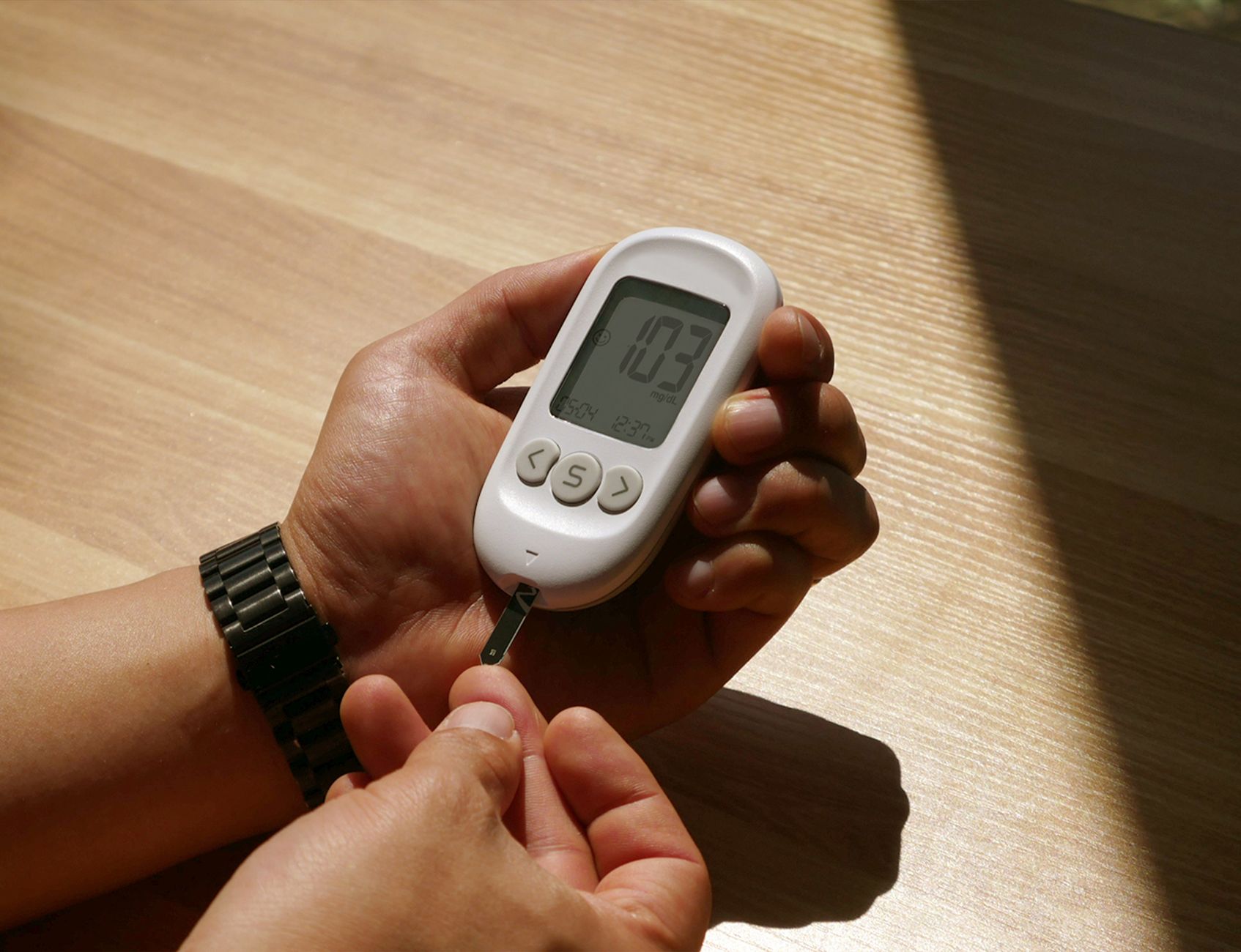
For many people with prediabetes or early type 2 diabetes, food is the most powerful glucose-lowering intervention they have. This practical guide breaks down the dietary changes with the strongest evidence, step by step.
Yes—for many adults with prediabetes or early type 2 diabetes, diet alone can lower A1C by 1–2 percentage points, and in some cases bring A1C below 6.5% without medication. The highest-impact changes: remove sugary drinks and juices, set a fixed carbohydrate budget per meal, fill half of each plate with vegetables, eat protein and fiber before starch, and lose 5–7% of your starting body weight.
- The Diet-Alone Checklist: 8 Changes That Actually Work
- Why Diet Alone Lowers Blood Sugar—and How Far It Can Go
- What a Realistic Timeline Looks Like
- The 30-Day Diet Reset: A Stepwise Roadmap
- 8 Mistakes That Turn “Diet Alone” Into “Diet Failed”
- What “Doing It Right” Looks Like: A Full Day of Glucose-Calm Meals
- When Blood Sugar Doesn’t Respond: Clinical Warning Signs
- Common Diet-and-Glucose Questions, Answered
The Diet-Alone Checklist: 8 Changes That Actually Work
The eight changes below produce most of the glucose-lowering benefit you can get from food. You do not have to adopt all eight in one week—apply them in the order shown, and give each one at least a few days before adding the next.
Why Diet Alone Lowers Blood Sugar—and How Far It Can Go
Medical nutrition therapy—the clinical term for an eating plan designed to manage a condition—lowers A1C by roughly 1–2 percentage points in adults with type 2 diabetes [2]. That is not a “feel good” number. It is comparable in size to the A1C reduction produced by many first-line oral diabetes medications. For someone with an A1C of 7.5%, a 1.5-point drop brings the reading to 6.0%—a dramatic change in real-world risk.
The population-level effect matters too. More than 1 in 10 U.S. adults now lives with diabetes, and roughly 90–95% of those cases are type 2 diabetes [1]. Because most of that burden is driven by insulin resistance and excess body fat, food is not a minor adjunct to treatment—it is central to it.
Two distinct mechanisms explain why diet works. First, reducing total carbohydrate and removing liquid sugar lowers the immediate glucose load entering the bloodstream. Second—and often more important long term—weight loss lowers the fat stored inside the liver and pancreas. That intra-organ fat is what interferes with insulin signaling and impairs insulin secretion. As it comes down, insulin sensitivity improves and the pancreatic beta cells can respond more normally again.
For people with prediabetes, the preventive evidence is strong: structured lifestyle intervention with modest weight loss lowered the rate of progression to type 2 diabetes by roughly 58% in the landmark Diabetes Prevention Program [3]. The eating plan was not extreme; participants reduced calories, cut fat, and increased physical activity, aiming for 7% weight loss. That tells us the magnitude of change needed is realistic—not a fad-level overhaul.
For many nonpregnant adults with diabetes, reasonable glucose targets include an A1C below 7.0%, pre-meal glucose between 80 and 130 mg/dL (4.4–7.2 mmol/L), and peak post-meal glucose below 180 mg/dL (10.0 mmol/L). The ADA emphasizes that eating patterns should be individualized, not dictated by a single “diabetes diet.”
“Diet alone” is not the right strategy for everyone. People with type 1 diabetes, latent autoimmune diabetes of adults (LADA), advanced beta-cell failure, or significant hyperglycemia may need medication alongside food changes. But for a large subset—newly diagnosed type 2, prediabetes, or established type 2 with preserved insulin production—food can do the heavy lifting if the eating pattern actually produces weight loss and consistent carbohydrate control.
What a Realistic Timeline Looks Like
One of the most common reasons people abandon a diet-only approach is expecting too much too soon. Glucose changes happen on different schedules: daily readings can shift within days, while A1C—a 3-month integrated average—moves much more slowly.
| Timeframe | What You May Notice | Best Way to Measure |
|---|---|---|
| 3–7 days | Post-meal spikes shrink once sugary drinks, juice, desserts, and refined snack carbs are removed. Fasting glucose often starts drifting downward. | Fasting glucose and one post-meal reading per day |
| 2–4 weeks | If portions are calibrated for weight loss, fasting readings can fall further. Energy stability and appetite control usually improve. | Weekly average of fasting glucose; body weight trend |
| 3 months | A1C reflects the cumulative change. Diet-driven A1C reductions of 1–2 points are realistic when weight loss and carbohydrate control are sustained. | A1C blood test |
| 6–12 months | With 7–10% total body weight loss, some people with early type 2 diabetes maintain an A1C below 6.5% without glucose-lowering medication—a state the ADA defines as remission. | A1C, fasting glucose, weight, liver enzymes |
Remission is defined as an A1C below 6.5% that is maintained for at least three months after stopping glucose-lowering medication [2]. It is not a permanent cure—it is a state of control that depends on continued weight maintenance and food vigilance. If weight returns, glucose almost always follows.
People who have had diabetes for many years, have lost substantial beta-cell function, or are very insulin-resistant may see meaningful improvements without reaching remission. That is still a success. A fall from A1C 8.9% to 7.1% dramatically reduces the risk of eye, kidney, and nerve complications, even if the A1C never reaches “normal.”
The 30-Day Diet Reset: A Stepwise Roadmap
Knowing what to do is not the same as doing it. This 30-day sequence turns the checklist into a structured plan. It assumes your care team has already agreed that a lifestyle-first approach is appropriate for you.
8 Mistakes That Turn “Diet Alone” Into “Diet Failed”
1. Swapping soda for juice or smoothies. Juice is concentrated fruit sugar without the fiber that normally slows absorption. A single 12-ounce glass of orange juice can contain 30+ grams of carbohydrate and no meaningful fiber.
2. Trusting “sugar-free” ultra-processed snacks. Many sugar-free cookies and bars replace sugar with refined wheat flour, maltodextrin, or sugar alcohols that still raise glucose. Whole food beats “diet food” almost every time.
3. Eating unlimited “healthy” carbs. Brown rice, quinoa, and whole-grain pasta are better choices than white versions, but they still contain carbohydrate. The portion on the plate matters more than the label on the bag.
4. Grazing all day. Six or seven small snacks can keep glucose and insulin elevated around the clock. Most people do better with three structured meals and only one small snack if needed. Let the glucose come down between eating windows.
5. Using evening carbs to “undo” a bad day. Saving the largest carbohydrate load for dinner is one of the least effective patterns for glucose control. Shift the majority of carbs to breakfast and lunch.
6. Cutting carbs but not total calories. Cheese, nuts, olive oil, avocado, and fatty meats are not glucose-neutral when consumed in excess. If weight loss stalls, insulin resistance persists, and glucose stays high. For overweight people with type 2 diabetes, calorie balance is not optional.
7. Testing too rarely to learn. Checking fasting glucose once a week tells you almost nothing about which foods drive your post-meal spikes. Rotate readings after meals so you can identify your personal problem meals.
8. Quitting after two weeks because A1C hasn’t changed. A1C is a 3-month average. Judging a new diet by a two-week A1C is like deciding a savings plan failed after one paycheck. Use daily glucose readings for early feedback and A1C at the 3-month mark for the final verdict.
What “Doing It Right” Looks Like: A Full Day of Glucose-Calm Meals
A glucose-lowering diet does not have to look like a deprivation menu. This sample day shows a realistic pattern: protein at breakfast, vegetables at lunch and dinner, intact grains in controlled portions, and snacks that pair carbohydrate with protein or fat.
| Meal | Example | Why It Works |
|---|---|---|
| Breakfast | 1 cup plain Greek yogurt, ¾ cup raspberries, 2 tbsp chopped walnuts, cinnamon | ~25 g protein and 8–10 g fiber stabilize the morning rise; berries deliver sweetness with far less sugar than juice or dried fruit |
| Lunch | Grilled chicken over 2 cups mixed greens with cucumber, tomatoes, olive oil, and ½ cup chickpeas | Half-plate vegetables create volume; chickpeas add fiber and plant protein without a sharp glucose spike |
| Afternoon snack | 10 baby carrots with ¼ cup hummus | Carbohydrate is paired with fat and fiber, producing a slow, modest rise rather than a spike |
| Dinner | Baked fish, 1½ cups roasted broccoli with garlic, ¾ cup cooked quinoa | Quinoa portion is controlled; half the plate remains non-starchy vegetables, keeping total meal carbohydrate in a moderate range |
| Optional evening snack | 1 hard-boiled egg or ½ cup cottage cheese | Protein-only snack avoids an overnight glucose surge and supports satiety without adding meaningful carbohydrate |
This pattern is not a prescription for every reader—it is an illustration of the principles: consistent portions, fiber at most eating occasions, protein at every meal, and no “naked carbohydrates.” If your post-meal glucose still runs above 180 mg/dL (10.0 mmol/L) on similar meals, reduce the starch portion or redistribute it earlier in the day.
When Blood Sugar Doesn’t Respond: Clinical Warning Signs
Diet alone is not always the right plan. In certain situations, waiting to “see if food can fix it” is not just ineffective—it can be dangerous. These warning signs should trigger a medical visit rather than another round of diet experimentation.
Common Diet-and-Glucose Questions, Answered
How low do I actually need to go on carbohydrates?
There is no universal carbohydrate target—the ADA explicitly notes that eating patterns should be individualized. Some people do well with a moderately low-carbohydrate plan around 100–130 g per day; others need fewer than 50 g per day to see meaningful improvement. What matters most is that your carbohydrate range is consistent and that you check your glucose response to confirm it is working. A very low-carb “keto forever” approach is not required, and it is harder to sustain over years than a moderate, structured plan.
Can diet alone really put type 2 diabetes into remission?
Yes, for a specific subset. Remission is most likely in people who are overweight, have been diagnosed with type 2 diabetes relatively recently, and lose 7–10% or more of their body weight. The ADA defines remission as an A1C below 6.5% sustained for at least three months without glucose-lowering medication. It is less likely but still possible in people who have had diabetes for many years, because long-standing diabetes progressively reduces beta-cell function.
Is a low-carb diet better than a Mediterranean diet for blood sugar?
For most people, the answer is: the best diet is the one you can actually sustain. A Mediterranean-style diet—rich in vegetables, legumes, fish, olive oil, and whole grains—consistently improves glucose control and cardiovascular risk. A well-structured low-carbohydrate diet can lower glucose faster in the short term because it directly reduces the input that raises blood sugar. The bigger clinical differentiator is whether the plan produces lasting weight loss and can be maintained without feeling deprived.
Should I avoid fruit because it contains sugar?
No. Whole fruit contains fiber, water, and polyphenols that blunt the glucose response compared with fruit juice. Berries, apples, pears, and citrus tend to produce smaller glucose spikes than tropical fruits such as mango or pineapple when eaten in the same portion. Keep the portion reasonable—about one cup of berries or one medium apple—and pair it with protein or fat, such as nuts or plain yogurt. Avoid dried fruit and fruit juice, which concentrate the sugar and remove the fiber.
Can a person with type 1 diabetes lower blood sugar with diet alone?
Diet alone is not a safe strategy for type 1 diabetes. Because type 1 involves absolute insulin deficiency, no eating pattern, however careful, can replace the body’s need for exogenous insulin. Food planning absolutely matters—carbohydrate counting and consistent meal structure make glucose management easier—but insulin must always be part of the plan. If you have type 1 diabetes and someone suggests you can stop insulin with a special diet, that advice is dangerous and should be ignored.
Food can lower blood sugar as reliably as a pill—but it works the way medicine works: right dose, right schedule, right duration. The difference is that the “dose” is measured in portions, pattern, and pounds, not in milligrams.
— GlucoHarbor Medical Team
- Medical nutrition therapy can lower A1C by about 1–2 percentage points in type 2 diabetes—comparable to many oral medications.
- The highest-impact dietary levers are removing liquid sugar, setting a consistent per-meal carbohydrate budget, eating protein and fiber before starch, and filling half the plate with vegetables.
- Weight loss of 5–7% can dramatically reduce the risk of progressing from prediabetes to diabetes, and 7–10% may allow early type 2 diabetes remission.
- A1C takes about 3 months to reflect dietary change; daily fasting and post-meal glucose readings provide earlier feedback.
- No single carbohydrate level fits everyone—the ADA recommends individualized eating patterns rather than one universal “diabetes diet.”
- Diet alone is unsafe when type 1 diabetes, severe hyperglycemia, or pregnancy is involved; medication may be necessary even when diet is being followed well.
- Centers for Disease Control and Prevention. National Diabetes Statistics Report. Retrieved from https://www.cdc.gov/diabetes/
- American Diabetes Association. Standards of Care in Diabetes—2026.
- Centers for Disease Control and Prevention. National Diabetes Prevention Program. Lifestyle change program outcomes. Retrieved from https://www.cdc.gov/diabetes/prevention/