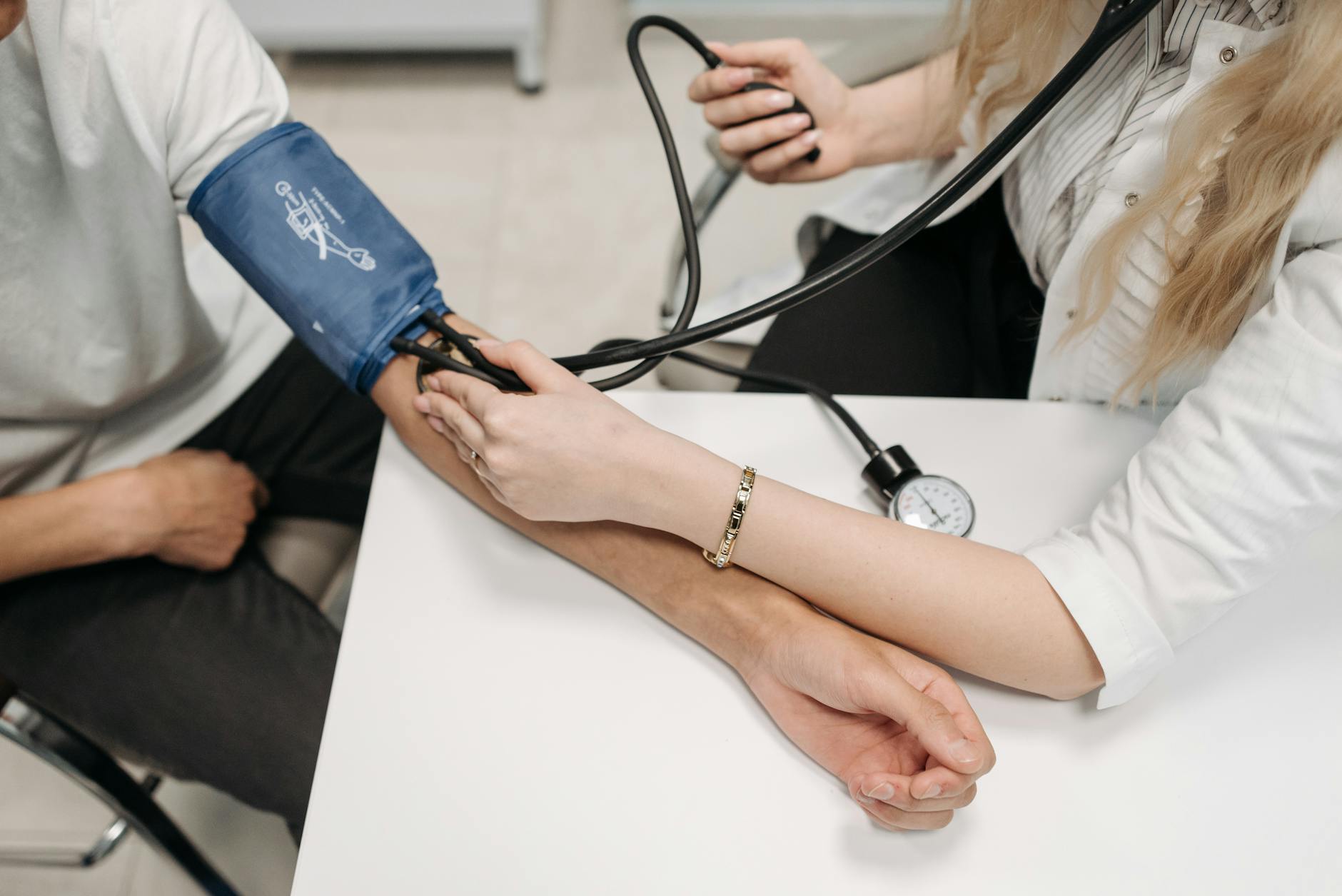
A reading of 180/120 mmHg or higher defines a hypertensive crisis — a medical emergency that requires immediate action. This guide outlines the exact steps to take, symptoms to watch for, and when to call 911.
A blood pressure of 180/120 mmHg is a hypertensive crisis. If you have symptoms such as chest pain, shortness of breath, severe headache, vision changes, confusion, or stroke-like signs, call 911 immediately. Even without symptoms, seek emergency medical care within the next few hours. Do not try to lower it quickly on your own — taking extra blood pressure medication without a doctor's instruction can cause dangerous drops or stroke.
Immediate Action Checklist for 180/120 Blood Pressure
Use this checklist as a quick reference the moment you or someone near you gets a reading of 180/120 or higher. Each item is time-sensitive.
Step-by-Step Protocol for a 180/120 Reading
Follow these steps in order. The first actions determine whether this is a hypertensive emergency (with organ damage risk) or hypertensive urgency (without immediate damage).
Common Mistakes to Avoid When You See 180/120
❌ Taking an extra dose of your regular BP medication. Many patients have a "pill in the pocket" plan only for specific conditions (e.g., atrial fibrillation). For hypertension, too-rapid lowering can trigger a stroke (cerebral hypoperfusion) or heart attack. Never self-adjust without a prior written plan from your doctor.
❌ Trying to "sweat it out" or relax alone. Waiting at home to see if the number drops on its own is dangerous. A hypertensive crisis can evolve into a stroke or heart attack within minutes. The number 180/120 is a hard threshold — treat it as a fire alarm.
❌ Driving yourself to the hospital. If you have any symptoms (headache, dizziness, vision blurring), you may be at risk of losing consciousness behind the wheel. Even without symptoms, anxiety about the reading can impair your driving. Call 911 or a ride service.
❌ Taking aspirin, caffeine, or alcohol. Aspirin may worsen bleeding if you are having a hemorrhagic stroke. Caffeine and alcohol can further raise BP. Stick to water and rest.
❌ Using a wrist or finger BP monitor for verification. These devices are less accurate than upper-arm cuffs. If possible, use a validated arm cuff. If the only monitor you have is wrist-based, take one reading and then go — don't waste time.
What Doing It Right Looks Like: The Correct Response
✅ Recognize the threshold. AHA/ACC guidelines define hypertensive crisis as systolic >180 mmHg and/or diastolic >120 mmHg [1]. Knowing this cutoff is the first step to taking action.
✅ Activate emergency services immediately when symptoms are present. Call 911, inform the operator of the BP reading and symptoms (e.g., "I have chest pain and a BP of 180 over 120"). Stay on the line and keep the person calm.
✅ If alone and symptom-free, arrange safe transport. Do not drive. Use a taxi, rideshare, or ask a neighbor. Tell the ER triage nurse your reading — they may prioritize you even if you feel okay.
✅ Keep a medication list with you. An up-to-date list of all prescriptions, supplements, and over-the-counter drugs (including NSAIDs and cold medicines) helps doctors avoid dangerous interactions.
✅ Follow the post-crisis care plan. After discharge, schedule a follow-up within 1–2 weeks. Home BP monitoring — twice daily, seated, after 5 minutes rest — can catch trends before they become crises again [4].
Symptoms That Signal a Hypertensive Emergency
A hypertensive emergency means the very high blood pressure is already damaging organs — most often the brain, heart, eyes, or kidneys. Any of the following symptoms, combined with a reading above 180/120, warrants an immediate 911 call [3].
| Category | Definition | Action |
|---|---|---|
| Hypertensive Urgency | SBP ≥180 mmHg or DBP ≥120 mmHg, no acute organ damage | ER visit within hours; oral medication adjustment in monitored setting |
| Hypertensive Emergency | SBP ≥180 mmHg or DBP ≥120 mmHg with evidence of acute end-organ damage | Immediate 911 call; IV antihypertensives; hospitalization |
Frequently Asked Questions About 180/120 Blood Pressure
Can a single reading of 180/120 be a false alarm?
It can be inaccurate if the cuff is the wrong size, the arm is not at heart level, or the person was active/stressed right before. However, the safest approach is to sit quietly for 5 minutes and recheck. If it remains at or above 180/120, treat it as real. Do not dismiss a high reading without confirmation — the risk of missing a true crisis is far greater than the inconvenience of an ER visit.
What should I do if I have no symptoms but my BP is 180/120?
Even without symptoms, this is a hypertensive urgency. You should visit an emergency department or urgent care center within a few hours for evaluation. The hospital can check for silent organ damage (e.g., kidney injury) and adjust your medications safely. Do not wait until the next day.
Can I lower my blood pressure quickly at home with natural remedies?
No. At a reading of 180/120, home remedies (deep breathing, garlic supplements, apple cider vinegar) are not reliable or safe. They may delay critical care. Only medical supervision can ensure the BP comes down gradually and without harming vital organs. Once stabilized, lifestyle measures like the DASH diet and stress reduction can help prevent future crises.
What causes blood pressure to suddenly spike to 180/120?
Common triggers include: missing prescribed antihypertensive medication, consuming high-sodium meals or hidden salt, using NSAIDs or decongestants, illicit drug use (cocaine, methamphetamine), uncontrolled sleep apnea, thyroid storm, or renovascular hypertension. Sometimes no clear cause is found. A workup after the crisis often identifies the trigger [2].
How is hypertensive emergency treated in the hospital?
Treatment begins with IV antihypertensives such as nitroprusside, labetalol, or nicardipine. The goal is to lower the mean arterial pressure by no more than 25% in the first hour to avoid hypoperfusion. Once stable, oral agents are resumed. Patients are usually monitored in an intensive care unit for 24–48 hours [3].
Can 180/120 blood pressure cause a stroke?
Yes. Both ischemic stroke (from vessel rupture and clot formation) and hemorrhagic stroke (from bleeding) can result from severe hypertension. The risk is highest when symptoms like headache, weakness, or speech difficulty are present, but even a silent crisis can damage blood vessels over hours. Immediate treatment dramatically reduces stroke risk.
- A blood pressure reading of 180/120 mmHg is a hypertensive crisis — never ignore it.
- If you have any symptoms (chest pain, headache, vision changes, weakness), call 911 immediately.
- Even without symptoms, seek emergency medical care within a few hours.
- Do not take extra medication, aspirin, or home remedies without direct physician instruction.
- At the hospital, doctors will check for organ damage and tailor treatment to lower BP safely.
- After a crisis, home monitoring and medication adherence are essential to prevent recurrence.
- American Heart Association / American College of Cardiology. 2017 ACC/AHA/AAPA/ABC/ACPM/AGS/APhA/ASH/ASPC/NMA/PCNA Guideline for the Prevention, Detection, Evaluation, and Management of High Blood Pressure in Adults. Hypertension. 2018;71:e13–e115.
- Centers for Disease Control and Prevention. Hypertensive Crisis: When You Should Call 911 for High Blood Pressure. CDC.gov. Reviewed 2023.
- Williams B, Mancia G, Spiering W, et al. 2018 ESC/ESH Guidelines for the management of arterial hypertension. European Heart Journal. 2018;39(33):3021–3104.
- National Institutes of Health, National Heart, Lung, and Blood Institute. The DASH Diet and Lifestyle Recommendations for Hypertension Prevention and Management. NHLBI.gov. Updated 2024.
Medical Disclaimer: This article is for informational purposes only and does not constitute medical advice. Always consult a qualified healthcare provider before making changes to your treatment, diet, or lifestyle. If you think you are having a hypertensive emergency, call 911 or your local emergency number immediately.