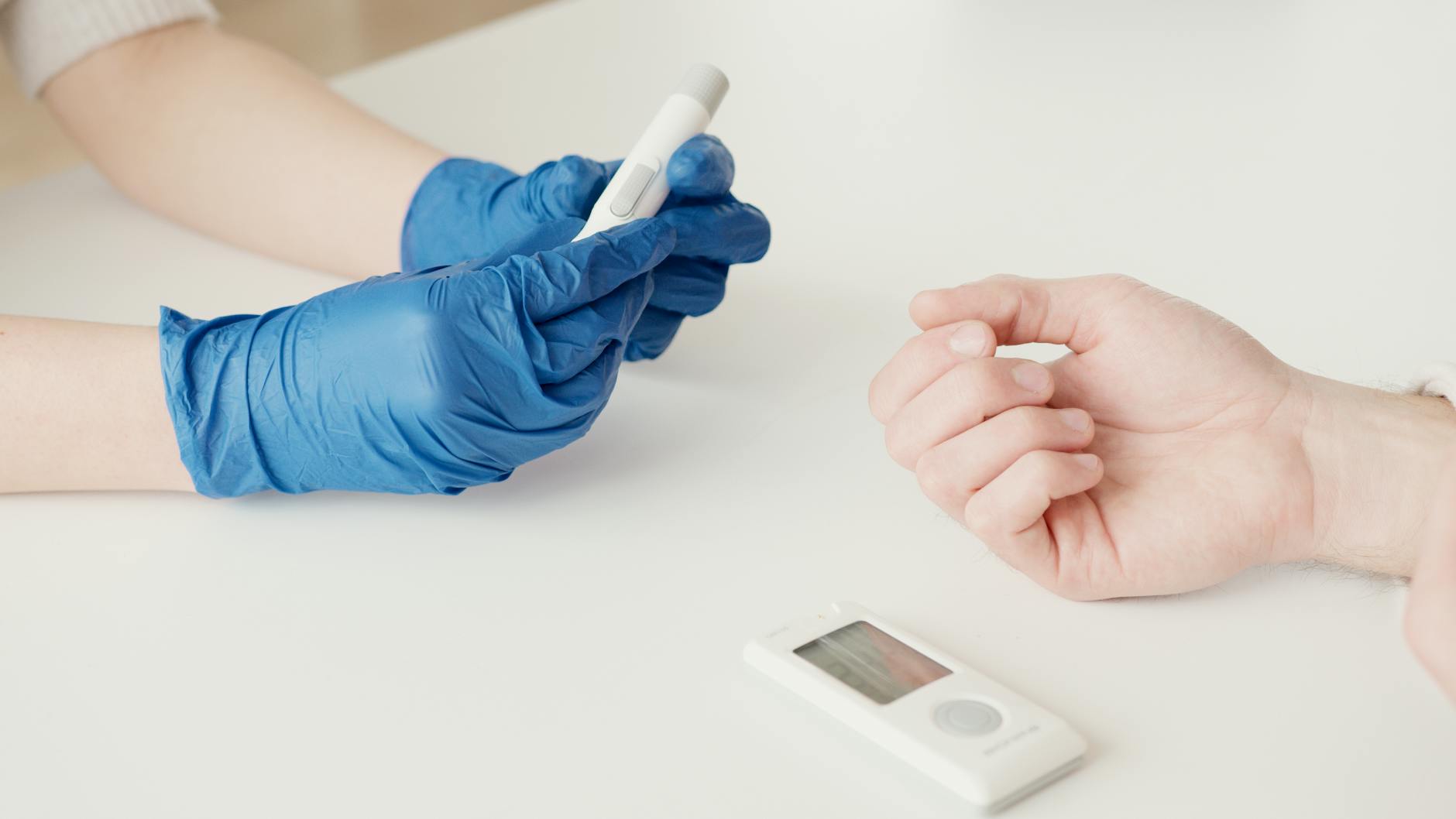
Nearly 1 in 10 US adults has type 2 diabetes, yet many remain undiagnosed. This clinical explainer covers the underlying pathophysiology, modifiable and non-modifiable risk factors, the full symptom spectrum, contemporary diagnostic criteria, and a tiered management approach grounded in the latest standards of care.
Type 2 diabetes is a chronic metabolic condition marked by progressive insulin resistance and declining beta-cell function. The American Diabetes Association recommends a target A1C below 7.0% for most non-pregnant adults, achieved through a combination of lifestyle modification, first-line metformin therapy, and individualized escalation to additional glucose-lowering agents when glycemic goals are not met.
- What Is Type 2 Diabetes? A Clinical Definition
- What Causes Type 2 Diabetes? Risk Factors You Can and Cannot Change
- Recognizing the Symptoms — What the Body Tells You
- How Is Type 2 Diabetes Diagnosed? Tests and Thresholds
- Medical Management and Treatment Options
- Diet, Exercise, and Lifestyle — The Foundation of Care
- Why Managing Type 2 Diabetes Matters: Complications at a Glance
- When Should You See a Doctor?
- Frequently Asked Questions
What Is Type 2 Diabetes? A Clinical Definition
Type 2 diabetes accounts for roughly 90–95% of all diabetes cases in adults [1]. Unlike type 1 diabetes, where the immune system destroys the insulin-producing beta cells of the pancreas, type 2 diabetes involves a dual defect: cells in muscle, liver, and adipose tissue become resistant to insulin's signal, and the pancreas gradually loses its ability to secrete enough insulin to compensate.
The result is sustained hyperglycemia — elevated blood glucose that, over years, damages small and large blood vessels. The condition was once called "adult-onset diabetes," but rising rates among younger populations have made that label obsolete. The Centers for Disease Control and Prevention estimates that 38.4 million Americans — approximately 11.6% of the US population — now live with diabetes, and about 8.7 million of them are undiagnosed [1].
From a metabolic perspective, the disease begins years before diagnosis. During the "prediabetes" phase — defined by the ADA as an A1C of 5.7% to 6.4% — beta cells are already working overtime to overcome resistance. Once they can no longer keep pace, blood glucose rises into the diabetic range.
What Causes Type 2 Diabetes? Risk Factors You Can and Cannot Change
The development of type 2 diabetes is driven by an interaction between genetic predisposition and environmental triggers. No single cause explains every case, but the major contributors cluster into two categories: non-modifiable and modifiable.
Genetics and Family History
Having a first-degree relative with type 2 diabetes doubles to triples your lifetime risk. Genome-wide association studies have identified more than 400 genetic loci associated with diabetes risk, many of which influence insulin secretion, insulin sensitivity, or both. People of African, Hispanic, Native American, Asian American, or Pacific Islander descent carry a higher baseline risk compared with non-Hispanic White populations [2].
Excess Adiposity and Body Composition
Obesity — particularly visceral adipose tissue stored around the abdominal organs — is the single strongest modifiable risk factor. Adipose tissue in excess releases pro-inflammatory cytokines and free fatty acids that directly impair insulin signaling. The ADA notes that a body mass index of 25 kg/m² or higher (23 kg/m² in Asian Americans) significantly increases diabetes risk [2].
Physical Inactivity and Sedentary Behavior
Muscle tissue is the largest consumer of glucose in the body after a meal. Regular physical activity increases GLUT4 transporter expression and improves insulin sensitivity for 24–72 hours after each session. Prolonged sitting, even in people who exercise occasionally, is independently associated with higher fasting insulin and glucose levels.
Dietary Patterns
Diets high in refined carbohydrates, sugar-sweetened beverages, and ultra-processed foods drive postprandial hyperglycemia and weight gain. Conversely, higher intake of fiber-rich vegetables, whole grains, legumes, and unsaturated fats is associated with a lower incidence of type 2 diabetes in large prospective cohorts.
Metabolic and Hormonal Contributors
Conditions such as non-alcoholic fatty liver disease, polycystic ovary syndrome, and metabolic syndrome share overlapping pathophysiology with type 2 diabetes. Chronic low-grade inflammation, oxidative stress, and elevated cortisol levels all compound insulin resistance. Gestational diabetes also confers a 10-fold increased risk of developing type 2 diabetes within 10 years of delivery [2].
Recognizing the Symptoms — What the Body Tells You
Type 2 diabetes is notorious for developing insidiously. Many people experience no overt symptoms for years, and the classic triad — polyuria, polydipsia, and polyphagia — often appears only after glucose levels have been significantly elevated for some time.
The most frequently reported symptoms include:
- Frequent urination, especially at night (nocturia) — excess glucose spills into the urine, drawing water with it
- Excessive thirst — the body's response to fluid loss from osmotic diuresis
- Unintended weight loss — when insulin resistance is severe, cells cannot access glucose and the body breaks down fat and muscle for fuel
- Blurred vision — osmotic changes in the lens caused by fluctuating blood glucose levels
- Slow healing of cuts and bruises — impaired microvascular circulation and altered immune function
- Recurrent infections — vaginal yeast infections, urinary tract infections, and skin infections are common due to glucose-rich tissues that promote microbial growth
- Numbness or tingling in the hands or feet — early sign of diabetic peripheral neuropathy
- Dark, velvety skin patches (acanthosis nigricans) — a marker of severe insulin resistance
Rarely, type 2 diabetes can present with a hyperglycemic hyperosmolar state (HHS), a life-threatening emergency. The warning signs listed below warrant immediate medical attention:
How Is Type 2 Diabetes Diagnosed? Tests and Thresholds
Four laboratory tests are accepted by the ADA for diagnosing diabetes, and abnormal results must be confirmed on a second occasion unless the patient has unequivocal hyperglycemia with acute metabolic decompensation [2].
| Test | Normal | Prediabetes | Diabetes |
|---|---|---|---|
| Fasting Plasma Glucose (FPG) | < 100 mg/dL | 100–125 mg/dL | ≥ 126 mg/dL |
| 2-Hour OGTT (75 g glucose) | < 140 mg/dL | 140–199 mg/dL | ≥ 200 mg/dL |
| A1C | < 5.7% | 5.7% – 6.4% | ≥ 6.5% |
| Random Plasma Glucose (with symptoms) | — | — | ≥ 200 mg/dL |
The A1C test reflects average blood glucose over the preceding 8–12 weeks and does not require fasting, which makes it the most commonly used screening tool in routine practice. However, conditions that affect red blood cell turnover — such as anemia, hemoglobinopathies, or chronic kidney disease — can skew A1C results, and the ADA advises using a direct glucose measurement when discrepancies arise.
Screening is recommended starting at age 35 in all adults with overweight or obesity, and earlier for those with one or more additional risk factors (family history, history of gestational diabetes, PCOS, or high-risk race/ethnicity) [2].
Medical Management and Treatment Options
Treatment for type 2 diabetes follows a stepwise, person-centered approach. The ADA's 2026 Standards of Care emphasize that glycemic targets, medication selection, and intensity of therapy should be tailored to each patient's age, comorbidities, duration of diabetes, and personal preferences [2].
Metformin remains the preferred initial pharmacologic agent for most people with type 2 diabetes. It works primarily by reducing hepatic glucose production and improving peripheral insulin sensitivity. It is effective, weight-neutral or mildly weight-reducing, associated with a low risk of hypoglycemia, and available at low cost. The typical starting dose is 500 mg twice daily, titrated to a maximum of 2,000 mg per day as tolerated.
If A1C targets are not achieved after 3 months of metformin monotherapy, the ADA recommends adding a second agent based on the individual's predominant clinical needs. Common add-on classes include:
- GLP-1 receptor agonists (e.g., semaglutide, dulaglutide, tirzepatide) — enhance incretin signaling, promote insulin secretion, delay gastric emptying, and reduce appetite. Several agents in this class have demonstrated cardiovascular and renal benefit in large outcomes trials.
- SGLT2 inhibitors (e.g., empagliflozin, dapagliflozin) — reduce glucose reabsorption in the kidney, lower A1C modestly, and confer robust cardiovascular and renal protection independent of glycemic control.
- DPP-4 inhibitors (e.g., sitagliptin, linagliptin) — raise endogenous incretin levels and are generally well-tolerated, though they offer less potency than GLP-1 RAs.
- Sulfonylureas (e.g., glimepiride, glipizide) — effective at lowering glucose but associated with weight gain and hypoglycemia; typically used when cost is a primary concern.
- Insulin — introduced when A1C exceeds 9–10% at diagnosis or when oral combination therapy fails to reach target. Basal insulin (often glargine or degludec) is started at 10 units daily and titrated against fasting glucose.
For patients with established cardiovascular disease, heart failure, or chronic kidney disease, the ADA recommends a GLP-1 RA or SGLT2 inhibitor as part of the initial or early regimen — independent of A1C — because of the proven organ-protective effects shown in large randomized controlled trials [2].
Diet, Exercise, and Lifestyle — The Foundation of Care
Lifestyle intervention is not optional in type 2 diabetes management; it is the platform on which all pharmacotherapy rests. The ADA recommends that all adults with diabetes receive individualized medical nutrition therapy (MNT) provided by a registered dietitian [2].
No single "diabetes diet" is mandated. Instead, several evidence-supported eating patterns have been shown to improve glycemic control and cardiovascular risk factors:
- Mediterranean-style diet — high in vegetables, legumes, whole grains, nuts, olive oil, and fish; low in red meat and processed foods. Multiple trials demonstrate A1C reductions of 0.3–0.6%.
- Carbohydrate-conscious approaches — low-carbohydrate and very-low-carbohydrate (ketogenic) diets can produce rapid improvements in glucose and insulin levels, though long-term adherence data remain mixed.
- DASH diet — originally designed for hypertension, the DASH diet also improves glycemic control and lipid profiles.
- Plant-based patterns — vegan and vegetarian diets are associated with lower A1C, lower BMI, and reduced cardiovascular risk when well-planned.
The ADA recommends at least 150 minutes per week of moderate-to-vigorous aerobic activity (e.g., brisk walking, cycling, swimming), spread over at least 3 days, with no more than 2 consecutive days without activity. In addition, 2–3 sessions per week of resistance training (using free weights, resistance bands, or body-weight exercises) are advised to maintain and build lean muscle mass, which improves insulin sensitivity [2].
Combined lifestyle intervention that produces 5–7% body weight loss in overweight or obese individuals has been shown to reduce the risk of progression from prediabetes to type 2 diabetes by 58% in the landmark Diabetes Prevention Program trial — and the effect persists for years after the active intervention ends.
Why Managing Type 2 Diabetes Matters: Complications at a Glance
Chronic hyperglycemia damages both microvascular and macrovascular beds. The good news: intensive glycemic control significantly reduces the risk of microvascular complications, as demonstrated by the UK Prospective Diabetes Study and the Diabetes Control and Complications Trial follow-up analyses.
- Diabetic retinopathy — the leading cause of preventable blindness among working-age adults in the US. Annual dilated eye exams are recommended starting at diagnosis.
- Diabetic nephropathy — persistent albuminuria and declining estimated glomerular filtration rate. Screening with urine albumin-to-creatinine ratio and eGFR is advised at least annually.
- Diabetic neuropathy — affects approximately 50% of people with long-standing diabetes. Sensory loss in the feet increases the risk of ulceration and lower-extremity amputation by 15– to 40-fold.
- Coronary artery disease — adults with diabetes have a 2-to-4 times higher risk of cardiovascular events than those without diabetes.
- Cerebrovascular disease — ischemic stroke risk is elevated 1.5–2 times.
- Peripheral artery disease — contributes to claudication, non-healing wounds, and amputation.
The ADA recommends a comprehensive risk-factor management approach that includes blood pressure control (target <130/80 mm Hg in most adults), lipid management (primarily statin therapy), and antiplatelet therapy in appropriate high-risk individuals [2].
When Should You See a Doctor?
Early detection changes outcomes. The ADA recommends that adults aged 35 and older with overweight or obesity undergo diabetes screening regardless of symptoms [2]. You should also see a clinician promptly if you experience any of the following:
- Persistent thirst and urination lasting more than a few days
- Unexplained weight loss
- Vision changes that come and go
- A wound on your foot that has not started to heal within a week
- Recurrent yeast infections or urinary tract infections
- Numbness, tingling, or pain in your feet or hands
If you already have a type 2 diabetes diagnosis, you should schedule follow-up at least every 3–6 months for glycemic monitoring, and at least annually for comprehensive complication screening — including a dilated eye exam, foot exam, urine albumin test, and electrocardiogram if indicated.
Frequently Asked Questions
Can type 2 diabetes be reversed or cured?
Type 2 diabetes is not considered curable in the conventional sense, but durable remission is possible — particularly in people who achieve substantial weight loss. The DiRECT trial showed that a structured low-calorie diet (825–853 kcal/day for 12 weeks) with ongoing weight-loss maintenance led to diabetes remission (A1C < 6.5% off all glucose-lowering medications) in 46% of participants at 1 year and 36% at 2 years. Remission is most likely in those with shorter diabetes duration and greater weight loss. The ADA now recognizes "remission" as an official clinical state, defined by A1C below 6.5% for at least 3 months without pharmacotherapy.
Is type 2 diabetes inherited?
Genetic predisposition plays a substantial role. Having a parent or sibling with type 2 diabetes increases your lifetime risk by 2–3 times. However, lifestyle factors determine whether that genetic risk becomes expressed. Twin studies suggest heritability of type 2 diabetes is between 30% and 70%, meaning environmental factors are at least as influential as genetics for most people.
Do people with type 2 diabetes always need insulin?
No. Many people with type 2 diabetes achieve target A1C with lifestyle changes and oral or injectable non-insulin medications. Insulin becomes necessary when beta-cell function has declined to the point that endogenous insulin production cannot meet metabolic demands — this happens to a variable degree over time, but some individuals never require insulin if treated early and aggressively with other agents. Insulin is also used temporarily during periods of acute illness, surgery, or pregnancy.
Can you prevent type 2 diabetes if you have prediabetes?
Yes. The Diabetes Prevention Program demonstrated that a structured lifestyle intervention (≥7% weight loss and ≥150 minutes/week of physical activity) reduced the risk of progression from prediabetes to type 2 diabetes by 58% — and by 71% in adults aged 60 and older. Metformin also reduced risk by 31% in the same trial. The CDC's National Diabetes Prevention Program offers a year-long, evidence-based lifestyle change program that is now covered by most health plans [1].
How often should I check my blood glucose at home?
The frequency of self-monitoring depends on your treatment regimen. People using insulin should check at least before meals and at bedtime (and occasionally after meals to guide dosing). Those using only non-insulin medications may benefit from structured testing 2–4 times per week at different times of day to assess patterns, especially when adjusting therapy or identifying hyper- or hypoglycemic trends. Continuous glucose monitors are increasingly used in type 2 diabetes to provide real-time glucose data without fingersticks.
- Type 2 diabetes is driven by insulin resistance and progressive beta-cell decline; it accounts for >90% of diabetes cases and often goes undiagnosed for years.
- Diagnosis is confirmed by fasting glucose ≥126 mg/dL, A1C ≥6.5%, or a 2-hour OGTT value ≥200 mg/dL — all of which require repeat confirmation unless hyperglycemia is unequivocal.
- Metformin remains the first-line pharmacotherapy, with GLP-1 receptor agonists and SGLT2 inhibitors preferred as early add-on agents due to their cardiovascular and renal benefits.
- Lifestyle modification — including ≥150 minutes/week of aerobic activity and a dietary pattern low in refined carbohydrates and high in fiber — is essential for glycemic control and weight management.
- Sustained weight loss of 5–7% can prevent progression from prediabetes to type 2 diabetes; greater weight loss (≥15%) can induce diabetes remission in some individuals.
- Annual screening for complications — including dilated eye exams, urine albumin testing, foot assessment, and comprehensive cardiovascular risk evaluation — is recommended for all adults with established type 2 diabetes.
- Centers for Disease Control and Prevention. National Diabetes Statistics Report, 2024. Atlanta, GA: US Department of Health and Human Services; 2024.
- American Diabetes Association Professional Practice Committee. 9. Pharmacologic Approaches to Glycemic Treatment: Standards of Care in Diabetes—2026. Diabetes Care. 2026;49(Suppl 1):S126–S147.