From normal fasting glucose to A1C targets, hypoglycemia thresholds to post-meal spikes — here is everything you need to know about what healthy blood sugar looks like and when to take action.
Blood sugar (glucose) levels reflect how much sugar is circulating in your bloodstream at any given moment. For most adults without diabetes, a normal fasting blood glucose is between 70 and 99 mg/dL (3.9–5.5 mmol/L), and a normal A1C — a two- to three-month average — is below 5.7%. Fasting glucose of 100–125 mg/dL signals prediabetes, and 126 mg/dL or higher on two separate tests indicates diabetes, per the American Diabetes Association [1]. Keeping blood sugar in a healthy range reduces the risk of cardiovascular disease, kidney damage, nerve injury, and vision loss.
- What Is Blood Sugar and Why It Matters
- Normal Blood Sugar Ranges — What the Numbers Mean
- What Makes Blood Sugar Go Too High or Too Low
- Signs Your Blood Sugar May Be Off — and When It's an Emergency
- How Blood Sugar Is Diagnosed and Monitored
- Managing Blood Sugar — Treatment and Lifestyle That Work
- What Happens When Blood Sugar Stays Out of Range
- When to See a Doctor
- Frequently Asked Questions
What Is Blood Sugar and Why It Matters
Blood sugar — more precisely, blood glucose — is the main sugar found in your bloodstream. It comes from the food you eat, especially carbohydrates, and it serves as the primary energy source for every cell in your body. Your brain alone consumes about 120 grams of glucose per day, making reliable blood sugar regulation non-negotiable for basic cognitive function.
Two hormones govern glucose balance: insulin, which lowers blood sugar by ushering glucose into cells, and glucagon, which raises blood sugar by signaling the liver to release stored glucose. In a healthy person, these two work in a tightly coordinated loop. When that loop breaks — because the pancreas does not produce enough insulin, or cells become resistant to insulin's signal — blood sugar drifts outside its normal band.
Why should you care? Because sustained high blood sugar (hyperglycemia) damages blood vessels and nerves over time, driving heart disease, kidney failure, blindness, and amputations. Sustained low blood sugar (hypoglycemia) starves the brain of fuel, causing confusion, loss of consciousness, and, in extreme cases, death. Knowing your numbers and what they mean is the single most effective step you can take to prevent both trajectories.
Normal Blood Sugar Ranges — What the Numbers Mean
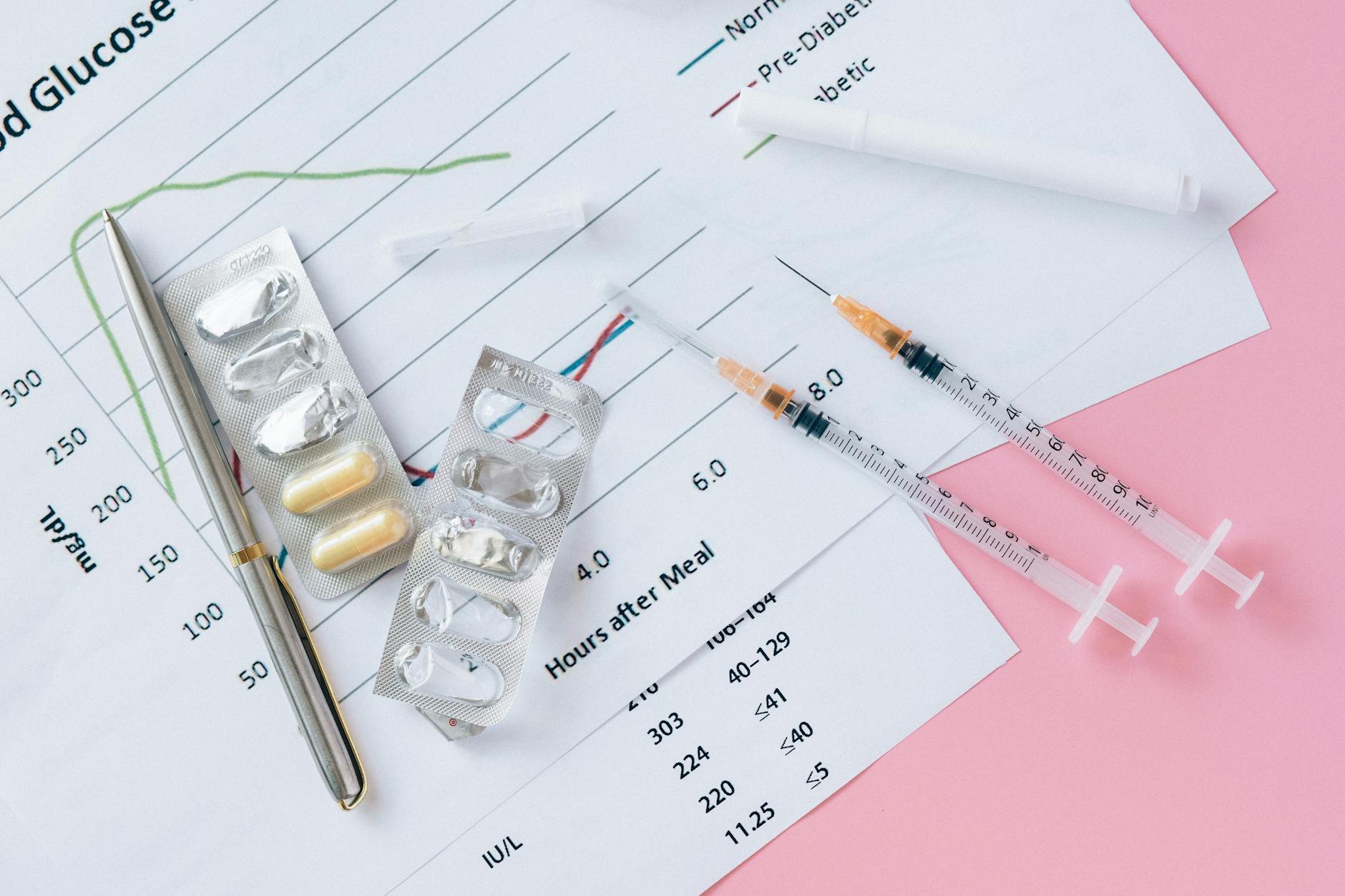
Blood sugar targets differ depending on when you measure — fasting versus after a meal — and whether you have diabetes. The table below summarizes the standard thresholds used by the American Diabetes Association (ADA) and the World Health Organization (WHO) [1][2].
| Category | Fasting Glucose (mg/dL) | 2 Hours After a Meal (mg/dL) | A1C (%) |
|---|---|---|---|
| Normal | 70–99 | Below 140 | Below 5.7 |
| Prediabetes | 100–125 | 140–199 | 5.7–6.4 |
| Diabetes | 126 or higher | 200 or higher | 6.5 or higher |
| Hypoglycemia (low) | Below 70 | Below 70 | N/A |
A few important nuances. A single high fasting reading does not automatically mean diabetes — illness, stress, or a poor night's sleep can temporarily elevate glucose. Diagnosis requires confirmation with a second test on a different day, or a combination of tests (fasting glucose plus A1C plus an oral glucose tolerance test). For pregnant individuals, the thresholds for gestational diabetes are stricter: a fasting glucose of 92 mg/dL or higher is considered elevated [3].
For people already diagnosed with diabetes, the ADA recommends a target A1C of less than 7.0% for most non-pregnant adults, with individualized goals based on age, life expectancy, and risk of hypoglycemia [1]. Some older adults or those with multiple health conditions may have a less stringent target, such as below 8.0%.
What Makes Blood Sugar Go Too High or Too Low
Blood sugar does not fluctuate randomly. Specific physiological and lifestyle factors drive it up or down, and understanding those drivers is essential for control.
Causes of high blood sugar (hyperglycemia)
Hyperglycemia occurs when glucose builds up in the bloodstream faster than the body can clear it. Common triggers include:
- Insulin deficiency or resistance — the root cause in type 1 and type 2 diabetes
- High-carbohydrate meals — especially refined carbs and sugary drinks that spike glucose rapidly
- Physical inactivity — muscles that are not contracting do not take up glucose efficiently
- Stress hormones — cortisol and adrenaline raise glucose as part of the fight-or-flight response
- Illness or infection — the immune response releases counter-regulatory hormones that elevate blood sugar
- Missed or insufficient diabetes medication — insulin or oral agents must match carbohydrate intake
- Certain medications — corticosteroids, some diuretics, and certain antipsychotics can raise glucose
The ADA defines severe hyperglycemia as blood glucose above 250 mg/dL, which may require medical attention if accompanied by ketones [1].
Causes of low blood sugar (hypoglycemia)
Hypoglycemia is generally defined as a blood glucose below 70 mg/dL. In people without diabetes, it is relatively rare; in those taking insulin or sulfonylureas, it is a common and serious risk. Triggers include:
- Excess insulin or diabetes medication — too much relative to food intake or activity
- Delayed or skipped meals — especially after taking rapid-acting insulin
- Unplanned or prolonged exercise — muscles burn through glucose stores
- Alcohol consumption — alcohol inhibits the liver's ability to release glucose
- Certain medical conditions — liver disease, kidney failure, adrenal insufficiency, and insulinoma
- Weight-loss surgery — can cause reactive hypoglycemia due to rapid gastric emptying
Severe hypoglycemia (below 54 mg/dL) is a medical emergency requiring immediate treatment with fast-acting glucose or glucagon [4].
Signs Your Blood Sugar May Be Off — and When It's an Emergency
The body sends clear signals when blood sugar strays from the healthy range. Learning to recognize them early can prevent progression to a crisis.
Symptoms of high blood sugar (hyperglycemia) develop gradually — over hours or days — and include frequent urination, excessive thirst, blurred vision, fatigue, unintentional weight loss, and slow-healing cuts or infections. If blood sugar rises above 250 mg/dL, some people, especially those with type 1 diabetes, may develop diabetic ketoacidosis (DKA), a life-threatening condition marked by nausea, vomiting, abdominal pain, rapid breathing, and a fruity odor on the breath.
Symptoms of low blood sugar (hypoglycemia) come on fast — within minutes — and include shakiness, sweating, rapid heartbeat, anxiety, hunger, irritability, dizziness, and confusion. Below 54 mg/dL, the brain begins to function poorly; slurred speech, visual disturbances, seizures, and loss of consciousness can follow [4].
How Blood Sugar Is Diagnosed and Monitored
Four main tests are used to assess blood sugar status. Each answers a slightly different question.
| Test | What It Measures | When It's Used |
|---|---|---|
| Fasting Plasma Glucose (FPG) | Blood sugar after at least 8 hours without food | Initial screening and diagnosis |
| Oral Glucose Tolerance Test (OGTT) | Blood sugar 2 hours after drinking a 75-gram glucose solution | Diagnosis of prediabetes, diabetes, and gestational diabetes |
| Hemoglobin A1C | Average blood sugar over the past 2–3 months | Diagnosis and ongoing monitoring |
| Random Plasma Glucose | Blood sugar at any time of day | Symptomatic screening |
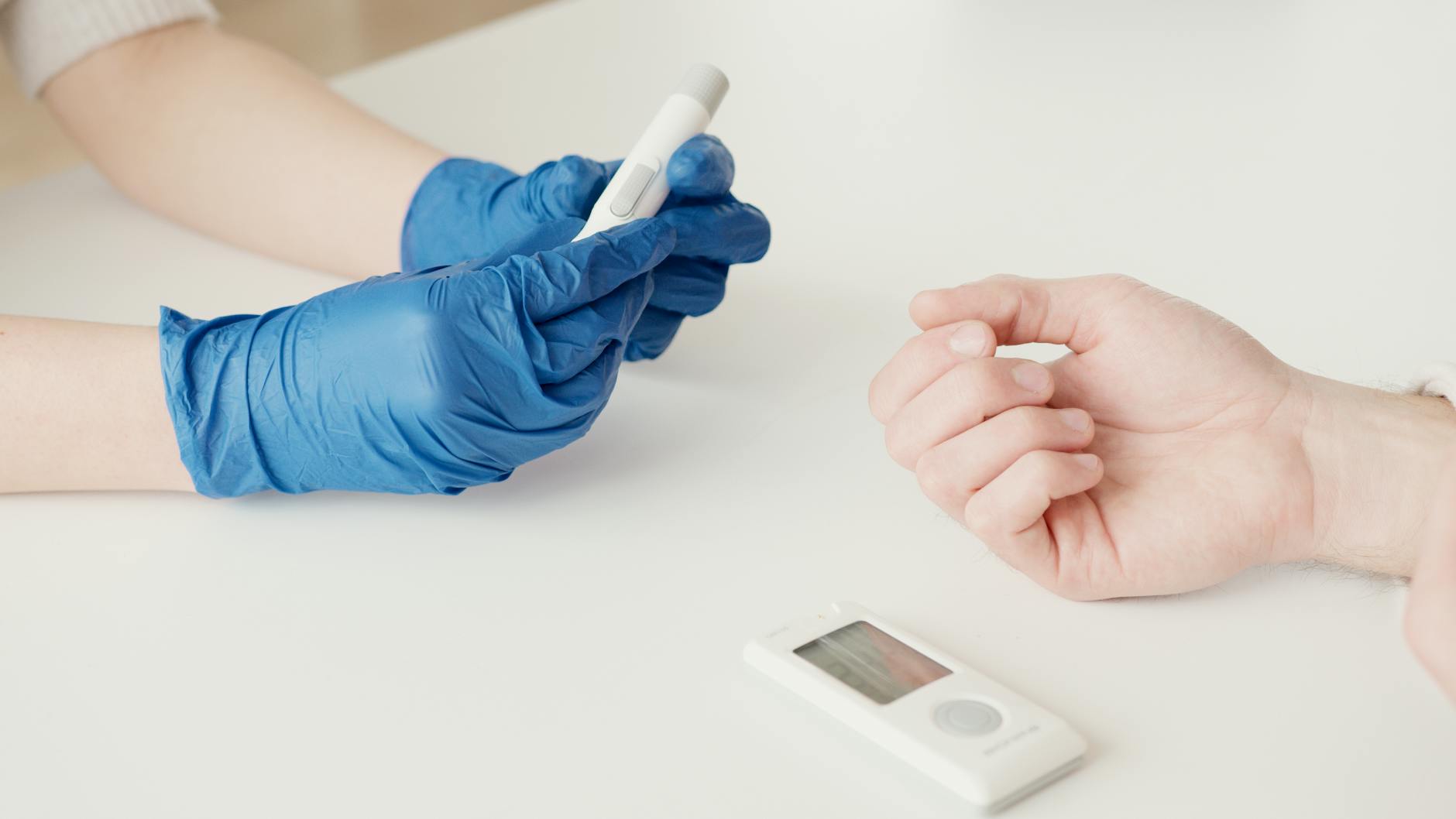
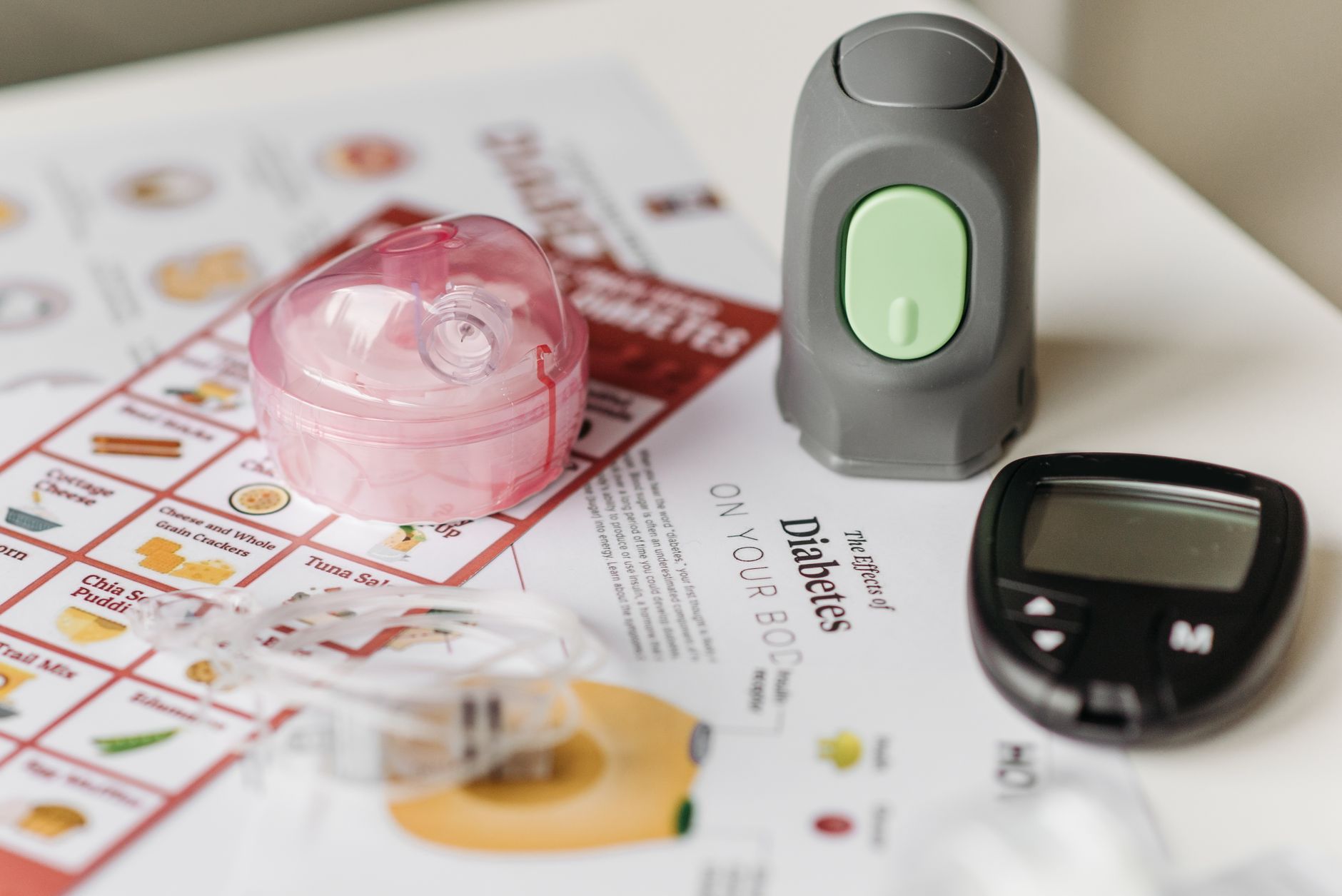
For daily monitoring, people with diabetes use a blood glucose meter (finger-stick testing) or a continuous glucose monitor (CGM). CGM devices measure interstitial glucose every few minutes and transmit the data to a smartphone or receiver, giving real-time trends and alerts for highs and lows. The CDC reports that approximately 38.4 million Americans — 11.6% of the population — have diabetes, and 97.6 million have prediabetes, though more than 80% of those with prediabetes do not know it [5].
Screening guidelines from the ADA recommend that all adults aged 35 and older be tested for diabetes and prediabetes, regardless of risk factors, and that testing begin earlier for those who are overweight or have a family history of diabetes, a history of gestational diabetes, or non-white ethnicity [1].
Managing Blood Sugar — Treatment and Lifestyle That Work
Blood sugar management is not one-size-fits-all. The right approach depends on whether you have prediabetes, type 1 diabetes, type 2 diabetes, or gestational diabetes. But across all categories, three pillars stand out.
Dietary strategies with real evidence
Reducing carbohydrate intake — especially refined carbohydrates and added sugars — produces the most direct and consistent reduction in post-meal blood sugar. The ADA endorses a variety of eating patterns, including the Mediterranean diet, the DASH diet, and lower-carbohydrate approaches, as long as they are nutritionally adequate and sustainable [1]. Fiber intake of 25–38 grams per day from vegetables, legumes, and whole grains helps blunt post-meal glucose spikes. A study published by the CDC found that replacing just one sugary drink per day with water reduces the risk of type 2 diabetes by 14–25% [5].
Physical activity's role in glucose clearance
Exercise improves insulin sensitivity for 24 to 72 hours after a single session. The ADA recommends at least 150 minutes per week of moderate-intensity aerobic activity (brisk walking, cycling, swimming) plus two or more sessions of resistance training. Post-meal walks — even 10 to 15 minutes — significantly reduce the glucose spike after eating [1].
Medication when lifestyle is not enough
For type 1 diabetes, insulin therapy is mandatory — either multiple daily injections or an insulin pump. For type 2 diabetes, metformin is typically the first-line oral medication, with options such as GLP-1 receptor agonists (e.g., semaglutide, tirzepatide), SGLT2 inhibitors (e.g., empagliflozin, dapagliflozin), and insulin added as needed. The choice depends on glucose levels, kidney function, cardiovascular risk, and weight goals. The FDA has approved several GLP-1 drugs specifically for cardiovascular risk reduction in people with type 2 diabetes and established heart disease [6].
A person with prediabetes who loses 7% of body weight through diet and exercise reduces their risk of progressing to type 2 diabetes by 58% (71% in adults over 60), per the landmark Diabetes Prevention Program study [7]. This is the single most effective intervention for preventing diabetes.
What Happens When Blood Sugar Stays Out of Range
Chronic hyperglycemia damages blood vessels and nerves throughout the body. The longer blood sugar remains elevated, the higher the risk of complications — many of which become irreversible by the time symptoms appear.
Cardiovascular disease is the leading cause of death among people with diabetes. Adults with diabetes have a 2- to 4-fold higher risk of heart attack, stroke, and heart failure compared to those without diabetes [1]. Elevated glucose accelerates atherosclerosis by promoting oxidative stress and inflammation in the arterial walls.
Chronic kidney disease (diabetic nephropathy) affects about 1 in 3 adults with diabetes. It progresses silently for years before symptoms appear. The ADA recommends annual urine albumin and estimated glomerular filtration rate (eGFR) testing starting at diagnosis of type 2 diabetes and 5 years after diagnosis of type 1 diabetes [1].
Diabetic retinopathy damages the small blood vessels in the retina and is the leading cause of preventable blindness among working-age adults in the U.S. [5]. Annual dilated eye exams are recommended for anyone with diabetes.
Peripheral neuropathy — nerve damage in the hands and feet — causes numbness, tingling, pain, and loss of protective sensation. It is the primary driver of foot ulcers and amputations in diabetes. Daily foot inspections and proper footwear are critical preventive measures.
When to See a Doctor
You do not need to wait for symptoms to get tested. The ADA recommends that all adults aged 35 and older undergo screening for diabetes and prediabetes every three years, and more frequently if risk factors are present [1]. If you are under 35 but have one or more of the following, ask your primary care provider for a fasting glucose or A1C test:
- Body mass index (BMI) ≥ 25 kg/m² (or ≥ 23 if of Asian descent)
- First-degree relative (parent or sibling) with type 2 diabetes
- Personal history of gestational diabetes
- High blood pressure (≥ 130/80 mm Hg)
- HDL cholesterol below 35 mg/dL or triglycerides above 250 mg/dL
- Non-white ethnicity (higher risk in Black, Hispanic, Native American, Asian American populations)
If you already have diabetes, see your endocrinologist or primary care provider at least every 3–6 months for A1C monitoring, kidney function tests, blood pressure checks, and medication adjustments. Seek immediate care if you experience severe hypoglycemia (confusion, loss of consciousness), hyperglycemia with vomiting or ketones, or any new symptom like chest pain, vision changes, or foot wounds that are not healing.
Frequently Asked Questions
What is a normal blood sugar level for a person without diabetes?
Fasting: 70–99 mg/dL. Two hours after a meal: below 140 mg/dL. A1C: below 5.7%. These thresholds apply to non-pregnant adults [1].
What is prediabetes and can it be reversed?
Prediabetes means fasting glucose is 100–125 mg/dL or A1C is 5.7–6.4%. It is reversible through lifestyle change — weight loss of 5–7%, increased physical activity, and dietary modification — which can return blood sugar to normal range and prevent progression to diabetes [7].
How often should I check my blood sugar if I have diabetes?
It depends on the type of diabetes and treatment. Most people with type 1 diabetes check 4–10 times per day. Those with type 2 on insulin may check 2–4 times daily. People with type 2 on oral medications only may check once or twice per day, or less frequently if stable. A CGM can replace many finger-stick checks [1].
Does eating sugar cause diabetes?
Eating sugar itself does not directly cause type 1 diabetes, which is autoimmune. For type 2 diabetes, a diet high in added sugars and refined carbohydrates contributes to weight gain and insulin resistance over time, which are major risk factors. Sugar-sweetened beverages are particularly strongly linked to increased diabetes risk [5].
What should I do if my blood sugar drops suddenly?
If you are conscious and able to swallow, consume 15 grams of fast-acting carbohydrate — four glucose tablets, half a cup (120 mL) of fruit juice or regular soda, or one tablespoon of honey or sugar. Recheck blood sugar in 15 minutes; if still below 70 mg/dL, repeat. Once it is above 70 and a meal is more than an hour away, eat a small snack containing protein or complex carbs to prevent another drop. If the person is unconscious or unable to swallow, administer glucagon (if available) and call 911 [4].
Can I drink alcohol if I have diabetes?
Moderate alcohol intake (up to one drink per day for women, two for men) is generally acceptable for adults with well-controlled diabetes, but alcohol can cause delayed hypoglycemia hours later — especially if consumed on an empty stomach or after exercise. Check blood sugar before drinking, eat food with alcohol to buffer the effect, and monitor overnight [1].
- Normal fasting blood sugar is 70–99 mg/dL; A1C < 5.7%. Prediabetes begins at 100 mg/dL fasting or A1C 5.7%; diabetes at 126 mg/dL or A1C ≥ 6.5%.
- More than 1 in 3 U.S. adults has prediabetes, but over 80% are unaware — routine screening starting at age 35 is essential.
- Losing 5–7% of body weight and exercising 150 minutes per week reduces diabetes risk by 58% in high-risk adults.
- Uncontrolled blood sugar damages the heart, kidneys, eyes, and nerves; these complications can be prevented or delayed with good glucose control.
- Severe hypoglycemia (below 54 mg/dL) and hyperglycemia with vomiting or ketones (above 250 mg/dL) are emergencies requiring immediate action.
- Blood sugar management is highly individual — work with your healthcare team to set personalized targets based on your age, health status, and treatment plan.
- American Diabetes Association. Standards of Care in Diabetes — 2025. Diabetes Care. 2025;48(Suppl 1):S1–S291. Available at: https://diabetes.org
- World Health Organization. Classification of Diabetes Mellitus 2019. Geneva: WHO; 2019. Available at: https://www.who.int
- American Diabetes Association. Management of Diabetes in Pregnancy: Standards of Care in Diabetes — 2025. Diabetes Care. 2025;48(Suppl 1):S307–S319.
- American Diabetes Association. Glycemic Targets: Standards of Care in Diabetes — 2025. Diabetes Care. 2025;48(Suppl 1):S97–S115.
- Centers for Disease Control and Prevention. National Diabetes Statistics Report, 2024. Atlanta, GA: CDC; 2024. Available at: https://www.cdc.gov
- U.S. Food and Drug Administration. FDA Approves New Drug for Type 2 Diabetes with Cardiovascular Benefit. 2024. Available at: https://www.fda.gov
- Diabetes Prevention Program Research Group. Reduction in the incidence of type 2 diabetes with lifestyle intervention or metformin. N Engl J Med. 2002;346(6):393–403. doi:10.1056/NEJMoa012512