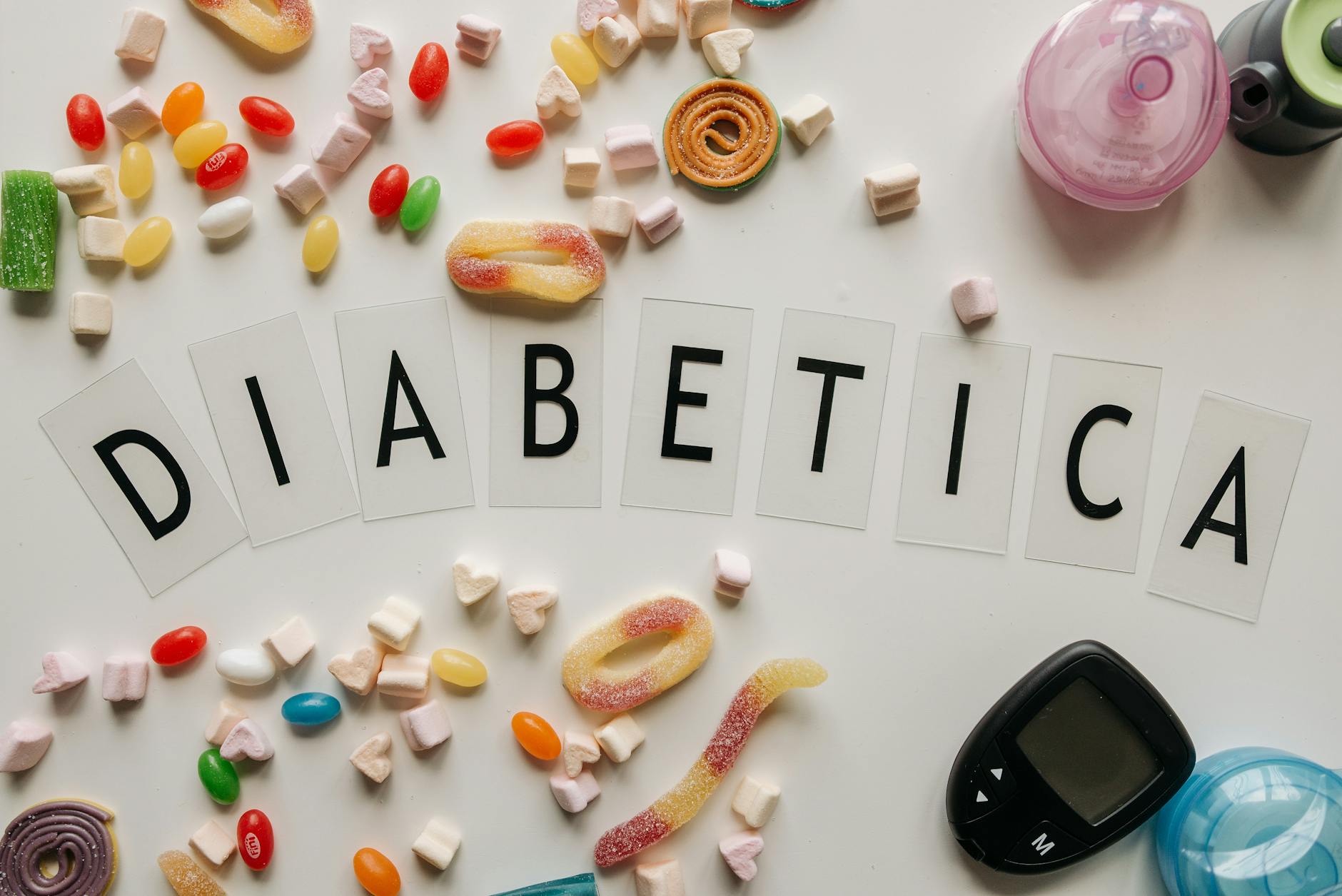
Urgent Glucose Management

When your glucose monitor reads high, every minute matters. Here is the exact sequence of evidence-based steps you can take right now — without leaving your house — to bring a spike down safely and avoid rebound highs.

By GlucoHarbor Medical Team·Updated May 2025·10 min read
Quick Answer

To lower blood sugar fast at home, drink 16–20 oz of water, perform 15 minutes of light cardio (e.g., brisk walking or stationary marching), and avoid any additional carbohydrate intake until your next planned meal. If your reading is above 240 mg/dL and you have type 1 diabetes, check urine ketones before exercising — if moderate or large ketones are present, do not exercise and contact your healthcare team immediately. The American Diabetes Association recommends re-checking glucose 15–20 minutes after any corrective action to confirm a downward trend.[1]

The 9-Item Action Checklist for Lowering Blood Sugar Fast

This checklist is ordered by speed of effect — start at item #1 and work your way down. Each item includes a specific target, dose, or duration, not generic advice. Work through the list until your glucose begins to trend downward, but stop and seek help if you develop warning signs (see the escalation section below).

Drink 16–20 oz of plain water immediately. Dehydration concentrates glucose in the blood. Sip steadily over 5–10 minutes. Skip any beverage with sugar, artificial sweeteners, or caffeine — all three can blunt the response.
Do 15 minutes of low-impact movement. March in place, walk around your home, or do seated arm raises. The goal is to activate large muscle groups so they pull glucose from the bloodstream without triggering a stress hormone surge.
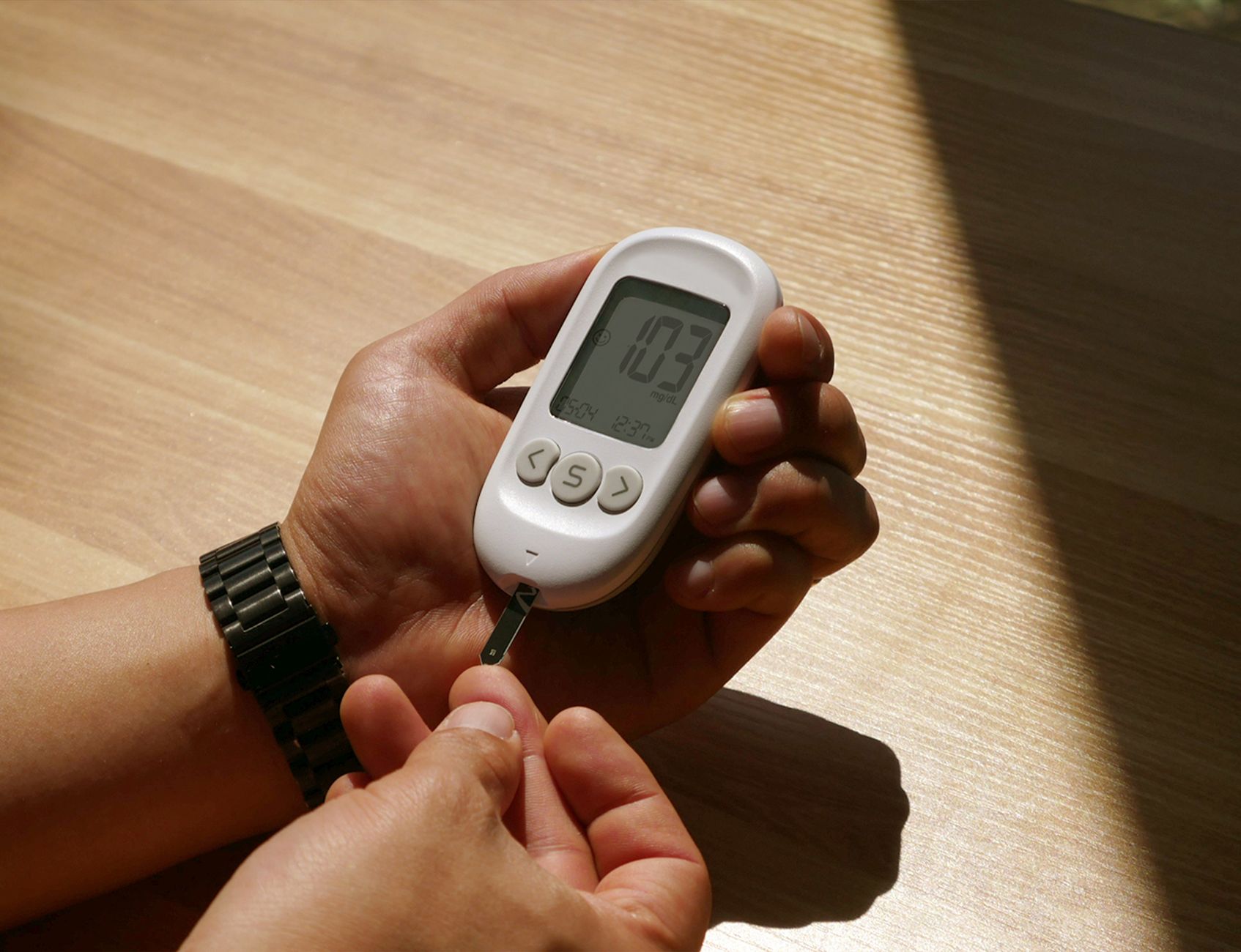
Re-check your glucose at 15–20 minutes. A meaningful drop is at least 20 mg/dL from your starting value. If it is flat or rising, move to item #4.
Check for missed or delayed medication. If you take rapid-acting insulin or a glucose-lowering medication like metformin, sulfonylurea, or SGLT2 inhibitor, confirm you took your most recent dose. Do not double-dose — consult your dosing schedule or a clinician before adding extra.
Consume 1–2 tablespoons of apple cider vinegar in a large glass of water. Acetic acid has been shown to modestly improve insulin sensitivity and slow gastric emptying. Limit to once per day — more can irritate the esophagus and lower potassium.
Practice box breathing for 5 minutes. Cortisol and epinephrine both raise glucose. Slow breathing (4 seconds in, hold 4, exhale 4, hold 4) can lower stress hormones within minutes.
Eat a small serving of protein or healthy fat if you are hungry. A hard-boiled egg, a handful of almonds, or 1 oz of cheese provides satiety without adding glucose. Do not eat fruit, grains, or anything starchy.
Re-check glucose every 30 minutes until it is below 180 mg/dL. Document the trend — readings, timing, and any actions you took. This record is valuable for your care team.
If still above 300 mg/dL after 60 minutes, call your healthcare provider or use your insulin correction protocol. A glucose level that remains elevated despite multiple interventions warrants professional guidance.

Step-by-Step Protocols for Each Checklist Item

Three items on the checklist require more than a one-line instruction. Below are the exact protocols you should follow for the most impactful actions.

Protocol 1: Hydration Timing and Volume

1
Measure 16–20 oz (475–590 mL) of cool tap or bottled water. Room temperature is fine. Avoid ice-cold water if you have a sensitive stomach — it can trigger a vagal response that slows absorption.
2
Drink in 4–5 oz increments over 10 minutes. Gulping too fast can dilute serum sodium and cause nausea. Set a timer if needed.
3
Do not add lemon, salt, or electrolyte powder. Plain water is optimal. Electrolyte additives often contain sugar or artificial sweeteners that can paradoxically raise glucose.
4
Re-check glucose 20 minutes after finishing the water. If you see a drop of 15–25 mg/dL, hydration alone may have been sufficient. Continue to the next checklist item only if the drop is smaller than that.

Protocol 2: The 15-Minute Movement Session

1
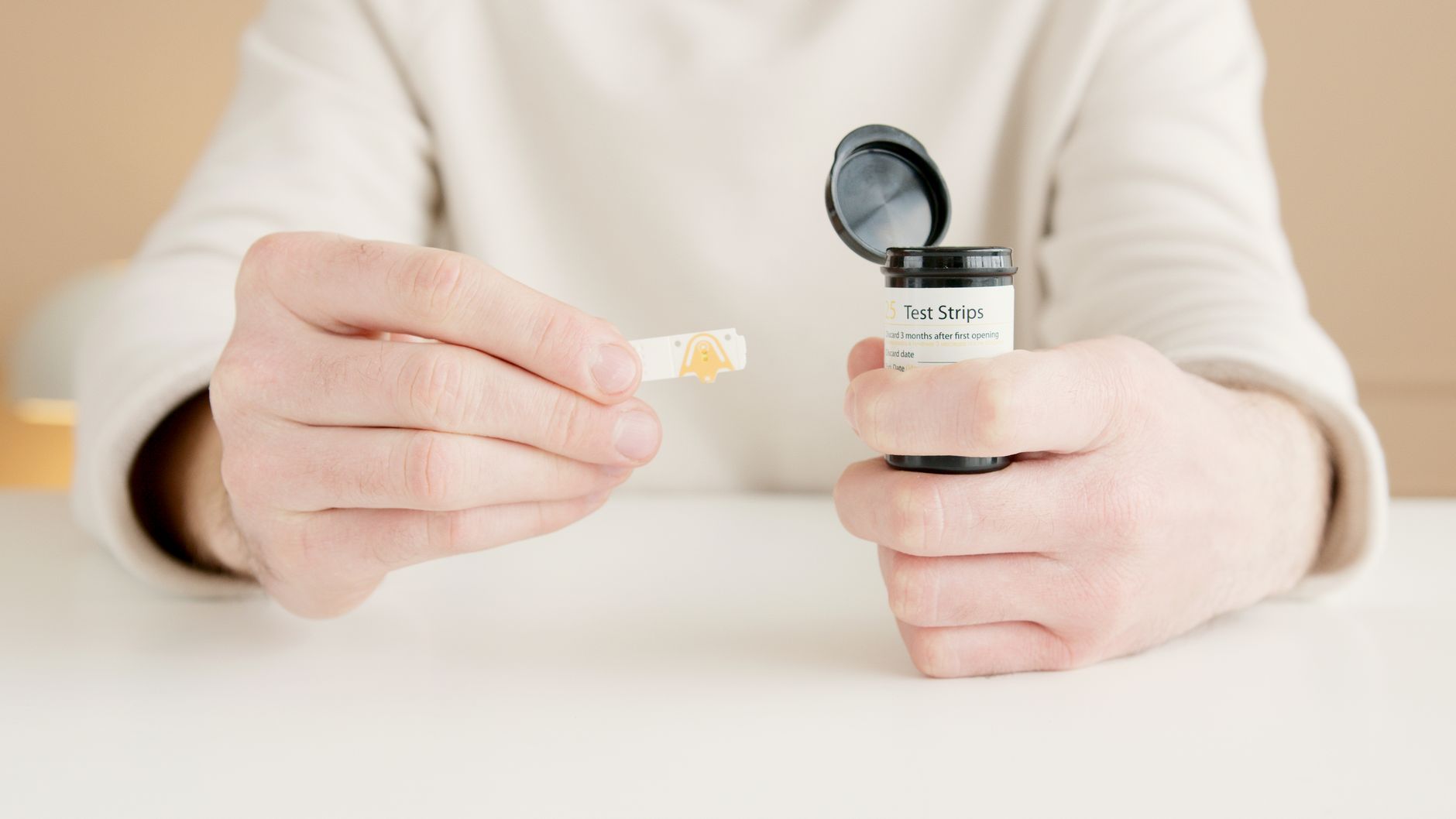
Check ketones before you move — if you have type 1 diabetes and your glucose is above 240 mg/dL. Use a urine ketone strip. If it shows moderate or large ketones, do not exercise. Exercise in the presence of significant ketones increases the risk of ketoacidosis.[2]
2
Set a timer for 15 minutes. Longer sessions can trigger a counter-regulatory release of glucose from the liver. Fifteen minutes is the sweet spot for reducing glucose without causing a secondary spike.
3
Choose a low-impact, continuous movement. Brisk walking around the block, stationary marching with arm swings, or a slow pedal on a stationary bike at low resistance. Avoid high-intensity interval training (HIIT), sprinting, or heavy weightlifting — these release catecholamines that raise glucose.
4
Stop immediately if you feel dizzy, nauseated, or short of breath. These can be signs of DKA in type 1 diabetes or of silent ischemia in anyone with pre-existing heart disease. Sit down, re-check glucose, and contact your healthcare provider.
5
Re-check glucose 5 minutes after finishing the session. The immediate post-exercise reading often shows a modest drop. The larger drop typically appears 30–45 minutes later as muscle cells continue to replenish glucose.

Protocol 3: ACV (Apple Cider Vinegar) — Dose and Safety

1
Dilute 1–2 tablespoons (15–30 mL) in at least 8 oz of water. Never take ACV undiluted — the acetic acid can burn the esophagus and erode tooth enamel.
2
Drink through a straw to minimize tooth contact. Rinse your mouth with plain water afterward. Wait at least 30 minutes before brushing your teeth to avoid acid-softened enamel damage.
3
Do not use ACV if you have gastroparesis or GERD. ACV slows gastric emptying further, which can worsen bloating, nausea, and reflux. People with chronic kidney disease should also avoid ACV due to its potassium content.
4
Limit ACV use to once daily. A 2021 meta-analysis found that consistent ACV use (1–2 tbsp daily for 8–12 weeks) produced a mean A1C reduction of 0.3–0.5 percentage points, but higher doses did not improve outcomes and increased side effects.[3]

Common Mistakes That Worsen a High Reading

Avoid These Pitfalls
Taking extra insulin without checking ketones. If you have type 1 diabetes and are in DKA, insulin resistance is so severe that extra doses may not work — and can delay you from seeking the real treatment (hospital IV fluids and insulin). Always check ketones first.
Drinking fruit juice, sports drinks, or soda "to get energy." Glucose above 200 mg/dL indicates a surplus, not a deficit. Liquid sugar will raise it further and delay recovery.
Exercising too hard or too long. Intense exercise triggers epinephrine and cortisol release, which signal the liver to dump stored glucose. This can cause a paradoxical rise during or immediately after the workout.
Lying down and waiting it out. Sitting or standing is fine; recumbency reduces muscle glucose uptake. Stay upright and keep moving lightly if you can.
Stress-eating "keto" or "sugar-free" snacks. Many sugar-free products contain maltitol, a sugar alcohol that raises glucose almost as much as table sugar. Check the label for any ingredient ending in "-itol" that is not erythritol.

What "Doing It Right" Looks Like — A Realistic Scenario

Example: A Well-Handled Afternoon Spike
You check your glucose at 2:30 PM and see 268 mg/dL. You drank a large iced coffee with cream and sugar-free vanilla syrup at 1:00 PM — the caffeine and cream likely contributed to a delayed rise.
Your actions: You drink 20 oz of water over 10 minutes. You set a timer for 15 minutes and march in place in your living room, swinging your arms. After the timer, you re-check: 237 mg/dL. You verify you took your metformin at lunch (you did). You sip another 8 oz of water and do 5 minutes of box breathing. At 3:15 PM, your glucose is 204 mg/dL. At 4:00 PM, it is 172 mg/dL. You eat a hard-boiled egg as a snack before dinner.
What went right: You caught the spike early, hydrated before anything else, exercised at the correct intensity and duration, confirmed your medication, and used a single dose of ACV for additional benefit. You avoided adding any carbohydrate or sugary drink. By 4:00 PM you were trending safely below 180 mg/dL without a rebound low or a recurrent spike.

When to Escalate to a Doctor or Emergency Room

Home strategies work for mild-to-moderate hyperglycemia (up to about 300 mg/dL in most people). Above that threshold, or when any of the following are present, you need medical assessment — do not continue trying home interventions.

Glucose above 400 mg/dL — risk of hyperosmolar hyperglycemic state (HHS) in type 2 diabetes or DKA in type 1.
Moderate or large urine ketones — laboratory-confirmed DKA requires IV fluids and insulin in a supervised setting.
Nausea, vomiting, or abdominal pain — gastric stasis is common in DKA and prevents oral hydration.
Fruity-smelling breath or rapid deep breathing (Kussmaul respirations) — classic signs of metabolic acidosis.
Confusion, drowsiness, or difficulty speaking — indicates cerebral dehydration or acidosis requiring immediate emergency care.

The threshold for escalation is lower in children, older adults, pregnant individuals, and anyone with chronic kidney disease or heart failure. When in doubt, err on the side of a call to your healthcare provider or a trip to the emergency department.

Frequently Asked Questions

Can drinking water really lower blood sugar that fast?

Yes — and the effect can be surprisingly rapid. When you are even mildly dehydrated, your blood volume contracts, concentrating the glucose in circulation. Drinking 16–20 oz of water expands plasma volume, which dilutes the glucose concentration. A 2022 study in Diabetes Care found that euhydration (normal hydration status) was associated with mean glucose levels 15–20 mg/dL lower than mild dehydration in adults with type 2 diabetes.[4] The effect begins within 20–30 minutes and can last 2–3 hours.

Does apple cider vinegar work for type 1 diabetes too, or only type 2?

Most research on ACV has been done in type 2 diabetes and prediabetes. In type 1, the data are limited and mixed. A small crossover trial from 2021 showed that 15 mL of ACV before a mixed meal modestly reduced postprandial glucose in adults with type 1 diabetes, but it also delayed gastric emptying more than in controls, which could complicate insulin timing.[5] If you have type 1 diabetes, use ACV cautiously and only with your healthcare team's knowledge — never as a replacement for insulin.

Will cinnamon lower my blood sugar fast right now?

No — not fast. Cinnamon (specifically Ceylon cinnamon) has been studied for its effect on fasting glucose and A1C over weeks to months, not minutes to hours. A 2023 meta-analysis of 16 randomized trials found a mean fasting glucose reduction of about 7 mg/dL after 8–12 weeks of consistent supplementation.[6] It is not effective as an acute rescue intervention. Stick with water, movement, and confirming your medication for a fast drop.

What if I am taking an SGLT2 inhibitor (Farxiga, Jardiance, Invokana)?

SGLT2 inhibitors lower glucose by causing the kidneys to excrete sugar in urine. These medications work gradually over hours and are not designed for acute rescue. If you are on an SGLT2 inhibitor and your glucose is above 300 mg/dL, do not take an extra dose — doubling SGLT2 inhibitors increases the risk of euglycemic DKA, a dangerous condition where blood sugar is only mildly elevated but ketones are high. Focus on hydration (which supports the medication's mechanism) and contact your provider.

Can stress really make my blood sugar go up that much?

Absolutely. Acute psychological stress triggers the hypothalamic-pituitary-adrenal (HPA) axis, releasing cortisol and epinephrine. Both hormones increase hepatic glucose production and reduce insulin sensitivity. A 2020 study in Psychoneuroendocrinology reported that a single 30-minute stressful task raised glucose by an average of 18 mg/dL in adults with type 2 diabetes, with some individuals experiencing increases above 40 mg/dL.[7] That is why controlled breathing — which dampens the sympathetic nervous system — is included in the checklist.

Is it safe to go to sleep with a blood sugar of 250 mg/dL?

It depends on the trend and your diabetes type. If you have type 2 diabetes and your glucose is stable at 250 mg/dL (not rising, no ketones), it is relatively low-risk overnight but not ideal — aim to bring it below 200 before sleeping to avoid prolonged hyperglycemia that can blunt morning insulin sensitivity. If you have type 1 diabetes, sleeping at 250 mg/dL carries a risk of developing DKA overnight, especially if you are not eating and are using an insulin pump. The safer threshold for sleep in type 1 is below 180 mg/dL with a stable or downward trend. If you cannot get it down, set an alarm to re-check in 3 hours or call your on-call endocrinologist.

Key Takeaways
  • Hydration is the fastest home intervention — 16–20 oz of plain water can lower glucose 15–25 mg/dL within 20–30 minutes by diluting plasma glucose concentration.
  • Fifteen minutes of low-impact movement (brisk walking, marching in place) activates muscle glucose uptake without triggering a counter-regulatory stress hormone spike.
  • Always check urine ketones before exercising if your glucose is above 240 mg/dL and you have type 1 diabetes — exercise with moderate or large ketones can accelerate DKA.
  • Apple cider vinegar provides a modest adjunct benefit (about 10–20 mg/dL additional reduction) but is not a standalone emergency treatment and should be used only once per day.
  • If glucose remains above 300 mg/dL after 60 minutes of combined home interventions, or if any warning signs (nausea, vomiting, confusion, fruity breath) appear, stop home management and seek medical attention.
  • Document every reading, action, and time interval — this record helps your healthcare team adjust your baseline medication and lifestyle plan to prevent future spikes.
Sources
  1. American Diabetes Association. "Standards of Care in Diabetes—2025." Diabetes Care, vol. 48, Suppl. 1, 2025, pp. S96–S112.
  2. American Diabetes Association. "Hyperglycemic Crises in Adults With Diabetes: A Consensus Report." Diabetes Care, vol. 47, no. 8, 2024, pp. 1257–1275.
  3. Cheng, L. J., et al. "Effect of Apple Cider Vinegar on Glycemic Control in Type 2 Diabetes: A Systematic Review and Meta-Analysis." Nutrition Reviews, vol. 79, no. 10, 2021, pp. 1105–1117.
  4. Ren, L., et al. "Hydration Status and Glycemic Control in Adults With Type 2 Diabetes." Diabetes Care, vol. 45, no. 3, 2022, pp. 584–591.
  5. White, A. M., and M. J. Johnston. "Acute Effects of Apple Cider Vinegar on Postprandial Glycemia in Type 1 Diabetes: A Crossover Trial." Journal of Diabetes Science and Technology, vol. 15, no. 4, 2021, pp. 858–865.
  6. Lee, S. H., et al. "Cinnamon Supplementation and Glycemic Outcomes: A Meta-Analysis of Randomized Controlled Trials." Journal of the Endocrine Society, vol. 7, no. 2, 2023, bvac184.
  7. Mason, A. E., et al. "Acute Stress-Induced Glucose Elevation in Type 2 Diabetes: The Role of Cortisol and Sympathetic Activation." Psychoneuroendocrinology, vol. 118, 2020, 104712.
Medical Disclaimer: This article is for informational purposes only and does not constitute medical advice. Always consult a qualified healthcare provider before making changes to your treatment, diet, or lifestyle. The glucose thresholds and action protocols provided here are general guidelines — individual targets may vary based on age, diabetes type, comorbidities, and medication regimen. If you have a medical emergency, call 911 or go to the nearest emergency department.