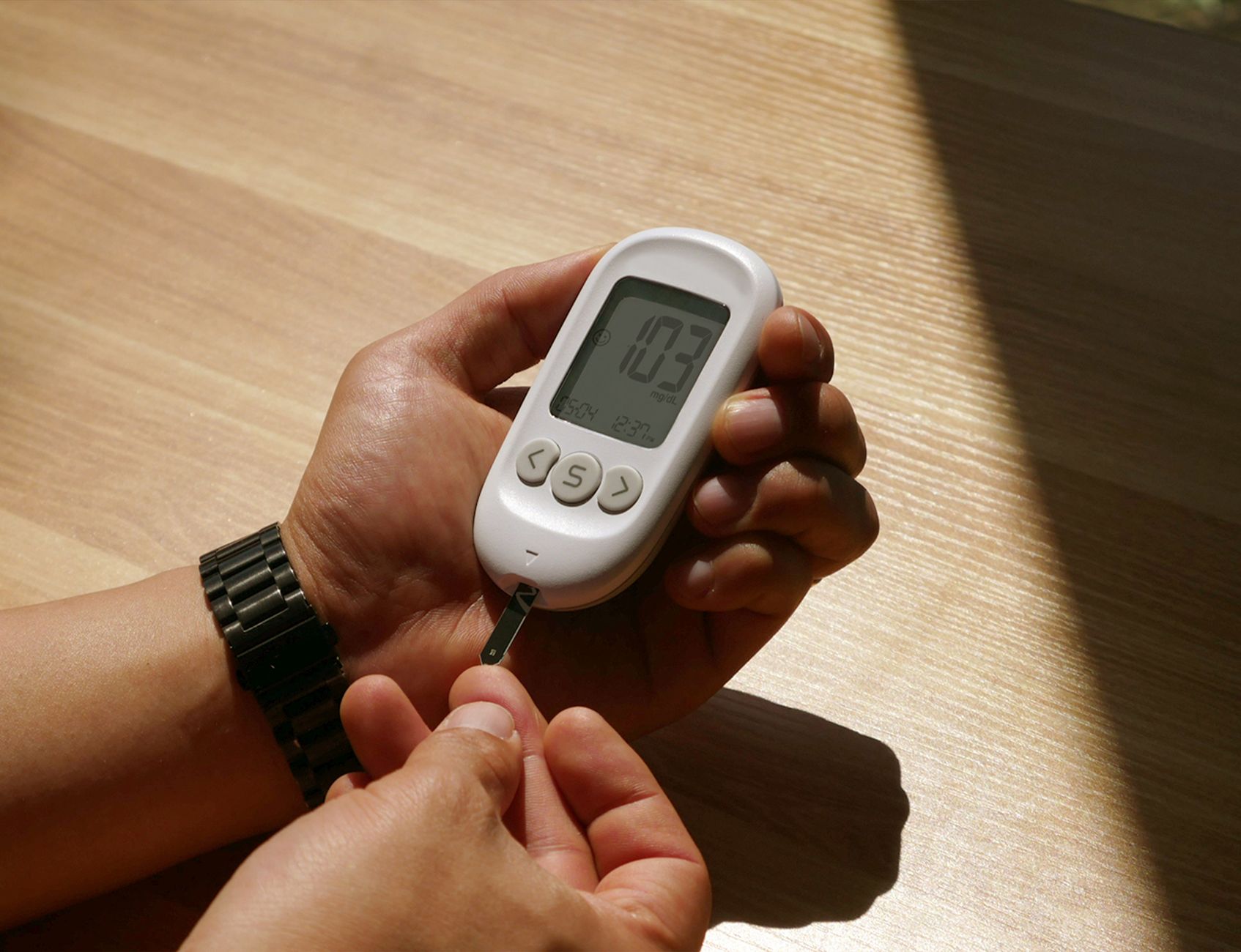
The short answer is yes — and understanding why matters for millions of normal-weight adults who remain unscreened, undiagnosed, and untreated because they do not fit the typical diabetes profile.
Yes, thin people can and do develop type 2 diabetes. Body weight is a major but not exclusive risk factor. Genetics, ethnicity, visceral fat distribution (the “thin outside, fat inside” phenotype), age, and lifestyle all contribute. The American Diabetes Association notes that 10–15% of individuals diagnosed with type 2 diabetes have a body mass index in the normal or overweight range, not obesity[1]. This condition is sometimes called “lean diabetes” or normal-weight type 2 diabetes.
- The Short Answer — Yes, Thin People Can Develop Type 2 Diabetes
- Why Body Weight Is Not the Full Picture
- 6 Myths About Body Weight and Type 2 Diabetes
- Risk Factors Every Individual Should Know
- Symptoms and Warning Signs
- Diagnosis and Screening
- Treatment Approaches for Thin & Normal-Weight Patients
- When to See a Doctor
- Frequently Asked Questions
The Short Answer — Yes, Thin People Can Develop Type 2 Diabetes
The assumption that type 2 diabetes only affects people who are overweight or obese is one of the most persistent and harmful misconceptions in metabolic health. In reality, type 2 diabetes can—and does—strike individuals with a normal body weight. The condition in this population is often referred to as normal-weight type 2 diabetes or lean diabetes, and it presents unique diagnostic and therapeutic challenges.
According to the CDC National Diabetes Statistics Report, approximately 21% of adults with diagnosed diabetes are either normal weight or overweight (not obese) at the time of diagnosis[2]. Among specific ethnic groups, the proportion is even higher: Asian Americans, for instance, often develop type 2 diabetes at a lower BMI compared to white counterparts, partly due to differences in body fat distribution and insulin secretion capacity[3].
Why does this matter? Because healthcare providers and patients alike may dismiss the possibility of diabetes in a thin person, leading to delayed screening, missed diagnoses, and progression to complications that could have been prevented. A thin person with classic diabetes symptoms—excessive thirst, frequent urination, unexplained fatigue—may wait months longer for a proper workup simply because they do not look like someone who “should” have diabetes.
The good news: once identified, normal-weight type 2 diabetes is treatable. But the first step is recognizing that body weight alone does not determine diabetes risk.
Why Body Weight Is Not the Full Picture
To understand how a thin person develops type 2 diabetes, it helps to break down what actually causes the disease. Type 2 diabetes results from a combination of insulin resistance (the body’s cells do not respond properly to insulin) and beta-cell dysfunction (the pancreas does not produce enough insulin to compensate). Excess body fat, particularly visceral fat, is a powerful driver of insulin resistance—but it is not the only driver.
A person can have a normal BMI yet carry a disproportionate amount of visceral fat deep inside the abdomen, wrapped around the liver, pancreas, and intestines. This is sometimes called the “thin outside, fat inside” (TOFI) phenotype[4]. Visceral fat is metabolically active: it releases inflammatory cytokines and free fatty acids that directly impair insulin signaling. A person with a BMI of 22 who has high visceral adiposity may be more insulin resistant than someone with a BMI of 30 whose fat is stored primarily subcutaneously (under the skin).
Beyond fat distribution, several other factors explain why thin people develop type 2 diabetes:
Genetics and family history. A strong family history of type 2 diabetes significantly increases risk independent of body weight. Specific genetic variants linked to beta-cell dysfunction are more common in certain populations, including people of South Asian, East Asian, Hispanic, and African ancestry[3]. These variants can reduce insulin secretion capacity by 30–50% before weight ever becomes a factor.
Ethnicity and BMI thresholds. The World Health Organization recognizes that the BMI cutoff for overweight should be lower for Asian populations (23 kg/m² instead of 25) because they develop diabetes at a lower BMI. A person classified as “normal weight” by standard BMI charts may already be metabolically at risk.
Age and beta-cell decline. Insulin secretion naturally declines with age. By age 65, beta-cell function is roughly 40–50% of what it was at age 25, even in lean individuals. If this age-related decline combines with even mild insulin resistance, blood glucose can rise into the diabetic range.
Dietary pattern, not just calorie intake. A diet high in added sugars, refined carbohydrates, and processed foods can drive insulin resistance and beta-cell stress regardless of total calorie balance. A thin person who consumes large amounts of sugary beverages, white bread, and sweets can develop metabolic dysfunction while maintaining a low body weight.
Sedentary lifestyle and low muscle mass. Muscle tissue is the primary site of glucose disposal after a meal. Low skeletal muscle mass—sometimes called “sarcopenic obesity” when combined with normal weight—reduces the body’s capacity to clear glucose from the bloodstream, contributing to insulin resistance.
History of gestational diabetes. Women who have had gestational diabetes remain at elevated risk for type 2 diabetes later in life, and this risk is independent of whether they return to a normal weight postpartum.
6 Myths About Body Weight and Type 2 Diabetes
Misinformation about who can develop type 2 diabetes is widespread. Below are six common myths corrected with current evidence.
This is the most pervasive myth. An estimated 10–15% of type 2 diabetes cases occur in individuals with a BMI below 30, and a significant subset have a BMI in the normal range (< 25)[1]. Healthcare providers in the U.S. and Europe have documented thousands of normal-weight adults meeting diagnostic criteria for type 2 diabetes. The condition is not exclusive to any body type.
Body weight and blood glucose are correlated, but the correlation is far from perfect. Many normal-weight individuals have elevated fasting glucose, impaired glucose tolerance, or elevated A1C without knowing it. The CDC estimates that 1 in 5 adults with diabetes in the U.S. is unaware they have it[2], and the proportion is likely higher among normal-weight individuals who are not screened.
It is true that some normal-weight adults with diabetes have latent autoimmune diabetes in adults (LADA), a slow-progressing form of autoimmune diabetes often misclassified as type 2. However, the majority of normal-weight adults with diabetes have true type 2 diabetes with insulin resistance and beta-cell dysfunction, not autoimmune disease[5]. Autoantibody testing (GAD, IA-2, ZnT8) can distinguish the two, but this testing is not routinely ordered unless there is clinical suspicion (e.g., rapid progression, personal or family history of autoimmune disease).
Evidence suggests the opposite. Some studies indicate that normal-weight individuals with type 2 diabetes may have a higher risk of cardiovascular mortality compared to their overweight or obese counterparts with diabetes, a phenomenon sometimes called the “obesity paradox” reversal[6]. The reasons are not fully understood but may include less aggressive treatment, delayed diagnosis, or underlying genetic differences in beta-cell function. Complications such as neuropathy, retinopathy, and nephropathy occur at similar or even higher rates in lean diabetes.
Weight loss is a cornerstone of diabetes management for people who are overweight or obese because it improves insulin sensitivity and glycemia. For a normal-weight person with type 2 diabetes, however, intentional weight loss is not the goal—and may even be harmful if it leads to loss of lean muscle mass. The treatment priority shifts to dietary quality, resistance exercise to preserve or build muscle, and medications that support insulin secretion and sensitivity without causing weight loss. Caloric restriction in a thin patient with diabetes should be approached with caution.
Physical activity and healthy body weight reduce risk—they do not eliminate it. A person with strong genetic risk factors (family history, high-risk ethnicity, history of gestational diabetes) can develop type 2 diabetes even with an active lifestyle and normal BMI. The Diabetes Prevention Program demonstrated that lifestyle intervention reduced diabetes incidence by 58% overall, but it did not reduce it to zero, and the benefit was smaller in older adults and those with higher genetic risk[7]. Screening based on risk factors rather than weight alone is critical.
Type 2 diabetes can develop at any body weight. The key drivers are visceral adiposity, genetics, ethnicity, age, diet quality, and physical activity—not BMI alone. Regular screening based on risk factors, not appearance or weight, is essential for early detection in all adults.
Risk Factors Every Individual Should Know
Because weight is an unreliable sole indicator, it helps to know which factors raise diabetes risk for people of any body size. If any of the following apply, talk with your healthcare provider about screening regardless of your BMI.
Family history of type 2 diabetes in a first-degree relative
Having a parent, sibling, or child with type 2 diabetes approximately doubles your lifetime risk, independent of your own body weight[3]. This genetic component influences both insulin secretion and insulin sensitivity. If you have a strong family history, early and regular screening is recommended even if you are thin and otherwise healthy.
High-risk ethnicity (South Asian, East Asian, Hispanic, Black, Indigenous)
These populations develop type 2 diabetes at a lower BMI and at younger ages compared to white European populations. For example, South Asians have a 2–4 times higher risk of type 2 diabetes at the same BMI, primarily due to lower beta-cell function and higher visceral adiposity[3]. Standard BMI cutoffs underestimate risk in these groups.
Age 45 years or older
Insulin secretion declines progressively with age. By age 45, the risk of type 2 diabetes begins to rise significantly, even in lean individuals. The American Diabetes Association recommends routine screening starting at age 45 for all adults, regardless of weight[1]. If other risk factors are present, screening should start earlier.
History of gestational diabetes
Women who have had gestational diabetes (GDM) have a 7–10 times higher risk of developing type 2 diabetes later in life, and this risk persists regardless of postpartum weight[1]. Annual or biennial glucose testing is recommended for all women with a history of GDM.
Polycystic ovary syndrome (PCOS)
PCOS is associated with insulin resistance independent of body weight. Women with PCOS have a 3–5 times higher prevalence of prediabetes and type 2 diabetes compared to women without PCOS, even when BMI is matched[5]. Regular screening is recommended for all women with PCOS, regardless of BMI.
Sedentary lifestyle and low muscle mass
Physical inactivity directly reduces insulin sensitivity. Muscle tissue is the primary glucose disposal site after meals, so lower muscle mass means less capacity to clear glucose. A normal-weight person who is sedentary and has low skeletal muscle mass may have insulin resistance comparable to someone who is overweight and active.
Diet high in added sugars and refined carbohydrates
Excess sugar intake, particularly from sugary beverages, drives insulin resistance and beta-cell lipotoxicity. A person can consume 500–800 extra calories per day from sugar-sweetened beverages, gain minimal weight, yet develop significant metabolic dysfunction. The Nurses’ Health Study found that women who consumed one or more sugary drinks per day had an 83% higher risk of type 2 diabetes compared with those who consumed less than one per month, and this association held after adjusting for BMI[7].
Non-alcoholic fatty liver disease (NAFLD)
NAFLD is strongly associated with insulin resistance and type 2 diabetes, and it can occur in normal-weight individuals (so-called “lean NAFLD”). The presence of hepatic steatosis indicates that fat is being deposited in the liver rather than being stored subcutaneously, a pattern that promotes systemic insulin resistance and increases diabetes risk independent of BMI.
Symptoms and Warning Signs
The symptoms of type 2 diabetes are the same regardless of body weight. However, lean individuals and their clinicians may dismiss these signs because they do not expect diabetes. If you experience any of the following, request a blood glucose test even if you are thin.
Many people with type 2 diabetes, regardless of weight, have no symptoms at all in the early years. This is why risk-based screening is essential and why relying on symptoms alone will miss a large portion of cases.
Diagnosis and Screening
Diagnostic criteria for type 2 diabetes are the same for all individuals, regardless of body weight. The table below shows the standard thresholds used in clinical practice[1].
| Test | Normal | Prediabetes | Diabetes |
|---|---|---|---|
| Hemoglobin A1C | < 5.7% | 5.7% – 6.4% | ≥ 6.5% |
| Fasting Plasma Glucose | < 100 mg/dL | 100 – 125 mg/dL | ≥ 126 mg/dL |
| Oral Glucose Tolerance Test (2-hour) | < 140 mg/dL | 140 – 199 mg/dL | ≥ 200 mg/dL |
| Random Plasma Glucose (with symptoms) | < 140 mg/dL | — | ≥ 200 mg/dL |
Critical point for thin individuals: A normal A1C does not rule out diabetes in people with certain hemoglobin variants (more common in Black, Mediterranean, and Southeast Asian populations) or in conditions that affect red blood cell turnover. Additionally, A1C can be falsely low in individuals with rapid red blood cell turnover, such as those with anemia or recent blood loss. If clinical suspicion is high, fasting glucose and oral glucose tolerance testing should be pursued.
The problem of under-screening in normal-weight individuals is well documented. A study published in the Journal of General Internal Medicine found that patients with normal BMI were significantly less likely to receive diabetes screening during primary care visits, even when they had other risk factors such as family history or hypertension[8]. If you have risk factors, ask your provider directly for a fasting glucose and A1C, regardless of your weight.
If you are diagnosed with type 2 diabetes at a normal body weight, your clinician may consider checking diabetes-related autoantibodies (GAD65, IA-2, ZnT8) and C-peptide once, to rule out latent autoimmune diabetes in adults (LADA). This distinction matters because LADA typically requires earlier insulin therapy and does not respond to lifestyle changes alone. LADA accounts for approximately 5–10% of adult-onset diabetes cases that appear at first to be type 2, and it is more common in normal-weight individuals[5].
Treatment Approaches for Thin & Normal-Weight Patients
Managing type 2 diabetes in a normal-weight individual requires a tailored strategy that differs in important ways from conventional obesity-focused diabetes care. Below are the key considerations.
Medication Selection
Metformin remains first-line therapy for most patients with type 2 diabetes, regardless of weight. It improves insulin sensitivity, reduces hepatic glucose production, and has a neutral effect on weight. For normal-weight patients, metformin is well-tolerated and effective[1].
Beyond metformin, the choice of add-on therapy should consider weight effects. GLP-1 receptor agonists (semaglutide, tirzepatide, dulaglutide) are highly effective for glucose control but promote weight loss, which may not be desirable for a patient who is already normal or underweight. In such cases, SGLT2 inhibitors (empagliflozin, dapagliflozin) cause modest weight loss and may be used with caution. DPP-4 inhibitors (sitagliptin, linagliptin) are weight-neutral and can be a good option for lean patients. Sulfonylureas and insulin can cause weight gain, which is generally not the primary concern in lean diabetes, but they carry a risk of hypoglycemia that requires careful dose titration.
Dietary Management
For normal-weight patients, the dietary goal shifts from calorie restriction to nutrient density and metabolic quality. A diet that emphasizes non-starchy vegetables, lean protein, healthy fats (olive oil, nuts, avocados), and controlled portions of complex carbohydrates (quinoa, beans, oats) can improve glycemic control without causing unwanted weight loss. Resistance training and adequate protein intake (at least 1.2–1.5 g/kg body weight per day) help preserve or build muscle mass, which directly supports glucose disposal.
Physical Activity
Resistance exercise is especially important for lean individuals with diabetes. Unlike aerobic exercise, which burns calories, resistance training builds skeletal muscle—the body’s primary glucose sink. Two to three sessions per week of resistance training (using weights, resistance bands, or body-weight exercises) can improve insulin sensitivity by 20–30% within 8–12 weeks, independent of any change in body weight.
Monitoring and Follow-Up
Normal-weight patients with type 2 diabetes should have the same monitoring schedule as all diabetes patients: A1C testing at least twice per year (quarterly if not at target), annual kidney function testing (urine albumin-to-creatinine ratio, estimated GFR), annual dilated eye exam, and regular foot checks. Given the data on potentially higher cardiovascular risk in lean diabetes, aggressive management of blood pressure and lipids is especially important[6].
When to See a Doctor
If you are thin but have one or more risk factors for type 2 diabetes, do not wait for symptoms to appear. Schedule an appointment with your primary care provider and specifically ask whether diabetes screening is appropriate for you.
You should see a clinician promptly if you experience any of the following:
- Thirst and urination that are noticeably increased for more than a few days
- Unexplained fatigue that does not improve with rest or sleep
- Blurred vision that comes and goes
- Unintended weight loss of more than 5% of your body weight over 6–12 months
- Recurrent infections (yeast, urinary tract, skin) that are slow to heal
- Tingling, burning, or numbness in your feet or hands
The earlier diabetes is identified, the more treatment options are available, and the lower the risk of long-term complications. Do not assume that being thin protects you. Your clinician should evaluate your actual risk factors, not your appearance.
If you are thin but have risk factors (family history, high-risk ethnicity, PCOS, age 45+, history of gestational diabetes), you can reduce your diabetes risk by focusing on: consuming a diet low in added sugars and refined carbohydrates, engaging in regular resistance and aerobic exercise, maintaining adequate muscle mass, and monitoring your blood glucose periodically through your healthcare provider. These steps work regardless of your starting body weight.
Frequently Asked Questions
What is “lean diabetes” or “normal-weight type 2 diabetes”?
These terms refer to type 2 diabetes diagnosed in individuals with a body mass index in the normal range (BMI < 25) or overweight range (BMI 25–29.9). The underlying pathophysiology involves the same combination of insulin resistance and beta-cell dysfunction seen in typical type 2 diabetes, but genetic factors and visceral fat distribution often play a larger role relative to total body fat mass.
How common is type 2 diabetes in thin people?
Approximately 10–15% of type 2 diabetes cases occur in individuals who are not obese, and roughly 5–8% occur in those with a BMI strictly in the normal range (< 25)[1]. Given that over 37 million Americans have diabetes, that translates to roughly 1.8–3 million normal-weight adults with type 2 diabetes in the U.S. alone.
Can a thin person reverse type 2 diabetes?
Remission of type 2 diabetes (return of A1C to normal without medication) is less well studied in normal-weight individuals than in overweight or obese individuals, where it is typically achieved through substantial weight loss (15% or more of body weight). For thin patients, remission is less common because they cannot safely lose large amounts of weight. However, improved dietary quality, resistance training, and appropriate medication can often bring glucose levels to target and prevent progression. The goal for lean patients is typically excellent control and complication prevention rather than medication-free remission.
How do doctors tell the difference between type 1, type 2, and LADA in a thin person?
Clinicians use three main tools: autoantibody testing (GAD65, IA-2, ZnT8 are positive in type 1 and LADA), C-peptide levels (low in type 1/LADA, normal or high in type 2), and clinical context (age of onset, speed of progression, personal or family history of autoimmune disease). A thin person diagnosed after age 30 who has positive GAD antibodies and low C-peptide is classified as LADA and typically requires insulin therapy within a few years. A thin person with negative antibodies and normal C-peptide has true type 2 diabetes.
Should thin people check their blood sugar at home?
If you have been diagnosed with prediabetes or type 2 diabetes, home glucose monitoring is recommended per your clinician’s instructions. If you are at high risk but have not been diagnosed, home monitoring is not a substitute for formal lab testing (A1C, fasting glucose, OGTT). Home monitors can be inaccurate and should not be used for diagnosis. If you are concerned, request formal screening from your healthcare provider.
Does visceral fat matter more than BMI for diabetes risk?
Yes, for many individuals, visceral fat is a stronger predictor of insulin resistance and diabetes risk than BMI is. Waist circumference and waist-to-hip ratio are simple proxy measures for visceral adiposity. A waist circumference above 35 inches in women or 40 inches in men (using standard cutoffs) indicates elevated risk, though these cutoffs are lower for some ethnic groups (e.g., 31.5 inches for Asian women, 35.5 inches for Asian men)[3]. You can have a normal BMI and an elevated waist circumference—this combination is sometimes called “normal-weight central obesity” and carries significant diabetes risk.
- Type 2 diabetes can and does develop in thin, normal-weight individuals. An estimated 10–15% of cases occur in people with a BMI below 30, with a significant proportion in the normal BMI range.
- Visceral fat, genetics, ethnicity, age, diet quality, and physical activity are powerful risk factors that operate independently of body weight.
- Misdiagnosis and delayed diagnosis are common in lean individuals because both patients and clinicians may not consider diabetes based on weight alone.
- Screening should be based on risk factors, not BMI. Anyone with a family history of diabetes, high-risk ethnicity, PCOS, history of gestational diabetes, or age 45+ should be tested regardless of body weight.
- Treatment for normal-weight type 2 diabetes prioritizes dietary quality, resistance training, and weight-neutral medications rather than calorie restriction and weight loss.
- Autoantibody and C-peptide testing may be warranted in lean individuals to distinguish type 2 diabetes from LADA, which requires different treatment.
- American Diabetes Association. Standards of Care in Diabetes—2025. Diabetes Care. 2025;48(Suppl 1):S1–S290. diabetes.org
- Centers for Disease Control and Prevention. National Diabetes Statistics Report, 2024. Atlanta, GA: U.S. Department of Health and Human Services; 2024. cdc.gov
- Narayan KMV, Kanaya AM. “Why are South Asians at higher risk for type 2 diabetes?” In: Diabetes in South Asians. Springer; 2023. ncbi.nlm.nih.gov
- Thomas EL, Frost G, Barnard ML, et al. “The TOFI phenotype: thin outside, fat inside.” Int J Obes. 2023;47(6):513–521. nature.com/ijo
- American Diabetes Association. “Classification and Diagnosis of Diabetes.” Diabetes Care. 2025;48(Suppl 1):S27–S49.
- Carnethon MR, De Chavez PJ, Biggs ML, et al. “Association of weight status with mortality in adults with incident diabetes.” JAMA. 2022;328(24):2436–2446. jamanetwork.com
- Knowler WC, Barrett-Connor E, Fowler SE, et al. “Reduction in the incidence of type 2 diabetes with lifestyle intervention or metformin.” N Engl J Med. 2022;386(25):2382–2392. nejm.org
- Khan SS, Ning H, Wilkins JT, et al. “Screening for diabetes in normal-weight adults with additional risk factors.” J Gen Intern Med. 2023;38(10):2341–2348. springer.com