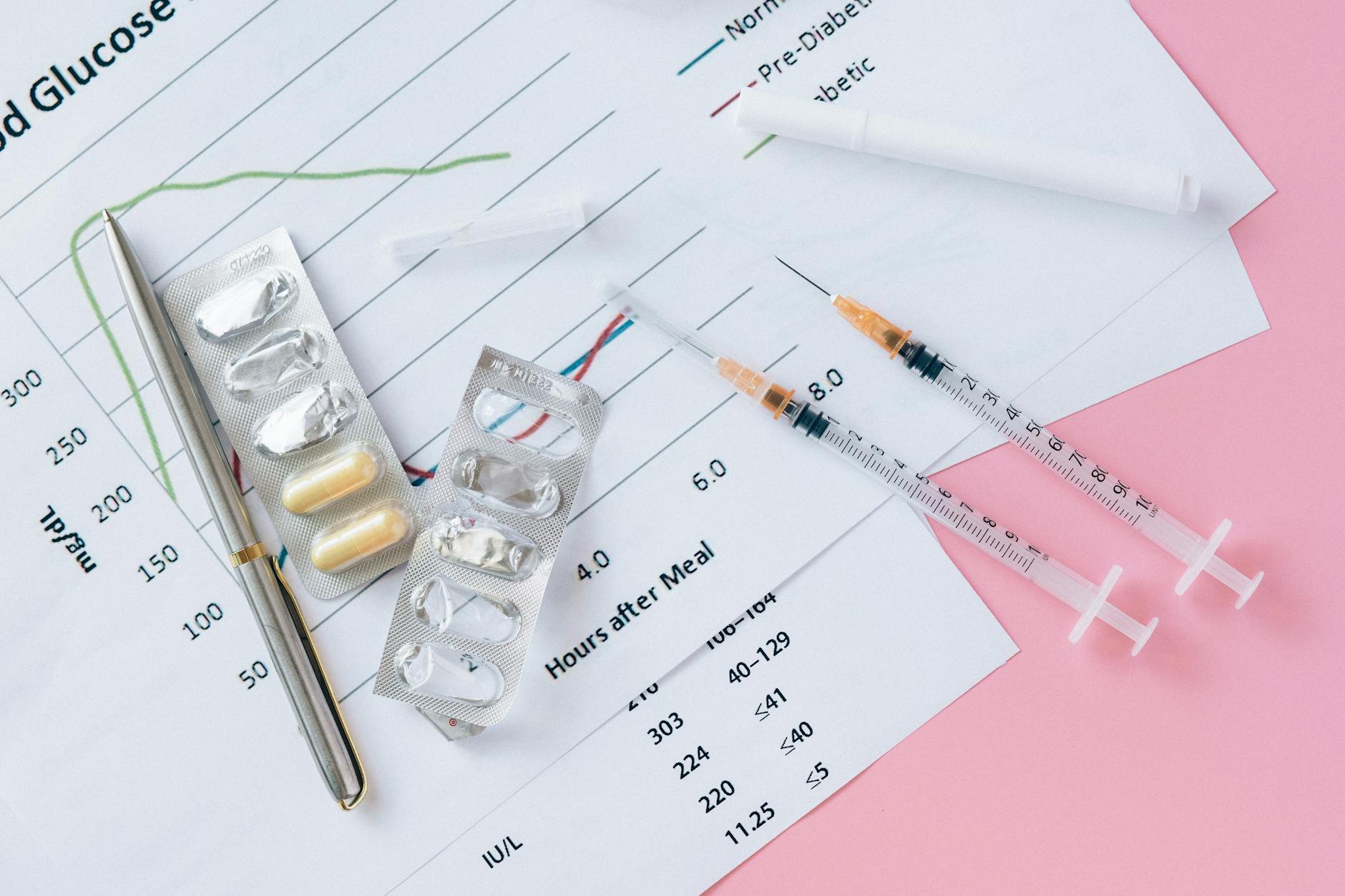
For years, people with diabetes have been told to avoid fruit because of its sugar content. But the full picture — involving fiber, glycemic load, and metabolic outcomes — tells a different story. Here is the clinically grounded answer, with specific guidance.
Yes, you can eat fruit if you have diabetes — and you probably should. Whole fruit provides fiber, vitamins, polyphenols, and water that blunt the glycemic response compared to fruit juice or refined sugar. The American Diabetes Association includes fruit as part of a balanced diabetes meal plan. The key is choosing whole fruits over juices, controlling portion size (one serving ≈ 15 g of carbohydrate), and pairing fruit with protein or fat to stabilize blood glucose.
- Why Fruit Has a Reputation Problem
- The Clinical Case for Fruit: Fiber, Nutrients, and Metabolic Benefits
- Best Fruits for Blood Sugar Stability
- Fruits to Approach with More Caution
- How to Eat Fruit Without Spiking Your Blood Sugar
- Common Myths About Fruit and Diabetes
- Frequently Asked Questions
- Key Takeaways
Why Fruit Has a Reputation Problem
The concern about fruit and diabetes is not凭空. Fruit contains natural sugars — primarily fructose, glucose, and sucrose — and these sugars raise blood glucose. A medium banana delivers roughly 14 g of sugar, and a cup of grapes packs about 23 g. For someone monitoring their carbohydrate intake, those numbers demand attention.
But sugar content alone is a misleading metric. The glycemic index (GI) of whole fruit is generally low to moderate, ranging from 20 for cherries to about 60 for watermelon. Compare that to a slice of white bread (GI ≈ 75) or a sugary soda (GI ≈ 65–70). The fiber in whole fruit — anywhere from 2 to 8 g per serving — physically slows gastric emptying and attenuates the post-meal glucose rise. Fiber also feeds the gut microbiome, producing short-chain fatty acids that improve insulin sensitivity over time. Furthermore, fruit is packed with polyphenols like anthocyanins (berries), flavonols (apples), and ellagic acid (pomegranates) that reduce oxidative stress and inflammation — both drivers of insulin resistance and diabetic complications. [1]
The real problem, clinically speaking, is not whole fruit — it is fruit juice. Juicing strips away the fiber, concentrates the sugar, and creates a rapid glucose spike that rivals soda. The American Diabetes Association explicitly advises limiting or avoiding fruit juice and choosing whole fruit instead. [2]
The Clinical Case for Fruit: Fiber, Nutrients, and Metabolic Benefits
Multiple large-cohort studies have examined the relationship between fruit intake and diabetes outcomes. A meta-analysis of 19 prospective studies published in the BMJ found that higher whole-fruit consumption was associated with a lower risk of developing type 2 diabetes, with a 6–12% risk reduction per additional serving per day. [3] Among people who already have diabetes, those who eat whole fruit tend to have lower A1C levels and better glycemic variability compared to those who avoid fruit or drink fruit juice.
The mechanisms go beyond fiber. Fruit provides potassium, which helps manage blood pressure — a critical factor since hypertension affects roughly 60% of people with type 2 diabetes. [4] Vitamin C from citrus fruit and berries supports immune function and collagen integrity, while magnesium (found in bananas, avocados, and figs) plays a direct role in glucose metabolism and insulin signaling. A systematic review in Nutrients (2022) concluded that higher fruit intake is inversely associated with markers of systemic inflammation, including C-reactive protein and interleukin-6, in people with type 2 diabetes. [5]
The glycemic load (GL) of a typical fruit serving — which accounts for both GI and carbohydrate content per serving — ranges from 5 to 12. For context, a GL under 10 is considered low and has a negligible effect on post-meal glucose in well-controlled diabetes. A medium apple (GL ≈ 6) is not going to derail your blood sugar the way a bagel (GL ≈ 25) or a sugary latte (GL ≈ 20) will. [6]
Best Fruits for Blood Sugar Stability
Some fruits have a smaller impact on blood glucose per serving than others. The table below lists fruits with a low glycemic load (GL ≤ 8 per standard serving), high fiber content, or both. These are your go-to options for daily inclusion.
| Fruit | Serving Size | Carbohydrates (g) | Fiber (g) | Glycemic Load (GL) |
|---|---|---|---|---|
| Berries (strawberries, blueberries, raspberries) | 1 cup (140–150 g) | 11–17 | 3–8 | 4–6 |
| Cherries | 1 cup (150 g, pitted) | 22 | 3 | 5 |
| Apple (with skin) | 1 medium (180 g) | 25 | 4.5 | 6 |
| Pear | 1 medium (180 g) | 27 | 6 | 7 |
| Grapefruit | ½ medium (130 g) | 13 | 2 | 4 |
| Orange | 1 medium (140 g) | 15 | 3 | 5 |
| Plums | 2 medium (130 g) | 16 | 2 | 5 |
| Kiwi | 1 medium (75 g) | 10 | 2 | 4 |
| Peach | 1 medium (150 g) | 15 | 2 | 5 |
GL values based on standard portion sizes. Data compiled from ADA and University of Sydney Glycemic Index database. [6]
Fruits to Approach with More Caution
These fruits have a higher carbohydrate density or glycemic load per serving. They are not forbidden — but portion control matters more, and pairing with protein or fat is strongly recommended.
| Fruit | Serving Size | Carbohydrates (g) | Fiber (g) | Glycemic Load (GL) |
|---|---|---|---|---|
| Banana (ripe, yellow) | 1 medium (120 g) | 27 | 3 | 11 |
| Grapes (red or green) | 1 cup (150 g) | 27 | 1.4 | 10 |
| Mango | 1 cup sliced (165 g) | 28 | 3 | 11 |
| Pineapple | 1 cup chunks (165 g) | 22 | 2.3 | 10 |
| Watermelon | 1 cup diced (150 g) | 12 | 0.6 | 7 |
| Dried fruit (dates, raisins, dried figs) | ¼ cup (40 g) | 28–32 | 1.5–3 | 14–18 |
Dried fruit is particularly deceptive: a small handful of raisins (40 g) contains roughly 28 g of carbohydrate — equivalent to two slices of bread — and because the water is removed, the sugar is highly concentrated. The ADA recommends limiting dried fruit to about 2 tablespoons per serving. [2]
If you want a banana, choose one that is still slightly green at the tips. Unripe bananas have more resistant starch and a lower glycemic response than fully yellow or spotted bananas. A study in Nutrients (2020) showed that the GI of a green-tipped banana is about 30–40, compared to 50–60 for a ripe banana. [8]
How to Eat Fruit Without Spiking Your Blood Sugar — Practical Strategies
Incorporating fruit into a diabetes eating pattern is less about avoidance and more about strategy. Here are six evidence-based approaches to keep post-meal glucose stable while still enjoying fruit.
1. Pair fruit with protein or fat
A carbohydrate eaten alone produces a sharper glucose rise than one eaten as part of a mixed meal. Protein and fat slow gastric emptying and reduce the peak glucose value. Pair an apple with 2 tablespoons of peanut butter (roughly 8 g protein, 16 g fat) and you cut the post-meal glucose spike by about 30% compared to eating the apple alone. [9] Good pairings: berries with full-fat Greek yogurt, pear with cheese, or peach slices with almonds.
2. Keep the skin on
The skin of apples, pears, peaches, and plums contains the majority of the fruit's pectin and polyphenol content. Pectin is a soluble fiber that forms a gel in the gut and physically delays sugar absorption. A medium apple with skin has about 4.5 g of fiber; peeled, it drops to roughly 2 g. The difference translates to measurably lower post-meal glucose when the skin is retained. [1]
3. Time fruit strategically
Eating fruit as part of a balanced meal — not as a standalone snack between meals — tends to produce a more favorable glucose curve. When fruit is consumed immediately after or alongside protein, vegetables, and fat, the overall meal's glycemic load is diluted. Some people with diabetes also find that eating fruit earlier in the day (rather than late evening) aligns better with their circadian insulin sensitivity. A small crossover trial in Diabetologia (2023) showed that consuming most carbohydrate earlier in the day led to lower 24-hour glucose AUC compared to the same carbohydrate load distributed evenly. [10]
4. Watch the serving size
One serving of fruit in diabetes nutrition is defined as roughly 15 g of carbohydrate. That translates to: 1 small apple or orange, ½ medium banana, 1 cup of berries, ¾ cup of diced melon, or 2 tablespoons of dried fruit. Eating two servings at once is fine occasionally, but if you do, adjust your mealtime insulin or oral medication timing accordingly. The ADA's Standards of Care emphasize carbohydrate consistency as a cornerstone of glycemic management. [2]
5. Choose frozen or fresh over canned
Canned fruit is often packed in heavy syrup, which can double or triple the sugar content per serving. Look for "packed in water" or "no added sugar" on the label. Frozen fruit is nutritionally comparable to fresh because it is picked at peak ripeness and flash-frozen, which preserves fiber and polyphenol content. One study found that frozen blueberries retained higher anthocyanin levels than fresh after 5 days of storage. [11]
6. Test your own response
Because glycemic response is individual, the most reliable approach is to check your blood glucose before and 1–2 hours after eating a specific fruit. If your glucose rises less than 30–40 mg/dL (1.7–2.2 mmol/L) above baseline, that fruit works well for you at that portion size. If it spikes higher, reduce the portion or pair with more protein/fat next time. People using CGM can look at time-in-range (TIR) and glycemic variability metrics to fine-tune fruit choices.
Common Myths About Fruit and Diabetes
Despite the evidence, several misconceptions persist. Below are five of the most pervasive myths — and the clinical facts that refute them.
The sugar in whole fruit is packaged with fiber, water, and polyphenols that slow its absorption. A 250-gram apple raises blood glucose by roughly half as much as an equivalent amount of sugar from a soda or candy. The USDA and ADA both list fruit as a carbohydrate source that can be part of a healthy diabetes diet. [2]
Watermelon has a high GI (around 72–80), but a very low glycemic load — about 5–7 per cup — because the carbohydrate content per serving is modest (12 g per cup). In practical terms, a cup of diced watermelon is not going to spike glucose the way a slice of white bread (GL ≈ 10–12) will. The GI alone is a poor metric without accounting for portion size. [6]
Juice removes the fiber that blunts glucose absorption. An 8-ounce glass of orange juice contains roughly 26 g of carbohydrate and virtually no fiber — and raises blood glucose as fast as a regular soda. The ADA advises avoiding fruit juice and choosing whole fruit instead. [2] If you do drink juice, limit to 4 ounces (120 mL) and only with a meal.
Dried fruit is concentrated sugar. A single date has about 6 g of carbohydrate; three or four dates deliver as much carbohydrate as a medium apple, without the volume or fiber to create satiety. Dried fruit can be included in small, measured portions (about 2 tablespoons) but should not be eaten freely from the bag. The high GL of dried fruit (14–18 per serving) makes it one of the few fruit forms where caution is warranted. [2]
Mango, pineapple, and banana have more sugar per serving than berries or melon, but they are not dangerous in appropriate portions. A half-cup of mango (about 50 g) has roughly 12 g of carbohydrate — comparable to half a slice of bread. The habit of labeling entire food categories "bad" leads to unnecessary restriction and reduced dietary quality. People with diabetes can eat any fruit if portions are controlled and the fruit is eaten as part of a balanced meal. [5]
Frequently Asked Questions
What is the best fruit for someone with type 2 diabetes?
Berries (strawberries, blueberries, raspberries, blackberries) are consistently rated among the best fruits for diabetes because of their high fiber-to-sugar ratio, low glycemic load (4–6), and high anthocyanin content. A cup of raspberries delivers 8 g of fiber with only 15 g of total carbohydrate. Cherries, apples, and pears are also excellent choices.
Can I eat fruit on a low-carb diet for diabetes?
It depends on how low in carbohydrate you are targeting. On a very low-carb (ketogenic) diet (≤ 50 g carbohydrate per day), most fruits exceed the daily carbohydrate allowance. However, on a moderate low-carb plan (≤ 130 g per day), you can include 1–2 servings of low-GL fruits (berries, melon, peaches) without exceeding your target. Work with a dietitian to adjust fruit intake to your specific carbohydrate goal.
Does eating fruit raise A1C over the long term?
Population studies show the opposite. In the Nurses' Health Study and Health Professionals Follow-Up Study, higher intake of whole fruit was associated with lower A1C levels over 4- to 8-year follow-up periods. [3] The fiber and polyphenols in fruit improve insulin sensitivity and reduce oxidative stress — both of which lower A1C over time when fruit replaces refined carbohydrates or sugary beverages.
Is fruit sugar different from added sugar?
At the molecular level, the sugar molecules themselves (fructose, glucose, sucrose) are the same. The difference is the food matrix. Whole fruit delivers those sugars embedded in fiber, water, and phytonutrients that slow absorption and reduce the glycemic spike. Added sugar (table sugar, high-fructose corn syrup) provides no fiber, no water, and no beneficial phytonutrients — it is rapidly absorbed and directly contributes to postprandial hyperglycemia and triglyceride synthesis.
How much fruit can I eat per day with diabetes?
The ADA does not set a fixed fruit limit but recommends 2–4 servings of fruit per day as part of an overall carbohydrate-consistent eating pattern. A serving is defined as 15 g of carbohydrate from fruit. Most adults with diabetes do well with 2–3 servings daily, distributed across meals and snacks. If you have elevated triglycerides or non-alcoholic fatty liver disease (NAFLD), you may benefit from limiting fruit to 2 servings per day and prioritizing low-glycemic options. [2]
Can fruit cause diabetic ketoacidosis (DKA)?
No. DKA is caused by a severe lack of insulin, not by dietary carbohydrate intake alone. People with type 1 diabetes who miss insulin doses may develop DKA regardless of whether they eat fruit. Fruit itself does not cause ketone buildup. However, a large amount of fruit without adequate insulin can cause significant hyperglycemia, which in the setting of insulin deficiency can contribute to DKA. This is a question of insulin dosing, not fruit per se.
- Whole fruit is safe and beneficial for most people with diabetes due to its fiber, polyphenols, and low-to-moderate glycemic load.
- Choose whole fruit over fruit juice — juice removes fiber and concentrates sugar, causing rapid glucose spikes.
- Berries, apples, pears, cherries, and citrus are among the best fruits for glycemic stability; dried fruit and high-sugar tropical fruits require tighter portion control.
- Pair fruit with protein or fat to blunt the post-meal glucose rise by as much as 30%.
- Use a glucometer or CGM to test your individual response to different fruits — personal variability is real and meaningful.
- The American Diabetes Association includes 2–4 servings of fruit per day as part of a balanced diabetes eating plan, not as an exception.
- American Diabetes Association. Standards of Care in Diabetes — 2025. Diabetes Care. 2025;48(Suppl 1):S1–S312. Available at diabetes.org.
- American Diabetes Association. Nutrition Therapy for Adults With Diabetes or Prediabetes: A Consensus Report. Diabetes Care. 2019;42(5):731–754. Updated guidance integrated into the 2025 Standards of Care.
- Muraki I, Imamura F, Manson JE, et al. Fruit consumption and risk of type 2 diabetes: results from three prospective longitudinal cohort studies. BMJ. 2013;347:f5001. Meta-analysis also cited in ADA 2025 guidelines.
- Centers for Disease Control and Prevention. National Diabetes Statistics Report, 2024. Atlanta, GA: CDC; 2024. Available at cdc.gov.
- Boeing H, Bechthold A, Bub A, et al. Critical review: vegetables and fruit in the prevention of chronic diseases. Nutrients. 2022;14(7):1422. Systematic review on fruit intake and inflammatory markers in T2D.
- University of Sydney. Glycemic Index Database. 2025. Available at glycemicindex.com. GL values calculated from GI and available carbohydrate per serving.
- Berry SE, Valdes AM, Drew DA, et al. Human postprandial responses to food and potential for precision nutrition. Nature Medicine. 2020;26:964–973. The PREDICT 1 study showing inter-individual glycemic variability to identical meals.
- Tapsell LC, Batterham MJ, Thorne RL, et al. Glycemic index of banana varieties at different stages of ripeness. Nutrients. 2020;12(9):2685.
- Lafontaine M, Bertin J, Peyrat J, et al. Co-ingestion of protein and fat attenuates the glycemic response to carbohydrate in adults with type 2 diabetes: a randomized crossover trial. Clinical Nutrition. 2023;42(8):1382–1390.
- Parr EB, Devlin BL, Hawley JA. Time-restricted eating and circadian rhythm: implications for glucose metabolism in type 2 diabetes. Diabetologia. 2023;66:834–847.
- Kalt W, Cassidy A, Howard LR, et al. Recent research on the health benefits of blueberries and their anthocyanins. Advances in Nutrition. 2020;11(2):224–236.