The idea that high blood pressure announces itself with headaches, dizziness, or a red face is one of the most persistent myths in cardiovascular medicine. The clinical reality is more dangerous: hypertension almost never creates symptoms until it has already begun to damage organs. Here is what that silence means for your health.
No. High blood pressure rarely causes symptoms — and that is precisely why it is dangerous. Roughly half of U.S. adults have hypertension, and many do not know it because nothing feels wrong. Headaches, dizziness, and nosebleeds are not reliable warning signs; symptoms typically appear only when blood pressure reaches a severe crisis level of 180/120 mmHg or higher, according to the American Heart Association.
- The Short Answer: No — and That Silence Is the Danger
- Why Does High Blood Pressure Stay Silent for Years?
- The "Symptoms" People Blame on Blood Pressure — and What the Evidence Says
- When High Blood Pressure Does Cause Symptoms: Hypertensive Crisis
- What Silent Hypertension Does While You Feel Fine
- So How Do You Know if Your Blood Pressure Is High?
- When to See a Doctor
- Frequently Asked Questions
The Short Answer: No — and That Silence Is the Danger
No, high blood pressure does not always cause symptoms. In fact, the overwhelming majority of people with hypertension have zero warning signs — even when their readings are high enough to be classified as stage 1 or stage 2 hypertension. This is not an occasional quirk of the condition; it is the defining feature that earned hypertension its widely used nickname, "the silent killer."[2]
The scale of the problem is substantial. The Centers for Disease Control and Prevention (CDC) estimates that nearly half of U.S. adults have high blood pressure, and a meaningful share of those individuals are unaware of their condition because nothing feels wrong.[1] People who discover their diagnosis during a dental visit, an employer wellness screening, or a routine annual physical routinely express disbelief: "But I feel fine." That disbelief is medically understandable — but it is also exactly why hypertension is so effective at causing damage.
Here is the clinical paradox: the conditions that reliably produce symptoms — severe pain, fever, breathlessness — are typically loud. Hypertension is the opposite. It raises pressure inside the arteries gradually, allowing the body's tissues to adapt to a state of sustained overload. By the time symptoms surface, the disease is usually far advanced, and the organs most vulnerable to pressure damage — the heart, brain, kidneys, and eyes — may already show structural injury.
Why Does High Blood Pressure Stay Silent for Years?
This is the question patients ask most often, and the answer comes down to vascular biology.
The arteries that carry blood under pressure are not wired with pain receptors that signal "this is too much pressure." The brain has no direct sensory channel for arterial blood pressure in the way it has for heat, pain, or stretch. Instead, blood pressure is regulated automatically by baroreceptors in the carotid arteries and aorta — specialized stretch sensors that constantly adjust heart rate, blood vessel tone, and kidney function to keep pressure within a viable range. When hypertension develops slowly, these sensors and the organs they serve progressively recalibrate. What was once an abnormal pressure begins to feel, physiologically, like "normal" to the body. The kidneys retain more salt and water, the arterial walls thicken, and the heart's left ventricle remodels. These adaptations prevent immediate catastrophe, but they come at a cost: the cardiovascular system is now running a permanent overload.
A useful comparison is to hypertension's opposite. Low blood pressure, in susceptible people, produces lightheadedness or fainting because the brain is momentarily underperfused and oxygen-starved. High blood pressure produces no comparable acute signal because the brain continues to receive steady blood flow even as pressure climbs. In effect, hypertension is painless at the levels that slowly erode health — which is why a person can walk around with readings of 160/100 mmHg for years and feel entirely normal. The damage is happening, but none of it is wired to produce a warning sensation.
The "Symptoms" People Blame on Blood Pressure — and What the Evidence Says
Patients frequently insist they can "tell" when their blood pressure is up. Common self-diagnosed signs include a throbbing headache, a flushed face, dizziness, fatigue, and nosebleeds. The evidence, however, does not support these as reliable indicators of routine hypertension.
Headaches. An older clinical tradition linked high blood pressure to early-morning headaches at the back of the head. Modern cardiovascular research has not confirmed that relationship for typical stage 1 or stage 2 hypertension. Most headaches in people with elevated blood pressure are caused by ordinary triggers — stress, dehydration, poor sleep, caffeine withdrawal, or muscle tension. A sudden, severe headache can occur during a hypertensive crisis, but a low-grade or recurrent headache is not a useful warning sign.
Nosebleeds. A nosebleed is alarming, but at typical hypertensive levels it is not a dependable sign of elevated pressure. While some research has found a higher prevalence of hypertension among people who present with nosebleeds, the relationship is inconsistent; severe epistaxis is most clearly associated with blood pressures in the emergency range, not in the milder stages.
Dizziness. This is more often a side effect of blood pressure medication that drops pressure too low, or a symptom of anxiety, inner-ear problems, or dehydration. Dizziness is not a symptom of the elevated pressure itself. In fact, many people with confirmed hypertension report feeling perfectly stable at readings that would alarm a clinician.
Facial flushing. A red face reflects dilated blood vessels in the skin, often triggered by heat, alcohol, embarrassment, or rosacea — not by higher pressure inside the arteries. Flushing is a poor proxy for blood pressure, and people who rely on it will miss both high and low readings.
The American Heart Association is explicit: high blood pressure usually causes no symptoms at all, and signs like headaches, nosebleeds, or dizziness should not be used to decide whether your blood pressure is healthy.[2] The dangerous implication runs in both directions — people who check their blood pressure only when they feel unwell will often miss the diagnosis entirely.
When High Blood Pressure Does Cause Symptoms: Hypertensive Crisis
At the far severe end of the spectrum, symptoms do emerge. This is called a hypertensive crisis, defined by the American Heart Association as a systolic reading of 180 mmHg or higher, a diastolic reading of 120 mmHg or higher, or both, measured on two separate occasions.[4] Hypertensive crisis is further divided into urgency and emergency. In a hypertensive emergency, the elevated pressure is accompanied by acute organ damage — frequently the beginning of a stroke, heart attack, or kidney injury.
Symptoms that warrant immediate emergency care include:
Anyone with a blood pressure reading of 180/120 mmHg plus any of these symptoms should call 911 or go to the nearest emergency department immediately. Do not wait to see whether the symptoms resolve on their own. Even without symptoms, a single reading that high is still considered urgent and deserves same-day medical evaluation, because a "silent" crisis can quickly escalate into a symptomatic emergency.
What Silent Hypertension Does While You Feel Fine
This is where the "silent killer" framing becomes clinically concrete. Hypertension damages organs through sustained mechanical stress on vessel walls, reduced blood flow in narrowed arteries, and increased workload on the left ventricle. Each target organ fails in its own characteristic way:
Heart. Chronic pressure overload causes left ventricular hypertrophy — a thickening of the heart muscle that stiffens the chamber and raises the risk of heart failure, arrhythmias such as atrial fibrillation, and coronary artery disease. Hypertension is a leading contributor to heart failure even in people who have never had a heart attack.
Brain. Elevated pressure damages the small penetrating arteries deep inside the brain, increasing the risk of ischemic stroke, hemorrhagic stroke, and vascular cognitive impairment. Silent small-vessel disease in the brain can progress for years with no obvious symptoms until a stroke or a subtle decline in processing speed surfaces.
Kidneys. The kidneys' delicate filtering units, called nephrons, are highly sensitive to blood pressure. Sustained hypertension narrows the renal arterioles, reduces blood flow, and scars the filtering apparatus. This contributes to chronic kidney disease and, in advanced cases, end-stage renal disease requiring dialysis.
Eyes. The retina's blood vessels also suffer under sustained pressure. Hypertensive retinopathy can cause retinal hemorrhages, cotton-wool spots, and optic nerve damage — often discovered incidentally during a routine eye exam.
Aorta and peripheral arteries. Sustained pressure weakens the arterial wall over time, increasing the risk of aortic aneurysm and aortic dissection, both of which can be catastrophic emergencies.
The American Heart Association emphasizes that many people discover they have hypertension only after it has caused a heart attack, a stroke, or another serious complication.[2] This is why routine measurement — not symptom surveillance — is the entire basis of early detection.
So How Do You Know if Your Blood Pressure Is High?
The short, unsatisfying answer: you can't, based on how you feel. There is no method of body awareness that tells you whether your blood pressure is elevated, which is why the only reliable way to know is to measure it — with a validated cuff, under proper conditions.
The classification system most widely used in the United States comes from the 2017 American College of Cardiology and American Heart Association guideline:[3]
| Category | Systolic (mmHg) | Diastolic (mmHg) | What It Means |
|---|---|---|---|
| Normal | < 120 | and < 80 | Healthy range; recheck in one year or as your clinician advises. |
| Elevated | 120–129 | and < 80 | Above normal; lifestyle changes are the primary step. |
| Stage 1 Hypertension | 130–139 | or 80–89 | Confirm with out-of-office readings; lifestyle changes and, in some cases, medication. |
| Stage 2 Hypertension | ≥ 140 | or ≥ 90 | Medical evaluation and medication are typically indicated. |
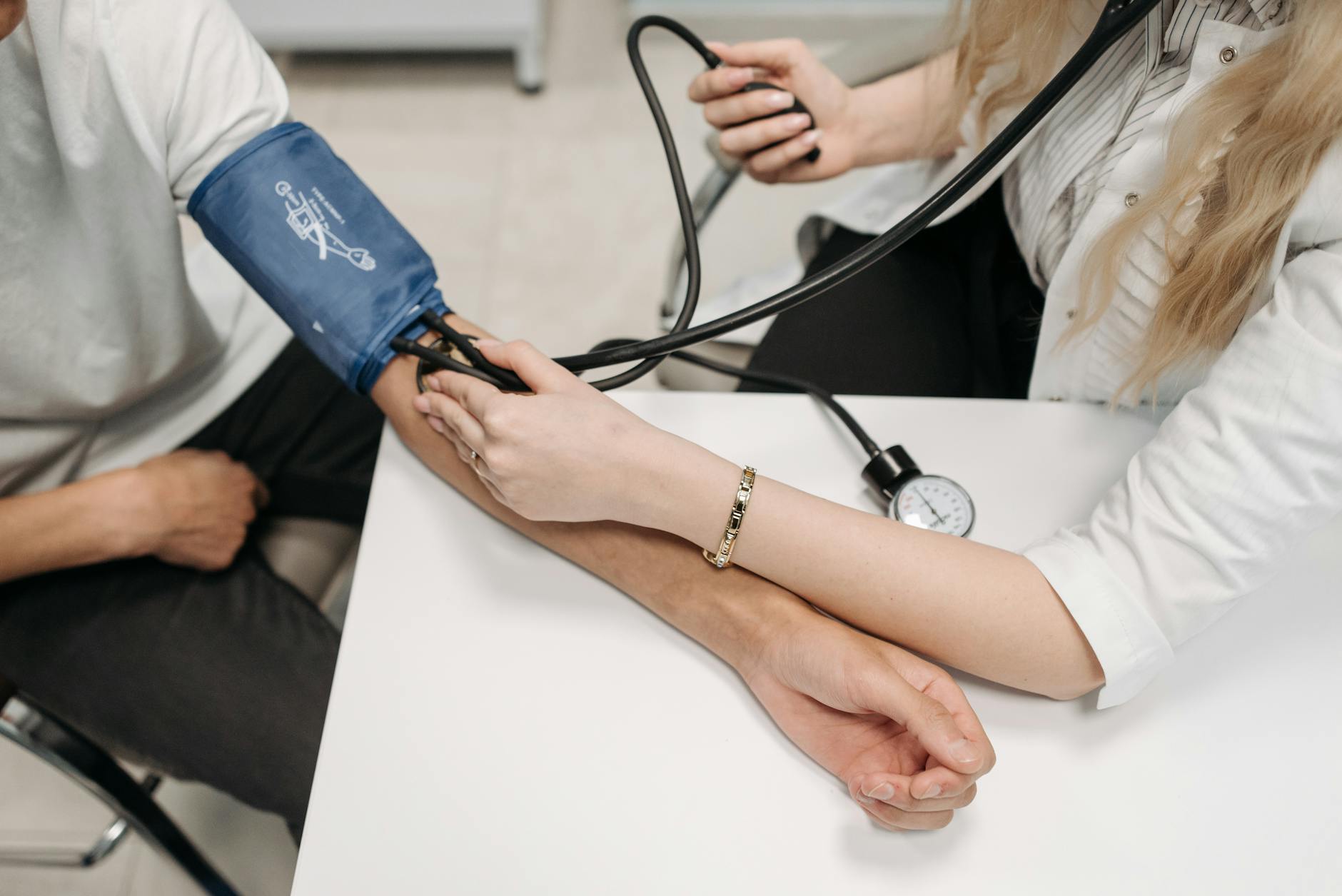
For home monitoring, technique matters. Sit quietly for five minutes first, with your back supported, feet flat on the floor, and the cuff on a bare arm at heart level. Avoid caffeine, exercise, and smoking for 30 minutes before measuring. Take two readings one minute apart and record both. A single high reading does not establish a diagnosis — clinicians look for a pattern of elevated readings across multiple days. That is because blood pressure fluctuates naturally with activity, stress, and even conversation.
Two phenomena make self-assessment especially unreliable. White-coat hypertension occurs when readings are high in a medical office but normal at home — a reaction to the stress of being in a clinical setting. Masked hypertension is the opposite: readings are normal in the office but elevated during daily life. Both are common enough that a single reading, whether in a clinic or at home, is never the whole story.
When to See a Doctor
Routine measurement — not body awareness — is the entire point of hypertension screening. The U.S. Preventive Services Task Force recommends annual screening in adults 40 and older, and in younger adults who have risk factors such as obesity, diabetes, a family history of hypertension, or a history of pregnancy-related high blood pressure. For healthy younger adults with normal readings, screening every three to five years is reasonable.
Call your clinician and arrange a visit if your home readings are consistently at or above 130/80 mmHg on multiple separate days. If you already take blood pressure medication, do not stop it because you feel fine — the medication may be exactly why you feel fine, and abrupt withdrawal can trigger a dangerous rebound spike.
A patient who monitors blood pressure correctly knows their numbers the way they know their weight — not because they feel symptoms, but because they measure regularly. A home log of morning and evening readings across one week gives a clinician far better information than a single office visit, and it catches both white-coat and masked hypertension.
Seek emergency care if you have a reading of 180/120 mmHg or higher accompanied by any of the crisis symptoms listed above. If the reading is that high but you feel completely well, still contact a healthcare provider the same day — a hypertensive urgency can be managed, but only once it is on someone's radar.
Frequently Asked Questions
Can I feel when my blood pressure is high?
No. There is no reliable sensation associated with elevated blood pressure. The body does not have pain receptors inside the arteries that signal pressure levels, and the gradual adaptation that occurs in chronic hypertension makes high readings feel completely normal. The only way to know your blood pressure is to measure it with a validated cuff.
I never get headaches — does that mean my blood pressure is fine?
Not at all. The absence of headaches is not evidence that your blood pressure is healthy. Most people with hypertension have no headaches at all, and many people with headaches have entirely normal blood pressure. Headache is only a meaningful clue when blood pressure is extremely high — typically at crisis levels of 180/120 mmHg or above.
My home monitor shows a high reading but I feel fine. Should I go to the emergency room?
That depends on the number. If the reading is 180/120 mmHg or higher and you feel fine, contact a healthcare provider the same day — it is classified as hypertensive urgency, not emergency. If that reading is accompanied by chest pain, severe headache, shortness of breath, vision changes, or confusion, call 911 immediately.
Can stress cause high blood pressure symptoms?
Stress can cause temporary spikes in blood pressure, and anxiety can produce real physical symptoms such as a racing heart, sweating, chest tightness, and dizziness. But those symptoms are driven by the stress response, not by the pressure itself. Chronic hypertension is still typically silent, regardless of whether a person feels anxious or calm.
How often should I check my blood pressure at home?
For an initial assessment, take two readings in the morning and two in the evening over seven days, and record the average. Once your blood pressure is well controlled, many clinicians recommend checking one to two times per week, or on a schedule they specify. Avoid obsessive checking — frequent monitoring in anxious individuals can produce misleading high readings and unnecessary worry.
- No, high blood pressure does not always cause symptoms — most people with hypertension feel perfectly well even with dangerously elevated readings.
- The CDC estimates that nearly half of U.S. adults have hypertension, and many are unaware of it because the condition is silent.[1]
- Headaches, dizziness, nosebleeds, and facial flushing are not reliable warning signs of routine elevated blood pressure.[2]
- Symptoms typically emerge only during a hypertensive crisis — defined by the American Heart Association as 180/120 mmHg or higher.[4]
- The only reliable way to know your blood pressure is to measure it with a validated cuff; home readings or in-office screening are the foundation of diagnosis.
- Untreated silent hypertension progressively damages the heart, brain, kidneys, eyes, and arteries — often with no warning before a major event like a heart attack or stroke.
- Centers for Disease Control and Prevention — High Blood Pressure Facts (hypertension prevalence and awareness data), CDC, 2026.
- American Heart Association — What is High Blood Pressure? / high blood pressure symptoms and complications patient education resource, AHA, 2026.
- American College of Cardiology / American Heart Association — 2017 ACC/AHA Guideline for the Prevention, Detection, Evaluation, and Management of High Blood Pressure in Adults (blood pressure classification categories).
- American Heart Association — Hypertensive Crisis: When to Call 911 / management of severely elevated blood pressure, AHA, 2026.