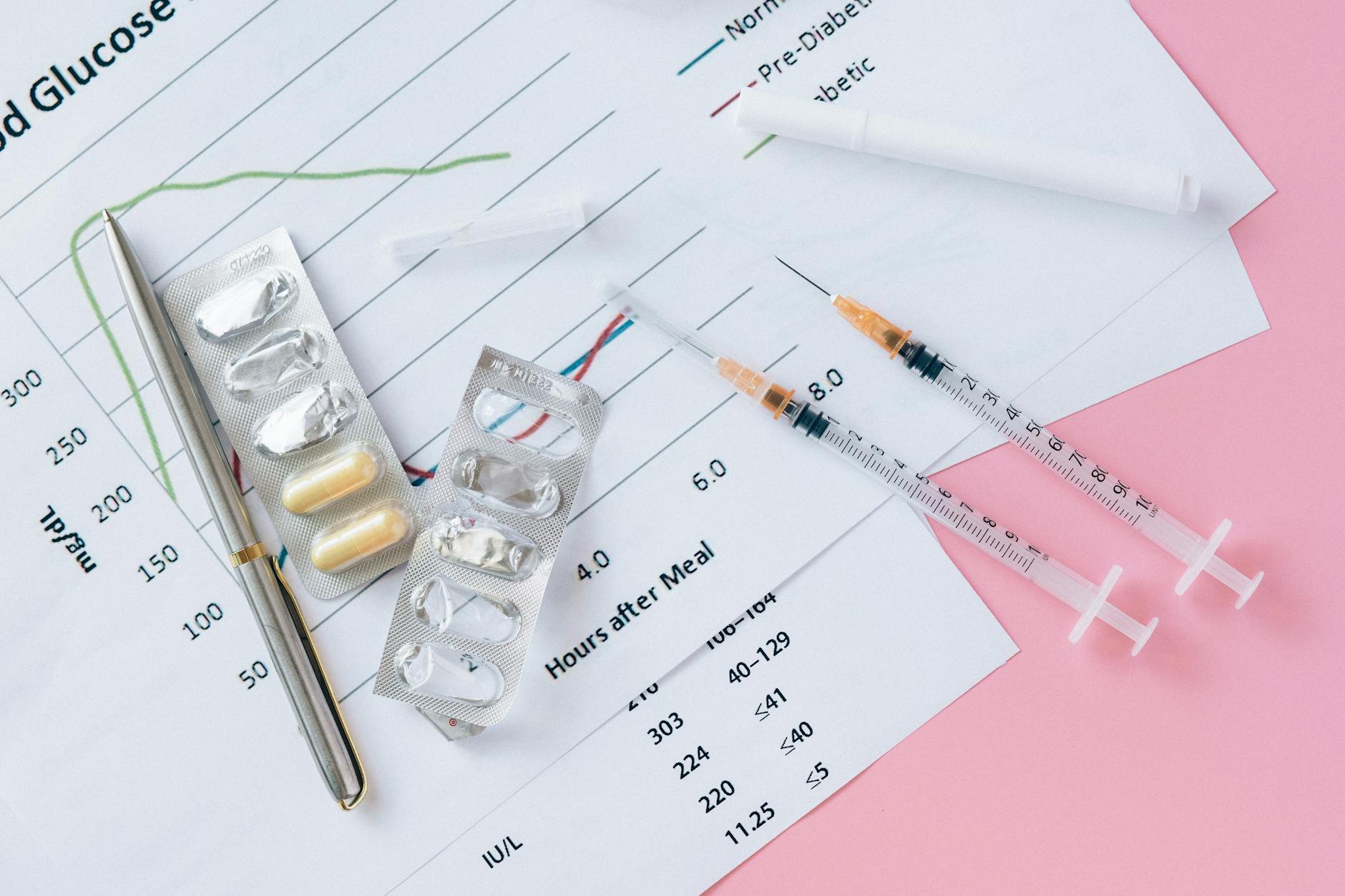
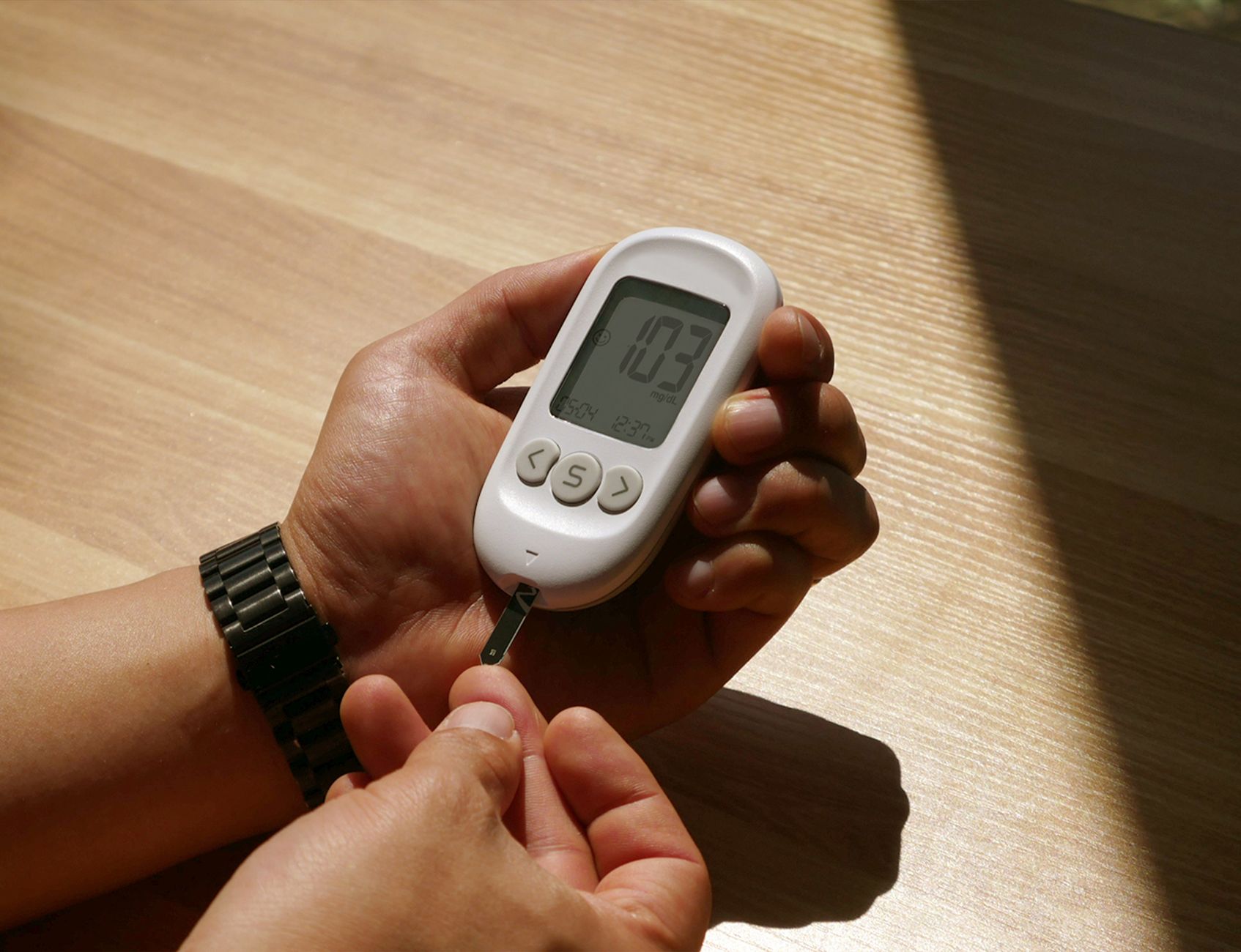
Millions of adults walk around with elevated blood glucose every day and feel perfectly fine—until complications emerge. Here is what silent hyperglycemia looks like, who is at risk, and how to find out if you are affected.
Yes, you can have high blood sugar and not know it—this is called asymptomatic hyperglycemia. According to the CDC National Diabetes Statistics Report, about 1 in 5 adults with diabetes (22%) are undiagnosed[1], and many more have prediabetes without noticeable symptoms. The condition is often discovered only during routine blood work or after complications have developed.
What Is Silent Hyperglycemia?
Silent hyperglycemia refers to a state where blood glucose levels are persistently elevated above the normal range but the person experiences no symptoms such as excessive thirst, frequent urination, or blurred vision. It is the physiological equivalent of a slow leak—damage accumulates even when you feel fine.
The American Diabetes Association (ADA) defines normal fasting glucose as below 100 mg/dL (5.6 mmol/L) and normal post-meal glucose as below 140 mg/dL (7.8 mmol/L). Levels between 100 and 125 mg/dL (5.6–6.9 mmol/L) on fasting tests indicate prediabetes, and 126 mg/dL (7.0 mmol/L) or higher is used to diagnose diabetes[2].
Approximately 98 million U.S. adults—more than 1 in 3—have prediabetes, and according to the CDC, more than 80% of them do not know it[1]. That is a staggering example of silent hyperglycemia in action.
Who Is at Risk? Key Factors That Raise the Odds
Silent hyperglycemia does not discriminate, but certain profiles significantly increase the likelihood. Below are the major risk factors, each backed by clinical evidence.
Excess body weight and physical inactivity
Visceral fat—especially around the abdomen—promotes insulin resistance. A body mass index of 25 kg/m² or higher (23 in Asian populations) is a major risk factor. Sedentary behavior further blunts glucose disposal by skeletal muscle.
Family history and ethnicity
Having a first-degree relative with type 2 diabetes roughly doubles your risk. Additionally, people of African, Hispanic/Latino, Native American, Asian-American, or Pacific Islander descent face higher rates of undiagnosed hyperglycemia due to genetic and socioeconomic factors[1].
Age over 45
Insulin sensitivity naturally declines with age. The ADA recommends screening begin at age 45 for everyone, regardless of other risk factors. Among adults aged 65 and older, the prevalence of diabetes reaches nearly 30%[2].
History of gestational diabetes or polycystic ovary syndrome (PCOS)
Women who had gestational diabetes have up to a 60% chance of developing type 2 diabetes within 5–10 years. PCOS is strongly linked to insulin resistance, even in lean women.
Hypertension or abnormal cholesterol
High blood pressure (≥130/80 mm Hg), low HDL cholesterol (<40 mg/dL in men, <50 mg/dL in women), or elevated triglycerides (≥150 mg/dL) are all components of the metabolic syndrome that often accompanies silent hyperglycemia.
Why Symptoms Are Often Absent—Until They Are Not
Classic hyperglycemia symptoms—polydipsia (excessive thirst), polyuria (frequent urination), polyphagia (excessive hunger), and unexplained weight loss—typically appear only when blood glucose exceeds the renal threshold of about 180 mg/dL (10 mmol/L) for a sustained period. Below that level, the kidneys can reabsorb most glucose, and the body compensates quietly.
Many people with early type 2 diabetes or prediabetes have fasting glucose levels between 100 and 150 mg/dL—enough to damage blood vessels over years, but not high enough to trigger osmotic diuresis or the classic triad. A person might notice only subtle fatigue, mild blurry vision after meals, or slightly slower healing of cuts, but these are easily dismissed.
A 2025 analysis in Diabetes Care (summarized by the ADA) found that the average duration of undiagnosed type 2 diabetes is 4–7 years[2]. During that window, retinal damage, kidney strain, and nerve dysfunction can begin.
How Is Silent High Blood Sugar Diagnosed?
Because symptoms are unreliable, diagnosis relies entirely on blood tests. The ADA recommends three standard lab tests, each with established cutoff values[2]:
| Test | Normal | Prediabetes | Diabetes |
|---|---|---|---|
| Fasting Plasma Glucose (FPG) | <100 mg/dL | 100–125 mg/dL | ≥126 mg/dL |
| Oral Glucose Tolerance Test (OGTT), 2-hour | <140 mg/dL | 140–199 mg/dL | ≥200 mg/dL |
| Hemoglobin A1C | <5.7% | 5.7%–6.4% | ≥6.5% |
A single abnormal result requires a confirmatory repeat test on a different day. The A1C test reflects average glucose over the previous 2–3 months and does not require fasting, making it a convenient screening tool.
Complications That Can Arise Before You Know
The real danger of silent hyperglycemia is the complications that can develop without warning. Here is what can happen during the undiagnosed years:
Microvascular damage—retinopathy, nephropathy, and neuropathy—can begin at glucose levels well below the symptomatic threshold. An estimated 20% of adults with newly diagnosed type 2 diabetes already have some degree of diabetic retinopathy at the time of diagnosis[3].
Cardiovascular strain. Chronic high glucose accelerates atherosclerosis, doubling the risk of heart attack and stroke even when symptoms are absent.[4]
Kidney stress. Elevated glucose forces the kidneys to filter extra fluid and glucose, eventually scarring the filtration units (glomeruli). Early-stage chronic kidney disease has no symptoms.
Nerve damage. Peripheral neuropathy may first present only as mild numbness or tingling in the feet—often dismissed as "feet falling asleep" from sitting.
When Should You Get Tested?
The ADA advises that all adults begin screening at age 45, with repeat testing every 3 years. However, if you have any of the risk factors listed earlier—overweight, family history, hypertension, PCOS, or a history of gestational diabetes—testing should start earlier and be done annually[2].
A simple finger-stick A1C or fasting glucose can be done at a primary care visit. You do not need symptoms to justify the test. In fact, the absence of symptoms is the very reason for routine screening.
Many people assume that if they feel fine, their blood sugar must be fine. That is precisely the misconception that allows silent hyperglycemia to persist. Feeling good is not a reliable indicator of normal glucose metabolism.
Frequently Asked Questions
How often can you have high blood sugar without symptoms?
Very often. Studies using continuous glucose monitoring (CGM) show that people with prediabetes can spend hours each day above 140 mg/dL without noticing any change in how they feel. It is not rare—it is the rule.
Can stress cause high blood sugar without you knowing?
Yes. Physical stress (illness, surgery) and emotional stress trigger cortisol and adrenaline release, which can raise blood glucose acutely. In someone with borderline glucose control, this transient elevation may go completely unnoticed.
Is it possible to have high blood sugar and not be diabetic?
Absolutely. Prediabetes is defined by elevated glucose that does not yet meet the threshold for diabetes. It is still high blood sugar and still carries health risks, but it is not classified as diabetes.
What is the best test to find silent high blood sugar?
The A1C test is the most practical screening tool because it does not require fasting and reflects average glucose over 2–3 months. However, the oral glucose tolerance test (OGTT) is more sensitive for detecting post-meal spikes. Discuss with your doctor which test is best for you.
- More than 1 in 5 people with diabetes are undiagnosed; most feel no symptoms.
- Silent hyperglycemia can begin at fasting glucose levels as low as 100 mg/dL (prediabetes).
- Routine screening (A1C or fasting glucose) is the only way to detect it reliably.
- Even silent hyperglycemia raises the risk of retinopathy, nephropathy, neuropathy, and cardiovascular disease.
- If you are 45 or older or have any risk factor (overweight, family history, hypertension), get tested—even if you feel fine.
- Centers for Disease Control and Prevention. National Diabetes Statistics Report, 2024. Atlanta, GA: CDC; 2024. Accessed May 2026.
- American Diabetes Association. Standards of Care in Diabetes—2025. Diabetes Care. 2025;48(Suppl 1):S1–S306. Section 2: Classification and Diagnosis.
- Centers for Disease Control and Prevention. Diabetic Retinopathy — Data and Statistics. Updated 2023. Accessed May 2026.
- American Heart Association. Cardiovascular Disease and Diabetes. Circulation. 2023;147(25):e1091–e1106. Accessed May 2026.