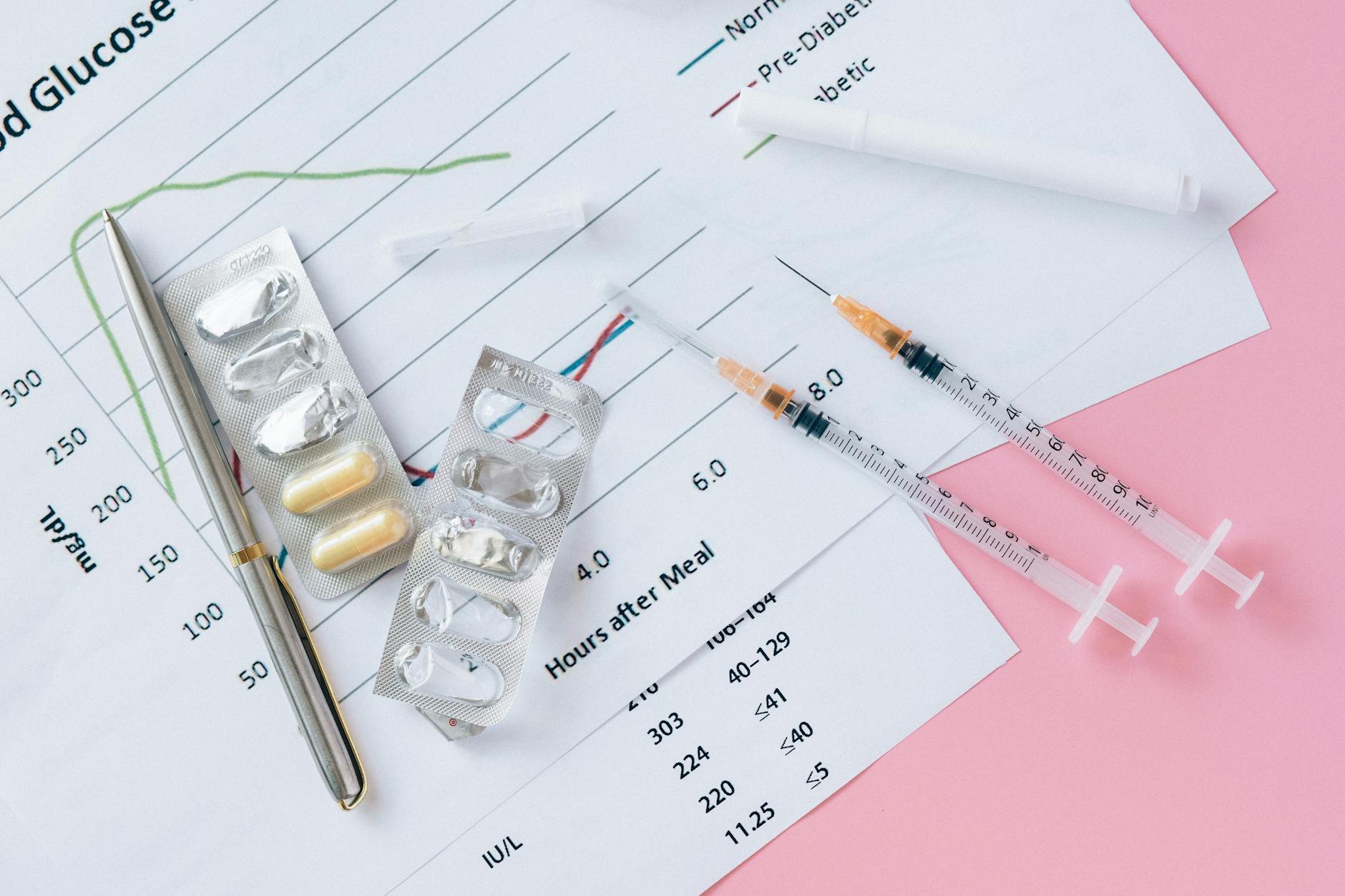
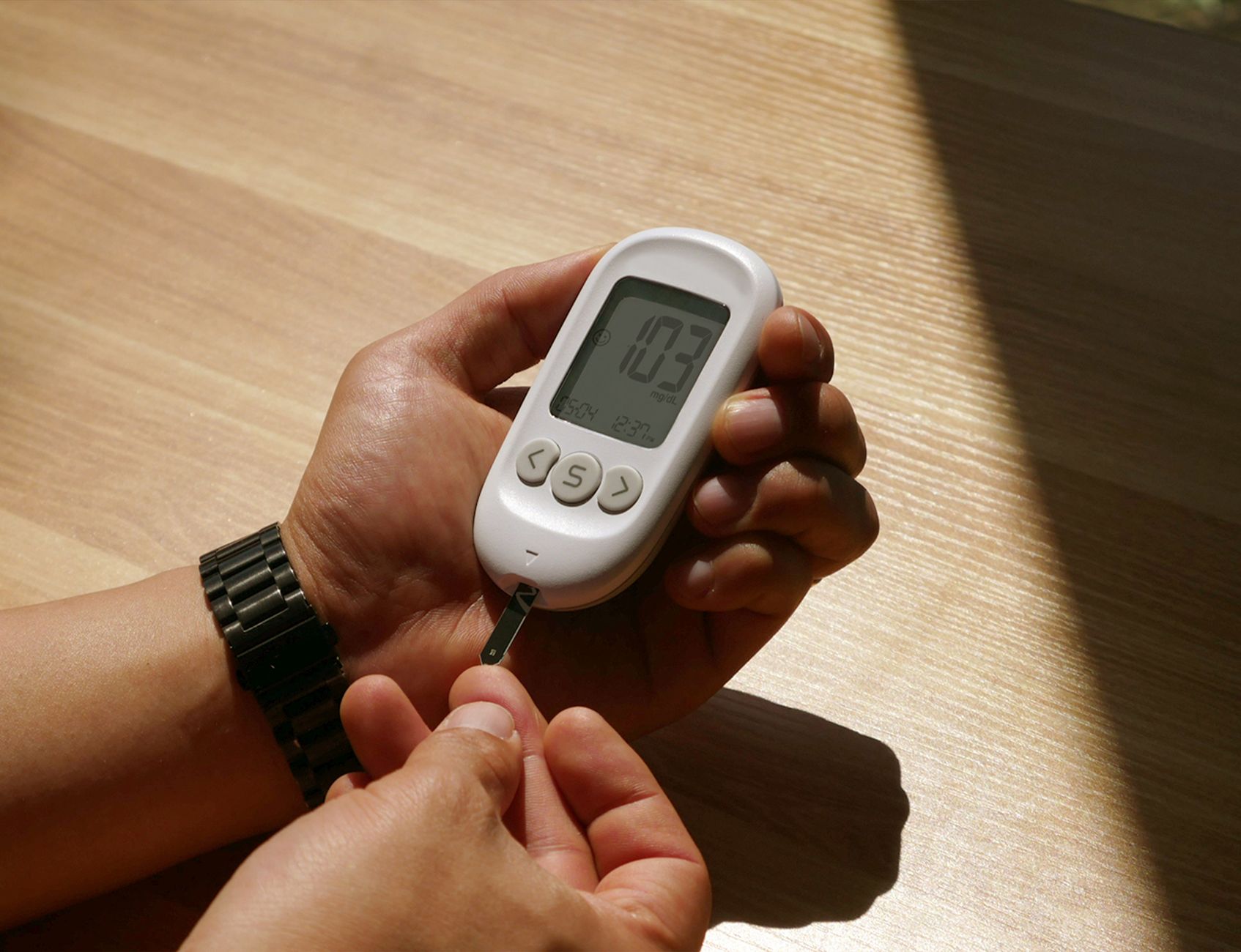
The link between diabetes and depression is real, bidirectional, and clinically significant. Here’s how high blood sugar affects the brain and what you can do about it.
Yes, diabetes can cause depression. People with diabetes are 2 to 3 times more likely to develop depression than the general population [1]. The relationship goes both ways: diabetes-related biological changes (inflammation, glucose swings) disrupt mood-regulating brain chemicals, and the emotional burden of managing a chronic disease can trigger or worsen depressive symptoms. Screening and integrated care improve outcomes for both conditions.
- The Diabetes-Depression Connection: A Two-Way Street
- Why Diabetes Affects Your Brain and Mood
- Key Statistics on Diabetes and Depression
- Recognizing Depression When You Have Diabetes
- Who Is Most at Risk?
- Integrated Treatment: Managing Both Conditions Together
- When to Talk to Your Healthcare Team
- Frequently Asked Questions
The Diabetes-Depression Connection: A Two-Way Street
For years, clinicians observed that patients with diabetes reported higher rates of depression, but the direction of causality was debated. Large meta-analyses now show the relationship is bidirectional: diabetes increases the risk of developing depression, and depression independently raises the risk of developing type 2 diabetes [2].
When blood glucose levels run consistently high, the brain suffers. Chronic hyperglycemia damages small blood vessels that supply mood-regulating regions, promotes inflammation that disrupts neurotransmitter function (especially serotonin and dopamine), and creates oxidative stress that impairs neural signaling. At the same time, the daily demands of diabetes—monitoring glucose, counting carbohydrates, managing medications, fearing complications—can drain emotional reserves and trigger or unmask a depressive episode.
The American Diabetes Association’s Standards of Care in Diabetes—2025 now recommend routine depression screening for all adults with diabetes, beginning at the initial visit and repeating annually [3]. This reflects growing recognition that failing to treat depression in a person with diabetes worsens glycemic control, reduces medication adherence, and increases the risk of diabetic complications.
Why Diabetes Affects Your Brain and Mood
Several biological pathways explain how diabetes can directly cause or worsen depression. Each mechanism reinforces the others, creating a cascade that can be hard to interrupt without targeted treatment.
Chronic inflammation. Elevated blood sugar triggers the release of pro-inflammatory cytokines (IL-6, TNF-alpha). These molecules cross the blood-brain barrier and alter the metabolism of serotonin and dopamine, the brain’s primary mood-regulating chemicals.
Hypoglycemia and glycemic variability. Rapid drops in glucose (hypos) provoke anxiety, irritability, and a surge of cortisol and adrenaline. Repeated episodes sensitize the brain’s stress-response system, contributing to depressive symptoms.
Microvascular damage. Uncontrolled diabetes damages small cerebral vessels, reducing blood flow to the prefrontal cortex and hippocampus—areas critical for emotion regulation and memory.
Hypothalamic-pituitary-adrenal (HPA) axis dysregulation. Diabetes disrupts the body’s cortisol rhythm. Chronically elevated cortisol is a well-established risk factor for major depressive disorder.
In addition to these direct biological effects, the psychological burden of living with a demanding chronic illness—sometimes called diabetes distress—can amplify or mimic depression. Diabetes distress involves feelings of frustration, burnout, and worry about future complications. While distinct from clinical depression, it often coexists and can evolve into a full depressive episode if left unaddressed.
Key Statistics on Diabetes and Depression
The numbers underscore an urgent public health gap. A 2023 systematic review in Diabetes Care found that depression in people with diabetes was associated with a 1.5-fold increase in all-cause mortality and a 1.3-fold increase in cardiovascular events [4]. Treating depression in this population significantly improves A1C levels—by an average of 0.4% to 0.6% in pooled analyses—which translates to meaningful reductions in complications over time.
Recognizing Depression When You Have Diabetes
Depression can appear differently in someone with diabetes because some symptoms overlap with diabetes itself (fatigue, appetite changes, sleep disturbances). Use the following warning signs to distinguish diabetes-related mood changes from a treatable depressive disorder.
A validated screening tool your doctor may use is the PHQ-9 questionnaire. A score of 10 or higher suggests moderate to severe depression and warrants a formal evaluation. The ADA recommends routine PHQ-9 screening at diabetes annual visits [3].
Who Is Most at Risk?
While anyone with diabetes can develop depression, certain factors raise the risk substantially. Understanding these can help you and your healthcare team stay ahead of the problem.
| Risk Factor | Why It Increases Depression Risk | What You Can Do |
|---|---|---|
| Poor glycemic control (A1C > 8%) | Ongoing high glucose damages brain tissue and fuels inflammation | Work with your endocrinologist to adjust medications or lifestyle |
| History of hypoglycemia unawareness | Recurrent low blood sugar sensitizes the stress system and causes fear | Use continuous glucose monitoring (CGM) to detect patterns |
| Younger age at diagnosis (< 40 years) | Longer disease duration and greater daily burden | Prioritize mental health early; consider peer support groups |
| Presence of diabetic complications | Physical symptoms (pain, vision loss, neuropathy) amplify emotional distress | Treat complications aggressively; connect with pain management |
| Prior history of depression or anxiety | Vulnerability to recurrence under stress | Maintain ongoing therapy or medication, even when feeling well |
| Social isolation or low socioeconomic support | Less access to care, food, or emotional support | Ask your clinic about social work or community health worker programs |
Integrated Treatment: Managing Both Conditions Together
Treating depression in someone with diabetes is different from treating it in the general population. The goal is collaborative care—a team-based approach that addresses glucose control and mood simultaneously, because treating one improves the other.
Psychotherapy. Cognitive behavioral therapy (CBT) and problem-solving therapy have the strongest evidence for reducing depressive symptoms in people with diabetes. CBT helps reframe negative thoughts about self-care and builds coping skills for diabetes distress.
Antidepressant medication. Selective serotonin reuptake inhibitors (SSRIs) such as sertraline and escitalopram are first-line choices because they do not worsen glycemic control. Bupropion may also be used and can aid with energy and concentration. The FDA has not approved any antidepressant specifically for diabetes-related depression, but these agents are widely studied in this population.
Diabetes-specific counseling. A certified diabetes care and education specialist (CDCES) can help you build realistic self-management skills that reduce diabetes distress and, in turn, improve mood.
Monitoring and feedback. Using a CGM or regular blood glucose logs lets you and your care team see how mood changes track with glucose swings—and adjust strategies in real time.
A landmark randomized trial (TEAMcare) published in Diabetes Care showed that collaborative care—combining a care manager, regular PHQ-9 monitoring, stepped medication protocols, and diabetes education—led to a 50% greater reduction in depression severity compared to usual care, and also improved A1C, blood pressure, and quality of life [5].
When to Talk to Your Healthcare Team
You do not need to have a full-blown depressive episode to seek help. If you answer yes to any of the following, schedule a discussion with your primary care provider, endocrinologist, or a mental health professional who understands diabetes:
- You have felt down, hopeless, or disinterested for two weeks or longer.
- Your blood sugar readings have been unusually high or erratic and you cannot pinpoint a medical reason.
- You are skipping insulin doses, omitting meals, or avoiding glucose checks because you feel overwhelmed.
- Family members or friends have commented on changes in your mood or behavior.
- You have had thoughts about harming yourself or ending your life—call 988 immediately.
Remember that depression is a medical condition, not a character flaw. Treating it can dramatically improve your diabetes outcomes and your overall quality of life.
Frequently Asked Questions
Can high blood sugar cause depression directly?
Yes, through multiple biological pathways. Chronically elevated glucose promotes brain inflammation, disrupts neurotransmitter synthesis, damages small cerebral vessels, and dysregulates cortisol rhythms—all of which can lead to depressive symptoms independent of emotional or lifestyle factors.
Is diabetes distress the same as depression?
No, but they often overlap. Diabetes distress is the emotional burden specifically related to diabetes management—frustration with numbers, worry about complications, burnout from constant vigilance. Depression is a broader disorder involving pervasive low mood, loss of interest, and changes in sleep, appetite, and concentration. A person can have both, and diabetes distress can evolve into clinical depression if untreated.
Can treating depression improve my A1C?
Yes. Meta-analyses show that effective depression treatment (CBT, SSRIs, or both) leads to an average A1C reduction of 0.4% to 0.6%. This is likely because improved mood boosts motivation for self-care—better adherence to medications, glucose monitoring, and healthy eating.
How do I ask my doctor about depression screening?
You can say: “I’ve been feeling down and having trouble managing my diabetes. I’ve read that depression is common in people with diabetes. Can you screen me with the PHQ-9 questionnaire or refer me to a therapist who works with diabetes patients?” Most healthcare teams are familiar with this screening and will support your request.
Are there any diabetes medications that help with depression?
Some glucose-lowering agents show potential mood benefits in early research, but none are FDA-approved for depression. GLP-1 receptor agonists (e.g., semaglutide) and metformin have been associated with modest improvements in depressive symptoms in observational studies, likely through anti-inflammatory mechanisms. However, antidepressant medication and psychotherapy remain the standard treatments for depression in this population.
- Diabetes significantly increases the risk of developing depression—people with diabetes are 2–3 times more likely to experience major depressive disorder.
- The link is biological (inflammation, glucose-driven brain changes) and psychological (chronic disease burden).
- Routine depression screening with the PHQ-9 is recommended for all adults with diabetes by the ADA.
- Integrated treatment—combining CBT, SSRIs, and diabetes self-management education—improves both mood and glycemic control.
- Untreated depression worsens diabetes outcomes; treating it reduces A1C by 0.4%–0.6% on average.
- If you experience persistent sadness, loss of interest, or thoughts of self-harm, speak with your healthcare team immediately.
- American Diabetes Association. Standards of Care in Diabetes—2025. Diabetes Care. 2025;48(Suppl 1). https://diabetes.org
- CDC National Diabetes Statistics Report. Prevalence of comorbid depression among adults with diagnosed diabetes—United States, 2021–2023. https://www.cdc.gov/diabetes/data
- American Diabetes Association. Section 5: Facilitating Behavior Change and Well-being to Improve Health Outcomes. Standards of Care in Diabetes—2025. Diabetes Care. 2025;48(Suppl 1):S77–S89.
- Park M, Reynolds CF. Depression and mortality in type 2 diabetes: a systematic review and meta-analysis. Diabetes Care. 2023;46(8):1557–1566.
- Katon WJ, Lin EHB, Von Korff M, et al. Collaborative care for patients with depression and chronic illnesses. N Engl J Med. 2010;363:2611–2620.