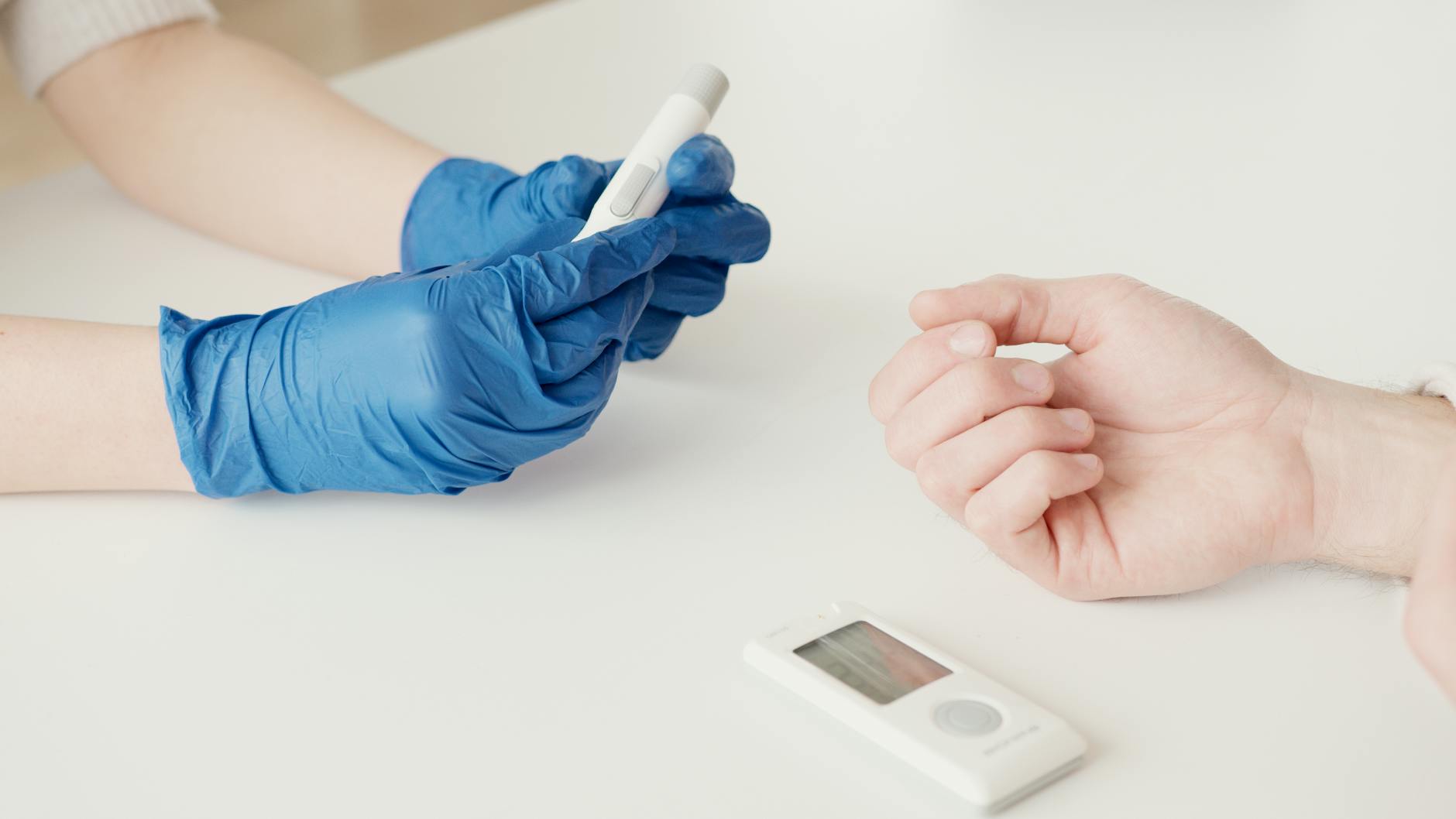
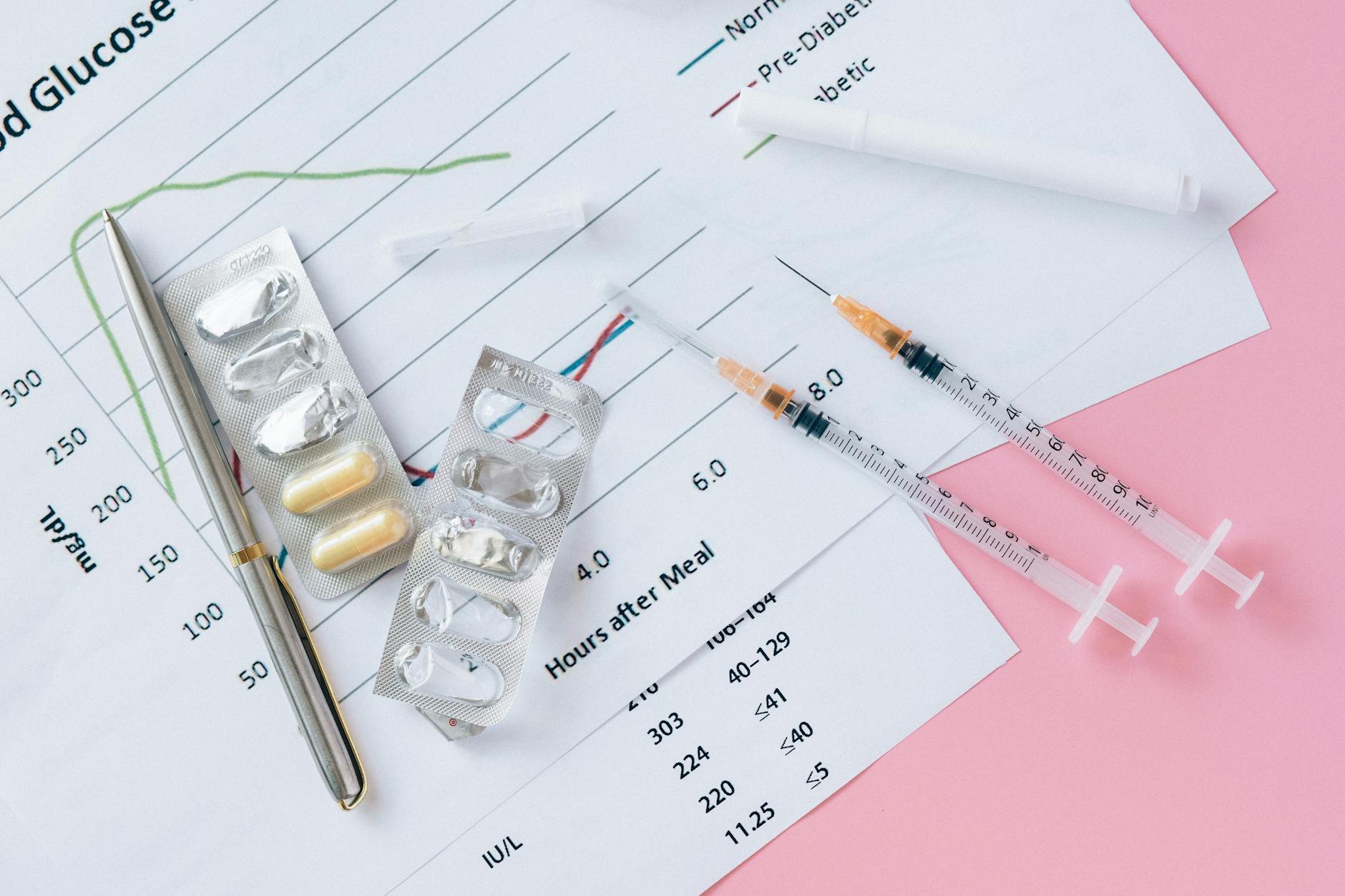
You ate no carbs, yet your glucose reading climbs anyway. Blood sugar doesn’t only come from food — your liver can make its own glucose. Here’s why that happens and what you can do about it.
Blood sugar does not require dietary carbohydrates. Your liver continuously releases glucose from glycogen and manufactures new glucose from protein, fat byproducts, lactate, and glycerol through a process called gluconeogenesis. When insulin is deficient or ineffective, that built-in glucose production is not suppressed — so carbohydrates are not needed for blood sugar to rise. Common non-food triggers include the dawn phenomenon, stress hormones, illness, sleep deprivation, medications, dehydration, and even large protein meals.
- Where Is the Glucose Coming From If It’s Not in Your Food?
- Eight Reasons Blood Sugar Rises Without Carbohydrates
- What Blood Sugar Level Actually Counts as “High”?
- Emergency Warning Signs of a Dangerous Glucose Rise
- What to Do When Your Sugar Goes Up on a Carb-Free Day
- When to Talk to a Doctor — and What to Bring to the Visit
- Common Questions About Blood Sugar Rises Without Carbs
Where Is the Glucose Coming From If It’s Not in Your Food?
Endocrinologists see this scenario every week: someone tightly restricts carbohydrates, their post-meal sugars look excellent — and yet their fasting or middle-of-the-night glucose drifts upward, sometimes into the 140s or 160s mg/dL. The confusion is understandable if you assume blood glucose equals dietary sugar. It doesn’t.
Your body treats glucose as a survival molecule. It maintains a continuous supply even during a 24-hour fast. Three internal sources supply that glucose beyond your plate:
- Glycogenolysis — the breakdown of stored glycogen, primarily from the liver. Liver glycogen stores are modest and usually last only several hours, but overnight they are a major contributor to early-morning glucose.
- Gluconeogenesis — the liver (and, to a smaller extent, the kidneys) builds new glucose from non-carbohydrate precursors: lactate, glycerol from fatty acids, and glucogenic amino acids such as alanine and glutamine.
- Recycling of glucose byproducts — lactate and pyruvate are shuttled back to the liver, where they are reassembled into glucose via the Cori cycle.
In a person without diabetes, insulin acts as the brake on these processes. Between meals, the pancreas releases low-level basal insulin that tells the liver, in effect: “do not dump stored glucose; do not manufacture more.” Muscle and fat tissue also respond by taking up a small amount of glucose for ongoing energy needs. The result is a perfectly stable glucose concentration, usually between 70 and 99 mg/dL after overnight fasting for people without diabetes.[1]
In diabetes — especially type 2 — the brake loses its grip. When insulin resistance is high or insulin production is falling, the liver becomes less responsive to insulin’s suppression signal. Hepatic glucose output continues even though blood glucose is already adequate. In type 1 diabetes, the problem is even more direct: without sufficient exogenous basal insulin, there is no internal signal strong enough to stop the liver from pouring glucose out around the clock.
That is why healthcare providers rarely ask only “what did you eat?” when interpreting a high glucose number. The more useful question is often “what was your insulin doing at that moment?” Because if carbohydrate intake is low but endogenous glucose production is high, your blood sugar can rise for reasons completely disconnected from your fork.
Eight Reasons Blood Sugar Rises Without Carbohydrates
If you’ve verified that you truly ate near-zero carbohydrates and your glucose still went up, one of these eight mechanisms is usually at work.
1. The dawn phenomenon — your body’s preset morning alarm
Between roughly 2:00 and 8:00 a.m., your body releases a surge of growth hormone, cortisol, glucagon, and catecholamines. These counterregulatory hormones instruct the liver to release glucose so you have energy to wake up. This is not abnormal in itself; it happens in people with and without diabetes.[2] The difference is that someone without diabetes releases a matching burst of insulin that keeps the glucose rise mild. If your pancreas cannot keep up, or your insulin dose is not timed to cover those early-morning hours, glucose climbs — often with no dinner carbohydrate involved at all.
2. Unsuppressed basal hepatic glucose output (fasting hyperglycemia)
Even outside the dawn window, your liver generates glucose whenever you are not eating. In type 2 diabetes, elevated glucagon levels and weakened insulin signaling mean gluconeogenesis simply continues at an inappropriately high rate. This is the most common reason people with type 2 diabetes wake to fasting glucose readings above 126 mg/dL despite an honest zero-carb day.[1] Excess fat stored in the liver makes the problem worse, since fatty liver further reduces insulin’s ability to silence hepatic glucose output.
3. Physical stress — infections, injuries, and hidden illness
A urinary tract infection, a tooth abscess, a cold, or even a minor surgical wound triggers inflammatory cytokines and stress hormones. Those signals tell the liver to mobilize glucose for the immune system and for healing. Blood sugar can rise dramatically before you even feel sick, which is why many people discover an unrelated illness only after they notice unexplained glucose spikes on a low-carb diet.
4. Emotional stress and cortisol
Anxiety, grief, work pressure, and even positive but overwhelming events activate the sympathetic nervous system. Epinephrine and norepinephrine stimulate glycogen breakdown within minutes; cortisol follows more slowly and promotes gluconeogenesis over hours. A single stressful phone call can raise glucose in someone with diabetes — no carbohydrate needed. If stress is chronic, cortisol keeps hepatic glucose production elevated and also blunts insulin sensitivity in muscle tissue.
5. Missed, mistimed, or ineffective insulin and diabetes medication
People with type 1 diabetes or advanced type 2 diabetes depend on exogenous basal insulin to restrain the liver. If long-acting insulin is taken too late, the dose wears off early, or the injection is skipped entirely, hepatic glucose output ramps up. Ketones may follow, because without enough insulin the body also begins breaking down fat for fuel. This is why type 1 diabetes can produce high glucose and ketones even during complete fasting — an issue that has nothing to do with carbohydrate intake.
6. Corticosteroids and other glucose-raising medications
Prednisone and other glucocorticoids are notorious for raising blood sugar, sometimes within hours of the first dose. Steroids increase hepatic gluconeogenesis and directly oppose insulin’s action in muscle and fat. Other medications linked to higher glucose include certain blood-pressure drugs (thiazide diuretics), niacin, beta-blockers, and some antipsychotics. If you are on a carb-free meal plan but begin a new medication and glucose climbs, the prescription list — not the dinner plate — is often the culprit.
7. Large protein-heavy meals — the “steak effect”
Protein is not carbohydrate, but that does not mean it is metabolically invisible. Around 50–60% of the amino acids consumed in a meal can enter gluconeogenesis, especially in people with low insulin reserves. This effect is usually modest and delayed — glucose often rises three to five hours after a very large portion of meat, eggs, or protein shake. In people using mealtime insulin, many clinicians now recommend considering protein when calculating prandial doses for meals containing more than roughly 75 grams of protein.
8. Dehydration, sleep deprivation, and hidden “zero-carb” loopholes
Three everyday issues can independently raise glucose. Dehydration reduces blood volume, concentrating glucose, and also raises stress hormones that stimulate hepatic output. Sleep deprivation increases cortisol and decreases insulin sensitivity after just one night. Finally, “no-carb” packaged foods sometimes contain maltodextrin, tapioca starch, dextrose, or maltitol syrup — ingredients that raise blood sugar despite marketing claims of “sugar-free” or “net-zero carbs.” Check the full ingredient list, not just the nutrition label.
The Somogyi effect — a rebound morning high after late-night hypoglycemia — is less common than the dawn phenomenon, but it still occurs. The only reliable way to tell the difference is a 2:00–3:00 a.m. glucose check or continuous glucose monitoring. If overnight glucose is low around 3:00 a.m. and high by 7:00 a.m., a rebound response may be at work; if glucose is already rising at 3:00 a.m., the dawn phenomenon is more likely.
What Blood Sugar Level Actually Counts as “High”?
When you haven’t eaten carbs, it’s tempting to dismiss an elevated reading as “not real high” because it wasn’t food-driven. But metabolically, the source doesn’t change the diagnostic threshold. Your body does not distinguish between dietary glucose and liver-made glucose when it comes to toxicity; it only sees the final concentration in the blood.
| Measurement | Normal | Prediabetes | Diabetes* |
|---|---|---|---|
| Fasting plasma glucose | 70–99 mg/dL | 100–125 mg/dL | ≥126 mg/dL |
| 2-hour oral glucose tolerance test (75 g) | <140 mg/dL | 140–199 mg/dL | ≥200 mg/dL |
| Hemoglobin A1C | <5.7% | 5.7–6.4% | ≥6.5% |
| Random glucose with classic symptoms | — | — | ≥200 mg/dL |
*Criteria per ADA Standards of Care in Diabetes—2026. A diagnosis requires confirmation with a second test unless clear hyperglycemia symptoms are present.[1]
A fasting glucose of 118 mg/dL is not “okay because I didn’t eat carbs.” It meets the definition of impaired fasting glucose (prediabetes) by ADA criteria.[1] A fasting glucose of 128 mg/dL is diagnostic of diabetes regardless of what your dinner contained. If you’re using continuous glucose monitoring, the relevant clinical target for most adults with diabetes remains fasting/premeal glucose of 80–130 mg/dL and peak post-meal glucose under 180 mg/dL.[1]
For people without diabetes who are wearing a CGM for general health, a fasting level that repeatedly crosses 100 mg/dL deserves the same conversation with a clinician that it would if triggered by pancakes. The diagnostic criteria exist to identify metabolic dysfunction — not to police specific food choices.
Emergency Warning Signs of a Dangerous Glucose Rise
Moderate high blood sugar — say 160–200 mg/dL — is usually not an emergency. But a carb-free high read can escalate into a metabolic crisis when there is virtually no insulin activity, particularly in type 1 diabetes. If the liver produces glucose while the body simultaneously breaks down fat into ketones, diabetic ketoacidosis (DKA) can develop within hours. In type 2 diabetes, extreme dehydration can lead to hyperglycemic hyperosmolar syndrome (HHS), with glucose often climbing above 600 mg/dL.
People with type 1 diabetes should also check urine or blood ketones whenever blood sugar is persistently above 250 mg/dL, especially if vomiting is present. If ketone levels are moderate or large, do not wait for a clinic appointment — go to an emergency department. This is a life-threatening emergency, and it occurs most often in situations where people assume “I ate nothing, so I can’t be in danger.” Unfortunately, the absence of food is precisely what makes insulin deficiency so dangerous: without carbs, the body shifts even faster to fat breakdown and ketone production.
What to Do When Your Sugar Goes Up on a Carb-Free Day
One high reading is a data point, not a verdict. Before making drastic changes, work through this sequence:
Trying to “out-starve” a high fasting glucose usually backfires. Extending your overnight fast to 16–20 hours can raise stress hormones and hepatic glucose output further. For many people with type 2 diabetes, a smaller protein-forward dinner plus a short evening walk produces better fasting numbers than skipping dinner entirely.
If you consistently see a pattern — for example, glucose climbs every night between 3:00 and 6:00 a.m. — collect at least one overnight reading or review your CGM trace before changing medication doses. That timing information tells your clinician whether the problem is dawn phenomenon, waning basal insulin, or post-dinner fat and protein effects. Guessing without data often leads to the wrong medication adjustment.
When to Talk to a Doctor — and What to Bring to the Visit
Not every carb-free glucose rise needs urgent medical attention, but persistent trends do. Make an appointment if you notice any of the following:
- Fasting glucose repeatedly above 130 mg/dL for more than one week, even with consistent low-carb eating.
- Glucose readings above 180 mg/dL at night or between meals that are not explained by stress, illness, or medication changes.
- Recurrent morning readings above 300 mg/dL.
- Unexplained weight loss, extreme thirst, or urination more often than usual — these can accompany insulin deficiency even when dietary carbs are minimal.
- A recent medication addition (steroid, antipsychotic, diuretic, beta-blocker) that coincides with new glucose elevation.
Bring a structured glucose log — not just a list of numbers, but a pattern map. Record dates, times, sleep quality, stress level, meals, and medication timing. If you use a CGM, export the trace and highlight the days that puzzled you. The most useful clinical question is not “Did you eat carbs?” but “What did the 24-hour glucose curve look like relative to your insulin status?” That distinction shapes treatment: some people need a change in basal insulin timing; others benefit from a GLP-1 receptor agonist that suppresses glucagon and hepatic glucose production; others simply need to shift dinner composition or add an evening walk.
If you take insulin and you’re seeing ketones plus high glucose despite a zero-carb day, do not wait for a routine appointment. Contact your diabetes team immediately or seek emergency care. This pattern points to severe insulin deficiency, not dietary indiscretion.
Common Questions About Blood Sugar Rises Without Carbs
Is it normal for blood sugar to go up at night even if I ate no carbs?
A small early-morning rise is normal because of the dawn phenomenon — your body releases hormones that mobilize stored glucose to help you wake. In people without diabetes, that rise stays below roughly 100 mg/dL. In diabetes, the same hormonal surge can push glucose much higher because insulin cannot respond quickly enough. If your 3:00 a.m. glucose is already climbing, discuss basal insulin timing or medication adjustment with your provider.
Does protein really turn into sugar?
Yes, but more slowly and incompletely than carbohydrate. Many amino acids are glucogenic, meaning the liver can convert them into glucose through gluconeogenesis. In someone with robust insulin function, this is a minor effect. In someone with type 1 diabetes or severe insulin-deficient type 2, a very large protein meal can raise glucose for several hours after eating. This is why mealtime insulin dosing sometimes needs to account for protein portions greater than 75 grams.
Can stress alone push blood sugar to 200 without eating carbs?
It is possible, especially in someone who already has diabetes or prediabetes. Severe emotional stress, acute pain, trauma, infection, or even a panic attack can flood the bloodstream with epinephrine and cortisol. Those hormones directly stimulate hepatic glucose production. A glucose level of 200 mg/dL after extreme stress indicates a metabolic system that lacks sufficient insulin reserve to compensate — that deserves a clinical workup, not dismissal.
Do sugar-free or zero-sugar products raise blood sugar?
Some do. Sugar alcohols such as maltitol and sorbitol are partially absorbed and can raise glucose, even though labels list them under “total carbs” inconsistently. Products using maltodextrin or tapioca starch can spike glucose almost like table sugar. Non-caloric sweeteners like aspartame, sucralose, and stevia generally do not raise glucose directly, though individual responses vary. Read the complete ingredient list, not just the front-of-package claims.
What is the dawn phenomenon vs. the Somogyi effect?
Dawn phenomenon is an early-morning rise driven by growth hormone and cortisol — it happens without any preceding low glucose. The Somogyi effect is a rebound high that occurs after an episode of overnight hypoglycemia. The two require opposite treatments: dawn phenomenon often calls for more basal insulin or different timing, while Somogyi calls for less insulin or a different evening dose to prevent the 3:00 a.m. low. A 3:00 a.m. glucose check or CGM is the only reliable way to tell them apart.
Can I develop high blood sugar from not eating enough?
Yes, in a specific way. Prolonged fasting or very severe calorie restriction increases cortisol, glucagon, and epinephrine, which stimulate hepatic glucose output. This is a protective survival response, not a sign of food-induced diabetes. However, if you have diabetes and are taking insulin or sulfonylureas, skipping meals can also drop you into hypoglycemia first, followed by a rebound rise. The healthiest approach is consistent, balanced meals and medication timing rather than crash fasting.
- Blood glucose can rise without dietary carbohydrates because the liver produces glucose through glycogenolysis and gluconeogenesis from amino acids, glycerol, and lactate.
- Unsuppressed hepatic glucose output is the dominant cause of high fasting and between-meal glucose in type 2 diabetes; in type 1, insulin deficiency is the primary driver.
- The dawn phenomenon, stress hormones, sleep deprivation, dehydration, corticosteroids, and large protein meals can all raise glucose on a zero-carb day.
- Diagnostic thresholds — fasting glucose ≥126 mg/dL or A1C ≥6.5% — apply regardless of whether the glucose came from food or the liver.[1]
- Persistent morning glucose above 130 mg/dL or repeated readings above 300 mg/dL warrant medical evaluation, not just stricter carb avoidance.
- Ketoacidosis can occur during fasting if insulin is severely deficient; nausea, vomiting, fruity breath, or confusion with high glucose is an emergency.
- American Diabetes Association. Standards of Care in Diabetes—2026. Diabetes Care. Accessed September 2026. https://diabetes.org
- National Institute of Diabetes and Digestive and Kidney Diseases (NIDDK). The Dawn Phenomenon — What It Is and How to Manage It. Accessed September 2026. https://www.niddk.nih.gov