Severe stress can produce genuinely high blood sugar readings—sometimes past the 200 mg/dL diagnostic threshold. But a temporary stress spike is not the same as having diabetes. This guide explains what stress can and cannot do to blood sugar.
Yes—under intense physical stress such as critical illness, surgery, or major injury, blood glucose can climb above 200 mg/dL, which is in the diabetic range. However, a single stress-induced spike does not mean you have diabetes. True diabetes is diagnosed from sustained elevations (fasting glucose ≥126 mg/dL or A1C ≥6.5%) that persist once the stressor resolves.
- Why Stress Raises Blood Sugar
- What Actually Counts as a Diabetic Level
- Who Crosses the Diabetic Threshold Under Stress
- Recognizing Stress-Driven Hyperglycemia
- Confirming Diabetes after the Stress Resolves
- Practical Steps to Keep Stress from Driving Glucose Up
- When to See a Doctor or Seek Emergency Care
- Frequently Asked Questions
Why Stress Raises Blood Sugar: The Physiology First
Stress activates your sympathetic nervous system and your hypothalamic-pituitary-adrenal (HPA) axis. In seconds, your adrenal glands release epinephrine (adrenaline) and norepinephrine. Over the next minutes to hours, cortisol follows. All three are potent counter-regulatory hormones—that is, they oppose the glucose-lowering work of insulin.
Epinephrine acts quickly to stimulate glycogenolysis, the breakdown of stored glycogen in the liver into free glucose. It also signals the liver to begin gluconeogenesis, manufacturing new glucose from amino acids and glycerol. Meanwhile, cortisol amplifies these effects and makes muscle and fat cells less responsive to insulin, so glucose stays in the bloodstream longer rather than being shuttled into tissues.
Stress hormones are designed to protect you during a threat. Their side effect is that they mobilize fuel—and that fuel shows up on a glucose meter.
This response is not abnormal. A person with no diabetes who is startled, anxious, sleep-deprived, fighting an infection, or recovering from surgery will often register a glucose level higher than usual. The magnitude depends on the intensity of the stressor: a deadline at work may move glucose by 10 to 20 mg/dL, while a heart attack or severe infection can push it into the 180s, 200s, or beyond.
For people who already have type 1 diabetes or advanced type 2 diabetes, the effect is stronger because beta cells cannot release enough insulin to override the counter-regulatory surge. That is why sick-day rules for diabetes emphasize more frequent glucose monitoring and often temporary insulin adjustments during physical stress.
The critical nuance for this article is that healthy beta cells normally compensate. When a real stressor produces diabetic-range glucose, it often reveals that the pancreas and tissues were already struggling to maintain glucose control—stress simply exposed the weakness.
What Actually Counts as a Diabetic Level by 2026 Standards
The American Diabetes Association’s Standards of Care in Diabetes—2026 define diabetes through four laboratory routes[1]. A single home glucose monitor reading, even one in the diabetic range, is not enough to establish a diagnosis.
| Test | Diabetic Threshold | Context You Should Know |
|---|---|---|
| Fasting plasma glucose | ≥126 mg/dL (7.0 mmol/L) | Must be confirmed on a separate day unless classic hyperglycemia symptoms are present. |
| 2-hour oral glucose tolerance test (75 g glucose) | ≥200 mg/dL (11.1 mmol/L) | Standardized 2-hour OGTT performed by a laboratory. |
| Hemoglobin A1C | ≥6.5% (48 mmol/mol) | Reflects average glucose over roughly 2–3 months; not affected by one stressful day. |
| Random plasma glucose with classic symptoms | ≥200 mg/dL (11.1 mmol/L) | Classic symptoms include excessive thirst, frequent urination, and unexplained weight loss. |
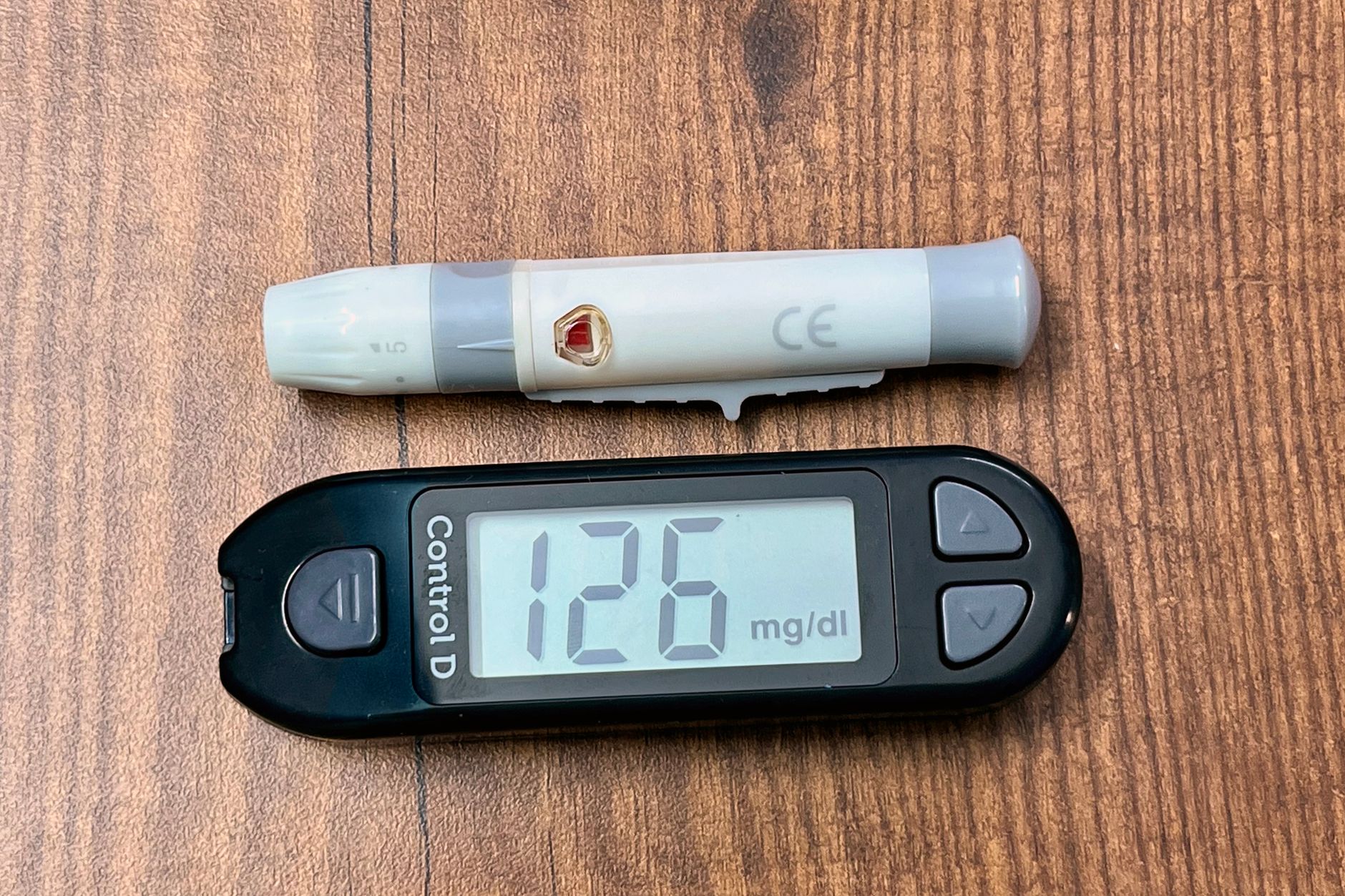
Most people who ask whether stress alone can cause a diabetic-range reading are concerned about a home glucose meter showing 160, 180, or even 220 after a panic attack, an illness, or a period of overwhelming strain. That type of reading must be interpreted carefully. For one thing, home meters have a permissible error margin, usually within ±15% of laboratory values in the higher ranges. For another, a single random measurement taken during a stressful event does not tell you what your average glucose has been over months.
A better approach is to ask two separate questions: Did this stressor produce a temporary high glucose level? That answer can be yes. And does this person have diabetes? That answer requires the criteria above, ideally measured when the stress is no longer overwhelming.
Do not self-diagnose diabetes from a single fingerstick number obtained during an emotionally or physically stressful day. Even in a medical setting, an acute illness can raise glucose without signifying chronic diabetes. Confirmatory testing is essential.
When a person is admitted to the hospital with a major stressor, clinicians frequently see glucose levels above 180 mg/dL in patients with no prior diabetes history. The ADA’s hospital care recommendations acknowledge this as stress hyperglycemia and advise against labeling such a person with diabetes from inpatient glucose values alone[1]. For most critically ill patients, the ADA recommends insulin therapy when glucose is persistently >180 mg/dL, with a target range of 140–180 mg/dL[1].
Who Crosses the Diabetic Threshold Under Stress?
Stress alone is rarely the full story. Four variables determine whether a stressful event pushes glucose all the way into the diabetic range: the severity of the stressor, your beta-cell insulin reserve, your underlying insulin sensitivity, and how long the stress lasts.
Critical illness is the most consistent cause of stress-induced diabetic-range readings. Inflammatory cytokines, catecholamines, cortisol, and glucagon all surge simultaneously, and muscle becomes profoundly insulin-resistant. People with no previous diabetes history can develop glucose levels above 180–200 mg/dL in the ICU. This is clinically classified as stress hyperglycemia, not new-onset diabetes, until glucose is reassessed after recovery.
Emotional stress activates the same pathways but usually at lower intensity. Chronic worry, caregiving strain, job pressure, and grief can keep cortisol slightly elevated for weeks or months. When combined with poor sleep—especially fewer than 6 hours per night—insulin sensitivity declines and after-meal glucose rises. In someone with healthy beta cells, this often stops short of diabetic fasting levels. But over time it contributes to weight gain, visceral fat, and prediabetes progression.
Many people who are alarmed by a stress-induced high glucose already meet criteria for prediabetes before the stressful event. The CDC estimates that more than 1 in 3 U.S. adults has prediabetes, and most do not know it[2]. In prediabetes, beta cells are already working harder than normal to keep glucose in range. Add cortisol and adrenaline, and the extra demand pushes glucose over the diagnostic line. The stress did not create the underlying problem—it unmasked it.
For people with type 1 or type 2 diabetes, stress can raise glucose even when diet and medication are otherwise consistent. Type 1 diabetes is especially vulnerable, since there is little or no endogenous insulin to counteract the stress hormone surge. If readings remain high for days, medication adjustments may be needed rather than simply “relaxing more.”
Corticosteroids such as prednisone and dexamethasone cause dose-dependent hyperglycemia. When a person is already stressed by illness, the combination can easily produce blood glucose above 200 mg/dL. Other contributors include certain antipsychotics, beta-blockers, and some diuretics. Reviewing your medication list with a clinician is an essential part of understanding a high glucose reading.
If you add a person who is overweight, has a family history of type 2 diabetes, or has polycystic ovary syndrome, the diabetic-range effect of any stressor becomes more likely. In this sense, stress is best understood as an amplifier and unmasker, not as a sole independent cause of permanent diabetes.
Recognizing Stress-Driven High Blood Sugar
Not everyone feels symptoms when stress pushes glucose upward. Mild elevations in the 140–180 mg/dL range can be silent. As glucose climbs higher, symptoms begin to resemble those of ordinary diabetes.
- Increased thirst and a dry mouth
- Frequent urination, especially at night
- Fatigue or weakness that feels out of proportion to activity
- Blurred vision
- Headaches or difficulty concentrating
- Slower healing of cuts and scrapes
These symptoms occur because excess glucose pulls water out of your tissues (causing thirst and urination) and because cells cannot efficiently use the glucose that is circulating. Most people with stress hyperglycemia do not realize anything is wrong until a blood test is performed.
A more serious scenario can develop when diabetes is previously undiagnosed and stress is severe. If the pancreas cannot produce any meaningful insulin—as in new-onset type 1 diabetes—the body begins breaking down fat for fuel, producing ketones. That can lead to diabetic ketoacidosis (DKA), a medical emergency. In older adults with type 2 diabetes, profound dehydration and extremely high glucose can lead to hyperosmolar hyperglycemic state (HHS).
Emergency warning signs
If you or someone you care for has any of these warning signs, do not wait for an office appointment—seek emergency care immediately.
Confirming the Diagnosis After the Stress Resolves
The single most important principle in 2026 remains the same as in earlier guidelines: time and context matter. A glucose reading obtained during acute stress reflects the body’s emergency response, not necessarily the average state of glucose control. Clinicians therefore confirm suspected diabetes under more neutral conditions.
Write down the number, whether you were fasting, what you ate, what the stressor was, and how you felt. This pattern helps your clinician interpret a single frightening result.
A fasting glucose and an A1C drawn a few days to a few weeks after the stressful event are far more meaningful than the original spike. If the A1C is normal and fasting glucose is below 100 mg/dL, a diabetes diagnosis is unlikely.
When fasting glucose is borderline or A1C falls in the prediabetes range, an oral glucose tolerance test can reveal how your body handles a standard glucose load.
The ADA states that, unless hyperglycemia is unequivocal (clear symptoms plus a random glucose ≥200 mg/dL), diagnosis should be confirmed by repeating the same test or a different test on another day[1].
For hospitalized patients with stress hyperglycemia, the diagnostic label of diabetes should generally be applied after discharge, once glucose values can be measured without the confounding effect of acute illness[1].
What does this mean in practice? If your glucose hit 210 mg/dL during a severe respiratory infection, then fell to 92 mg/dL fasting after recovery, the 210 was stress hyperglycemia. If your fasting glucose stayed at 132 mg/dL and your A1C came back at 6.8 percent after recovery, the infection simply exposed diabetes that had already been developing. Either way, the post-stress testing provides the true answer.
Practical Ways to Keep Stress From Driving Glucose Higher
If you are prone to stress-related glucose spikes—or you have known prediabetes and want to stop a spike from becoming a diabetes diagnosis—these actions address both sides of the equation: lowering the stress hormone surge and supporting your body’s insulin sensitivity.
Protect sleep even when life is chaotic
Sleep is a biological stress-recovery period. Short or fragmented sleep raises evening cortisol, increases hunger hormones, and makes skeletal muscle less responsive to insulin. Aiming for 7–9 hours per night during a high-stress season is one of the most effective ways to keep fasting glucose from creeping up. If insomnia is driven by anxiety, cognitive behavioral therapy for insomnia (CBT-I) has a stronger evidence base than relying on sleeping pills long term.
Move your body, but match intensity to stress load
Exercise consumes glucose directly and increases insulin sensitivity. A 10- to 15-minute walk after meals can noticeably dampen post-meal glucose spikes. During periods of high emotional stress, moderate activities like walking, swimming, cycling, and yoga are often better choices than exhausting high-intensity workouts, which can further raise adrenaline and cortisol in sensitive individuals.
Adjust meal timing and composition
- Pair carbohydrate foods with protein, fiber, or healthy fat to slow glucose absorption.
- Reduce sugary drinks and refined snacks, especially during anxious periods when glucose control is already strained.
- Eat regular meals instead of long gaps followed by large carbohydrate loads.
- Consider limiting alcohol, which can disrupt sleep and trigger late-night or next-morning glucose swings.
Build a stress-management skill you will actually use
Slow diaphragmatic breathing, progressive muscle relaxation, mindfulness-based stress reduction, and journaling have all demonstrated benefit for stress-related autonomic activation. None of these is a substitute for medical therapy in a person with established diabetes, but they reduce the cortisol tone that makes glucose management harder. A simple practice: inhale for 4 seconds, hold for 2, exhale for 6. Repeating for 5 minutes can shift your nervous system toward parasympathetic dominance.
If you have diabetes, treat stress like a glucose event
People with insulin-treated diabetes should check glucose more frequently during emotionally or physically stressful periods. Temporary increases in basal insulin can be appropriate, but changes should be guided by your care team. Never stop taking insulin because glucose is high—that can trigger ketoacidosis. For people on SGLT2 inhibitor medications, an acute illness with vomiting, poor oral intake, or surgery is a specific situation where the medication may need to be temporarily held; contact your provider early before discontinuing.
A person who recognizes stress-induced hyperglycemia responds with pattern tracking, not panic. They check glucose at consistent times, remove the acute stressor if possible, improve sleep, stay hydrated, walk after meals, and seek confirmatory lab testing if readings remain elevated after the stressful period has passed.
For people without diagnosed diabetes whose glucose is still elevated after recovery from stress, the diagnosis is often prediabetes rather than full type 2 diabetes. Prediabetes is defined by a fasting glucose of 100–125 mg/dL, a 2-hour OGTT of 140–199 mg/dL, or an A1C of 5.7–6.4 percent[1]. This is a critical window: lifestyle changes at the prediabetes stage can prevent or delay progression to type 2 diabetes more effectively than waiting for glucose to cross the diagnostic line.
When a Glucose Reading Requires a Doctor’s Attention
A single mildly elevated reading during a stressful event can often be rechecked at home. But several situations warrant a medical evaluation rather than continued self-monitoring.
- Fasting glucose readings that stay above 100 mg/dL for more than a few days
- Random glucose readings repeatedly above 180–200 mg/dL outside of obvious acute illness
- A1C or lab tests showing prediabetes or diabetes
- Unexplained weight loss, excessive thirst, or frequent urination
- Known diabetes with glucose that remains high despite following your usual treatment plan
- High glucose accompanied by recurrent infections, slow wound healing, or vision changes
Primary care clinicians can order confirmatory fasting glucose, A1C, and oral glucose tolerance testing, and can also screen for related conditions such as high blood pressure, lipid abnormalities, and kidney disease that often cluster with insulin resistance. Referral to a registered dietitian or diabetes care and education specialist is appropriate for anyone making significant dietary or lifestyle changes.
You develop nausea with vomiting, rapid deep breathing, fruity breath, confusion, severe dehydration, or glucose above 300 mg/dL with symptoms. These can indicate DKA or hyperosmolar hyperglycemic state, both of which require urgent treatment with fluids and insulin.
Common Questions About Stress and Blood Sugar
If my glucose hit 200 during a panic attack, do I have diabetes?
Not automatically. A panic attack is a genuine stress state, and the resulting glucose surge reflects adrenaline and cortisol. If your fasting glucose is normal and your A1C is below 5.7 percent once you are calm, you do not meet criteria for diabetes. However, recurrent panic-related glucose spikes should be discussed with a clinician, and an OGTT may be a reasonable next test.
Can chronic stress cause type 2 diabetes by itself?
Chronic stress is a contributor, not a sole cause. Sustained cortisol elevation increases insulin resistance, promotes central obesity, and raises inflammatory markers—all of which push a person toward dysglycemia. But type 2 diabetes typically develops when that metabolic load is combined with genetic susceptibility, excess adiposity, physical inactivity, and an aging pancreas. Stress can tip the balance, but it rarely acts alone.
Why does stress raise blood sugar more in someone with diabetes?
Because stress hormones counter-regulate insulin. In someone with type 1 diabetes, no endogenous insulin is available to oppose the cortisol and adrenaline surge. In type 2 diabetes, the beta cells may produce insulin but not enough to match the simultaneous rise in glucose production and insulin resistance. That is why stress management is an active part of diabetes care, not an afterthought.
Can a high stress hormone level make A1C falsely high?
No. A1C reflects average glucose over the prior 8–12 weeks. One day of high stress will not meaningfully change A1C, because red blood cells have been exposed to glucose for months. However, several months of sustained stress and elevated glucose will drive A1C up—but that result is real, not a testing artifact.
Will fixing my anxiety cure my high blood sugar?
Stress reduction can significantly improve glucose in people whose hyperglycemia is driven by stress hormones, but it does not replace medical treatment when diabetes is already present. For type 1 diabetes, insulin remains essential. For type 2 diabetes, lowering stress can improve control, yet metformin, dietary changes, and other therapies are often still needed. Use stress reduction as an addition to evidence-based care, not a replacement.
- Stress hormones—especially cortisol and epinephrine—directly raise blood glucose by increasing liver glucose output and reducing insulin sensitivity.
- Severe physical stress can produce temporary glucose readings above 200 mg/dL, which are in the diabetic range but do not alone establish a diabetes diagnosis.
- Under ADA criteria, diabetes is diagnosed by fasting glucose ≥126 mg/dL, 2-hour OGTT ≥200 mg/dL, A1C ≥6.5%, or random glucose ≥200 mg/dL with classic symptoms—preferably confirmed when the stressor resolves.
- When stress repeatedly pushes glucose into the diabetic range, it usually indicates underlying prediabetes, insulin resistance, or diminished beta-cell reserve that was already present.
- For hospitalized patients with stress hyperglycemia, the ADA recommends a glucose target of 140–180 mg/dL for most critically ill patients and advises against labeling someone diabetic from inpatient values alone.
- Emergency symptoms—vomiting, confusion, rapid breathing, fruity breath, or glucose above 300 mg/dL—require immediate medical attention, not watchful waiting.
- American Diabetes Association. Standards of Care in Diabetes—2026.
- Centers for Disease Control and Prevention. National Diabetes Statistics Report.