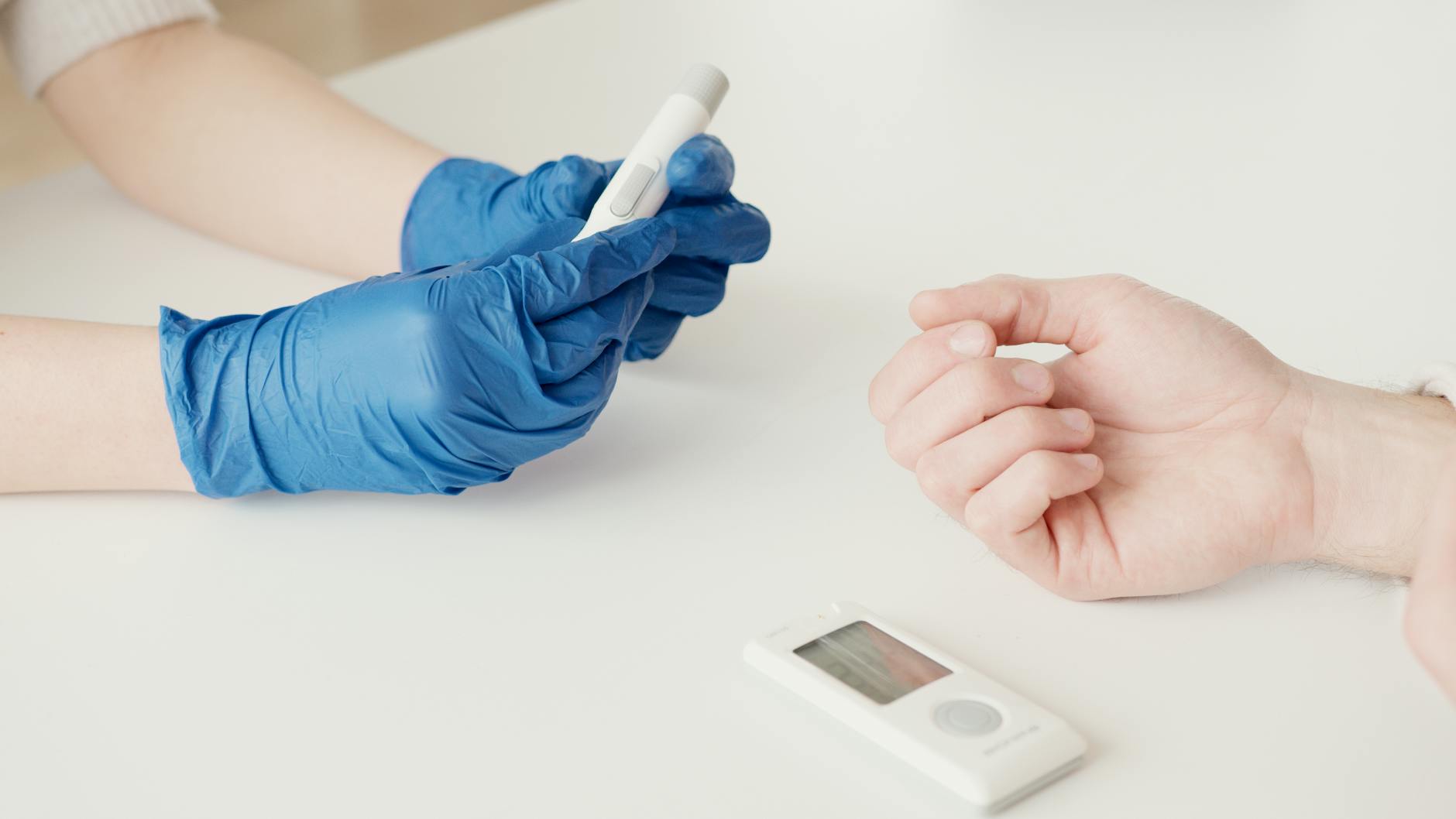
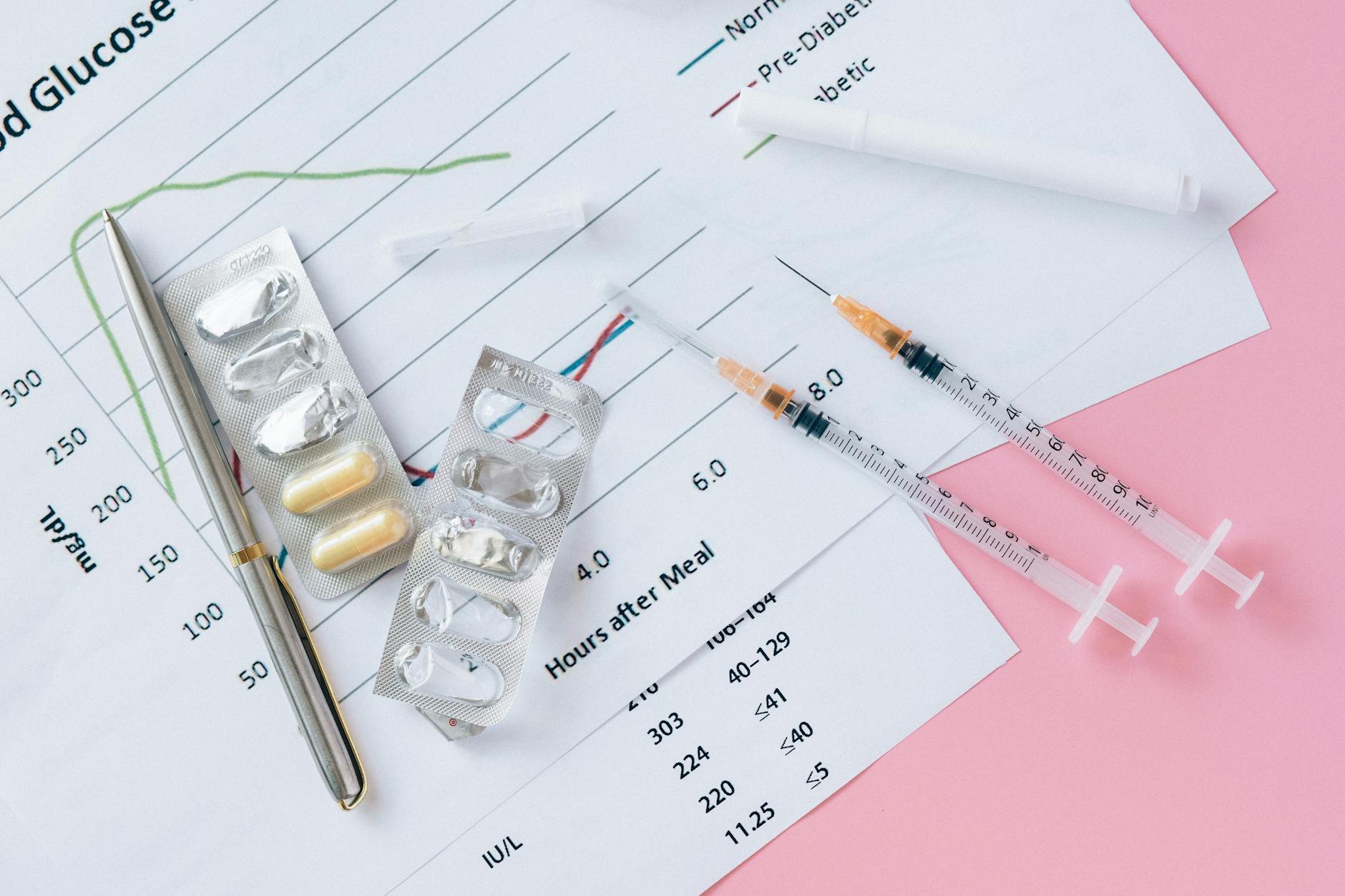
Prediabetes affects more than 1 in 3 American adults — a condition marked by blood sugar levels that are elevated but not yet in the diabetic range. The central question for millions who receive this diagnosis is whether the trajectory toward type 2 diabetes can be halted or reversed, and the clinical answer is increasingly clear: yes, for many people, it can.
Prediabetes is a metabolic state in which blood glucose levels are higher than normal but below the threshold for type 2 diabetes. The condition is reversible in a substantial proportion of cases: the landmark Diabetes Prevention Program demonstrated that structured lifestyle intervention — with a goal of 7% weight loss and 150 minutes of physical activity per week — reduced the risk of progressing to type 2 diabetes by 58%, and 71% in adults over age 60.[1] Many participants who achieved these targets returned to normal glucose regulation within one year.
What Is Prediabetes? Defining the Metabolic Grey Zone
Prediabetes is an intermediate state of glucose dysregulation that sits metabolically between normal glucose tolerance and frank type 2 diabetes. The term describes a condition in which blood sugar levels are persistently elevated above the healthy range but have not yet crossed the diagnostic threshold for diabetes.
At the physiological level, prediabetes is driven by two interrelated defects: insulin resistance, in which the body's muscle, fat, and liver cells do not respond adequately to insulin, and progressive beta-cell dysfunction, meaning the pancreas cannot secrete enough insulin to overcome that resistance.[2] These two processes begin years — sometimes more than a decade — before blood sugar levels reach the diabetic range.
The Centers for Disease Control and Prevention estimates that approximately 97.6 million U.S. adults — or about 38% of the adult population — have prediabetes.[3] Of those, more than 80% are unaware they have it, largely because the condition produces no unmistakable symptoms in its early stages. This hidden prevalence makes routine screening critical, especially for individuals with known risk factors.
Prediabetes is not a benign laboratory finding. The presence of prediabetes signals that the metabolic systems responsible for glucose homeostasis are under significant strain, and without intervention, the natural history points toward progression to type 2 diabetes at a rate of roughly 5–10% per year.[1] Yet the very feature that makes prediabetes dangerous — its silent, progressive nature — also makes it one of the most actionable targets in preventive medicine. Unlike many chronic conditions, prediabetes can be identified early and reversed before permanent metabolic damage occurs.
Causes and Risk Factors for Prediabetes
The development of prediabetes involves a combination of genetic predisposition and modifiable environmental factors. No single cause accounts for all cases; rather, the condition emerges from the cumulative effect of multiple risk factors that converge to disrupt glucose regulation.
Excess body weight and central adiposity
Excess fat — particularly visceral fat stored around the abdomen — releases inflammatory cytokines and free fatty acids that interfere with insulin signaling in muscle and liver tissue. A body mass index (BMI) of 25 kg/m² or higher is one of the strongest modifiable risk factors for prediabetes, and waist circumference is an even more specific predictor: a waist of ≥40 inches (102 cm) in men and ≥35 inches (88 cm) in women substantially elevates risk.[4]
Physical inactivity
Sedentary behavior reduces the muscles' glucose uptake capacity and impairs insulin sensitivity. Regular physical activity — both aerobic and resistance training — enhances GLUT4 transporter translocation and improves mitochondrial function, directly countering the insulin-resistant state that underlies prediabetes.
Family history and genetics
A first-degree relative (parent or sibling) with type 2 diabetes more than doubles an individual's risk of developing prediabetes and subsequent diabetes. Genome-wide association studies have identified more than 100 genetic loci that influence insulin secretion, insulin sensitivity, and glucose metabolism.[5] However, genetic risk is not deterministic — lifestyle factors modify how strongly these genes are expressed.
Age
The prevalence of prediabetes rises with age. After age 45, the risk increases substantially, likely due to age-related declines in beta-cell function, reduced muscle mass, and longer cumulative exposure to dietary and lifestyle risk factors. The ADA recommends routine screening for all adults starting at age 35, and earlier for those with additional risk factors.[4]
Race and ethnicity
Certain racial and ethnic groups carry a disproportionately high risk of prediabetes. After adjusting for BMI and socioeconomic factors, African American, Hispanic/Latino, Native American, Asian American, and Pacific Islander adults have a 1.5- to 2-fold higher prevalence of prediabetes compared with non-Hispanic White adults.[3] The mechanisms are not fully understood but likely include differences in fat distribution, insulin secretion capacity, and social determinants of health.
History of gestational diabetes
Women who develop gestational diabetes during pregnancy face a 7-fold increased risk of progressing to type 2 diabetes later in life. Approximately 50% of women with a history of gestational diabetes will develop type 2 diabetes within 5 to 10 years after delivery, and many pass through a prediabetic state before that conversion.[6]
Polycystic ovary syndrome and sleep disorders
PCOS is characterized by insulin resistance as a core feature, and women with PCOS have a 3- to 5-fold higher risk of prediabetes and type 2 diabetes. Obstructive sleep apnea — which causes intermittent hypoxia and sympathetic nervous system activation — also independently predicts insulin resistance and glucose intolerance.
Does Prediabetes Cause Symptoms?
Prediabetes is overwhelmingly asymptomatic — this is precisely why it so often goes undetected. However, some individuals develop subtle physical signs that, when recognized, can prompt earlier screening.
None of these signs are diagnostic on their own. Many people with prediabetes exhibit none of them. The only reliable way to confirm or exclude prediabetes is through blood testing, and the absence of symptoms should never be interpreted as evidence of normal glucose metabolism.
How Is Prediabetes Diagnosed?
The American Diabetes Association recognizes three laboratory tests for diagnosing prediabetes. A single abnormal result is sufficient to establish the diagnosis, though confirmatory testing is recommended unless clinical presentation is unequivocal.[4]
| Test | Normal | Prediabetes | Diabetes |
|---|---|---|---|
| Fasting Plasma Glucose (FPG) 8-hour fast required | <100 mg/dL | 100–125 mg/dL (Impaired Fasting Glucose) | ≥126 mg/dL |
| 2-Hour Oral Glucose Tolerance Test (OGTT) 75 g glucose load | <140 mg/dL | 140–199 mg/dL (Impaired Glucose Tolerance) | ≥200 mg/dL |
| Hemoglobin A1C Estimated average glucose over 2–3 months | <5.7% | 5.7%–6.4% | ≥6.5% |
Each test has advantages and limitations. FPG is convenient and inexpensive but misses isolated postprandial hyperglycemia. The OGTT is more sensitive for detecting impaired glucose tolerance but is time-consuming and less reproducible. A1C does not require fasting and reflects longer-term glycemic exposure, but it can be falsely low in conditions that shorten red blood cell lifespan (hemolytic anemia, recent blood loss) and falsely elevated in iron deficiency, kidney disease, or certain hemoglobin variants.[7]
The ADA recommends screening starting at age 35 for asymptomatic adults without known risk factors, and at any age for adults who are overweight or obese and have one or more additional risk factors. If results are normal, repeat testing every three years is appropriate. For those with prediabetes, annual testing is recommended to monitor progression or reversal.[4]
Is Prediabetes Reversible? The Evidence for Remission
Yes, prediabetes is reversible. The clinical literature uses terms like "regression to normoglycemia" or "glucose remission" to describe the return of blood sugar levels to the nondiabetic range. The evidence base is robust and rests on several landmark trials and long-term follow-up studies.
"The Diabetes Prevention Program showed that intensive lifestyle intervention reduced the incidence of type 2 diabetes by 58% overall and 71% in adults over 60, compared with placebo. Participants who lost 5–7% of body weight and maintained 150 minutes of weekly physical activity had the highest rates of regression to normal glucose regulation."
— Diabetes Prevention Program Research Group[1]
The DPP enrolled more than 3,200 adults with prediabetes and randomized them to one of three arms: intensive lifestyle intervention with a goal of 7% weight loss and at least 150 minutes per week of moderate-intensity activity, metformin (850 mg twice daily), or placebo. After an average follow-up of 2.8 years, the lifestyle group had a 58% lower rate of progression to diabetes than the placebo group. Metformin reduced progression by 31%.[1]
Long-term follow-up from the DPP Outcomes Study (DPPOS) demonstrated that these benefits persisted: participants in the lifestyle group had a 27% lower diabetes incidence over 15 years compared with the placebo group, even after the structured intervention phase ended.[8] Importantly, many participants who achieved glycemic targets during the trial returned to normal fasting glucose and normal A1C values — meaning prediabetes was not merely delayed but reversed.
The critical threshold appears to be weight loss. A 5–7% reduction in total body weight — approximately 10–14 pounds for a 200-pound individual — is consistently associated with the highest likelihood of regression to normoglycemia. Greater weight loss produces even higher remission rates: the Look AHEAD trial and its ancillary analyses found that a 10% or greater weight loss was associated with a substantially higher probability of achieving diabetes remission, even in individuals with established type 2 diabetes.[9]
Reversal is not permanent without sustained behavioral change. Discontinuation of dietary modifications, weight regain, and a return to a sedentary lifestyle are associated with a rebound in blood glucose levels. Prediabetes remission requires active, ongoing maintenance of the lifestyle changes that produced it.
Medication can also contribute to reversal. Metformin is recommended by the ADA for adults with prediabetes, particularly those under age 60 with a BMI ≥35 kg/m², women with a history of gestational diabetes, or individuals with rapidly progressing glycemia.[4] However, lifestyle modification is considered the first-line and most effective strategy, with medication reserved as an adjunct when lifestyle alone is insufficient or when adherence barriers exist.
Diet and Lifestyle Strategies for Reversal
Reversing prediabetes requires addressing the root metabolic drivers: insulin resistance and beta-cell stress. The strategies below are supported by clinical trial evidence and guideline recommendations.
Caloric reduction and weight loss
A structured caloric deficit of 500–750 kcal per day, combined with a target of 5–7% weight loss, is the foundation of prediabetes reversal. The DPP lifestyle curriculum used a low-fat, calorie-restricted diet, but evidence suggests that the magnitude of weight loss matters more than the specific macronutrient composition.[1] A Mediterranean-style diet — rich in vegetables, legumes, whole grains, nuts, and olive oil with moderate fish and poultry intake — has shown particular benefit for glycemic outcomes and cardiovascular risk reduction.
Carbohydrate quality and distribution
Reducing glycemic load — not total carbohydrate elimination — is the relevant target. Prioritize low-glycemic-index carbohydrates (non-starchy vegetables, legumes, intact whole grains) and distribute carbohydrate intake evenly across meals to blunt postprandial glucose spikes. In individuals with prediabetes, a single high-glycemic meal can produce a glucose excursion that is comparable to that seen in mild diabetes. Spreading carbohydrate intake and pairing carbohydrates with protein or fat at each meal reduces the amplitude of post-meal glucose rises.
Physical activity: 150 minutes per week
The DPP protocol prescribed 150 minutes per week of moderate-intensity aerobic activity — brisk walking at a pace that raises heart rate and breathing. Resistance training twice per week provides additive benefits by increasing lean muscle mass, which is the primary site of glucose disposal. Post-meal walks of 10–15 minutes have been shown to reduce postprandial glucose excursions by 20–30% in individuals with insulin resistance.[10]
Sleep and stress management
Short sleep duration (fewer than 6 hours per night) and poor sleep quality are independently associated with impaired glucose tolerance and higher A1C. Chronic stress elevates cortisol, which promotes gluconeogenesis and worsens insulin resistance. Addressing sleep hygiene and incorporating stress-reduction practices — even brief daily mindfulness or breathwork — supports the metabolic environment needed for reversal.
A "moderate" approach to weight loss that results in only 2–3% weight loss is generally insufficient to reverse prediabetes. The 5–7% target is specific and evidence-based — aiming for less frequently produces no meaningful change in glucose regulation. Use a structured tracking method (e.g., a food diary or app) for at least the first 8–12 weeks to ensure adherence to the caloric and activity targets.
Complications of Untreated Prediabetes
Prediabetes is not merely a risk factor for future diabetes — it carries independent risks that merit attention even before progression occurs.
Progression to type 2 diabetes. This is the most direct and common outcome. Without intervention, approximately 70% of individuals with prediabetes will eventually develop type 2 diabetes over their lifetime.[1] Once diabetes is established, achieving normoglycemia becomes substantially more difficult, and the risk of microvascular complications (retinopathy, nephropathy, neuropathy) begins to accrue.
Cardiovascular disease risk. Prediabetes is associated with a 15–30% higher risk of cardiovascular events (heart attack, stroke) even after adjusting for traditional risk factors such as hypertension and dyslipidemia.[11] The mechanism involves chronic low-grade inflammation, endothelial dysfunction, and accelerated atherosclerosis driven by postprandial glucose spikes and hyperinsulinemia.
Kidney injury. Early signs of diabetic nephropathy — including microalbuminuria and a decline in estimated glomerular filtration rate — can emerge during the prediabetes stage, particularly in individuals with A1C levels in the 6.0–6.4% range.[12]
Peripheral neuropathy. Population-based studies have found that 10–15% of individuals with prediabetes already show evidence of small-fiber neuropathy on skin biopsy or nerve conduction studies, manifesting as pain, numbness, or burning in the feet and hands.[13]
The presence of prediabetes should be treated as an active medical condition, not a benign precursor. The window for meaningful intervention is open for years, but it does not remain open indefinitely. Beta-cell function declines progressively, and once a critical mass of beta cells is lost, reversal becomes less likely. Early detection and aggressive lifestyle modification are the only strategies proven to alter this trajectory.
When to See a Doctor About Prediabetes
The ideal time to see a doctor is before the diagnosis — when risk factors are present but glucose levels are still normal. However, many people only discover they have prediabetes on routine lab work or during a health screening. If you have any of the following, schedule an evaluation even if you feel well:
- BMI of 25 kg/m² or higher (or 23 kg/m² in Asian Americans) plus any one additional risk factor (family history, physical inactivity, hypertension, PCOS, history of gestational diabetes, or age ≥35)
- A first-degree relative with type 2 diabetes
- A prior diagnosis of gestational diabetes
- Physical signs such as acanthosis nigricans or multiple skin tags
- A fasting glucose or A1C result that was "borderline" on a prior test
Once prediabetes is diagnosed, follow-up should include a confirmatory test if initial results are borderline. After confirmation, annual monitoring of A1C, fasting glucose, or an OGTT is recommended. A referral to a registered dietitian, diabetes prevention program, or medical weight management clinic can significantly improve outcomes compared to general dietary advice alone.[4]
Individuals who already have established cardiovascular disease, chronic kidney disease, or signs of neuropathy should have particularly close follow-up, as the combination of prediabetes with end-organ damage signals a more aggressive disease trajectory that may require pharmacologic intervention earlier.
Frequently Asked Questions
Can prediabetes go away on its own without lifestyle changes?
Spontaneous regression to normoglycemia is uncommon without intentional behavioral change. Some individuals with very mildly elevated glucose (A1C 5.7–5.8%) may return to normal over time, but the natural history of prediabetes is progressive in the majority of cases. Relying on spontaneous remission is not a safe or evidence-based strategy.
How long does it take to reverse prediabetes?
In the DPP, participants who achieved the 7% weight loss target typically saw improvements in fasting glucose and A1C within 6 to 12 months. Some individuals normalize their glucose within 8–12 weeks of adopting a structured low-calorie diet and exercise program. However, the speed of reversal depends on the degree of insulin resistance, the amount of weight lost, and individual metabolic factors.
Do I need medication to reverse prediabetes?
Not for most people. Lifestyle modification is the first-line intervention and is more effective than medication for preventing progression to diabetes. The ADA recommends considering metformin for adults under 60 with a BMI ≥35 kg/m², those with a history of gestational diabetes, or those whose glucose levels continue to rise despite lifestyle adherence.[4] No medication is FDA-approved specifically for prediabetes reversal, but metformin is used off-label in these guideline-supported contexts.
Is prediabetes the same as impaired fasting glucose or impaired glucose tolerance?
These terms overlap but are not identical. "Prediabetes" is the umbrella term that encompasses both impaired fasting glucose (FPG 100–125 mg/dL) and impaired glucose tolerance (2-hour OGTT 140–199 mg/dL). An individual can have one, both, or neither depending on which test is performed. Impaired glucose tolerance is generally associated with a higher risk of cardiovascular disease and progression to diabetes than isolated impaired fasting glucose.
Can I reverse prediabetes if I have a strong family history of diabetes?
Yes. Genetic risk increases susceptibility, but it does not override the effects of lifestyle modification. In the DPP, participants with a family history of diabetes derived the same proportional benefit from lifestyle intervention as those without. Weight loss, physical activity, and dietary quality improve insulin sensitivity regardless of genetic background.
What A1C level is considered reversal?
Reversal to normoglycemia is defined as a return to an A1C below 5.7%, a fasting glucose below 100 mg/dL, and/or a 2-hour OGTT value below 140 mg/dL — all without the use of glucose-lowering medication. Achieving and maintaining these laboratory thresholds indicates that glucose metabolism has returned to a physiologically normal state.
- Prediabetes affects nearly 2 in 5 U.S. adults, and more than 80% of those affected are unaware of their condition.
- The condition is defined by blood glucose levels above normal but below the diabetes threshold: A1C 5.7–6.4%, FPG 100–125 mg/dL, or OGTT 140–199 mg/dL.
- Prediabetes is reversible: the Diabetes Prevention Program demonstrated a 58% reduction in diabetes risk with a 7% weight loss and 150 minutes per week of physical activity.
- Lifestyle modification is the first-line treatment; metformin is a guideline-supported adjunct for select high-risk individuals.
- Without intervention, prediabetes carries independent risks for cardiovascular disease, kidney injury, and neuropathy, in addition to the high likelihood of progression to type 2 diabetes.
- Diabetes Prevention Program Research Group. "Reduction in the incidence of type 2 diabetes with lifestyle intervention or metformin." New England Journal of Medicine, 2002; 346(6):393–403. doi:10.1056/NEJMoa012512. — American Diabetes Association
- DeFronzo RA. "Pathogenesis of type 2 diabetes mellitus." Medical Clinics of North America, 2004; 88(4):787–835. — American Diabetes Association
- Centers for Disease Control and Prevention. National Diabetes Statistics Report, 2024. — CDC
- American Diabetes Association. "Standards of Care in Diabetes — 2025." Diabetes Care, 2025; 48(Supplement 1):S1–S312. — American Diabetes Association
- Scott RA, et al. "An expanded genome-wide association study of type 2 diabetes in Europeans." Diabetes, 2017; 66(11):2888–2902. — American Diabetes Association
- Bellamy L, et al. "Type 2 diabetes mellitus after gestational diabetes: a systematic review and meta-analysis." The Lancet, 2009; 373(9677):1773–1779. — NIH
- MedlinePlus. "Hemoglobin A1C (HbA1c) Test." National Library of Medicine, 2024. — MedlinePlus
- Diabetes Prevention Program Research Group. "Long-term effects of lifestyle intervention or metformin on diabetes development and microvascular complications: the DPP Outcomes Study." The Lancet Diabetes & Endocrinology, 2015; 3(11):866–875. — American Diabetes Association
- Look AHEAD Research Group. "Cardiovascular effects of intensive lifestyle intervention in type 2 diabetes." New England Journal of Medicine, 2013; 369(2):145–154. — American Heart Association
- Colberg SR, et al. "Physical activity/exercise and diabetes: a position statement of the American Diabetes Association." Diabetes Care, 2016; 39(11):2065–2079. — American Diabetes Association
- Huang Y, et al. "Association of prediabetes with cardiovascular disease: a meta-analysis." BMJ, 2016; 355:i5953. — American Heart Association
- Echouffo-Tcheugui JB, et al. "Prediabetes and the risk of chronic kidney disease: a systematic review and meta-analysis." Diabetes Care, 2022; 45(4):1015–1023. — American Diabetes Association
- Smith AG, Singleton JR. "Neuropathy in prediabetes: mechanisms and management." Current Diabetes Reports, 2022; 22(7):305–313. — NIH