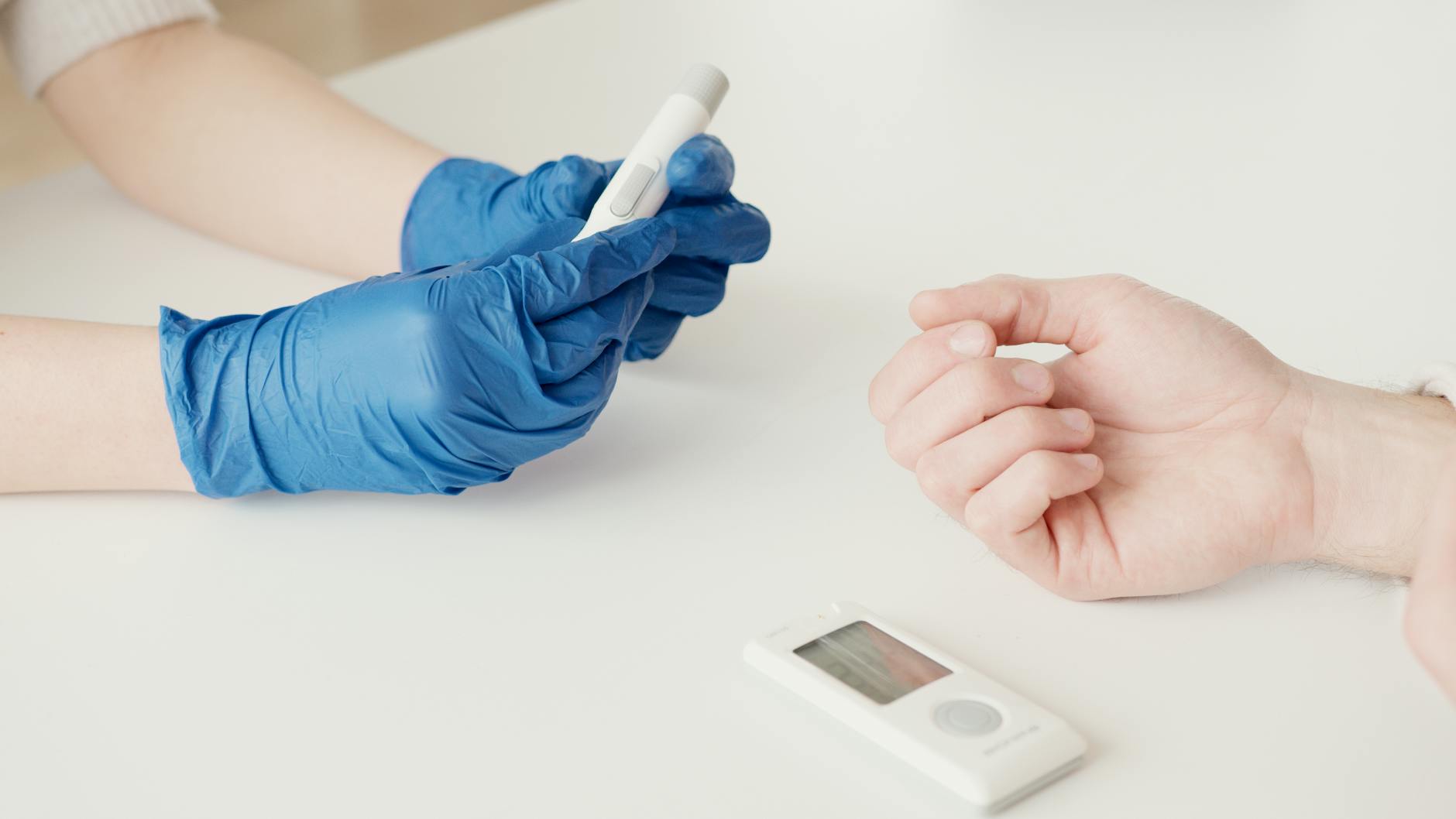
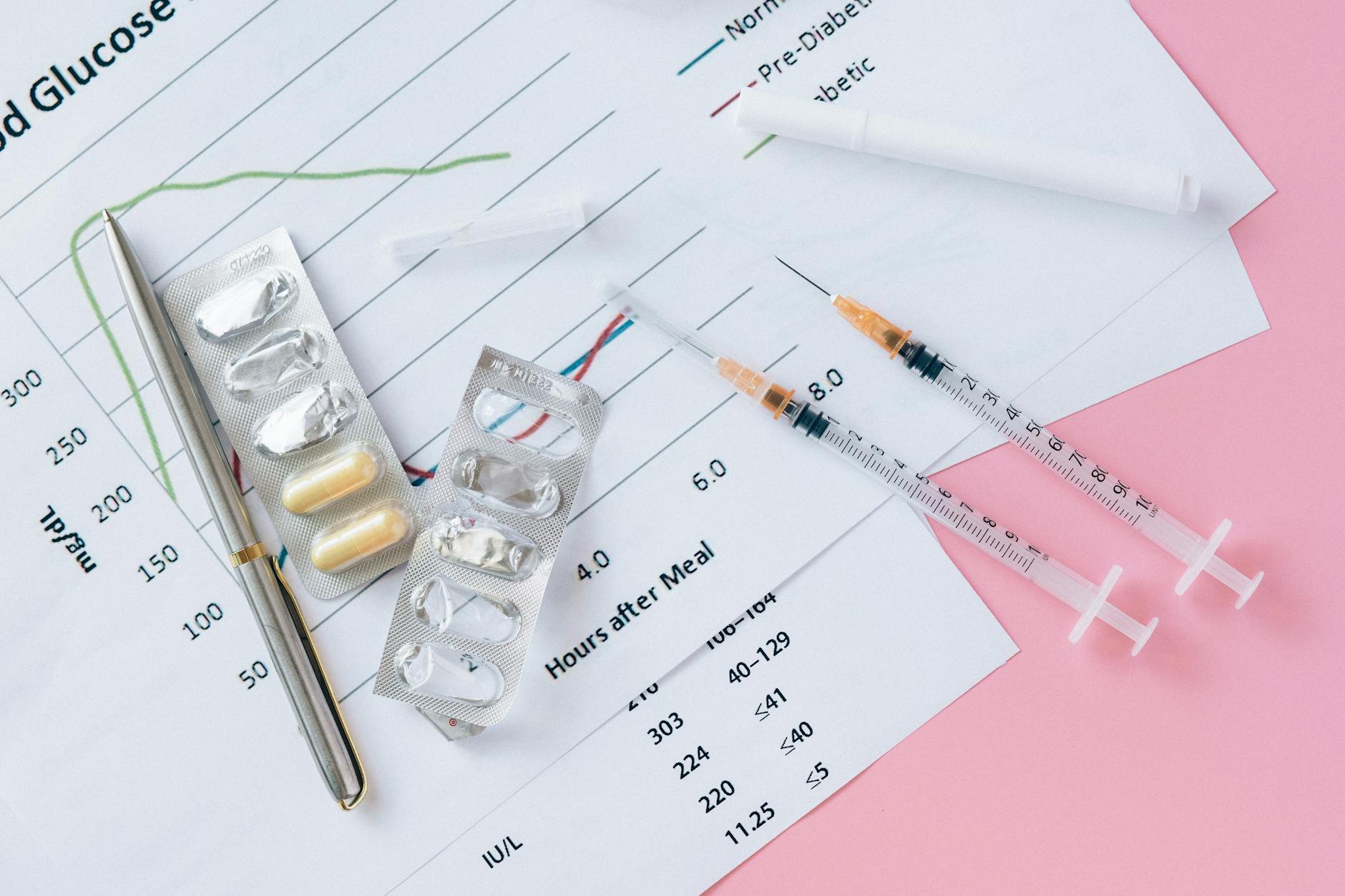
For millions living with diabetes, the hope of a true cure is powerful. Here we separate fact from fiction, explain what remission means, and summarize the latest clinical evidence on what is—and isn’t—possible for type 1 and type 2 diabetes.
No, diabetes cannot be cured completely in the medical sense of permanently restoring normal glucose metabolism. However, type 2 diabetes can achieve remission—sustained non-diabetic glucose levels without medication—through substantial weight loss, as demonstrated by the DiRECT trial, where 46% of participants achieved remission at one year.[1] For type 1 diabetes, a true cure remains elusive, though immunotherapy and islet transplantation are areas of active research.[2]
- What Does “Cure” Actually Mean for Diabetes?
- Type 1 Diabetes: Why a True Cure Remains Elusive
- Type 2 Diabetes: Remission Is Possible, But Not a Cure
- 5 Common Myths About Diabetes Cure
- Factors That Influence the Chance of Remission
- Treatment Approaches That Can Lead to Remission
- When to See a Doctor
- Frequently Asked Questions
What Does “Cure” Actually Mean for Diabetes?
In clinical medicine, a cure means the complete and permanent elimination of a disease, with no residual pathology or ongoing treatment required. For diabetes, this would mean the body regains normal insulin production and glucose regulation forever—independent of lifestyle measures. By this strict definition, neither type 1 nor type 2 diabetes is currently curable.
The concept of remission is more accurate and clinically useful. The American Diabetes Association (ADA) defines remission as achieving an A1C below 6.5% (or fasting glucose below 126 mg/dL) for at least three months without any glucose-lowering medication.[3] Remission can be partial, complete, or prolonged, but it is not permanent—relapse is possible if the underlying metabolic improvements are not maintained.
“Remission is not a cure. The underlying predisposition to diabetes remains, and ongoing surveillance is essential.”
— American Diabetes Association, Standards of Care 2026
This distinction matters because many people interpret “reverse diabetes” or “cure diabetes” as a one-time fix, leading to unrealistic expectations and potential abandonment of healthy habits. Understanding remission empowers patients to set achievable, evidence-based goals.
Type 1 Diabetes: Why a True Cure Remains Elusive
Type 1 diabetes is an autoimmune condition in which the immune system destroys the insulin-producing beta cells in the pancreas. Unlike type 2, insulin resistance is not the primary driver; the fundamental problem is an absolute lack of insulin. To cure type 1 diabetes, one would need to:
- Stop the autoimmune attack (immunomodulation)
- Regenerate or replace functioning beta cells (islet transplantation, stem cell therapy)
- Protect the new cells from future immune destruction (encapsulation or immune tolerance)
Significant progress has been made. Teplizumab, an anti-CD3 monoclonal antibody, was approved by the FDA in 2022 to delay the onset of stage 2 type 1 diabetes, but it does not cure established disease.[2] Islet transplantation can restore insulin independence for years, but it requires lifelong immunosuppression and is reserved for severe cases. Stem-cell-derived beta cells are in early clinical trials. As of 2026, a true cure for type 1 diabetes remains a research goal, not a clinical reality.
No supplement, herbal remedy, or special diet has been proven to cure type 1 diabetes. Insulin therapy remains the cornerstone of treatment.
Type 2 Diabetes: Remission Is Possible, But Not a Cure
Type 2 diabetes is characterized by insulin resistance and progressive beta-cell dysfunction. Crucially, the beta cells are not destroyed—they are often “stunned” or metabolically exhausted. Significant and sustained weight loss can relieve the metabolic stress on these cells, allowing them to recover function and return glucose levels to normal.
The DiRECT Trial: Landmark Evidence
The Diabetes Remission Clinical Trial (DiRECT) demonstrated that a structured, very-low-calorie diet (825–853 kcal/day for 12–20 weeks) followed by gradual food reintroduction and weight-loss maintenance led to remission in 46% of participants at one year and 36% at two years.[1] Key predictors of success included shorter diabetes duration, greater weight loss, and preserved beta-cell function at baseline.
Bariatric Surgery and Remission
Metabolic/bariatric surgery produces the most dramatic and durable remission rates. In a meta-analysis, 60–80% of patients with type 2 diabetes achieved remission in the first 1–2 years after Roux-en-Y gastric bypass or sleeve gastrectomy.[3] However, relapse can still occur over time, particularly if weight is regained.
Remission is not cure. The underlying genetic and metabolic predisposition remains—if weight returns, diabetes typically returns. Long-term monitoring is mandatory.
5 Common Myths About Diabetes Cure
No herbal product (including cinnamon, bitter melon, fenugreek, or turmeric) has been proven in rigorous clinical trials to eliminate diabetes. Some may offer modest blood-glucose-lowering effects, but none approach the efficacy of lifestyle intervention or medication. Relying on unregulated supplements can delay effective treatment and cause harm.
Normal glucose levels may indicate remission, not cure. The underlying metabolic defects—insulin resistance, impaired beta-cell function, or autoimmunity—remain. Without sustained lifestyle changes, glucose levels can rise again.
Surgery can induce remission in a large proportion of patients, but remission is not permanent. Studies show that 20–30% of patients who initially achieve remission may experience relapse within 5–10 years, especially if substantial weight regain occurs.[1] Surgery is a powerful tool, not a one-time fix.
Intermittent fasting patterns may help with weight loss and improve insulin sensitivity, but they do not “reverse” diabetes in weeks. Any metabolic improvement requires caloric deficit and weight loss, not simply timing of meals. Some studies show A1C reductions of 0.5–1.0% after 3–6 months of intermittent fasting, comparable to standard lifestyle interventions, but remission rates are not superior to structured weight-loss programs.
Weight loss is the single most powerful driver of remission in type 2 diabetes, and maintaining that weight loss is critical. However, “goes away for good” overstates the case. The body’s metabolic memory and genetic risk factors remain. The longer a person has had diabetes, the less likely remission will occur or persist.
Factors That Influence the Chance of Remission
Not everyone with type 2 diabetes can achieve remission. Research from the DiRECT trial and other studies has identified several key predictors[1][3]:
| Factor | Favorable for Remission | Unfavorable for Remission |
|---|---|---|
| Diabetes duration | < 6 years | > 10 years |
| Body mass index (BMI) | > 27 kg/m² (visceral fat reduction possible) | < 25 kg/m² (less fat to lose) |
| Weight loss achieved | > 15% of body weight | < 5% of body weight |
| Beta-cell function (C-peptide) | Preserved (C-peptide ≥ 0.3 nmol/L) | Low or absent |
| Age at diagnosis | Older age (> 50 years) | Younger age |
| Insulin use | Non-insulin-dependent | On insulin therapy |
These factors are not absolute rules—some individuals with longer-duration diabetes have achieved remission with aggressive weight loss. However, they provide a realistic framework for discussing expectations with a healthcare provider.
Treatment Approaches That Can Lead to Remission
A person who loses 15% of body weight, maintains it for 6 months, and keeps A1C below 6.5% without diabetes medications has achieved complete remission. They still need regular follow-up, but their risk of complications drops sharply.
When to See a Doctor
If you are considering a weight-loss program aimed at remission, always discuss it with your healthcare team first, especially if you are taking insulin or sulfonylureas.
Frequently Asked Questions
Can type 1 diabetes ever go into remission?
True remission is extremely rare in type 1 diabetes because beta cells are destroyed. However, the “honeymoon phase” shortly after diagnosis can involve transient partial remission. After that, insulin therapy is lifelong. Research into immunotherapy and beta-cell regeneration is ongoing, but no approved cure exists as of 2026.
Is it possible for type 2 diabetes to return after remission?
Yes, relapse is common. Studies show that within 5 years of initial remission, 30–50% of individuals experience a return to diabetic glucose levels, largely due to weight regain.[1] Sustained lifestyle changes are essential to maintain remission.
Are there any medications specifically approved to cure diabetes?
No. No medication is FDA-approved as a “cure” for diabetes. Some drugs, such as GLP-1 receptor agonists (semaglutide, tirzepatide), are used off-label or on-label for weight loss and can help achieve remission when combined with lifestyle changes, but their labeling is for diabetes management, not cure.
Can prediabetes be reversed completely?
Yes, prediabetes can often be reversed to normal glucose regulation through weight loss (5–7% of body weight), increased physical activity, and dietary changes. The Diabetes Prevention Program showed a 58% reduction in progression to type 2 diabetes with lifestyle intervention.[3] This is the closest thing to a true “cure” in the diabetes spectrum.
- Diabetes cannot be “cured” in the conventional medical sense, but type 2 diabetes can enter remission—sustained non-diabetic glucose levels without medication.
- The DiRECT trial demonstrated that 46% of people with type 2 diabetes achieved remission at one year with a structured, very-low-calorie diet and weight loss.
- Type 1 diabetes has no current cure; research focuses on immunotherapy, islet transplantation, and stem-cell approaches.
- Remission requires sustained weight loss (≥10–15% of body weight) and lifelong monitoring to detect relapse early.
- No herbal remedy, supplement, or diet has been proven to cure diabetes—always rely on evidence-based strategies under medical supervision.
- Lean MEJ, Leslie WS, Barnes AC, et al. (2018). Primary care–led weight management for remission of type 2 diabetes (DiRECT): an open-label, cluster-randomised trial. The Lancet. Lancet 2018.
- Herold KC, Bundy BN, Long SA, et al. (2019). An Anti-CD3 Antibody, Teplizumab, in Relatives at Risk for Type 1 Diabetes. New England Journal of Medicine. NEJM 2019.
- American Diabetes Association. Standards of Care in Diabetes—2026. Diabetes Care 2026;49(Suppl. 1):S1–S300. diabetes.org/standards-of-care.