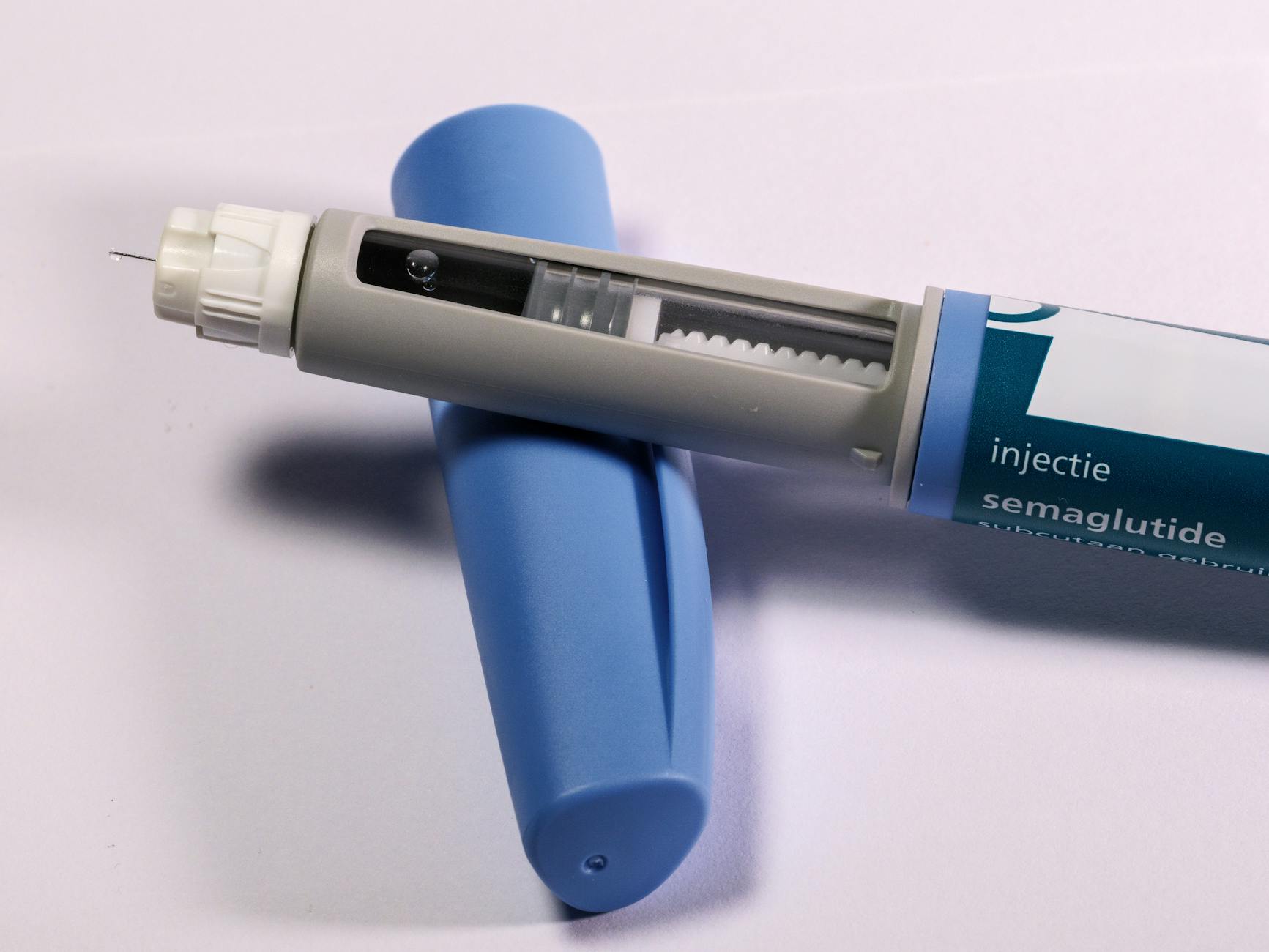
Both medications contain semaglutide, but they are approved for different primary indications, dosed differently, and produce distinct outcomes in glycemic control and body weight. This evidence-based guide breaks down every clinically relevant difference for patients and providers.
- What Are Wegovy and Ozempic? Same Drug, Different Labels
- Key Differences at a Glance: Indication, Dosing, and Approval
- Efficacy for Glycemic Control in Type 2 Diabetes
- Weight Loss Outcomes: Why Wegovy Leads in Body Weight Reduction
- Side Effects, Safety, and Contraindications
- Cost, Insurance Coverage, and Access Considerations
- Which Should You Choose? A Practical Decision Framework
- Frequently Asked Questions
What Are Wegovy and Ozempic? Same Drug, Different Labels
Wegovy and Ozempic are both brand-name formulations of semaglutide, a glucagon-like peptide-1 (GLP-1) receptor agonist developed by Novo Nordisk. Semaglutide mimics the action of the natural incretin hormone GLP-1, which stimulates insulin secretion in response to meals, suppresses glucagon release, slows gastric emptying, and promotes satiety through central appetite regulation.
The critical distinction is regulatory: Ozempic is FDA-approved specifically for glycemic control in adults with type 2 diabetes, while Wegovy is approved for chronic weight management in adults with obesity (BMI ≥30) or overweight (BMI ≥27 with at least one weight-related comorbidity). However, Wegovy also improves glycemic control in patients with type 2 diabetes — and because of its higher maintenance doses, it produces more pronounced weight loss and, in some head-to-head comparisons, greater reductions in HbA1c.
Semaglutide is a synthetic analog of human GLP-1 with approximately 94% sequence homology. Its extended half-life (~1 week) permits once-weekly subcutaneous dosing for both formulations. The difference lies in the approved dose range: Ozempic caps at 2.0 mg/week, while Wegovy titrates to a maintenance dose of 2.4 mg/week — 20% higher than Ozempic's maximum.
A 2023 meta-analysis of seven randomized trials involving more than 8,000 participants found that semaglutide at any dose reduced HbA1c by a mean of 1.2–1.8 percentage points compared with placebo, with Wegovy's 2.4 mg dose showing the largest effect size. Both medications carry a boxed warning for thyroid C-cell tumors (based on animal data), and both require gradual dose titration to minimize gastrointestinal side effects.
Key Differences at a Glance: Indication, Dosing, and Approval
| Feature | Ozempic | Wegovy |
|---|---|---|
| Active ingredient | Semaglutide | Semaglutide |
| FDA primary indication | Type 2 diabetes (glycemic control) | Chronic weight management (BMI ≥30 or ≥27 + comorbidity) |
| Also approved for | Reducing cardiovascular risk in T2D + CVD | Weight management in T2D (though label does not include glycemic control as primary indication) |
| Available doses (weekly) | 0.25 mg, 0.5 mg, 1.0 mg, 2.0 mg | 0.25 mg, 0.5 mg, 1.0 mg, 1.7 mg, 2.4 mg |
| Maintenance dose range | 0.5–2.0 mg/week | 1.7–2.4 mg/week |
| Titration schedule | 4 weeks at each step | 4 weeks at each step |
| Pregnancy category | N (no adequate data; animal studies show risk) | N (same) |
| Cardiovascular outcomes trial | SUSTAIN-6 (CV risk reduction confirmed) | SELECT (CV outcomes in obesity, not diabetes-specific) |
| Average list price (monthly) | ~$935–$1,100 | ~$1,350–$1,600 |
The most clinically meaningful difference is the maximum maintenance dose. Ozempic tops out at 2.0 mg/week, while Wegovy's maximum is 2.4 mg/week. This 0.4 mg difference translates into measurable differences in weight loss and, for patients with type 2 diabetes, additional HbA1c reduction. A 2024 secondary analysis of the STEP 2 trial (Wegovy in type 2 diabetes) found that the 2.4 mg dose produced a mean HbA1c reduction of 1.6% versus 1.2% for the 1.0 mg dose and 0.1% for placebo.
Although Wegovy contains the same drug as Ozempic, it is not approved by the FDA for glycemic control as a primary indication. Prescribers may use it off-label for diabetes, but insurance coverage for Wegovy in patients with type 2 diabetes who do not meet obesity criteria may be denied. Conversely, Ozempic is not approved for weight management alone, though it does produce weight loss as a secondary benefit.
Efficacy for Glycemic Control in Type 2 Diabetes
For patients with type 2 diabetes, the central question is whether the higher semaglutide dose in Wegovy translates into better blood sugar control. The answer, based on available data, is yes — but the difference is modest relative to the additional weight loss benefit.
The STEP 2 trial, published in The Lancet (2021), randomized 1,210 participants with type 2 diabetes and a BMI ≥27 to Wegovy 2.4 mg, semaglutide 1.0 mg (Ozempic-level dosing), or placebo, all combined with lifestyle intervention. Results at 68 weeks:
- HbA1c change: −1.6% (Wegovy 2.4 mg) vs −1.2% (semaglutide 1.0 mg) vs −0.1% (placebo)
- Fasting plasma glucose reduction: −45 mg/dL vs −33 mg/dL vs −5 mg/dL
- Proportion reaching HbA1c <7.0%: 68% vs 57% vs 16%
The SUSTAIN-6 trial (2016), which evaluated Ozempic (0.5 mg and 1.0 mg doses) in 3,297 patients with type 2 diabetes at high cardiovascular risk, reported a mean HbA1c reduction of 1.1% (0.5 mg) and 1.4% (1.0 mg) at 104 weeks. A subsequent extension study with the 2.0 mg dose showed an additional 0.3% HbA1c drop beyond the 1.0 mg dose. Taken together, the data suggest that each 0.5 mg increase in weekly semaglutide dose yields approximately 0.2–0.3% additional HbA1c reduction, with the effect plateauing at higher doses.
"For patients with type 2 diabetes who also meet obesity criteria, Wegovy 2.4 mg offers the dual benefit of superior glycemic control and substantially greater weight loss compared with Ozempic 1.0 mg or 2.0 mg."
— Post-hoc analysis of STEP 2 and SUSTAIN-7 data, Diabetologia (2024)
Weight Loss Outcomes: Why Wegovy Leads in Body Weight Reduction
The most striking difference between Wegovy and Ozempic is in weight loss magnitude. While both medications promote weight reduction through delayed gastric emptying, enhanced satiety, and central appetite suppression, the higher dose ceiling of Wegovy produces a proportionally larger effect.
Mean weight loss in T2D patients:
2.0 mg dose: 5–7% of body weight at 52 weeks (SUSTAIN 10)
1.0 mg dose: 4–5% at 52 weeks (SUSTAIN 7)
Mean weight loss in T2D patients:
2.4 mg dose: 9.6% of body weight at 68 weeks (STEP 2)
In non-diabetic obesity: 14.9% at 68 weeks (STEP 1)
The STEP 1 trial (non-diabetic obesity) reported a mean weight loss of 14.9% with Wegovy 2.4 mg at 68 weeks — nearly three times the weight loss seen with Ozempic 1.0 mg in diabetes trials. In the STEP 2 trial (type 2 diabetes population), Wegovy 2.4 mg produced a mean weight loss of 9.6% versus 6.9% for semaglutide 1.0 mg and 3.4% for placebo. The difference of 2.7 percentage points between the two semaglutide doses is clinically meaningful, particularly for patients with obesity-related complications such as obstructive sleep apnea, non-alcoholic steatohepatitis (MASH), and joint pain.
For a patient with type 2 diabetes and a BMI of 32, choosing Wegovy over Ozempic could mean losing approximately 22 lbs instead of 16 lbs (assuming a 220 lb starting weight). That additional 6 lbs of weight loss can translate into meaningful improvements in blood pressure, triglyceride levels, and insulin sensitivity — potentially reducing the need for other diabetes medications.
Side Effects, Safety, and Contraindications
Because Wegovy and Ozempic contain the same active molecule, their safety profiles are nearly identical. Adverse effects are dose-dependent and most pronounced during titration. The higher dose of Wegovy (2.4 mg) is associated with a slightly higher incidence of gastrointestinal side effects compared with Ozempic 1.0 mg or 2.0 mg, but the difference is modest.
Common side effects (incidence ≥5%)
- Nausea: Ozempic ~20–25%; Wegovy ~44–50% (higher due to 2.4 mg dose)
- Diarrhea: Ozempic ~10–15%; Wegovy ~30%
- Vomiting: Ozempic ~5–10%; Wegovy ~17%
- Constipation: Ozempic ~5–10%; Wegovy ~24%
- Abdominal pain: Ozempic ~6–8%; Wegovy ~10%
Most gastrointestinal symptoms peak during the first 4–8 weeks and subside with continued therapy. Gradual dose titration — starting at 0.25 mg weekly for 4 weeks and increasing every 4 weeks — significantly reduces the severity and frequency of these effects.
Seek immediate medical attention if you experience: persistent severe abdominal pain radiating to the back (possible pancreatitis), severe vomiting with inability to keep fluids down (risk of acute kidney injury), vision changes (rare case reports of diabetic retinopathy progression), or signs of allergic reaction (urticaria, angioedema, difficulty breathing).
Cost, Insurance Coverage, and Access Considerations
Cost and insurance coverage often determine which formulation a patient ultimately receives. Ozempic is generally better covered by commercial insurance and Medicare Part D for patients with type 2 diabetes, while Wegovy coverage is more variable and often requires prior authorization with strict BMI criteria.
Key access differences:
- Medicare Part D: Ozempic is covered for type 2 diabetes; Wegovy is excluded from Part D coverage (as of 2026) unless the patient has obesity AND type 2 diabetes — and even then, coverage is not guaranteed.
- Medicaid: Varies by state. Ozempic is on most state formularies for T2D; Wegovy coverage for obesity alone is limited.
- Commercial insurance: Ozempic typically has preferred tier status for T2D; Wegovy often requires step therapy (trial of another weight loss medication first) and documentation of BMI ≥30 or ≥27 + comorbidity.
- Manufacturer savings programs: Novo Nordisk offers co-pay cards for both medications (up to $150/month for eligible patients).
Some patients and prescribers use a "dose-stacking" strategy: prescribing Ozempic 2.0 mg (which is covered for diabetes) and using two 1.0 mg injections to approximate the Wegovy 2.0 mg dose. This approach is off-label and should only be considered under direct clinician guidance, as it does not replicate the full 2.4 mg Wegovy protocol and may affect insurance billing.
Which Should You Choose? A Practical Decision Framework
The choice between Wegovy and Ozempic for a patient with type 2 diabetes depends on three primary factors: glycemic targets, weight loss goals, and insurance coverage. The following framework can guide the decision.
The American Diabetes Association (ADA) Standards of Care (2026) recommend GLP-1 receptor agonists as preferred first- or second-line therapy for patients with type 2 diabetes and obesity (BMI ≥27) or those with high cardiovascular risk. The ADA does not formally recommend one semaglutide formulation over the other, but notes that higher doses produce greater weight loss and HbA1c reduction. Discuss the trade-offs with your clinician.
Frequently Asked Questions
Can I take Ozempic and Wegovy together? — No, never combine them
No. Ozempic and Wegovy are the same medication (semaglutide) at different doses. Taking both would result in dangerously high drug levels, significantly increasing the risk of severe nausea, vomiting, pancreatitis, and hypoglycemia when combined with insulin or sulfonylureas. If you need to switch from one to the other, your clinician will provide a cross-titration schedule.
Is Wegovy better than Ozempic for diabetes? — For weight loss and potentially HbA1c, yes — but the evidence is nuanced
In head-to-comparison trials, Wegovy 2.4 mg produced greater HbA1c reductions (1.6% vs 1.2%) and significantly more weight loss (9.6% vs 6.9%) than semaglutide 1.0 mg in patients with type 2 diabetes. However, direct comparisons between Wegovy 2.4 mg and Ozempic 2.0 mg are limited. The best available data suggests that for patients with T2D and obesity, Wegovy offers superior outcomes — but Ozempic 2.0 mg is still highly effective and may be more accessible.
Does insurance cover Wegovy for diabetes? — Only if you also meet obesity criteria
Most insurance plans require a BMI ≥30 (or ≥27 with a weight-related comorbidity) to cover Wegovy. If your only diagnosis is type 2 diabetes and your BMI is below 30, Wegovy will likely be denied. Ozempic is the appropriate covered option in that scenario. Some plans may require step therapy — first trying Ozempic or another GLP-1 agonist before approving Wegovy.
Can I switch from Ozempic to Wegovy for more weight loss? — Yes, with a proper plan
Yes. Many patients transition from Ozempic to Wegovy when weight loss plateaus on the lower dose. The switch is generally well-tolerated if done correctly. Patients on Ozempic 1.0 mg or 2.0 mg can typically start Wegovy at 1.7 mg weekly. Those on lower Ozempic doses (0.5 mg or below) should titrate up stepwise. Expect some transient gastrointestinal symptoms during the first 2–4 weeks after switching. Always coordinate with your prescribing clinician.
Which has fewer side effects: Ozempic or Wegovy? — Ozempic, especially at lower doses
Because gastrointestinal side effects of semaglutide are dose-dependent, Ozempic (particularly at 0.5 mg or 1.0 mg) is generally better tolerated than Wegovy 2.4 mg. However, most patients who tolerate Ozempic 2.0 mg will also tolerate Wegovy 2.4 mg, as the dose increment is only 0.4 mg. The key is gradual titration: starting at 0.25 mg weekly for 4 weeks and increasing slowly minimizes nausea, vomiting, and diarrhea for both formulations.