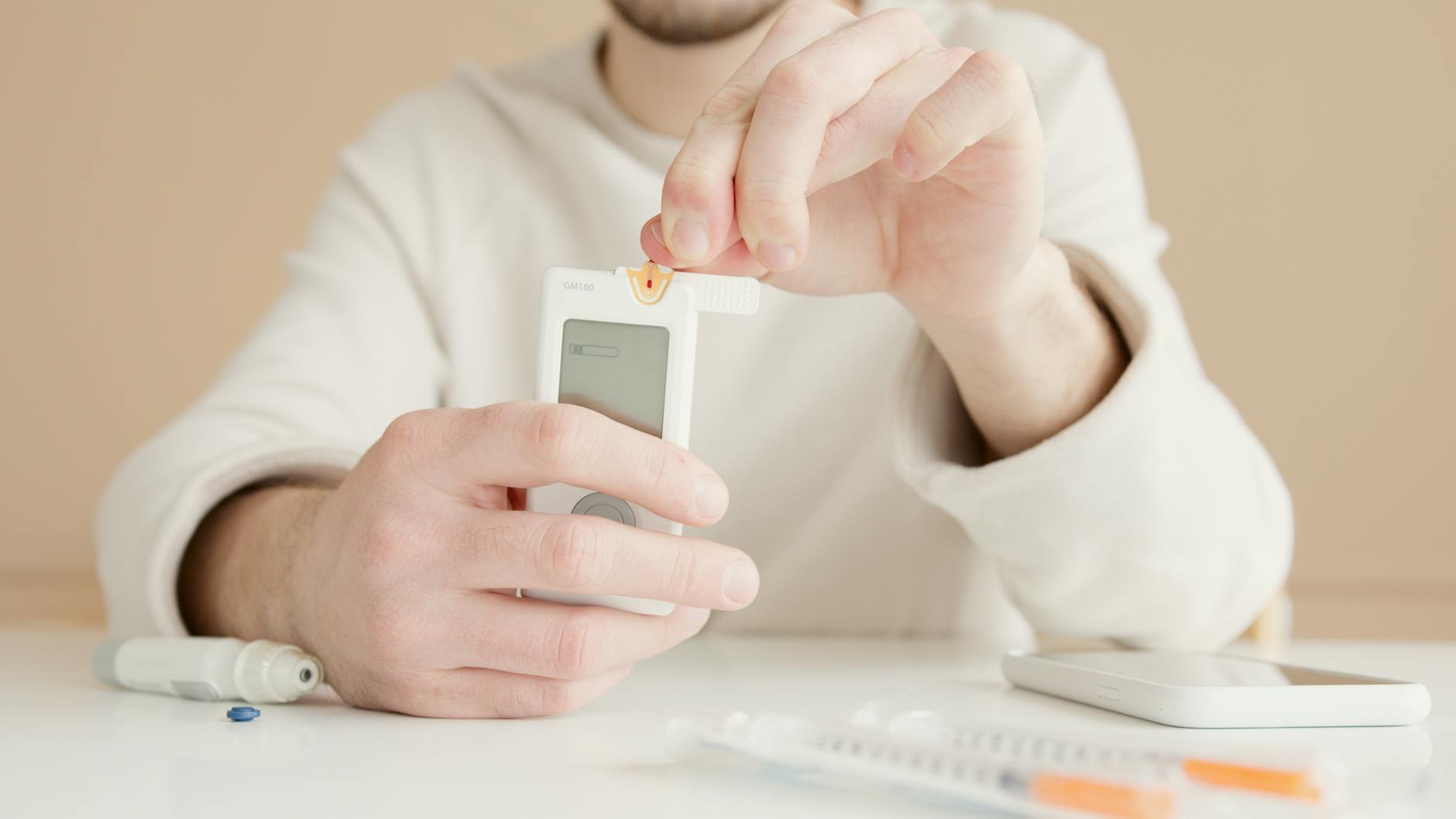
Trulicity (dulaglutide) is a once-weekly GLP-1 receptor agonist approved for type 2 diabetes management. This evidence-based guide covers its mechanism, cardiovascular benefits, dosing protocols, real-world outcomes, and practical patient considerations.
- What Is Trulicity (Dulaglutide)?
- How Does Trulicity Work in the Body?
- Who Is Trulicity For? — Indications and Patient Selection
- Dosage, Titration, and Administration Guidelines
- Efficacy: What Clinical Trials Show About Glucose Control and Weight
- Cardiovascular and Renal Benefits: The REWIND Trial Evidence
- Side Effects, Contraindications, and Safety Monitoring
- How Trulicity Compares to Other GLP-1 Receptor Agonists
- Lifestyle and Monitoring Considerations While on Trulicity
- Frequently Asked Questions About Trulicity
What Is Trulicity (Dulaglutide)?
Trulicity (dulaglutide) is a once-weekly injectable glucagon-like peptide-1 (GLP-1) receptor agonist approved by the U.S. Food and Drug Administration in 2014 for the treatment of adults with type 2 diabetes. It is manufactured by Eli Lilly and Company and is available in prefilled, single-dose pens at doses of 0.75 mg, 1.5 mg, 3.0 mg, and 4.5 mg.
Dulaglutide is a synthetic analog of human GLP-1, a naturally occurring incretin hormone that plays a central role in glucose homeostasis. The molecule is engineered with a larger molecular size (via fusion to a modified immunoglobulin G4 Fc fragment) to extend its half-life to approximately 5 days, enabling once-weekly dosing — a key advantage over earlier GLP-1 agents that required daily injections.
Trulicity is not indicated for type 1 diabetes or for the treatment of diabetic ketoacidosis. It is also not a substitute for insulin in patients who require insulin therapy. However, it may be used in combination with other glucose-lowering agents — including metformin, sulfonylureas, SGLT2 inhibitors, and basal insulin — when glycemic targets are not achieved with monotherapy.
GLP-1 receptor agonists (also called incretin mimetics) are a class of medications that mimic the action of endogenous GLP-1. They enhance glucose-dependent insulin secretion, suppress glucagon release, slow gastric emptying, and promote satiety. Dulaglutide (Trulicity) is one of the most widely prescribed agents in this class.
How Does Trulicity Work in the Body?
Dulaglutide activates GLP-1 receptors throughout the body, producing a cascade of physiological effects that collectively lower blood glucose and support metabolic health. Understanding these mechanisms helps clarify why Trulicity is effective not only for glucose control but also for weight management and cardiovascular risk reduction.
Glucose-Dependent Insulin Secretion
Trulicity stimulates insulin release from pancreatic beta cells only when blood glucose levels are elevated. This glucose-dependent mechanism significantly reduces the risk of hypoglycemia compared to insulin secretagogues like sulfonylureas. At normal or low glucose levels, insulin secretion is minimally affected.
Suppression of Glucagon
Dulaglutide suppresses glucagon secretion from pancreatic alpha cells, reducing hepatic glucose production. This effect further contributes to fasting and postprandial glucose lowering.
Delayed Gastric Emptying and Satiety
By slowing gastric emptying, Trulicity blunts post-meal glucose spikes and promotes a feeling of fullness (satiety) that supports caloric reduction and weight loss. This mechanism is particularly relevant for patients with obesity or overweight, as the majority of individuals with type 2 diabetes fall into these categories.
"The glucose-dependent mechanism of GLP-1 receptor agonists like dulaglutide provides a favorable safety profile, with a low intrinsic risk of hypoglycemia when used alone or with agents that do not cause hypoglycemia."
— American Diabetes Association Standards of Medical Care in Diabetes, 2026
Additional Pleiotropic Effects
Emerging evidence suggests that dulaglutide exerts anti-inflammatory effects on vascular endothelium, reduces oxidative stress, and may preserve beta-cell function over time. These pleiotropic actions are believed to contribute to the cardiovascular and renal benefits observed in major outcome trials.
Who Is Trulicity For? — Indications and Patient Selection
Trulicity is indicated as an adjunct to diet and exercise to improve glycemic control in adults with type 2 diabetes. It is also approved to reduce the risk of major adverse cardiovascular events (MACE) in adults with type 2 diabetes who have established cardiovascular disease or multiple cardiovascular risk factors.
Ideal Candidate Profile
- Adults with type 2 diabetes inadequately controlled on metformin, lifestyle modifications, or other oral agents
- Patients who would benefit from weight loss or weight neutrality as part of their diabetes management
- Individuals with type 2 diabetes and atherosclerotic cardiovascular disease (ASCVD) or high cardiovascular risk
- Patients seeking the convenience of once-weekly dosing
When Trulicity Is Not Recommended
- Type 1 diabetes (not effective — requires insulin)
- Personal or family history of medullary thyroid carcinoma (MTC)
- Patients with multiple endocrine neoplasia syndrome type 2 (MEN 2)
- Severe gastrointestinal disease, including gastroparesis
- History of pancreatitis (use with caution; see safety section)
Trulicity is not recommended for use in combination with prandial (mealtime) insulin due to an increased risk of hypoglycemia. If used with a sulfonylurea or basal insulin, a dose reduction of the sulfonylurea or insulin may be necessary to mitigate hypoglycemia risk.
Dosage, Titration, and Administration Guidelines
Trulicity is administered as a subcutaneous injection once weekly, at any time of day, with or without meals. The dosing schedule is flexible: doses can be missed up to 3 days late and still be given; if more than 3 days have passed, the dose should be skipped and the next dose given at the regularly scheduled time.
| Phase | Dose | Duration | Notes |
|---|---|---|---|
| Starting dose | 0.75 mg once weekly | 4 weeks | Minimizes GI side effects during initiation |
| Maintenance dose (standard) | 1.5 mg once weekly | Ongoing | Effective for most patients |
| Advanced titration (if needed) | 3.0 mg once weekly | At least 4 weeks | Additional glycemic and weight benefit |
| Maximum dose | 4.5 mg once weekly | Ongoing | Reserved for patients needing maximal effect |
The injection is administered subcutaneously in the abdomen, thigh, or upper arm. Injection sites should be rotated with each dose to reduce lipodystrophy risk. Trulicity pens are prefilled, single-dose devices that do not require mixing or reconstitution.
To minimize nausea — the most common side effect — patients should take Trulicity with a meal, avoid large or fatty meals on injection day, and follow the recommended 4-week dose escalation schedule. Most GI side effects diminish within 4 to 8 weeks as tolerance develops.
Efficacy: What Clinical Trials Show About Glucose Control and Weight
The efficacy of Trulicity has been evaluated in the AWARD (Assessment of Weekly AdministRation of LY2189265 [dulaglutide]) clinical trial program, which included multiple phase 3 studies comparing dulaglutide to placebo, metformin, sitagliptin, exenatide twice daily, insulin glargine, and liraglutide.
Glycemic Efficacy
In the AWARD-1 trial, dulaglutide 1.5 mg once weekly reduced HbA1c by 1.36% from baseline (average baseline HbA1c of 8.1%) at 26 weeks, compared to a 1.09% reduction with exenatide twice daily and a 0.87% reduction with placebo. In AWARD-6, dulaglutide 1.5 mg was non-inferior to liraglutide 1.8 mg daily, with HbA1c reductions of 1.42% and 1.36%, respectively.
Weight Outcomes
Weight loss with Trulicity is dose-dependent. In clinical trials, patients on 1.5 mg weekly lost an average of 2.6–4.1 kg (5.7–9.0 lb), while those on the higher 3.0 mg and 4.5 mg doses lost 4.5–6.2 kg (9.9–13.7 lb). Weight loss is typically most pronounced in patients with higher baseline body mass index.
Fasting and Postprandial Glucose
Dulaglutide reduces fasting plasma glucose by 36–46 mg/dL (2.0–2.6 mmol/L) and significantly attenuates postprandial glucose excursions. The once-weekly pharmacokinetic profile provides stable receptor coverage throughout the week, avoiding the peaks and troughs seen with shorter-acting GLP-1 agents.
"In the AWARD program, dulaglutide demonstrated consistent and clinically meaningful reductions in HbA1c, fasting glucose, and body weight across a broad spectrum of patients with type 2 diabetes, including those on background metformin, sulfonylureas, and basal insulin."
— Summary of the AWARD Clinical Trial Program, Diabetes Care
Cardiovascular and Renal Benefits: The REWIND Trial Evidence
The landmark REWIND (Researching Cardiovascular Events With a Weekly Incretin in Diabetes) trial, published in The Lancet in 2019, evaluated the cardiovascular safety and efficacy of dulaglutide 1.5 mg weekly in 9,901 participants with type 2 diabetes and either established CVD or multiple cardiovascular risk factors. The median follow-up was 5.4 years.
Key REWIND Findings
- 12% relative risk reduction in the primary composite endpoint of nonfatal myocardial infarction, nonfatal stroke, or cardiovascular death (HR 0.88; 95% CI 0.79–0.99)
- 13% reduction in nonfatal stroke (HR 0.87; 95% CI 0.74–1.02)
- 15% reduction in heart failure hospitalization (exploratory endpoint)
- Renal benefit: 15% reduction in the composite renal outcome (new macroalbuminuria, sustained decline in eGFR ≥30%, or renal replacement therapy)
Notably, the REWIND trial enrolled a predominantly primary prevention population (68.5% of participants did not have established CVD at baseline), making its findings broadly applicable to the general type 2 diabetes population. The cardiovascular benefit was consistent regardless of baseline HbA1c, age, sex, or background glucose-lowering medications.
Based on the REWIND results, the FDA expanded Trulicity's label in 2020 to include a cardiovascular risk reduction indication in adults with type 2 diabetes and established CVD or multiple cardiovascular risk factors. This makes Trulicity one of only a few diabetes medications with a labeled CV indication.
Side Effects, Contraindications, and Safety Monitoring
Trulicity is generally well-tolerated, but adverse effects occur and require appropriate patient counseling. The most common side effects are gastrointestinal, related to the drug's mechanism of delayed gastric emptying.
Nausea (12–21%), diarrhea (10–14%), vomiting (7–10%), abdominal pain (6–8%), and decreased appetite (5–8%). These are most pronounced during the first 4 weeks and typically diminish with continued use and dose titration.
Serious Adverse Events (Rare but Important)
- Acute pancreatitis: Discontinue immediately if pancreatitis is suspected. Monitor for persistent severe abdominal pain with or without vomiting.
- Medullary thyroid carcinoma (MTC): Contraindicated in patients with personal or family history of MTC or MEN 2. Routine calcitonin monitoring is not recommended by the FDA.
- Diabetic retinopathy complications: Rapid improvement in glucose control (especially in the first 6–12 months) may temporarily worsen retinopathy. Patients with a history of retinopathy should have an eye exam before starting and periodically thereafter.
- Severe hypoglycemia: Risk is low when used alone but increases when combined with sulfonylureas or insulin. Dose adjustment of the concomitant agent may be required.
Contraindications
- Personal or family history of MTC or MEN 2
- Severe hypersensitivity to dulaglutide or any component of the formulation
- Type 1 diabetes (not effective)
- Diabetic ketoacidosis (should be treated with insulin)
How Trulicity Compares to Other GLP-1 Receptor Agonists
Several GLP-1 receptor agonists are available, and the choice among them depends on efficacy profile, dosing frequency, cardiovascular evidence, cost, and patient preference. Below is a comparison of Trulicity with other major agents in the class.
Dosing: Once weekly
HbA1c reduction: 1.2–1.6%
Weight loss: 2.6–6.2 kg
CV benefit: Yes (REWIND)
Renal benefit: Yes
Max dose: 4.5 mg weekly
Dosing: Once weekly
HbA1c reduction: 1.5–1.8%
Weight loss: 4.5–6.5 kg
CV benefit: Yes (SUSTAIN-6)
Renal benefit: Yes
Max dose: 2.0 mg weekly
Dosing: Once daily
HbA1c reduction: 1.1–1.5%
Weight loss: 2.3–3.6 kg
CV benefit: Yes (LEADER)
Renal benefit: Yes
Max dose: 1.8 mg daily
Dosing: Once weekly
HbA1c reduction: 2.0–2.4%
Weight loss: 7–12 kg
CV benefit: Under study (SURPASS-CVOT)
Renal benefit: Under study
Max dose: 15 mg weekly
Trulicity offers a balanced profile with robust cardiovascular and renal outcome data from REWIND, a flexible once-weekly dosing schedule, and a well-established safety profile. Compared to semaglutide (Ozempic), dulaglutide has similar efficacy with a potentially slightly lower incidence of GI side effects at comparable glucose-lowering doses. Tirzepatide (Mounjaro), a dual GIP/GLP-1 receptor agonist, shows superior glycemic and weight outcomes but has more limited long-term CV outcome data to date.
Lifestyle and Monitoring Considerations While on Trulicity
Trulicity is most effective when used as part of a comprehensive diabetes management plan that includes medical nutrition therapy, physical activity, glucose self-monitoring, and regular follow-up with a healthcare team.
Dietary Considerations
Because Trulicity delays gastric emptying, patients often experience early satiety and reduced appetite. This can be leveraged to support weight loss, but it also requires attention to adequate nutrient intake. Patients should eat smaller, more frequent meals, avoid high-fat foods (which can exacerbate nausea), and stay well hydrated.
Glucose Monitoring
Self-monitoring of blood glucose is recommended, particularly during dose initiation and titration, and when Trulicity is used with sulfonylureas or insulin. The frequency of monitoring should be individualized. Continuous glucose monitoring (CGM) can provide additional insight into postprandial glucose patterns and the duration of glycemic effect.
Medication Adherence
The once-weekly dosing of Trulicity improves adherence compared to daily injectable therapies. Patients should establish a routine (e.g., same day each week) and use a calendar or smartphone reminder to avoid missed doses. If a dose is missed by more than 3 days, skip it and resume the regular schedule.
The ADA recommends at least 150 minutes per week of moderate-intensity aerobic activity (e.g., brisk walking, cycling) plus 2–3 sessions of resistance training. Combined with dietary caloric restriction and Trulicity therapy, this approach can yield additive improvements in HbA1c and body weight.
Frequently Asked Questions About Trulicity
How long does it take for Trulicity to start working?
Trulicity begins lowering blood glucose within the first 1–2 weeks of treatment. However, the full glycemic effect is typically seen after 4–8 weeks at the maintenance dose (1.5 mg weekly). HbA1c reductions are best assessed after 3 months of therapy, consistent with the lifespan of red blood cells.
Can Trulicity be used for weight loss without diabetes?
Trulicity is not FDA-approved for weight loss in individuals without type 2 diabetes. However, it does cause clinically significant weight loss as a secondary effect in patients with diabetes. For obesity management without diabetes, other agents such as semaglutide 2.4 mg (Wegovy) or tirzepatide (Zepbound) are specifically approved and should be considered.
Does Trulicity cause hypoglycemia?
Trulicity has a low intrinsic risk of hypoglycemia because it stimulates insulin secretion only when glucose is elevated. When used as monotherapy or with metformin alone, the risk is minimal. The risk increases when Trulicity is combined with a sulfonylurea or insulin, and dose adjustments of those agents may be needed to prevent hypoglycemia.
Can I switch from Trulicity to Mounjaro or Ozempic?
Yes, switching between GLP-1 receptor agonists is possible, but the transition should be managed by a healthcare provider to avoid gaps in therapy and to manage side effects. There is no standardized conversion protocol; the starting dose of the new agent depends on the prior dose of Trulicity and the patient's current glycemic control. Generally, patients on Trulicity 1.5 mg can transition to semaglutide 0.5 mg or tirzepatide 2.5 mg weekly.
Is Trulicity safe for older adults?
Clinical trials included patients aged 65 and older, and Trulicity was found to be similarly effective and well-tolerated in this population. However, older adults are more likely to have reduced renal function, and caution is advised when initiating and titrating therapy. The low hypoglycemia risk is a particular advantage in older patients who may be more vulnerable to the consequences of hypoglycemia.
Is Trulicity covered by insurance and what is the cost?
Trulicity is covered by most Medicare Part D and commercial insurance plans, though prior authorization may be required. The list price is approximately $700–$900 per month without insurance. Eli Lilly offers a savings card for eligible commercially insured patients that can reduce out-of-pocket costs to as low as $25 per month. Generic dulaglutide is not yet available.
Bottom Line
Trulicity (dulaglutide) is a well-established, once-weekly GLP-1 receptor agonist that provides clinically meaningful reductions in HbA1c, body weight, and cardiovascular risk in adults with type 2 diabetes. The REWIND trial provides high-quality evidence of cardiovascular and renal benefit, and the once-weekly dosing supports adherence.
As with any diabetes medication, patient selection, appropriate dose titration, and education about side effects and monitoring are essential for safe and effective use. Trulicity should be viewed as part of a comprehensive management strategy that includes lifestyle modification, glucose monitoring, and regular medical follow-up.