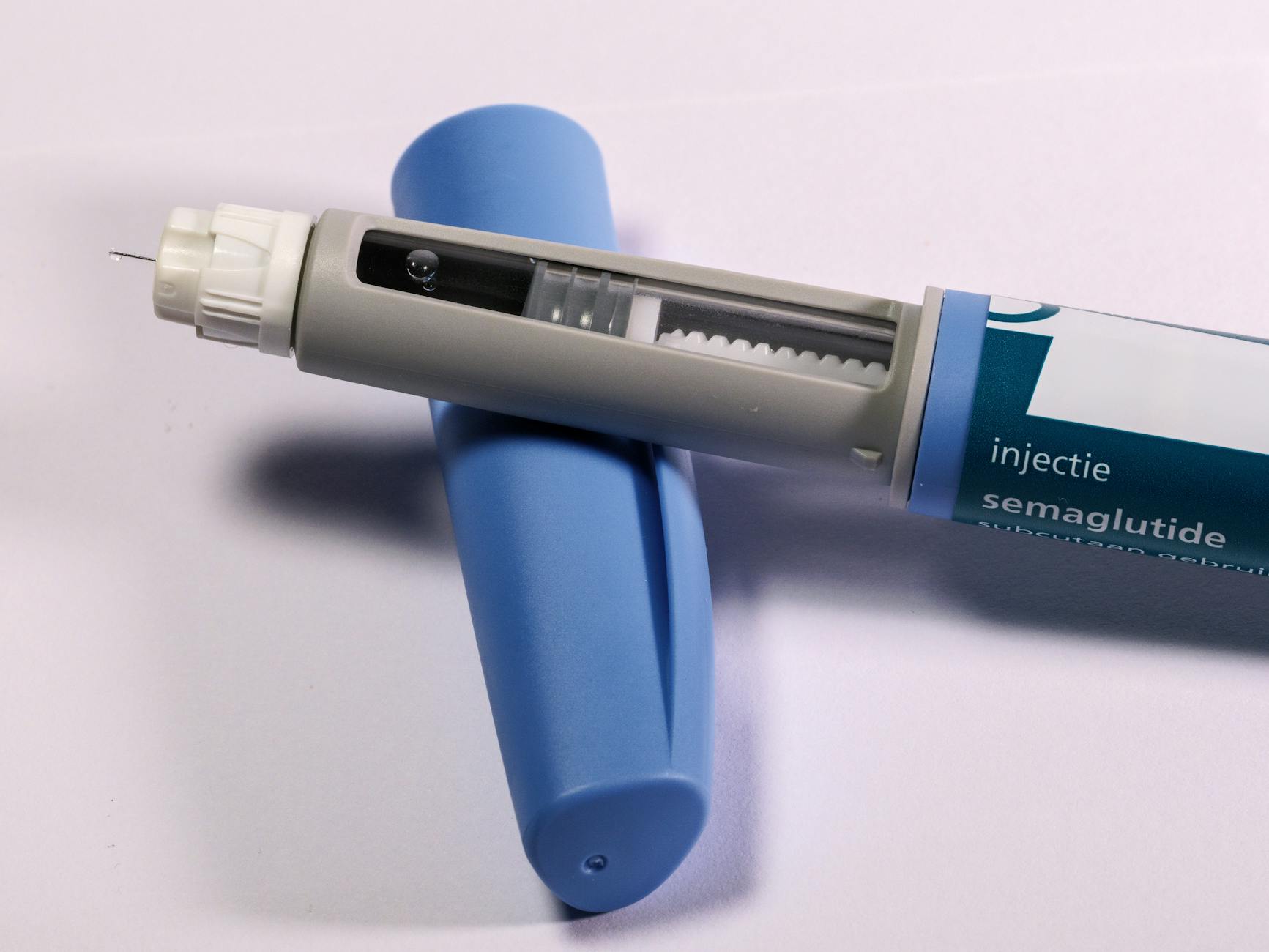
Once reserved as third-line agents, GLP-1 receptor agonists are now central to type 2 diabetes management. This in-depth guide covers their pharmacology, head-to-head efficacy data, safety profiles, and practical prescribing considerations.
- What Are GLP-1 Drugs? A Clinical Definition
- How Effective Are They? A1C Reduction, Weight Loss & Hard Outcomes
- Approved GLP-1 Receptor Agonists: A Practical Comparison
- Key Benefits Beyond Glycemic Control: Cardiovascular and Renal Protection
- Side Effects, Contraindications, and Safety Monitoring
- Who Should Be Prescribed a GLP-1 Drug? Patient Selection and Shared Decision-Making
- How to Initiate and Titrate GLP-1 Therapy
- Common Myths and Misconceptions About GLP-1 Drugs
- GLP-1 Agonists vs. Other Diabetes Medications: A Head-to-Head Look
- Frequently Asked Questions
What Are GLP-1 Drugs? A Clinical Definition
Glucagon-like peptide-1 receptor agonists (GLP-1 RAs) are a class of injectable medications that mimic the action of the natural incretin hormone GLP-1. In people with type 2 diabetes, the incretin effect is impaired, leading to insufficient insulin secretion after meals and excessive glucagon release. GLP-1 drugs restore this balance by:
- Stimulating glucose-dependent insulin secretion from pancreatic beta cells
- Suppressing glucagon release from alpha cells
- Slowing gastric emptying, which blunts postprandial glucose excursions
- Increasing satiety via central nervous system receptors, leading to reduced caloric intake
Importantly, because insulin secretion is glucose-dependent, the risk of hypoglycemia is very low (unless combined with sulfonylureas or insulin). The first GLP-1 RA, exenatide (Byetta), was approved in 2005; since then, several long-acting agents have been developed, many now offering once-weekly dosing and proven cardiovascular and renal benefits.
GLP-1 receptor agonists are defined by the American Diabetes Association (ADA) as glucose-lowering medications with a high efficacy for glycemic control, a very low intrinsic risk of hypoglycemia, and weight-loss effects. The 2025 ADA Standards of Care recommend GLP-1 RAs as first-line injectable therapy, typically after metformin, especially when weight loss or ASCVD risk reduction is desired.
How Effective Are They? A1C Reduction, Weight Loss & Hard Outcomes
The efficacy of GLP-1 drugs has been demonstrated across large, placebo-controlled cardiovascular outcomes trials (CVOTs). On average, these agents lower hemoglobin A1C by 1.0–1.5 percentage points from baseline, depending on the specific drug, dose, and background therapy.
The LEADER trial (liraglutide) showed a 13% reduction in the primary composite outcome (cardiovascular death, nonfatal myocardial infarction, or nonfatal stroke) in patients with type 2 diabetes and high cardiovascular risk. The SUSTAIN-6 trial (semaglutide injectable) demonstrated a 26% reduction in the same composite, driven largely by a reduction in nonfatal stroke. The REWIND trial (dulaglutide) reported a 12% reduction in MACE in a more primary-prevention population.
Weight loss is substantial and progressive. In the STEP trials, semaglutide 2.4 mg (Wegovy) produced an average 14.9% body weight reduction over 68 weeks in individuals with obesity, though the lower doses used for diabetes (up to 1 mg) yield about 4–7 kg loss. Tirzepatide (Mounjaro), a dual GIP/GLP-1 agonist, has shown even greater weight loss (up to 22% in SURPASS-2).
"In patients with type 2 diabetes and established ASCVD or multiple risk factors, GLP-1 RAs with proven cardiovascular benefit are recommended as part of the glucose-lowering regimen independent of A1C."
— 2025 ADA Standards of Care, Section 10: Cardiovascular Disease and Risk Management
Approved GLP-1 Receptor Agonists: A Practical Comparison
Several GLP-1 receptor agonists (and one dual agonist) are currently FDA-approved for the treatment of type 2 diabetes. The table below highlights key differences in dosing frequency, efficacy, cardiovascular outcomes, and cost considerations.
| Drug (Brand) | Dosing Frequency | Max A1C Reduction | Weight Loss (mean) | CV Benefit Proven |
|---|---|---|---|---|
| Exenatide (Byetta) | Twice daily | ~0.9% | 2–3 kg | No |
| Exenatide ER (Bydureon BCise) | Once weekly | ~1.0% | 2–3 kg | No |
| Liraglutide (Victoza) | Once daily | ~1.2% | 3–4 kg | Yes (LEADER) |
| Semaglutide injectable (Ozempic, Wegovy) | Once weekly | ~1.5% (1 mg) | 4–7 kg (diabetes dose) | Yes (SUSTAIN-6) |
| Semaglutide oral (Rybelsus) | Once daily oral | ~1.0% (14 mg) | 3–5 kg | Under study (PIONEER) |
| Dulaglutide (Trulicity) | Once weekly | ~1.2% | 2–4 kg | Yes (REWIND) |
| Tirzepatide (Mounjaro) | Once weekly | ~2.1% (15 mg) | 7–10 kg | Ongoing (SURPASS-CVOT) |
Cost and insurance coverage remain major determinants of use. Brand-name GLP-1 RAs typically cost $700–1,200 per month without insurance. In 2026, several biosimilars are in late-stage development, which may improve access.
Key Benefits Beyond Glycemic Control: Cardiovascular and Renal Protection
Perhaps the most transformative discovery over the past decade has been the consistent evidence that GLP-1 RAs reduce the risk of major adverse cardiovascular events (MACE) and slow the progression of diabetic kidney disease (DKD).
- MACE reduction: 12–26% relative risk reduction across trials
- Stroke: Semaglutide reduced nonfatal stroke by 39% in SUSTAIN-6
- CV death: Nonsignificant trend toward reduction in most trials
- Heart failure: Liraglutide and semaglutide reduce HF hospitalization in patients with obesity and HFpEF
- Albuminuria reduction: 25–35% decrease in UACR
- eGFR preservation: Slower decline in kidney function
- Composite renal outcomes: Semaglutide reduced renal events by 36% in FLOW trial (2024)
- Mechanism: Direct anti-inflammatory and antifibrotic effects on podocytes
The FLOW trial (semaglutide 1 mg in type 2 diabetes with chronic kidney disease) was stopped early due to clear efficacy, showing a 24% reduction in the primary composite of kidney failure, sustained eGFR decline, or death from kidney-related causes. These data have elevated GLP-1 RAs to a cornerstone therapy in patients with DKD.
Side Effects, Contraindications, and Safety Monitoring
The most common side effects are gastrointestinal and usually dose-dependent. Nausea, vomiting, diarrhea, and constipation affect up to 40% of patients in the first weeks.
Start at the lowest approved dose, titrate slowly (every 4 weeks), and advise patients to eat smaller, lower-fat meals. Antiemetics may be used temporarily. For most patients, GI symptoms resolve within 4–8 weeks.
What are the serious but rare risks?
- Pancreatitis: Case reports exist, but large meta-analyses show no significant increase compared to placebo. Patients should be counseled to stop the drug and seek care if severe abdominal pain occurs.
- Gallbladder disease: Weight loss itself increases risk. Cholelithiasis and cholecystitis occur slightly more often with GLP-1 RAs.
- Medullary thyroid carcinoma (MTC): Rodent studies showed C-cell hyperplasia; human data are reassuring, but FDA black-box warning exists. Avoid in patients with personal or family history of MTC or MEN2.
- Retinopathy: Rapid A1C improvement (especially with semaglutide) may transiently worsen diabetic retinopathy. Baseline eye exam recommended.
Who Should Be Prescribed a GLP-1 Drug? Patient Selection and Shared Decision-Making
The 2025 ADA/EASD consensus recommends GLP-1 RAs as first-line injectable therapy for most people with type 2 diabetes who require additional glucose lowering after metformin. However, patient selection should be individualized.
- Patients with A1C ≥1.5% above target despite oral agents
- Those with body mass index >27 kg/m² (or >25 with comorbidity) who want weight loss
- Patients with established ASCVD, heart failure, or chronic kidney disease
- Individuals who prefer once-weekly injections
- Patients intolerant to or with contraindications to SGLT2 inhibitors (or vice versa, as combinations are powerful)
Less suitable for patients with severe gastroparesis, prior pancreatitis, or who cannot tolerate GI side effects. Cost and insurance coverage are major barriers; consider oral semaglutide (Rybelsus) or older exenatide formulations if affordability is an issue.
How to Initiate and Titrate GLP-1 Therapy
Proper titration is essential for tolerability and efficacy. The following protocol is adapted from the manufacturer prescribing information and clinical practice guidelines.
Start with the lowest approved dose. For once-weekly semaglutide (Ozempic), begin at 0.25 mg weekly × 4 weeks, then increase to 0.5 mg for at least 4 weeks. For dulaglutide (Trulicity), start at 0.75 mg weekly; may increase to 1.5 mg after 4 weeks.
Counsel patients to take the injection at a consistent time, with or without food. If nausea occurs, suggest smaller, more frequent meals and temporarily reducing fat intake. Antiemetics (e.g., ondansetron) can be used short-term.
After 4 weeks at 0.5 mg, increase to 1.0 mg weekly (Ozempic) if tolerated. Maximum diabetes dose: 1.0 mg for semaglutide, 3.0 mg for liraglutide, 1.5 mg for dulaglutide. Higher doses (e.g., semaglutide 2.4 mg, tirzepatide 15 mg) are used for obesity.
When starting a GLP-1 RA, insulin secretagogues (sulfonylureas, glinides) may need dose reduction to prevent hypoglycemia. Insulin doses may also need reduction, especially prandial insulin.
Common Myths and Misconceptions About GLP-1 Drugs
False. GLP-1 RAs are not insulin; they stimulate the body's own insulin secretion in a glucose-dependent manner and also suppress glucagon. They carry a much lower risk of hypoglycemia than insulin and often cause weight loss rather than weight gain.
The FDA black-box warning about medullary thyroid carcinoma (MTC) is based on rodent studies; human data from large CVOTs and observational studies have not shown a significantly increased risk. However, use is contraindicated in patients with known MTC or MEN2.
Not necessarily. Metformin remains first-line therapy in type 2 diabetes due to its long safety record, low cost, and potential cardiovascular benefits. GLP-1 RAs are typically added to metformin, not a replacement for it, unless metformin is contraindicated or not tolerated.
True. Both semaglutide (Wegovy 2.4 mg) and liraglutide (Saxenda 3.0 mg) are FDA-approved for chronic weight management in people with obesity or overweight with at least one weight-related comorbidity, regardless of diabetes status.
GLP-1 Agonists vs. Other Diabetes Medications: A Head-to-Head Look
GLP-1 RAs are often compared to SGLT2 inhibitors (empagliflozin, dapagliflozin), DPP-4 inhibitors (sitagliptin, linagliptin), and insulin. Each class has unique advantages.
Both reduce MACE and slow CKD progression. GLP-1 RAs are more potent for glycemic control and weight loss. SGLT2 inhibitors have stronger heart failure and renal benefits (especially in patients with HFrEF or eGFR <30). Many patients benefit from combination therapy.
DPP-4 inhibitors (gliptins) are weaker for A1C reduction (~0.5–0.7%), weight neutral, and have no proven CV benefit. GLP-1 RAs are superior in efficacy, weight loss, and hard outcomes, but at the cost of GI side effects and injection burden (except oral semaglutide).
GLP-1 RAs achieve similar or better A1C reduction with weight loss instead of gain and less hypoglycemia. When A1C is very high (>9%) or symptoms of hyperglycemia are present, insulin may still be necessary initially. Adding a GLP-1 RA to insulin can reduce insulin doses and improve outcomes.
Sulfonylureas (glyburide, glipizide) are inexpensive but cause weight gain, hypoglycemia, and have no CV benefit. In head-to-head trials, GLP-1 RAs produce greater A1C lowering, weight loss, and lower hypoglycemia rates. Guidelines strongly prefer GLP-1 RAs over sulfonylureas as second-line therapy.
Frequently Asked Questions
Are GLP-1 drugs better than metformin?
Metformin remains first-line due to its safety, low cost, and modest weight neutrality. GLP-1 RAs are more effective for A1C reduction and weight loss and provide cardiovascular and renal benefits. They are typically added to metformin rather than replacing it. In patients with established ASCVD or CKD, guidelines recommend adding a GLP-1 RA (or SGLT2 inhibitor) regardless of A1C.
Can I take a GLP-1 drug and an SGLT2 inhibitor together?
Yes, the combination is increasingly recommended. The two classes have complementary mechanisms: GLP-1 RAs enhance insulin secretion and suppress appetite; SGLT2 inhibitors reduce renal glucose reabsorption and provide independent cardiorenal protection. Trials like DURATION-8 (exenatide + dapagliflozin) and recent real-world data show additive benefits on A1C, weight, blood pressure, and heart failure risk.
Do I need to check my blood sugar more often on a GLP-1 RA?
Because GLP-1 RAs have a low risk of hypoglycemia when used without insulin or secretagogues, routine self-monitoring of blood glucose (SMBG) does not need to be increased beyond what is usual for your diabetes management. If you are also taking insulin or a sulfonylurea, more frequent SMBG is recommended, especially during titration.
What happens if I miss a dose?
For once-weekly agents (semaglutide, dulaglutide, exenatide ER, tirzepatide): if the missed dose is within 5 days of the scheduled date, administer as soon as possible and resume the normal schedule. If more than 5 days have passed, skip the missed dose and take the next dose on the regular day. For liraglutide (once daily): take it within 12 hours of the missed time; otherwise skip. Never double a dose.
Can GLP-1 drugs cause pancreatitis?
Large meta-analyses of CVOTs (including LEADER, SUSTAIN-6, REWIND) found no significant increase in pancreatitis. Case reports and mechanistic studies suggest a possible signal, but the absolute risk appears very small. The FDA requires that patients be warned to discontinue the drug and seek medical attention if severe abdominal pain with or without vomiting occurs. History of pancreatitis is a relative contraindication.