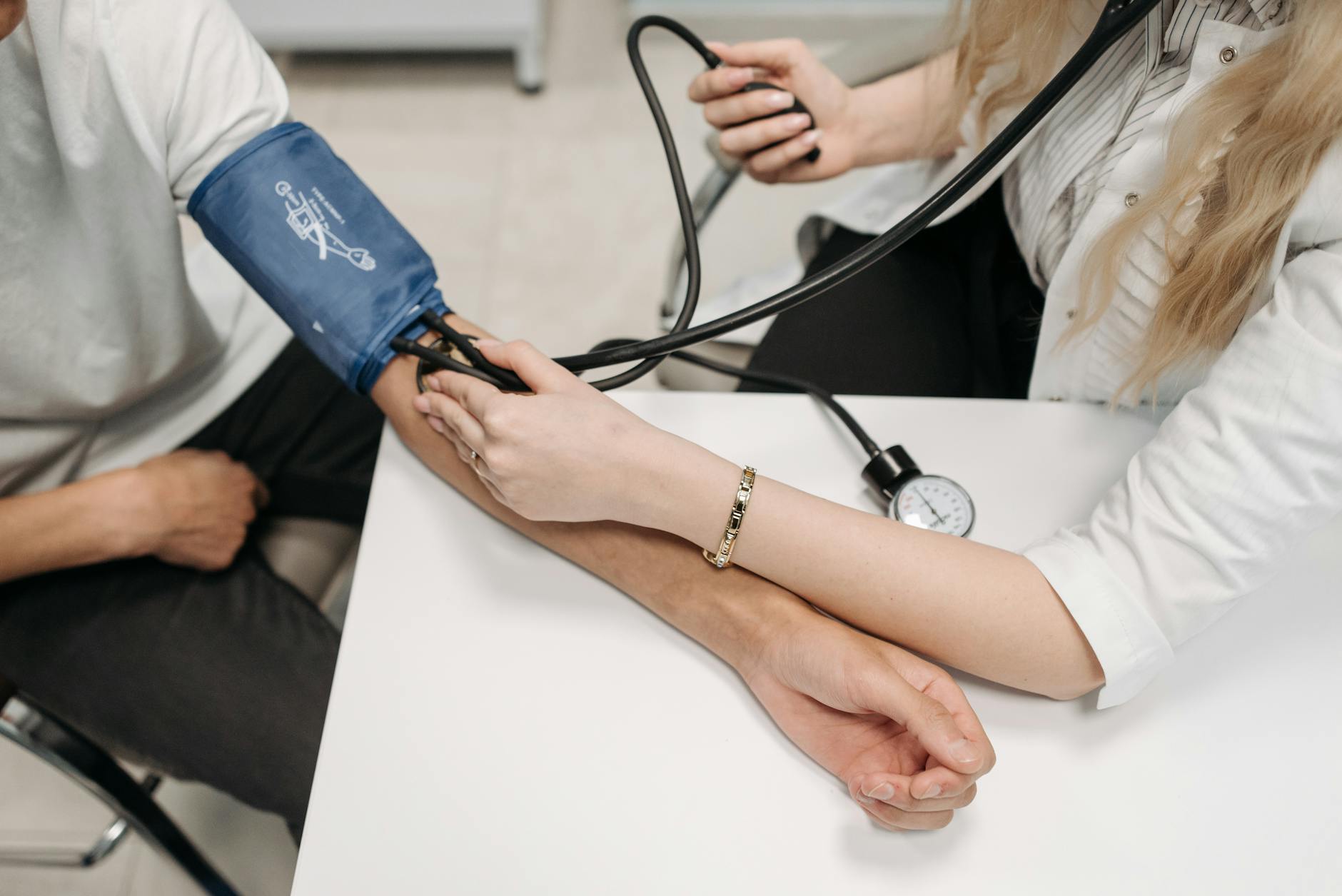
A comprehensive clinical guide to Stage 2 hypertension — from the specific BP numbers that define it to the dual-therapy protocols, lifestyle interventions, and urgent warnings every patient and practitioner should know.
- What Is Stage 2 Hypertension? The Definitive Clinical Range
- How Stage 2 Hypertension Is Diagnosed
- The Pathophysiology: Why 140/90 mmHg Matters for Target Organ Damage
- Acute Risks and Long-Term Complications of Uncontrolled Pressure
- First-Line Treatment Protocols for Stage 2 Hypertension
- Essential Lifestyle Interventions for Blood Pressure Control
- Common Myths About Stage 2 Hypertension
- When Stage 2 Hypertension Becomes a Medical Emergency
- Frequently Asked Questions
What Is Stage 2 Hypertension? The Definitive Clinical Range
Stage 2 hypertension is the most advanced classification of chronic high blood pressure before reaching a hypertensive crisis. According to the 2017 American College of Cardiology / American Heart Association (ACC/AHA) Guideline for the Prevention, Detection, Evaluation, and Management of High Blood Pressure, Stage 2 hypertension is defined by a sustained systolic blood pressure (SBP) of 140 mmHg or greater, or a diastolic blood pressure (DBP) of 90 mmHg or greater.
This threshold represents a significant departure from older guidelines. Prior to 2017, Stage 2 was defined as 160/100 mmHg or higher. The 2017 ACC/AHA guideline lowered the threshold to 140/90 to better identify high-risk individuals earlier, aligning with data from landmark trials like the Systolic Blood Pressure Intervention Trial (SPRINT), which showed that intensive SBP control (target < 120 mmHg) significantly reduced cardiovascular events and all-cause mortality.
ACC/AHA 2017 (USA): SBP ≥ 140 mmHg OR DBP ≥ 90 mmHg.
ESC/ESH 2023 (Europe): Grade 2 hypertension is SBP 160–179 mmHg OR DBP 100–109 mmHg. Grade 3 (severe) is SBP ≥ 180 OR DBP ≥ 110.
WHO/ISH 2020: SBP ≥ 160 OR DBP ≥ 100 mmHg for severe hypertension.
Note: This article primarily references ACC/AHA 2017 criteria, which are the most widely adopted in US clinical practice.
For patients diagnosed with Stage 2 hypertension, the risk of major adverse cardiovascular events (MACE) — including myocardial infarction, stroke, heart failure, and cardiovascular death — is substantially elevated. The 10-year ASCVD risk score for patients at this level often exceeds 10%, and the guideline recommends prompt initiation of pharmacotherapy, often with two first-line agents simultaneously.
How Stage 2 Hypertension Is Diagnosed
Accurate diagnosis of Stage 2 hypertension requires more than a single elevated reading in a clinical setting. The diagnostic pathway involves several steps to rule out white-coat hypertension, masked hypertension, and measurement errors.
Step-by-Step Diagnostic Process
What Tests Are Included in the Initial Workup?
Once Stage 2 hypertension is confirmed, the 2017 ACC/AHA guideline recommends a baseline evaluation including a fasting lipid panel, serum creatinine with estimated glomerular filtration rate (eGFR), urinalysis, serum electrolytes, and an electrocardiogram (ECG). These tests help assess target organ damage, guide medication selection, and calculate ASCVD risk.
The Pathophysiology: Why 140/90 mmHg Matters for Target Organ Damage
A sustained blood pressure of 140/90 mmHg or higher is not merely a statistical threshold; it is the point at which hemodynamic forces begin to consistently overwhelm the compensatory mechanisms of the arterial wall and end organs. The pathophysiology underlying Stage 2 hypertension involves a complex interplay of increased cardiac output, elevated systemic vascular resistance, and neurohormonal activation of the renin-angiotensin-aldosterone system (RAAS).
At SBP ≥ 140 mmHg, the left ventricle faces a chronically elevated afterload. This pressure overload triggers concentric left ventricular hypertrophy (LVH), a maladaptive remodeling process that increases the risk of diastolic dysfunction, heart failure with preserved ejection fraction (HFpEF), and ventricular arrhythmias. Simultaneously, elevated pulse pressure propagates damaging mechanical stress to the microvasculature of the brain, kidneys, and retina.
"The relationship between blood pressure and cardiovascular risk is continuous, consistent, and independent of other risk factors. The higher the blood pressure, the higher the chance of heart attack, heart failure, stroke, and kidney disease."
In the kidneys, elevated intraglomerular pressure leads to hyperfiltration, podocyte injury, and progressive glomerulosclerosis. This is why Stage 2 hypertension is a leading cause of chronic kidney disease (CKD). In the cerebral circulation, chronic hypertension promotes small-vessel disease, lacunar infarcts, and white matter hyperintensities, contributing to vascular cognitive impairment and dementia. The retina similarly shows hypertensive retinopathy, with arteriovenous nicking, silver wiring, and in severe cases, papilledema.
Acute Risks and Long-Term Complications of Uncontrolled Pressure
Patients with untreated or inadequately controlled Stage 2 hypertension face a significantly compressed healthspan. The risks can be categorized into acute, subacute, and chronic complications.
Long-Term Complications
- Cardiovascular: Atherosclerosis, myocardial infarction, heart failure (HFpEF and HFrEF), atrial fibrillation, aortic aneurysm and dissection.
- Cerebrovascular: Ischemic and hemorrhagic stroke, vascular dementia, transient ischemic attack (TIA).
- Renal: Hypertensive nephrosclerosis, progression to end-stage renal disease (ESRD) requiring dialysis.
- Ocular: Hypertensive retinopathy, retinal vein occlusion, optic neuropathy.
- Sexual health: Erectile dysfunction in men due to endothelial dysfunction and reduced penile blood flow.
Acute Risks of Stage 2 Hypertension Progression
If BP escalates beyond 180/110 mmHg, the patient enters a hypertensive urgency (absence of acute target organ damage) or hypertensive emergency (presence of acute organ injury). The latter is a life-threatening condition that requires immediate hospitalization and intravenous antihypertensive therapy.
Patients with Stage 2 hypertension should have their blood pressure rechecked within 1 month of initiating therapy and then every 3 to 6 months once controlled. Annual labs (serum creatinine, eGFR, electrolytes, and urine albumin-to-creatinine ratio) are recommended to monitor for renal function decline.
First-Line Treatment Protocols for Stage 2 Hypertension
The treatment of Stage 2 hypertension is more aggressive than Stage 1 due to the higher baseline cardiovascular risk. The 2017 ACC/AHA guideline mandates that pharmacotherapy be initiated simultaneously with lifestyle modification, and for most patients, two first-line agents from complementary classes are started at the same time.
The Evidence for Combination Therapy
Monotherapy rarely achieves adequate blood pressure reduction in Stage 2 hypertension. Combination therapy targets multiple pathophysiological pathways, provides synergistic BP lowering, and minimizes compensatory mechanisms (e.g., RAAS activation from diuretics). Combining agents allows for lower doses of each drug, reducing the likelihood of dose-dependent side effects.
Preferred Drug Classes and Combinations
Examples: Chlorthalidone, HCTZ, Indapamide
Mechanism: Reduces plasma volume and peripheral resistance.
Note: Chlorthalidone is preferred over HCTZ in many studies (ALLHAT) due to superior 24-hour BP control and outcomes.
Examples: Lisinopril, Ramipril, Enalapril
Mechanism: Blocks RAAS, reduces vasoconstriction and aldosterone.
Note: Ramipril (HOPE trial) showed significant CV event reduction independent of BP lowering.
Examples: Losartan, Valsartan, Olmesartan
Mechanism: Blocks AT1 receptor, provides RAAS blockade with lower cough/angioedema risk than ACEi.
Note: ACOCOMPLISH trial favored ACEi + amlodipine over ACEi + HCTZ.
Examples: Amlodipine, Nifedipine ER
Mechanism: Relaxes arteriolar smooth muscle, reduces peripheral resistance.
Note: Dihydropyridine CCBs (e.g., amlodipine) are preferred. Non-dihydropyridine (verapamil, diltiazem) are alternatives.
Do NOT combine an ACE inhibitor with an ARB or with a direct renin inhibitor (aliskiren). Dual RAAS blockade increases the risk of hyperkalemia, hypotension, and acute kidney injury without providing additional cardiovascular benefit (ONTARGET trial).
Initial Treatment Algorithm for Stage 2 Hypertension
Essential Lifestyle Interventions for Blood Pressure Control
Lifestyle modification is not optional in Stage 2 hypertension — it is a mandatory foundation upon which pharmacotherapy is built. Robust evidence supports that comprehensive lifestyle changes can lower SBP by 10–20 mmHg, effectively reducing the number or doses of medications required.
The DASH Diet: Dietary Approaches to Stop Hypertension
The DASH diet is the most rigorously studied dietary intervention for hypertension. It emphasizes fruits, vegetables, whole grains, lean proteins (especially poultry and fish), and low-fat dairy, while being low in saturated fat, total fat, and cholesterol. In the original DASH trial, the diet reduced SBP by 11.4 mmHg in patients with hypertension.
Physical Activity: At least 150 minutes/week of moderate-intensity aerobic exercise (brisk walking, cycling) OR 75 minutes/week of vigorous activity. Add resistance training 2–3 days/week.
Weight Loss: Achieving a BMI < 25 kg/m² or waist circumference < 40 inches (men) / < 35 inches (women). Weight loss of 1 kg lowers BP ~1 mmHg.
Alcohol Moderation: Limit to ≤ 2 drinks/day (men) and ≤ 1 drink/day (women). One drink = 12 oz beer, 5 oz wine, 1.5 oz spirits.
Potassium Supplementation: Increasing potassium-rich foods (bananas, spinach, avocados, sweet potatoes) helps lower BP, but avoid potassium supplements if taking ACEi/ARB or if eGFR < 45 mL/min.
What About Caffeine and Stress?
Caffeine can cause an acute pressor response (rise of 5–10 mmHg in SBP) in non-habitual users, but tolerance develops quickly. Chronic caffeine consumption is not strongly linked to sustained hypertension. Chronic stress, however, activates the sympathetic nervous system and RAAS, contributing to sustained BP elevation. Mindfulness-based stress reduction (MBSR) and cognitive behavioral therapy (CBT) are evidence-supported adjuncts for BP management.
Common Myths About Stage 2 Hypertension
Misinformation about high blood pressure is common and can lead to dangerous delays in treatment. Below are several persistent myths debunked by current clinical evidence.
Stage 2 hypertension is overwhelmingly asymptomatic. Only in the case of hypertensive emergency (BP > 180/120 mmHg) may symptoms like severe headache, nosebleeds, or shortness of breath occur. Relying on symptoms to gauge BP is dangerous — it is known as the "silent killer" for a reason.
Blood pressure is normal because of the medication. Discontinuing antihypertensives almost always leads to a gradual return to elevated levels. Only a healthcare provider can safely taper or discontinue therapy if sustained lifestyle changes have been made.
Accuracy depends on using a clinically validated device, the correct cuff size (a large cuff is needed for arm circumference > 32 cm), and proper technique. Positioning the arm at heart level, resting 5 minutes beforehand, and taking multiple readings are essential for reliable data.
Even in the absence of other risk factors, Stage 2 hypertension independently doubles or triples the lifetime risk of cardiovascular disease, stroke, and kidney failure. The added stress on the heart and blood vessels accumulates silently over years.
When Stage 2 Hypertension Becomes a Medical Emergency
While Stage 2 hypertension itself is a chronic condition requiring long-term management, there is a clear point at which it crosses into an acute, life-threatening emergency. This is defined as a hypertensive crisis: SBP > 180 mmHg and/or DBP > 120 mmHg.
A hypertensive crisis is further subdivided into:
- Hypertensive Urgency: BP > 180/120 mmHg WITHOUT evidence of acute target organ damage. Can usually be managed gradually over 24–48 hours by intensifying oral medications.
- Hypertensive Emergency: BP > 180/120 mmHg WITH acute damage to target organs. This requires immediate hospitalization and intravenous (IV) antihypertensive therapy to prevent or limit end-organ injury.
🚨 Red Flag Symptoms Requiring Immediate Emergency Care
If your home BP reading is ≥ 180/120 mmHg and you have ANY of the above symptoms, call 911 immediately. Do not drive yourself to the hospital. If you have a reading of ≥ 180/120 mmHg but feel perfectly fine, rest for 5 minutes and recheck. If it remains ≥ 180/120 mmHg, seek same-day medical evaluation — this is a hypertensive urgency and still requires prompt attention to prevent progression to an emergency.
Frequently Asked Questions
What is the exact blood pressure range for Stage 2 hypertension?
According to the 2017 ACC/AHA guidelines, Stage 2 hypertension is diagnosed when the systolic blood pressure is consistently 140 mmHg or higher, OR the diastolic blood pressure is 90 mmHg or higher. This is based on an average of two or more properly measured readings on two or more separate occasions. If a single reading is severely elevated (≥ 180/110 mmHg), the diagnosis may be confirmed more urgently.
What medications are typically prescribed first for Stage 2 hypertension?
The first-line approach for Stage 2 hypertension is dual combination therapy with two agents from different classes. The most evidence-based combinations are a thiazide-type diuretic (e.g., chlorthalidone) plus an ACE inhibitor (e.g., lisinopril) or an ARB (e.g., losartan), OR an ACEi/ARB plus a calcium channel blocker (e.g., amlodipine). This dual approach is recommended because monotherapy is rarely sufficient to achieve target BP goals in Stage 2 patients.
Can Stage 2 hypertension be reversed without medication?
It is possible, but challenging. The 2017 ACC/AHA guideline recommends lifestyle modification in conjunction with pharmacotherapy for Stage 2 hypertension. The DASH diet, reducing sodium to 1,500 mg/day, losing weight if overweight, engaging in 150+ minutes of weekly exercise, and limiting alcohol can collectively lower SBP by 15–25 mmHg. However, sustained Stage 2 hypertension (≥ 140/90) usually reflects significant pathological changes in the vasculature and renal system, and the vast majority of patients will require at least one medication long-term, even with excellent lifestyle habits.
How long does it take for blood pressure medication to work?
Different medications work on different timescales. Diuretics (thiazides) can begin lowering BP within 2–4 weeks. ACE inhibitors and ARBs typically produce a noticeable effect within 2–4 weeks, with maximum effect by 6–8 weeks. Calcium channel blockers like amlodipine take longer to reach steady state — roughly 7–8 days to begin working, with significant BP reduction by 2–4 weeks. It is common for clinicians to re-check BP 4 weeks after initiating or changing therapy to assess response and adjust doses.
What is the BP target for someone with Stage 2 hypertension?
For most non-institutionalized adults with Stage 2 hypertension, the 2017 ACC/AHA guideline recommends a target blood pressure of < 130/80 mmHg. For older adults (≥ 65 years) without significant comorbidities, a target of < 130/80 mmHg is also reasonable if it can be achieved without adverse effects. For high-risk populations (diabetes, CKD, known CVD), intensive targets (< 130/80 mmHg) are strongly supported by outcome trials. The 2023 ESC guidelines similarly recommend a target SBP range of 120–129 mmHg for most patients receiving antihypertensive therapy.
Medical Disclaimer: This article is for informational purposes only and does not constitute medical advice. The content presented here is based on the 2017 ACC/AHA guideline, SPRINT trial data, and other peer-reviewed sources current as of January 2026. Individual treatment plans must be tailored to the patient by a qualified healthcare provider. Always consult a qualified healthcare provider before making changes to your treatment, diet, or lifestyle. Do not adjust or discontinue prescribed antihypertensive medications without direct supervision by your physician.