A reading of 140/90 mm Hg meets the threshold for stage 2 hypertension under current U.S. guidelines. Learn what that means for your heart, kidneys, and daily life — plus evidence-based steps to lower it.
- What Does 140/90 Actually Mean?
- Why 140/90 Matters: Cardiovascular and Organ Risks
- Causes and Risk Factors of Sustained 140/90
- Symptoms and When to Worry
- How to Confirm a Hypertension Diagnosis
- Evidence-Based Treatment for 140/90
- Common Myths About 140/90 Blood Pressure
- Frequently Asked Questions
- When to See a Doctor
What Does 140/90 Actually Mean?
A blood pressure reading of 140/90 mm Hg indicates systolic pressure of 140 mm Hg and diastolic pressure of 90 mm Hg. Under the 2017 American College of Cardiology/American Heart Association (ACC/AHA) guideline, this falls into Stage 2 hypertension — the highest non-emergency category. (ACC/AHA 2017; Whelton et al., Journal of the American College of Cardiology)
The classification differs from earlier guidelines (JNC 8, which used 140/90 as the threshold for treatment in adults under 60). The 2017 ACC/AHA guideline lowered the threshold to 130/80 for stage 1, making 140/90 clearly elevated and requiring prompt evaluation. A single reading at a doctor's office does not confirm hypertension — it must be confirmed with multiple measurements taken on separate occasions (usually 2–3 readings on 2–3 different days).
Normal: <120/<80 | Elevated: 120–129/<80 | Stage 1: 130–139/80–89 | Stage 2: ≥140/≥90 | Hypertensive Crisis: ≥180/≥120
A reading of 140/90 meets criteria for Stage 2 hypertension, regardless of whether the systolic or diastolic component is the higher number.
The number matters because each 20 mm Hg rise in systolic pressure or 10 mm Hg rise in diastolic pressure doubles the risk of cardiovascular death (Lewington et al., Lancet 2002). The risk starts well below 140/90, but at this level the absolute benefit of treatment becomes significant for most adults.
Why 140/90 Matters: Cardiovascular and Organ Risks
Sustained blood pressure of 140/90 or higher places mechanical stress on arterial walls, damages the endothelium, and accelerates atherosclerosis. Long-term consequences include:
- Heart: Left ventricular hypertrophy, heart failure, coronary artery disease.
- Brain: Ischemic and hemorrhagic stroke, vascular dementia.
- Kidneys: Chronic kidney disease (hypertensive nephrosclerosis).
- Eyes: Hypertensive retinopathy (vision loss).
- Peripheral arteries: Claudication, aortic aneurysm.
The SPRINT trial (NEJM 2015) demonstrated that targeting systolic pressure below 120 mm Hg (vs. below 140) reduced major cardiovascular events by 25% and all-cause mortality by 27%. However, aggressive targets require close monitoring due to risks of hypotension and electrolyte disturbances. For most patients with 140/90, the initial goal under current guidelines is <130/80.
Causes and Risk Factors of Sustained 140/90
Hypertension is often called "the silent killer" because it develops without obvious symptoms. The causes are divided into primary (essential) — accounting for about 90% of cases — and secondary due to an identifiable underlying condition.
Primary (Essential) Hypertension — Multifactorial, gradual onset over years
Age, genetics, high sodium intake, low potassium, physical inactivity, obesity, and excessive alcohol consumption all contribute. The renin-angiotensin-aldosterone system (RAAS), sympathetic nervous system overactivity, and vascular remodeling play central roles. No single cause can be identified; lifestyle modification is the cornerstone of prevention and treatment.
Secondary Causes — Suspect if onset is abrupt, resistant to therapy, or occurs before age 30 or after 50
- Renal artery stenosis — fibromuscular dysplasia (young women) or atherosclerotic (older adults).
- Chronic kidney disease — hypertension both causes and worsens renal impairment.
- Primary aldosteronism — excess aldosterone causing sodium retention and potassium loss.
- Pheochromocytoma — rare catecholamine-secreting tumor causing paroxysmal hypertension.
- Obstructive sleep apnea — nocturnal hypoxia drives sympathetic activation.
- Medications — NSAIDs, oral contraceptives, decongestants, corticosteroids, stimulants.
- Substance use — excessive alcohol, cocaine, amphetamines, licorice (glycyrrhizin).
Symptoms and When to Worry
Most people with 140/90 feel completely normal. However, when blood pressure climbs higher (≥180/≥120) or has been uncontrolled for years, symptoms may appear. Watch for these red flags:
If BP is >180/>120 and accompanied by any of the above symptoms, call 911 or go to the emergency room immediately. A hypertensive crisis requires immediate intravenous therapy to prevent end-organ damage.
How to Confirm a Hypertension Diagnosis
A single reading of 140/90 in a clinic does not automatically mean you have hypertension. The diagnosis requires out-of-office measurements to rule out white-coat hypertension (elevated BP in clinical settings but normal elsewhere) and detect masked hypertension (normal in clinic but elevated outside).
Recommended diagnostic steps
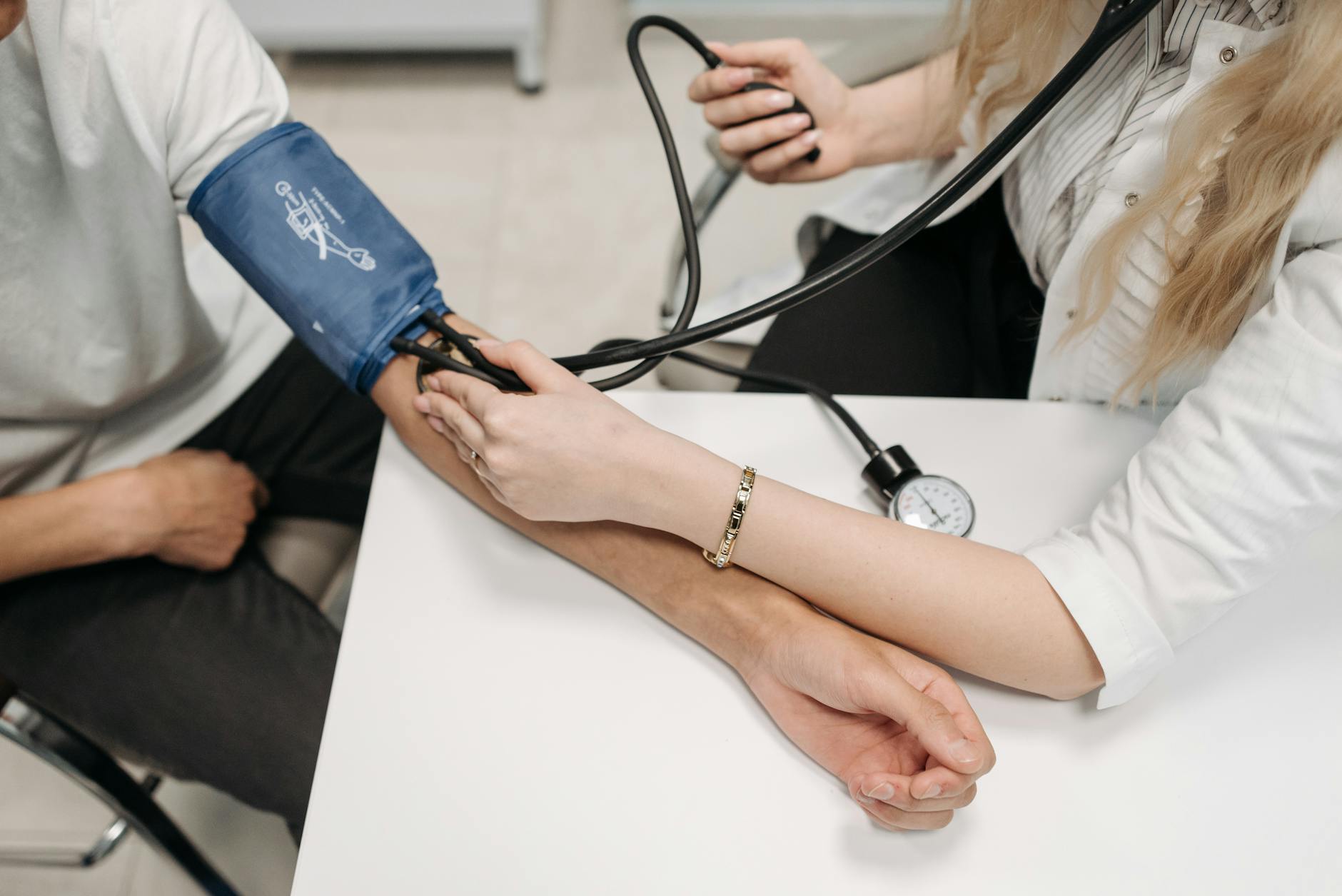
- Repeat measurement: Take at least 2 readings on 2 separate occasions, 1–2 minutes apart, with the patient seated for 5 minutes, feet flat, arm supported at heart level.
- Ambulatory blood pressure monitoring (ABPM): Gold standard — 24-hour recording during daily activities and sleep. Average readings ≥130/80 over 24 hours confirm hypertension.
- Home blood pressure monitoring (HBPM): Use a validated upper-arm cuff. Take 2–3 readings morning and evening for 7 days. Average ≥135/85 indicates hypertension.
- Secondary workup: If BP remains ≥140/90 despite lifestyle measures and/or three medications, consider renal artery ultrasound, aldosterone-renin ratio, sleep study, and basic labs (creatinine, electrolytes, TSH, urinalysis).
• Using an improperly sized cuff (too small inflates readings).
• Talking or crossing legs during measurement (adds 5–10 mm Hg).
• Caffeine, smoking, or exercise within 30 minutes (temporary spike).
• Full bladder (can raise systolic by 10–15 mm Hg).
Evidence-Based Treatment for 140/90
Treatment for stage 2 hypertension (140/90) should be initiated promptly. The 2017 ACC/AHA guideline recommends both lifestyle modifications and pharmacotherapy for most adults at this level.
Lifestyle modifications — the foundation
Pharmacotherapy — when lifestyle isn't enough
For stage 2 hypertension, most patients will require two first-line agents from different classes to achieve goal <130/80 within 4–8 weeks. Commonly used combinations:
Thiazide diuretics (chlorthalidone, HCTZ) — First-line for most. Avoid in severe hyponatremia or gout.
ACE inhibitors or ARBs (lisinopril, losartan) — Renoprotective. Avoid in pregnancy and bilateral renal artery stenosis.
Calcium channel blockers (amlodipine) — Effective, but may cause ankle edema and reflex tachycardia.
Beta blockers (metoprolol, carvedilol) — Not first-line unless specific indications (CAD, HF, arrhythmia).
Starting with two agents at low doses often achieves goal BP faster and with fewer side effects than step-wise monotherapy. Single-pill combinations (e.g., amlodipine/benazepril) improve adherence.
Common Myths About 140/90 Blood Pressure
Under current guidelines, 140/90 is Stage 2 hypertension — the highest pre-crisis stage. Even at 130/80, cardiovascular risk begins increasing. Waiting to treat until higher numbers is outdated.
Lifestyle changes are essential and can reduce BP by 10–15 mm Hg, but many people with 140/90 require at least one medication to get below 130/80. Lifestyle and medication work synergistically — not as alternatives.
Hypertension is asymptomatic until it reaches a crisis or causes end-organ damage. Relying on symptoms leads to under-treatment. Regular monitoring with a home cuff is the only reliable method.
Correct. White-coat hypertension affects 15–30% of patients. ABPM or HBPM for 7 days is needed to confirm a diagnosis before starting medication.
Frequently Asked Questions
Is 140/90 dangerous right now?
A single reading of 140/90 is not an emergency unless accompanied by severe symptoms. However, sustained readings at this level increase long-term cardiovascular risk. The danger is cumulative over months and years, not minutes. If you feel well, schedule a follow-up with your doctor within a week to confirm and create a plan.
Can I bring 140/90 down without medication?
Yes — but it depends on how long it has been elevated and your overall risk profile. Aggressive lifestyle changes (DASH diet, weight loss, exercise, sodium restriction) can lower systolic BP by 10–15 mm Hg over 3–6 months. If you have diabetes, chronic kidney disease, or known heart disease, medication is usually recommended alongside lifestyle changes.
What should I do if I get 140/90 at home?
Don't panic. Sit quietly for 5 minutes and recheck the reading. If still 140/90 or higher, note the time and circumstances. Repeat the measurement at the same time the next day. If the average over 3–4 days remains ≥140/90 (or ≥135/85 for home), contact your healthcare provider for a formal assessment.
Is 140/90 the same for all ages?
No. The 2017 ACC/AHA guideline applies the same thresholds for all adults ≥18 years, but treatment goals may differ. For adults ≥80 years, the target systolic BP is typically <150 mm Hg to avoid hypotension and falls. For younger adults (18–39) with high cardiovascular risk, a more aggressive target (<130/80) is often pursued.
Can anxiety cause a 140/90 reading?
Yes. White-coat hypertension (elevated BP in medical settings) is common. Anxiety, the stress of measurement, and even speaking can raise systolic BP by 10–20 mm Hg. However, if home readings consistently show 140/90, it's not just anxiety — it's hypertension.
When to See a Doctor
Make an appointment if:
- Your home or clinic readings have been ≥140/90 on at least two separate occasions.
- You have risk factors (diabetes, CKD, family history of early CVD, smoking).
- You experience any of the warning symptoms listed above.
- You're already on treatment but your BP remains above 130/80 after 3 months.
- You develop side effects from your blood pressure medications.
Your provider will check BP in both arms, listen to your heart and lungs, examine your fundi (eyes), and order basic labs (creatinine, electrolytes, fasting glucose, lipid panel, urinalysis). They'll also calculate your 10-year ASCVD risk score. Based on the results, they'll recommend lifestyle modifications and/or medications.
Medical Disclaimer: This article is for informational purposes only and does not constitute medical advice. Always consult a qualified healthcare provider before making changes to your treatment, diet, or lifestyle. Individual results may vary, and the information presented here is based on guidelines available as of June 2025.