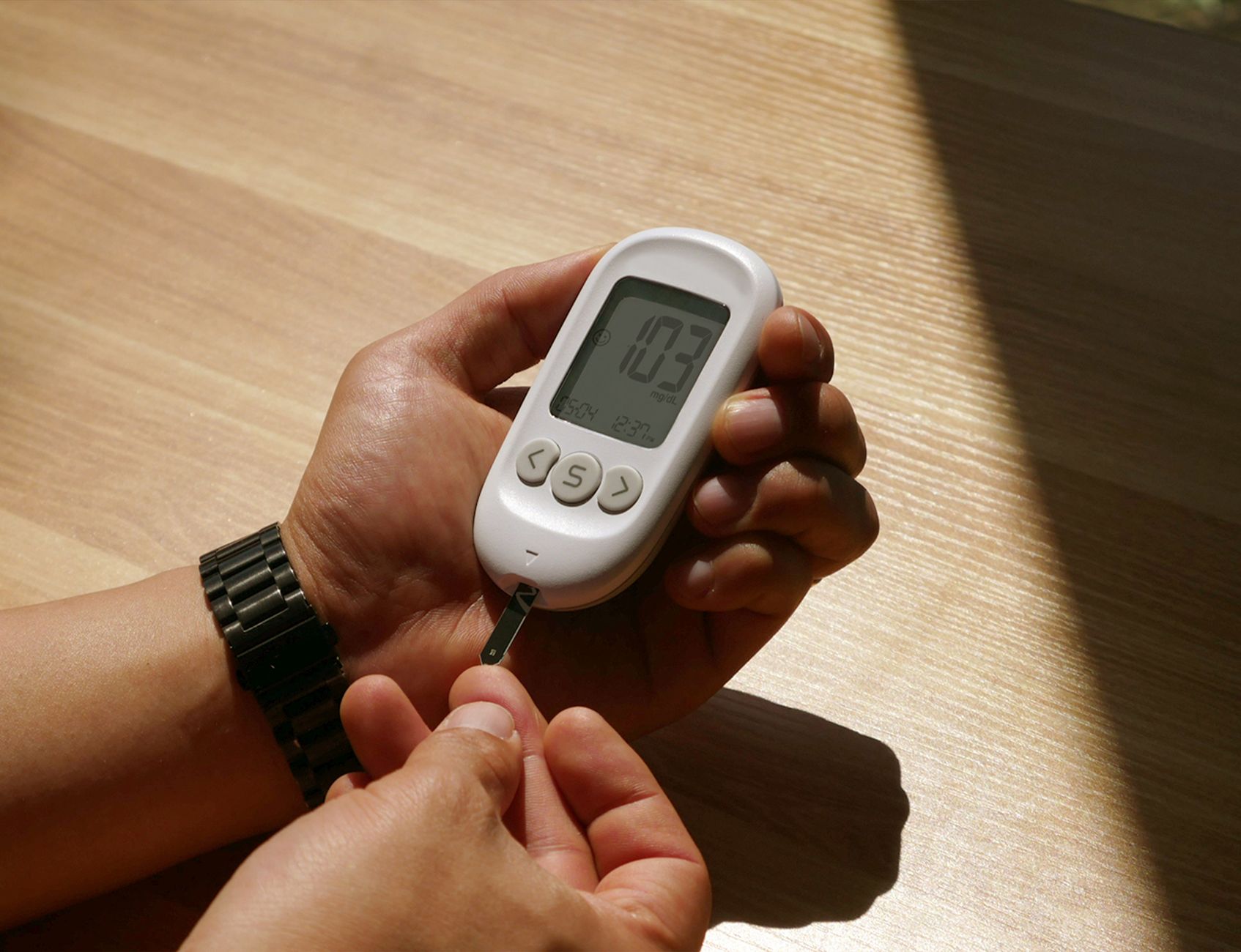
The persistent belief that hypertension is solely a consequence of poor eating habits overlooks a far more complex web of genetics, age, kidney function, sleep disorders, stress, and medication effects — diet is one piece of a much larger puzzle.
No, high blood pressure is not always caused by diet. Hypertension is a multifactorial condition driven by genetics (accounting for 30–50% of risk), aging, kidney function, sleep apnea, chronic stress, medications, and other medical conditions. While dietary factors — especially excess sodium, low potassium, and high alcohol intake — are important contributors, they rarely act alone. The American Heart Association estimates that nearly half of US adults have hypertension, and only a subset of those cases can be attributed primarily to diet. [1]
Why the 'Diet Is the Only Cause' Myth Persists
Ask most people what causes high blood pressure, and the answer usually lands on “too much salt” or “a bad diet.” The reasoning feels intuitive — the link between sodium intake and blood pressure is one of the most widely publicized nutrition messages in medicine. Public health campaigns, food labels, and even your primary care provider reinforce the message daily. But the message has been simplified to the point of distortion.
The reality is that about 47% of adults in the United States have hypertension, according to the American Heart Association [1], yet only a minority follow a truly high-sodium diet. Conversely, many people who eat a Mediterranean or DASH-style diet — both known to support healthy blood pressure — still develop hypertension as they age. If diet were the sole determinant, adherence to a healthy eating pattern would be nearly 100% protective. It is not.
The oversimplification is understandable: diet is the one cause that feels controllable. Genetics, age, and kidney function are not. Telling someone their hypertension might be hereditary or related to an underlying condition feels less actionable than telling them to cut salt. But this well-meaning simplification does real harm — it leads people to blame themselves unnecessarily, delays appropriate medical workups, and can even encourage them to avoid medications that could prevent stroke or heart attack.
Below, we examine seven of the most common myths that keep the “diet alone” misconception alive — and explain what the evidence actually shows.
7 Myths About Diet and High Blood Pressure
Sodium does raise blood pressure in many people — particularly those who are “salt-sensitive,” a trait more common in Black adults, older adults, and individuals with kidney disease [2]. However, the dietary picture is much broader. A low-potassium diet (few fruits, vegetables, legumes) may be just as important as a high-sodium diet because potassium helps blood vessels relax and promotes sodium excretion. Excessive alcohol intake — more than two drinks per day for men or one for women — raises blood pressure in a dose-dependent manner [3]. Diets high in added sugars and ultra-processed carbohydrates also contribute via mechanisms involving insulin resistance and sympathetic nervous system activation. Reducing sodium alone, without addressing these other dietary patterns, often produces only modest blood pressure improvements.
A whole-foods, plant-forward diet is one of the most powerful tools for maintaining healthy blood pressure — the DASH diet consistently lowers systolic pressure by 8–14 mmHg in clinical trials [4]. But it is not a guarantee. Heritability of blood pressure is estimated at 30–50% [5], meaning genes can raise your risk even with impeccable eating habits. Age alone progressively stiffens arteries and raises systolic pressure in nearly everyone after age 50. Secondary hypertension caused by conditions such as hyperaldosteronism, renovascular disease, or obstructive sleep apnea can develop in people with exemplary diets. A healthy diet dramatically shifts the odds in your favor but does not create immunity.
Excess body weight — particularly visceral adiposity — is a major risk factor for hypertension. The mechanism involves increased sympathetic tone, sodium retention, and activation of the renin-angiotensin-aldosterone system. However, normal-weight individuals make up a substantial proportion of the hypertensive population. In the Framingham Heart Study, approximately 30% of adults with a body mass index under 25 had prehypertension or hypertension [6]. Factors such as high dietary sodium-to-potassium ratio, chronic stress, sleep deprivation, and genetic predisposition can produce hypertension independent of body weight. The term "lean hypertension" describes a phenotype that is underrecognized and often undertreated because clinicians assume a normal-weight patient cannot have elevated pressure.
Plant-based eating patterns — vegetarian, vegan, and the DASH diet — are consistently associated with lower average blood pressure compared with standard Western diets. A meta-analysis found that vegetarians had systolic pressures roughly 5–7 mmHg lower than omnivores [4]. However, the protective effect depends on what the plant-based diet actually contains. A vegetarian diet built on refined grains, fried plant foods, salty snacks, and sugary beverages will not lower blood pressure and may raise it. Furthermore, plant-based eaters are not exempt from other non-dietary contributors — they still age, accumulate genetic risk, and can develop sleep apnea or kidney disease. The pattern is protective but not equivalent to a guarantee.
Dietary improvements can lower blood pressure — sometimes into the normal range — particularly in people with stage 1 hypertension and no additional risk factors. The DASH diet combined with sodium restriction (to 1,500 mg daily) can produce reductions comparable to a single antihypertensive medication in some individuals [7]. However, for many people, diet alone is not sufficient. Once arterial remodeling, endothelial dysfunction, or renal pressure-natriuresis abnormalities are established, they may not fully reverse with dietary change. The majority of individuals with stage 2 hypertension (systolic ≥140 or diastolic ≥90) will still require pharmacotherapy even with optimal diet. The belief that diet should "work" as a cure often causes people to delay medication unnecessarily, exposing themselves to preventable cardiovascular risk.
Caffeine acutely raises blood pressure — about 5–10 mmHg for 30–90 minutes after consumption — via vasoconstriction and increased catecholamine release. However, habitual coffee and tea drinkers develop tolerance to this pressor effect, and large prospective studies do not show a clear link between chronic caffeine intake and incident hypertension [8]. In some analyses, moderate coffee consumption is actually associated with a modestly lower risk of hypertension, possibly due to antioxidant polyphenols. Energy drinks that combine high caffeine with sugar and other stimulants are a different story — they can produce sustained pressure elevation — but standard coffee or tea is not a primary driver of chronic hypertension for the majority of people.
Making dietary improvements while on antihypertensive medication may allow your clinician to reduce your dose — but stopping medication without medical supervision is dangerous. Abrupt discontinuation of certain classes (particularly beta-blockers and clonidine) can cause rebound hypertension that exceeds pretreatment levels. Even if your blood pressure normalizes after dietary changes, that normalization may be medication-maintained rather than diet-cured. In the PREMIER trial, participants who adopted DASH and dietary sodium restriction still required ongoing medication to maintain target pressures in many cases [7]. Any medication adjustment should be guided by a healthcare provider using home and office blood pressure monitoring.
What Is Actually Verified About Diet and Hypertension
Diet is a major modifiable contributor to blood pressure — but it operates within a broader biological and environmental system. Here is what the data actually supports:
• Sodium-potassium ratio matters more than sodium alone. The American Heart Association recommends reducing sodium to under 2,300 mg daily (ideally 1,500 mg) while increasing potassium-rich foods such as leafy greens, beans, potatoes, bananas, and yogurt [2].
• The DASH diet produces the most reproducible blood pressure reductions of any dietary pattern, with systolic drops of 8–14 mmHg in controlled trials [4]. It is endorsed by the American Heart Association, the American College of Cardiology, and the National Institutes of Health.
• Alcohol reduction is one of the most effective single dietary changes. Limiting to one drink per day for women and two for men lowers systolic pressure by 3–6 mmHg on average [3].
• Weight loss of 5–10% of body weight through dietary modification produces systolic reductions of approximately 5 mmHg for every 10 kg lost [9].
• Dietary changes are additive to medication, not a replacement for it. The combination of DASH diet, sodium restriction, and standard pharmacotherapy produces the best outcomes in most patients.
When Misconceptions Become Dangerous
Believing that diet is the sole cause — and therefore the sole solution — to high blood pressure can lead to specific harms that are not merely theoretical.
Frequently Asked Questions
How much does diet really contribute to high blood pressure compared to genetics?
Population studies estimate that genetic factors account for 30–50% of blood pressure variability between individuals [5]. Dietary factors — particularly sodium, potassium, alcohol, and overall dietary pattern — explain a substantial but smaller proportion. The two interact: some people's genes make them highly salt-sensitive, meaning diet matters more for them; others may have a robust setpoint that resists dietary influence. Attributing hypertension entirely to either genetics or diet is a false dichotomy — both act together.
Can someone with normal weight and a healthy diet still have high blood pressure?
Yes, this scenario is common. Normal-weight hypertension ("lean hypertension") often goes undetected because clinicians may not check pressure in a seemingly healthy person or may dismiss mild elevations. Contributing factors include high dietary sodium combined with low potassium, high alcohol intake, chronic stress, genetic predisposition, sleep apnea (which can occur in lean individuals), and secondary causes such as kidney disease or hormonal disorders.
What non-dietary factors are most commonly responsible for high blood pressure?
The major non-dietary contributors include: aging (arterial stiffening raises systolic pressure); genetics (family history doubles risk); obstructive sleep apnea (50–60% of hypertensive individuals have OSA) [10]; chronic kidney disease; primary hyperaldosteronism; thyroid disorders; chronic stress and anxiety (cortisol and sympathetic activation); medications (NSAIDs, decongestants, oral contraceptives, corticosteroids, certain antidepressants); and smoking or nicotine use.
Will improving my diet always lower my blood pressure?
Most people will see some reduction, but the magnitude varies widely. Salt-sensitive individuals (more common in Black adults, older adults, and those with kidney disease) often have a larger response to sodium restriction. People who transition from a highly processed diet to the DASH pattern typically see systolic drops of 8–14 mmHg [4]. However, if genetic or age-related arterial changes are advanced, dietary improvements may produce only modest changes — and medication may still be necessary to reach target pressure.
How do I know if my high blood pressure is caused by diet or something else?
There is no single test to distinguish "dietary" from "non-dietary" hypertension because the causes overlap. That said, your clinician can look for clues: a thorough dietary history (especially sodium and alcohol intake), assessment of salt sensitivity (noting whether pressure rises acutely after high-sodium meals), screening for sleep apnea, blood and urine tests for kidney and hormonal causes, and evaluation of family history. If pressure remains elevated despite optimal diet and lifestyle changes, that strongly suggests non-dietary drivers are dominant — and a workup for secondary hypertension is indicated.
- Diet is one contributor among many. High blood pressure is driven by genetics, age, kidney function, sleep disorders, medications, stress, and lifestyle factors — not diet alone.
- Sodium is not the only dietary factor. Low potassium, high alcohol intake, excess added sugars, and ultra-processed carbohydrates also play significant roles.
- Healthy eating patterns reduce risk but do not guarantee immunity. The DASH diet is the most evidence-based dietary approach, but even its best effects are limited by non-dietary factors.
- Medication is not a sign of dietary failure. Most people with stage 2 hypertension benefit from pharmacotherapy regardless of diet quality. Diet and medication work best together.
- If your blood pressure remains elevated despite a healthy diet, pursue a full medical workup. Secondary causes such as sleep apnea, kidney disease, or hormonal conditions are common and treatable.
- American Heart Association. Heart Disease and Stroke Statistics — 2025 Update. Circulation. 2025.
- American Heart Association. Dietary Sodium and Potassium Intake in Adults. AHA Scientific Statement. 2022.
- American Heart Association / American College of Cardiology. 2017 Guideline for the Prevention, Detection, Evaluation, and Management of High Blood Pressure in Adults. Hypertension. 2018.
- Appel LJ, Moore TJ, Obarzanek E, et al. A Clinical Trial of the Effects of Dietary Patterns on Blood Pressure. DASH Collaborative Research Group. New England Journal of Medicine. 1997.
- Ehret GB, Caulfield MJ. Genetics of Blood Pressure and Hypertension. Nature Reviews Nephrology. 2013.
- Vasan RS, Larson MG, Leip EP, et al. Assessment of Frequency of Progression to Hypertension in Non-Hypertensive Participants in the Framingham Heart Study. The Lancet. 2001.
- Svetkey LP, Sacks FM, Obarzanek E, et al. The DASH Diet, Sodium Intake, and Blood Pressure Trial (DASH-Sodium): Results and Clinical Implications. Journal of the American Society of Nephrology. 2004.
- Mesas AE, Leon-Muñoz LM, Rodriguez-Artalejo F, et al. The Effect of Coffee on Blood Pressure and Cardiovascular Disease in Hypertensive Individuals: A Systematic Review and Meta-Analysis. American Journal of Clinical Nutrition. 2019.
- Wing RR, Bolin P, Brancati FL, et al. Long-Term Effects of a Lifestyle Intervention on Weight and Cardiovascular Risk Factors in Individuals With Type 2 Diabetes: Four-Year Results of the Look AHEAD Trial. Archives of Internal Medicine. 2010.
- National Heart, Lung, and Blood Institute. Secondary Hypertension: Detection and Management. NIH Publication. 2021.