Nearly half of U.S. adults have high blood pressure, but lifestyle changes can reduce systolic BP by 5–20 mmHg—enough to delay or replace medication for many. This step-by-step guide covers diet, exercise, stress, sleep, and more, backed by American Heart Association and CDC guidelines.
Yes, lifestyle changes can significantly lower blood pressure. The DASH diet, sodium reduction to <1,500 mg/day, regular aerobic exercise (150 min/week), weight loss of 5–10% if overweight, limited alcohol (≤1 drink/day for women, ≤2 for men), stress management, and smoking cessation can reduce systolic BP by 5–20 mmHg. The American Heart Association notes that a 5 mmHg drop reduces stroke risk by about 14% [1]. Always discuss medication changes with your doctor.
- 10-Point Lifestyle Checklist
- Rethink Your Plate: The DASH Diet & Sodium
- Move More: Aerobic & Strength Training
- Drop Pounds: Weight Loss Targets
- Limit Alcohol & Stop Smoking
- Manage Stress & Improve Sleep
- Track Your Progress
- Common Mistakes to Avoid
- When to Involve Your Doctor
- Frequently Asked Questions
The 10-Point Blood Pressure Lowering Checklist
Each item on this checklist is backed by clinical evidence. Implement them one at a time for the best chance of long-term success.
Rethink Your Plate: The DASH Diet & Sodium Control
The Dietary Approaches to Stop Hypertension (DASH) eating plan is the most researched dietary pattern for lowering blood pressure. In the landmark DASH trial, participants who followed the diet reduced systolic BP by an average of 11 mmHg — an effect comparable to some single-drug therapies [3].
What to Eat on DASH
The plan emphasizes potassium, magnesium, and calcium-rich foods. For a 2,000-calorie diet, aim for:
- 4–5 servings of vegetables (leafy greens, broccoli, carrots, tomatoes)
- 4–5 servings of fruit (bananas, oranges, apples, berries)
- 6–8 servings of whole grains (oats, brown rice, quinoa, whole-wheat bread)
- 2–3 servings of low-fat or fat-free dairy
- ≤3 oz of lean meat, poultry, or fish per meal (choose fish twice a week)
- 4–5 servings of nuts, seeds, or legumes per week
- Limited fats & oils (2–3 servings; stick to olive, canola, avocado)
The Sodium Piece
Even if you eat DASH foods, excessive sodium can blunt results. The American Heart Association recommends no more than 1,500 mg of sodium per day for most adults with hypertension [1]. That's roughly ¾ teaspoon of salt. About 70% of sodium in the average diet comes from packaged and restaurant foods — not the salt shaker. Check Nutrition Facts labels; aim for items with ≤140 mg per serving.
After 2–4 weeks on DASH with sodium ≤1,500 mg, many people see a 5–10 mmHg drop in systolic BP. Combining DASH with weight loss and exercise amplifies the effect.
| Food Group | DASH Serving Goal (2,000 kcal) | Examples |
|---|---|---|
| Vegetables | 4–5 servings | Spinach, bell peppers, kale, carrots |
| Fruits | 4–5 servings | Banana, orange, blueberries, apple |
| Whole grains | 6–8 servings | Oatmeal, brown rice, 100% whole-wheat bread |
| Low-fat dairy | 2–3 servings | Skim milk, nonfat yogurt, reduced-fat cheese |
| Lean protein | ≤6 oz total | Chicken breast, salmon, tofu, legumes |
| Nuts/seeds | 4–5/week | Almonds, walnuts, flaxseeds |
| Fats & oils | 2–3 servings | Olive oil, avocado, unsalted butter |
| Sweets | ≤5/week | Maple syrup, dark chocolate, sorbet |
Move More: Aerobic & Strength Training for Lower BP
Regular physical activity strengthens the heart, reducing the force needed to pump blood — and that directly lowers pressure on artery walls. The American College of Cardiology and AHA jointly recommend at least 150 minutes of moderate-intensity aerobic exercise per week for blood pressure management [4].
Aerobic Exercise: The Foundation
Moderate-intensity means you can talk but not sing during the activity. Walking at a brisk pace (3–4 mph), stationary cycling, swimming, or dancing all qualify. Aim for 30–40 minutes per session, 5 days a week. A meta-analysis of 54 trials found that aerobic exercise lowered resting systolic BP by an average of 4.9 mmHg and diastolic by 3.7 mmHg [5].
Add Resistance Training
Don't skip the weight room. Resistance training performed 2–3 times weekly — using dumbbells, resistance bands, or bodyweight exercises (squats, push-ups, planks) — adds another 2–4 mmHg reduction. Isometric exercises like wall sits and planks may be especially effective.
Exercising too hard too soon can cause injury and may transiently raise BP. Always warm up for 5 minutes, cool down, and never hold your breath during resistance training. If your resting BP is ≥180/110 mmHg, talk to a doctor before beginning an exercise program.
Drop Pounds: Why 5–10% Weight Loss is a Game Changer
Excess body weight directly drives higher blood pressure by increasing cardiac output and activating the sympathetic nervous system. Even modest weight loss — 5–10% of starting weight — produces meaningful reductions. For a 200-pound person, that's 10–20 pounds lost.
Data from the Look AHEAD trial showed that a 7% weight loss over one year reduced systolic BP by an average of 5 mmHg [6]. And the effect is dose-dependent: each kilogram (2.2 lb) of weight lost corresponds to roughly a 1 mmHg drop in systolic BP. Waist circumference is also key — abdominal fat is metabolically active and raises BP more than fat stored elsewhere. Aim for a waist circumference below 40 inches in men and 35 inches in women.
How to Achieve Weight Loss Sustainably
Combining a 500–750 calorie daily deficit with the DASH diet and regular exercise produces 1–2 pounds of weight loss per week. Keep a food journal, use portion control (e.g., fill half your plate with vegetables), and avoid sugary beverages — liquid calories are especially easy to overconsume.
Limit Alcohol & Stop Smoking: Two Immediate Wins
Alcohol: Less is Better
Alcohol can raise blood pressure in a dose-dependent way. Consuming more than three drinks in one sitting causes a temporary spike, and chronic heavy drinking can lead to sustained hypertension. The AHA suggests that if you drink, do so in moderation: ≤1 drink per day for women, ≤2 for men [1]. A drink equals 12 oz beer, 5 oz wine, or 1.5 oz distilled spirits.
For those who don't drink, there's no health reason to start. Even moderate drinking can raise BP over time. Cutting back by two drinks per day can lower systolic BP by about 4 mmHg.
Smoking: Every Cigarette Counts
Nicotine raises blood pressure temporarily, and long-term smoking damages arterial walls, accelerating atherosclerosis. Quitting smoking can lower systolic BP by 2–6 mmHg within months. The CDC reports that one year after quitting, the risk of coronary heart disease drops by 50% [7]. Use nicotine replacement therapy or prescription aids (varenicline, bupropion) to increase success rates.
Manage Stress & Improve Sleep: The Underrated Levers
Stress Physiology
Chronic stress activates the hypothalamic-pituitary-adrenal axis, raising cortisol and adrenaline, which constrict blood vessels and increase heart rate. Over weeks to years, this can contribute to sustained hypertension. Mindfulness-based stress reduction (MBSR) programs have shown a 4–5 mmHg reduction in systolic BP in some studies [8].
Simple practices you can start today: deep diaphragmatic breathing (5 seconds in, 5 seconds out for 5 minutes), progressive muscle relaxation, or a 10-minute walk in nature. Avoid using alcohol or food to cope — that loop often backfires.
Sleep Quality & Blood Pressure
During deep sleep, blood pressure naturally dips by 10–20% (known as nocturnal dipping). People who sleep fewer than 6 hours per night are at higher risk for hypertension. Obstructive sleep apnea (OSA) is a major cause: the intermittent hypoxia and arousal spikes raise BP acutely and chronically. If you snore loudly, wake up gasping, or have daytime sleepiness, ask for a sleep study. Treating OSA with CPAP can lower systolic BP by 3–10 mmHg.
Track Your Progress: Home BP Monitoring
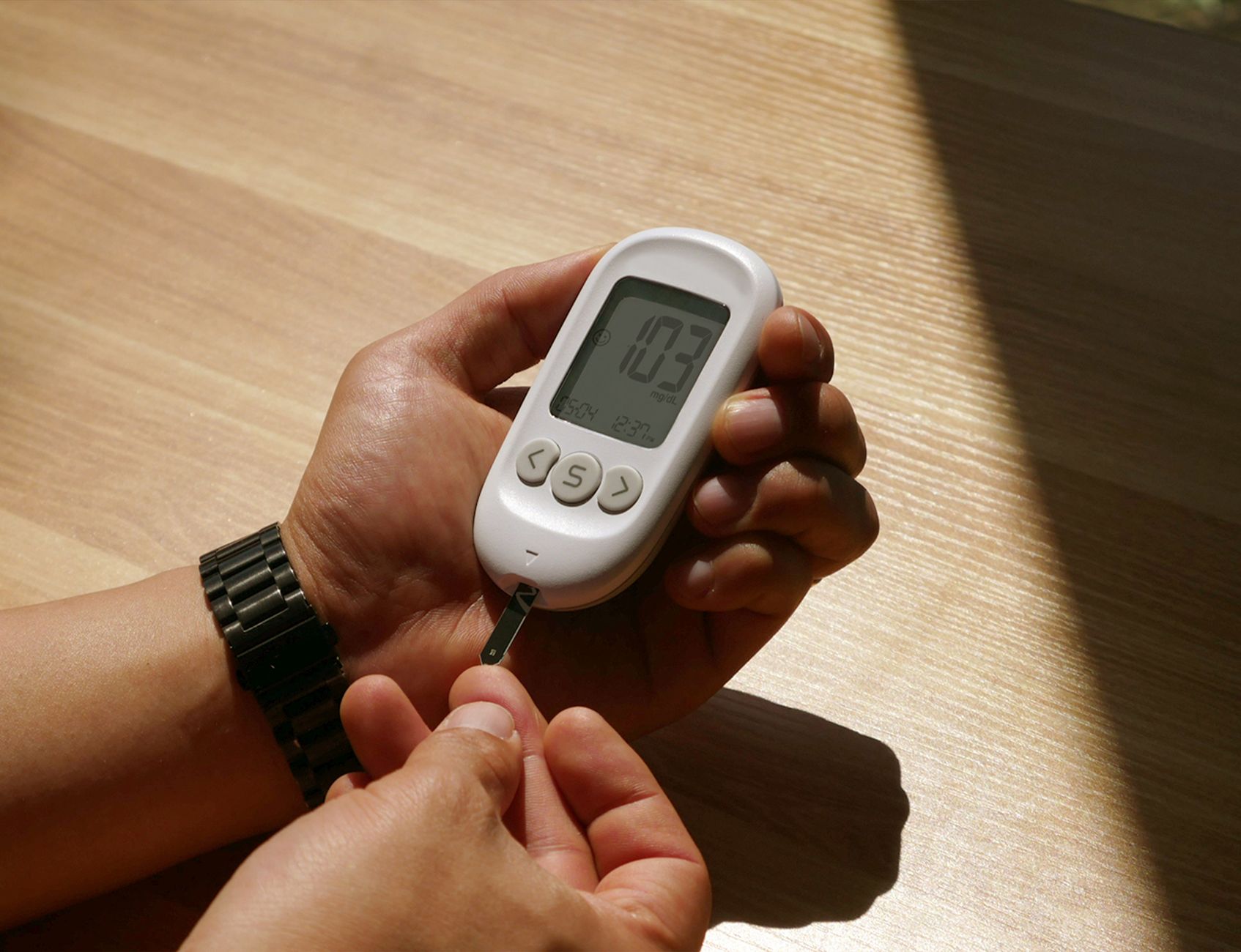
You cannot manage what you do not measure. Home blood pressure monitoring (HBPM) is endorsed by the AHA, ACC, and CDC. It helps you and your doctor see real-world trends, distinguish true hypertension from "white-coat" effects, and gauge how well lifestyle changes are working.
How to Measure Correctly
- Use a validated, upper-arm automatic monitor (wrist monitors are less reliable).
- Rest for 5 minutes in a chair with feet flat and arm at heart level.
- Avoid caffeine, smoking, and exercise for 30 minutes before.
- Take two readings 1 minute apart; record the average.
- Do this at the same time each morning (before meds/food) and evening.
Keep a log (paper or app) and bring it to every medical visit. A consistent home systolic BP of <130/80 mmHg is generally considered well-controlled for most adults, though individual targets may vary.
Common Mistakes That Sabotage Natural BP Lowering
Though some supplements (potassium, magnesium, CoQ10, garlic) show modest effects, no dietary supplement is approved by the FDA to treat hypertension. The AHA warns against substituting supplements for proven lifestyle changes or medication.
Natural approaches can lower BP, but stopping prescribed medication abruptly can cause a dangerous rebound surge. Always work with your doctor to taper medications if lifestyle changes are working.
Blood pressure lowering requires consistency. A "perfect" week followed by two weeks of poor diet and no exercise will not produce lasting results. Prioritize habit stacking (e.g., walk after breakfast every day).
When to Involve Your Doctor
Even the most committed lifestyle changes may not bring BP to goal. See your doctor if:
- Your home readings remain ≥140/90 mmHg after 6–8 weeks of consistent lifestyle changes.
- You have a history of heart disease, diabetes, or kidney disease (targets are stricter).
- You experience symptoms like chest pain, severe headache, vision changes, or shortness of breath — these can indicate a hypertensive emergency.
- Your BP is persistently ≥180/110 mmHg, even without symptoms. This requires immediate evaluation.
Remember: natural approaches are powerful but not always sufficient. For some, medication is necessary to prevent stroke, heart attack, and kidney damage. Combining lifestyle changes with lower-dose medication often yields the best outcomes.
Frequently Asked Questions
How quickly can lifestyle changes lower blood pressure?
You may see a small drop within 1–2 weeks (especially with sodium reduction and exercise). Maximum effects from diet, weight loss, and exercise generally appear after 2–3 months. A study in Hypertension found that the DASH diet lowered systolic BP in just 11 days [3].
Can I ever stop my blood pressure medication if I lower my BP naturally?
Yes, some people can reduce or stop medication if lifestyle changes bring BP below goal. However, this must be done under a doctor's supervision. Abruptly stopping beta-blockers or clonidine can cause dangerous rebound hypertension. Your doctor may taper the dose slowly while you maintain lifestyle habits.
Is it safe to exercise if my BP is 160/100?
For most people with BP 160/100, moderate exercise is safe and beneficial — but get medical clearance first. Avoid heavy weightlifting and high-intensity interval training until BP is better controlled. Start with walking or light cycling and monitor your BP before and after exercise. If it rises above 180/110 during activity, stop and consult a doctor.
Which supplements actually lower blood pressure?
Potassium (from food, not pills) has the strongest evidence — a potassium-rich diet can lower systolic BP by 3–5 mmHg. Magnesium and CoQ10 have some supporting data. However, the FDA does not regulate supplements as drugs, and quality varies. The safest strategy is to get these nutrients from whole foods. Talk to your doctor before using any supplement.
Can drinking more water lower BP?
Only if you are dehydrated. Chronic mild dehydration may cause a slight increase in BP due to compensatory vasoconstriction. But for most people, extra water does not directly lower BP. Focus on reducing sodium and increasing potassium instead.
- Lifestyle changes — especially the DASH diet, sodium ≤1,500 mg/day, 150+ minutes of exercise weekly, and 5–10% weight loss — can lower systolic BP by 5–20 mmHg.
- A 5 mmHg reduction in systolic blood pressure reduces stroke risk by roughly 14% and cardiovascular event risk by about 10%.
- Home BP monitoring (consistent timing, validated cuff) is essential to track progress and guide decisions.
- Supplements are no substitute for diet, exercise, and weight loss; no supplement is FDA-approved for hypertension.
- Never stop prescribed medications without medical supervision — natural approaches can complement but not always replace pharmacotherapy.
- If your BP remains ≥140/90 after 6–8 weeks of diligent lifestyle effort, or if you have diabetes or kidney disease, talk to your doctor about medication.
- American Heart Association. (2024). Understanding Blood Pressure Readings and Lifestyle Recommendations. heart.org
- National Heart, Lung, and Blood Institute. Clinical Guidelines on the Identification, Evaluation, and Treatment of Overweight and Obesity in Adults. 1998 (updated evidence).
- Appel LJ, Moore TJ, Obarzanek E, et al. A clinical trial of the effects of dietary patterns on blood pressure. DASH Collaborative Research Group. N Engl J Med. 1997;336(16):1117–1124.
- Whelton PK, Carey RM, Aronow WS, et al. 2017 ACC/AHA Guideline for the Prevention, Detection, Evaluation, and Management of High Blood Pressure in Adults. Circulation. 2018;138(17):e484–e594.
- Cornelissen VA, Smart NA. Exercise training for blood pressure: a systematic review and meta-analysis. J Am Heart Assoc. 2013;2(1):e004473.
- Wing RR, Bolin P, Brancati FL, et al. (Look AHEAD Research Group). Cardiovascular effects of intensive lifestyle intervention in type 2 diabetes. N Engl J Med. 2013;369(2):145–154.
- U.S. Department of Health and Human Services. The Health Consequences of Smoking—50 Years of Progress: A Report of the Surgeon General. Atlanta: CDC; 2014.
- Blom K, Baker B, How M, et al. Hypertension and mindfulness: a systematic review and meta-analysis. J Hypertens. 2019;37(2):267–276.