Hyperglycemia (high blood glucose) does not always announce itself loudly. Understanding the subtle and overt symptoms can mean the difference between a routine adjustment and a trip to the emergency room. Here is a clinically grounded guide to recognizing hyperglycemia.
- What Is Hyperglycemia? Clinical Thresholds and Definitions
- The Physiology of Symptoms: Why High Glucose Makes You Feel Unwell
- Classic Early Signs: The Three Polys
- Beyond the Polys: Frequently Overlooked Symptoms
- When It Becomes an Emergency: DKA and HHS Warning Signs
- Diagnosis and Monitoring: What Your Numbers Mean
- How to Bring High Blood Sugar Down Safely
- Common Myths and FAQs About Hyperglycemia Symptoms
- When to See a Healthcare Provider
What Is Hyperglycemia? Clinical Thresholds and Definitions
Hyperglycemia is the medical term for an abnormally high concentration of glucose in the blood. It is the hallmark metabolic abnormality of diabetes mellitus, but it can also occur transiently in people without diabetes during acute illness, severe stress, or after certain medications.
According to the American Diabetes Association (ADA) Standards of Care 2026, hyperglycemia is broadly defined as:
- Fasting hyperglycemia: Blood glucose level above 125 mg/dL (6.9 mmol/L) after at least 8 hours of no caloric intake.
- Postprandial (after-meal) hyperglycemia: Blood glucose level above 180 mg/dL (10.0 mmol/L) measured 1–2 hours after the start of a meal.
Persistent hyperglycemia is the primary diagnostic criterion for diabetes. An HbA1c of 6.5% or higher, a fasting plasma glucose (FPG) of 126 mg/dL or higher, or a 2-hour plasma glucose of 200 mg/dL or higher during an oral glucose tolerance test (OGTT) all confirm the diagnosis.
The renal threshold for glucose reabsorption is approximately 180 mg/dL. When blood glucose exceeds this level, the kidneys cannot reabsorb all the glucose, leading to glucosuria. This is the direct mechanism behind several of the most common hyperglycemia symptoms, including polyuria (excessive urination) and polydipsia (excessive thirst).
The Physiology of Symptoms: Why High Glucose Makes You Feel Unwell
Symptoms of hyperglycemia arise from two primary pathophysiological processes: osmotic diuresis and glucotoxicity. When glucose accumulates in the blood, it draws water from the intracellular space into the bloodstream. The kidneys filter this excess glucose, but when levels surpass the renal threshold, water follows the glucose into the urine, leading to dehydration and electrolyte imbalances.
Over time, glucotoxicity damages microvascular and macrovascular structures through oxidative stress, advanced glycation end-products (AGEs), and inflammatory pathways. This explains why some symptoms—like neuropathy or vision changes—take weeks or months to develop, while others—like thirst and frequent urination—appear within hours of glucose spikes.
Common Causes of Hyperglycemia Episodes — Why glucose levels spike
Missed or insufficient insulin/medication: The most common cause in people with diabetes. Forgetting basal insulin or miscalculating carbohydrate coverage can rapidly elevate glucose.
Acute illness or infection: The body releases stress hormones (cortisol, epinephrine) and cytokines, which counteract insulin action and promote hepatic glucose production. This is why a cold or urinary tract infection can cause glucose levels to rise unexpectedly.
Dietary factors: Consuming high-glycemic-index carbohydrates or large meals without adequate insulin or activity is a common trigger.
Physical and emotional stress: Surgery, trauma, anxiety, and even intense exercise can trigger a surge in counter-regulatory hormones.
Dawn phenomenon: A natural rise in blood glucose that occurs in the early morning hours (roughly 3 AM to 8 AM) due to the release of growth hormone and cortisol.
Risk Factors for Chronic Hyperglycemia — Who is most vulnerable
Chronic hyperglycemia is most strongly associated with type 1 diabetes, type 2 diabetes, and pancreatic insufficiency. Additional risk factors include:
- Sedentary lifestyle and prolonged sitting
- Obesity, particularly visceral adiposity (central obesity)
- Family history of type 2 diabetes
- Polycystic ovary syndrome (PCOS)
- Chronic use of glucocorticoids (e.g., prednisone)
- Gestational diabetes during pregnancy
Classic Early Signs: The Three Polys
The classic trio of hyperglycemia symptoms—known clinically as the three polys—are highly specific indicators that glucose levels have exceeded the renal threshold for a sustained period.
What it feels like: Frequent, voluminous urination, including waking multiple times during the night to urinate (nocturia). A patient may report producing large volumes of clear urine.
What it feels like: Intense, unquenchable thirst that is not relieved by drinking. This is a direct compensatory response to the fluid loss from polyuria.
What it feels like: Excessive hunger despite eating normal or large amounts of food. Paradoxically, patients may still lose weight because the body cannot utilize the glucose entering the cells.
"In the setting of insulin deficiency, the body turns to fat and protein for fuel. This catabolic state drives weight loss and muscle wasting, even as the patient reports eating more than usual."
— ADA Clinical Compendium on Hyperglycemia, 2025
Beyond the Polys: Frequently Overlooked Symptoms
Many people with type 2 diabetes—and even some with type 1—experience hyperglycemia for weeks or months before receiving a diagnosis because the early symptoms are subtle and easily attributed to other causes.
- Blurred vision: Glucose fluctuations cause the lens of the eye to swell, altering its shape and refractive power. This is reversible with glucose correction.
- Fatigue and lethargy: Cells are starved for energy despite high extracellular glucose. This metabolic mismatch causes profound tiredness.
- Slow wound healing: Chronic hyperglycemia impairs neutrophil function, reduces collagen synthesis, and compromises peripheral circulation.
- Recurrent infections: High glucose provides a rich medium for bacterial and fungal growth. Common sites include the urinary tract, skin (boils, carbuncles), and the genital area (yeast infections).
- Dry, itchy skin: Dehydration from osmotic diuresis reduces skin moisture. Poor circulation further impairs skin health.
- Tingling or numbness in hands/feet: Early signs of diabetic peripheral neuropathy. This is often described as a "stocking-glove" distribution.
- Unexplained weight loss: Especially common in type 1 diabetes and advanced type 2 diabetes when insulin production is severely compromised.
A 2025 systematic review in Diabetes Care found that up to 45% of patients with newly diagnosed type 2 diabetes attributed their fatigue and blurred vision to aging or lack of sleep, leading to a delay in seeking medical evaluation of an average of 18 months.
When It Becomes an Emergency: DKA and HHS Warning Signs
Two acute, life-threatening complications of hyperglycemia require immediate medical intervention: Diabetic Ketoacidosis (DKA) and Hyperosmolar Hyperglycemic State (HHS). DKA is more common in type 1 diabetes but can occur in type 2 diabetes under extreme stress. HHS typically occurs in type 2 diabetes and has a higher mortality rate.
If you or someone you know has diabetes and is experiencing vomiting, confusion, difficulty breathing, or severe hyperglycemia (> 300 mg/dL / 16.7 mmol/L) accompanied by any of the above signs, do not wait. Call 911 or go to the nearest emergency department. DKA and HHS cannot be managed at home and require intravenous fluids, electrolyte replacement, and insulin therapy.
Diagnosis and Monitoring: What Your Numbers Mean
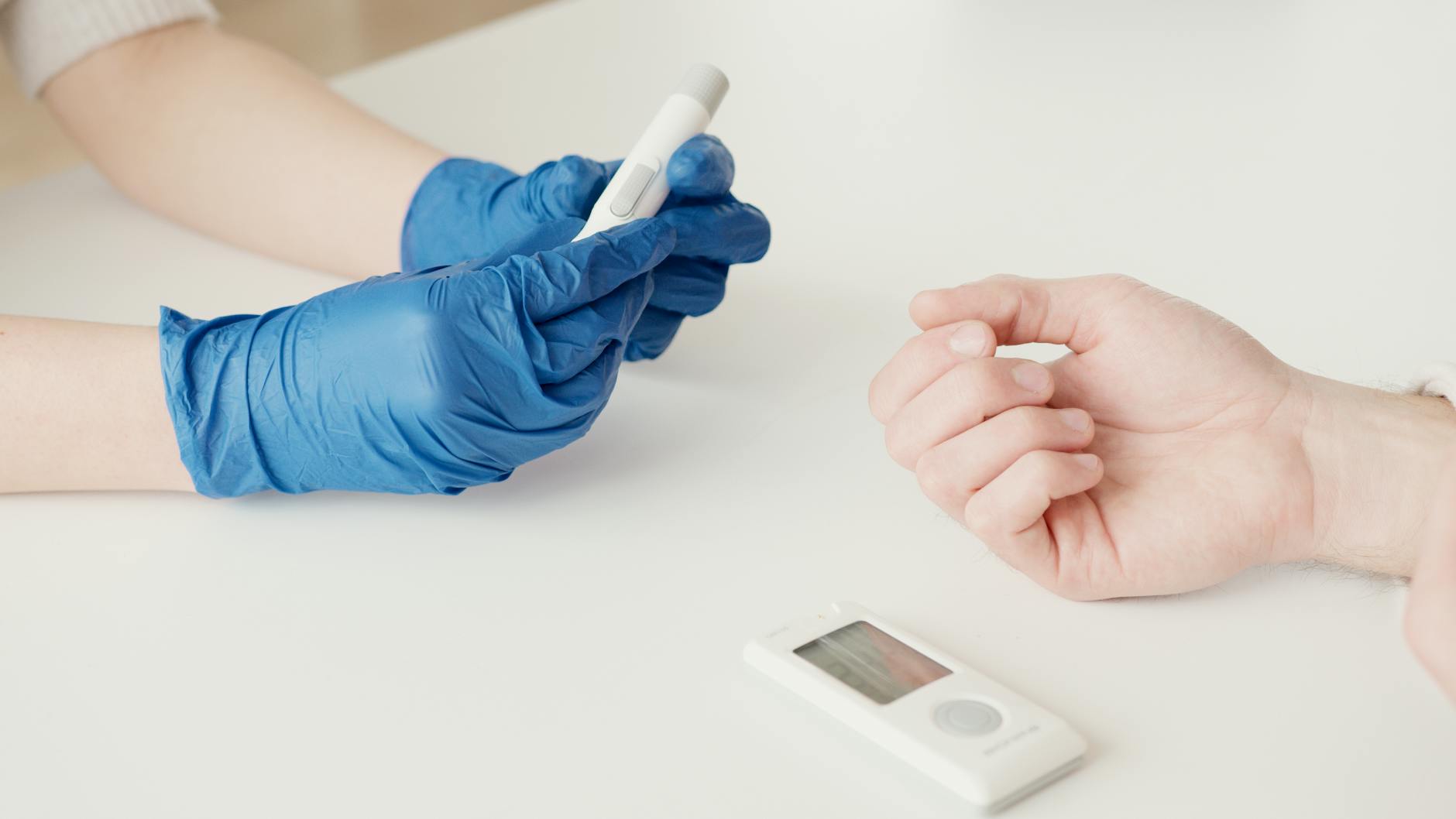
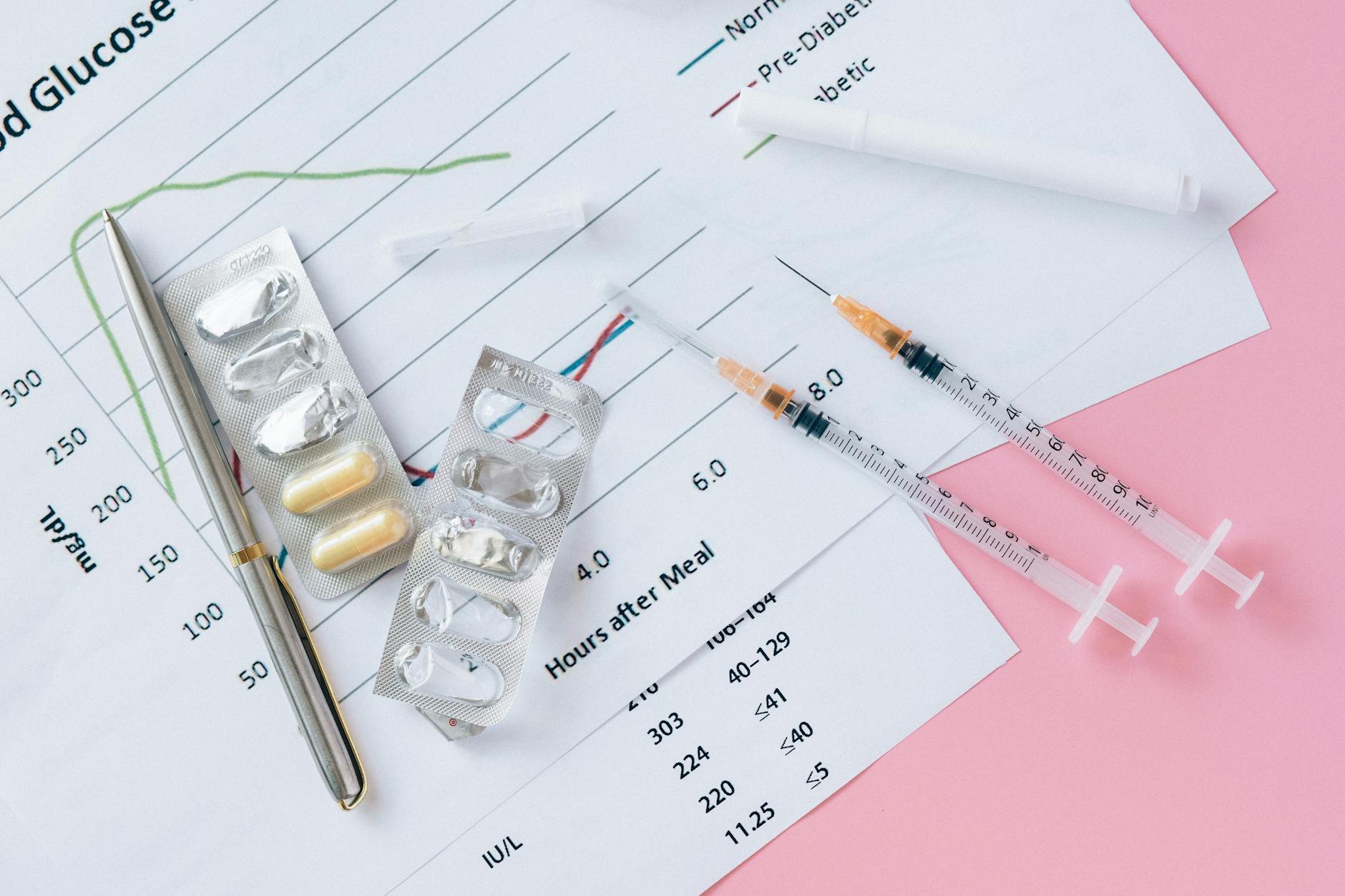
Recognizing symptoms is the first step, but objective glucose data is required to confirm hyperglycemia and guide treatment. Home monitoring with a blood glucose meter (BGM) or continuous glucose monitor (CGM) is essential for anyone managing diabetes.
| Test | Normal | Prediabetes | Diabetes / Hyperglycemia |
|---|---|---|---|
| Fasting Plasma Glucose (FPG) | < 100 mg/dL | 100 – 125 mg/dL | ≥ 126 mg/dL |
| 2-Hour OGTT (75 g glucose) | < 140 mg/dL | 140 – 199 mg/dL | ≥ 200 mg/dL |
| HbA1c | < 5.7% | 5.7% – 6.4% | ≥ 6.5% |
| Random / Casual Glucose | < 140 mg/dL | — | ≥ 200 mg/dL (with symptoms) |
What to do if your glucose is elevated:
How to Bring High Blood Sugar Down Safely
Lowering blood glucose too aggressively can cause rapid fluid shifts, electrolyte abnormalities, and even cerebral edema in severe cases. Safe reduction requires a measured approach.
Hydrate with water: Hyperglycemia causes osmotic diuresis and dehydration. Drinking water helps dilute blood glucose and supports renal excretion. Avoid sugary drinks and fruit juices, which will worsen the spike. Aim for 8–12 oz of water per hour.
Move your body gently: In the absence of ketones, moderate physical activity (e.g., walking) increases insulin sensitivity and muscle glucose uptake. If ketones are present, do NOT exercise, as this can worsen ketosis.
Use medication as prescribed: For those on insulin, a correction dose of rapid-acting insulin (e.g., lispro, aspart, glulisine) is the most effective way to lower glucose. For those on oral medications, review adherence and timing.
- Drink water
- Walk (if no ketones)
- Take correction insulin
- Monitor every 1–2 hours
- Rest and avoid stress
- Drinking soda, juice, or sports drinks
- Exercise if ketones are present
- Stacking correction doses without checking
- Ignoring symptoms of DKA/HHS
Common Myths and FAQs About Hyperglycemia Symptoms
Many people, especially those with type 2 diabetes, can have blood glucose in the 200–300 mg/dL range for weeks without any noticeable symptoms. This is why regular monitoring is critical. Undiagnosed hyperglycemia contributes to silent microvascular damage.
Severe stress, trauma, surgery, and high-dose corticosteroid therapy can cause transient hyperglycemia in individuals without a prior diabetes diagnosis. However, persistent hyperglycemia usually indicates underlying insulin resistance or beta-cell dysfunction.
Physical and emotional stress trigger the release of cortisol and epinephrine, which promote gluconeogenesis and glycogenolysis while inhibiting insulin secretion. This "stress hyperglycemia" is common and can be managed with relaxation techniques, sleep optimization, and medication adjustment.
Hyperglycemia is not hypoglycemia. Hypoglycemia (low blood sugar) typically causes sweating, tremor, palpitations, and anxiety. Confusing the two can lead to dangerous treatment errors. Always check your glucose before acting on symptoms.
Frequently Asked Questions
Can hyperglycemia symptoms appear suddenly?
Yes, particularly in type 1 diabetes. DKA can develop over 12–24 hours. In type 2 diabetes, symptoms usually develop more gradually over days to weeks as glucose levels climb slowly.
Does drinking water really lower blood sugar?
Water helps directly by diluting the glucose in the blood and supporting renal excretion. It also addresses the dehydration caused by osmotic diuresis, which helps prevent the viscosity-related complications of hyperglycemia. However, water alone is insufficient for severe hyperglycemia ( > 300 mg/dL).
How long after eating does blood sugar peak?
In people without diabetes, postprandial glucose peaks around 45–60 minutes and returns to baseline by 2–3 hours. In people with insulin resistance or diabetes, the peak may occur later (60–90 minutes) and remain elevated for longer. The ADA recommends checking 1–2 hours post-meal to assess glycemic response.
When to See a Healthcare Provider
Hyperglycemia is treatable, but sustained high glucose causes cumulative damage to the eyes, kidneys, nerves, and cardiovascular system. The earlier you intervene, the better the long-term prognosis.
You should schedule an appointment if:
- Your fasting glucose is consistently above 130 mg/dL.
- Your HbA1c is above 7.0% (or higher than your individual target set by your provider).
- You are experiencing any of the symptoms listed above, especially if they are new or worsening.
- You have recurrent infections (skin, urinary tract, or yeast infections).
- You have unexplained weight loss despite a normal appetite.
- You are unable to achieve glucose targets with current medications.
A 2026 meta-analysis in The Lancet Diabetes & Endocrinology demonstrated that structured self-monitoring combined with regular provider feedback reduces HbA1c by an average of 0.8–1.2% compared to usual care. If you are unsure how to interpret your glucose patterns, consider requesting a referral to a certified diabetes care and education specialist (CDCES) or an endocrinologist.