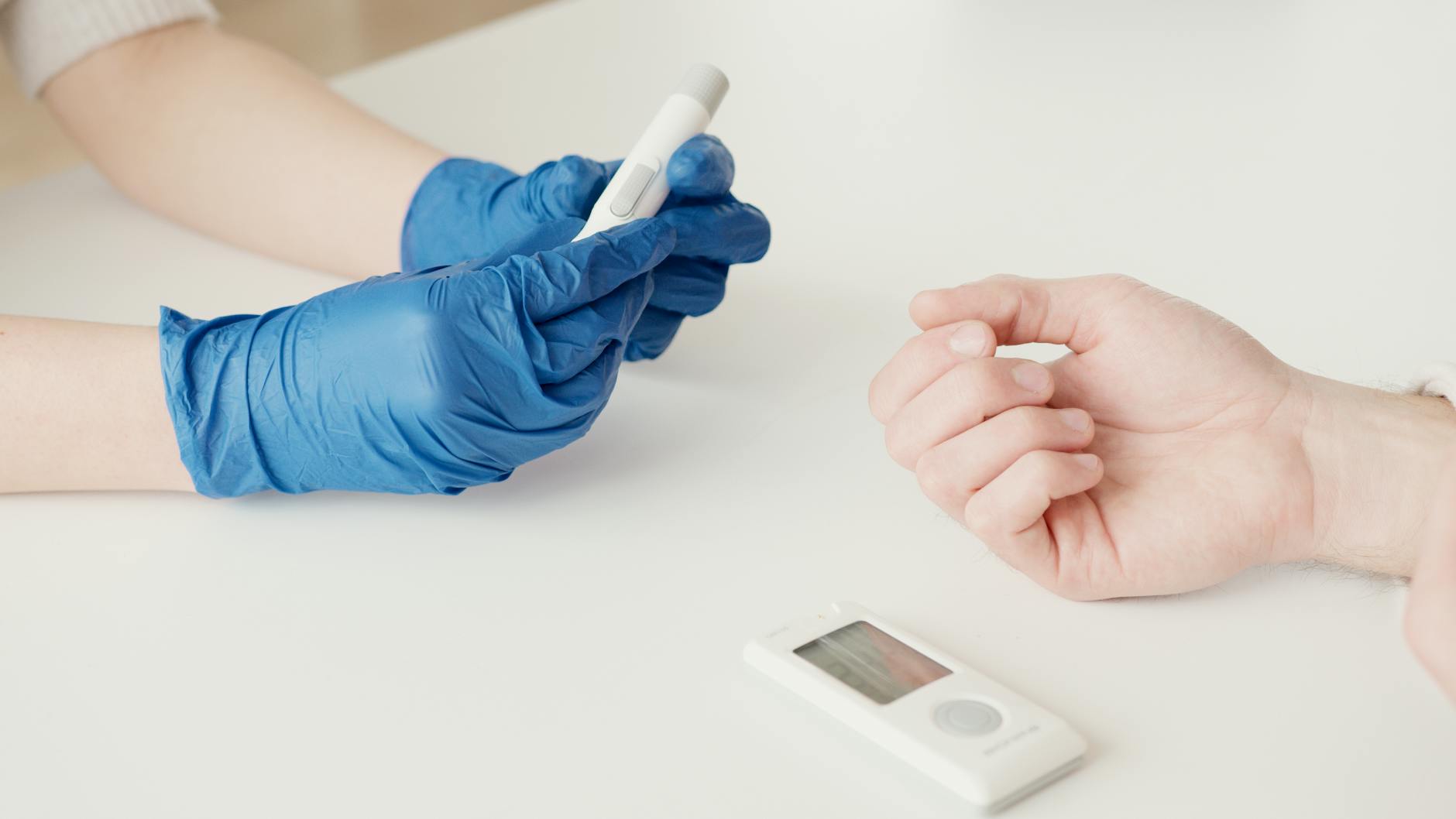
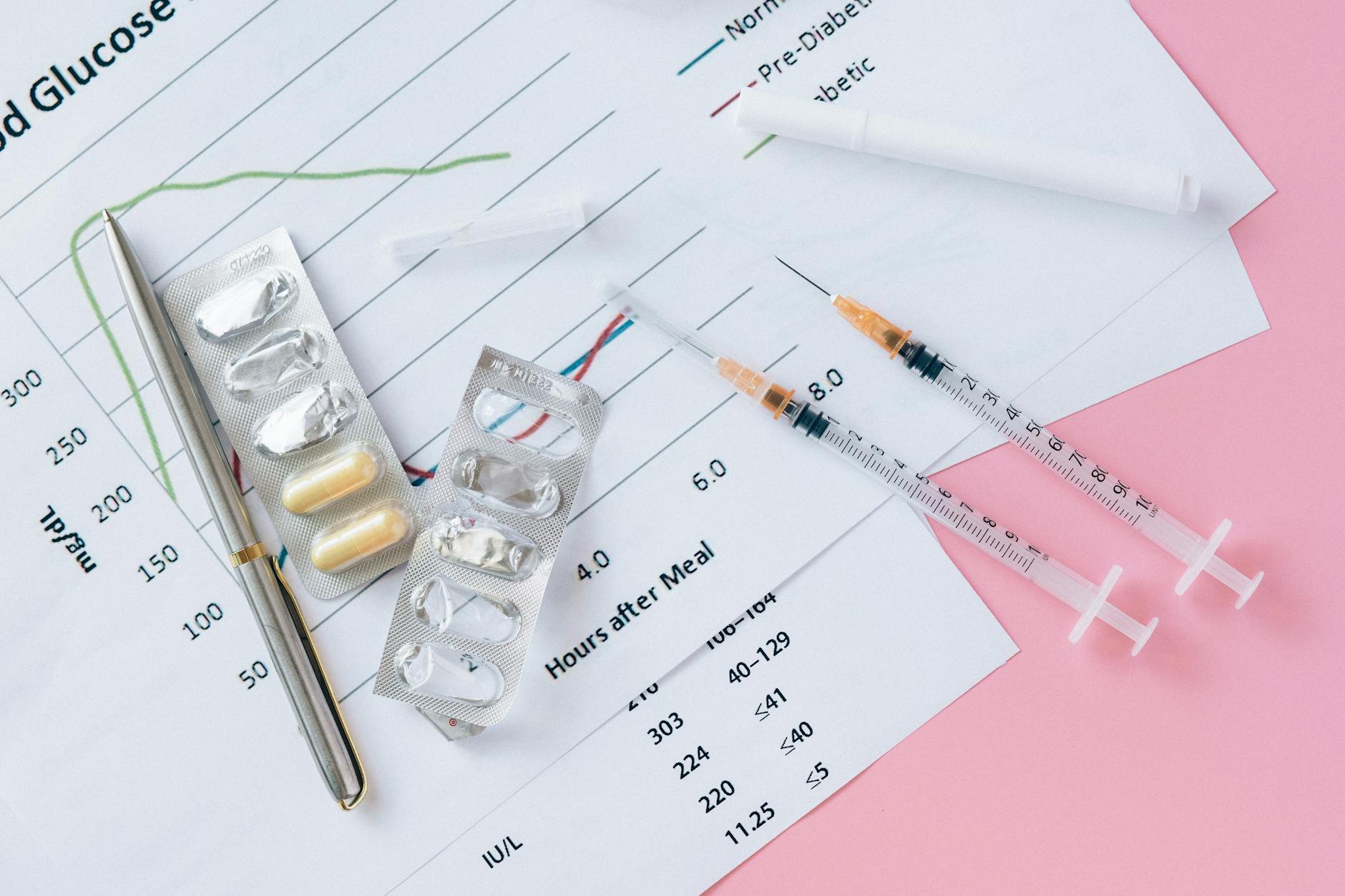
From unexplained vaginal infections to menstrual cycle disruptions, high blood sugar in women presents with a distinct set of symptoms that often go unrecognized. Here's what every woman needs to know about detecting hyperglycemia early.
- Why High Blood Sugar Affects Women Differently
- 12 Symptoms of High Blood Sugar in Women
- Symptoms Unique to Women: Vaginal, Urinary, and Hormonal Signs
- Classic Hyperglycemia Symptoms That Affect Everyone
- Causes and Risk Factors Specific to Women
- Diagnosis: Tests, Reference Ranges, and What the Numbers Mean
- Emergency Warning Signs: When to Seek Immediate Medical Attention
- Complications of Untreated High Blood Sugar in Women
- Treatment and Management Approaches
- Common Myths About Blood Sugar Symptoms in Women
- Frequently Asked Questions
Hyperglycemia — commonly called high blood sugar — is defined as a blood glucose level above 130 mg/dL (7.2 mmol/L) after an overnight fast, or above 180 mg/dL (10.0 mmol/L) one to two hours after a meal, according to the American Diabetes Association (ADA) 2026 Standards of Care. In women, hormonal fluctuations tied to the menstrual cycle, pregnancy, and menopause can further complicate detection and management.
More than 1 in 3 women in the United States have prediabetes or undiagnosed diabetes, yet many are unaware because early symptoms of high blood sugar in women are often subtle, intermittent, or mistakenly attributed to other conditions. A 2024 study published in Diabetes Care found that women are 23% more likely than men to experience a delay in diabetes diagnosis, partly because their symptom profile differs from the classic textbook picture.
Recognizing the 12 key warning signs of high blood sugar in women can mean the difference between early intervention and years of silent metabolic damage. This guide breaks down each symptom, the science behind it, and what to do if you notice it.
12 Symptoms of High Blood Sugar in Women
High blood sugar symptoms in women fall into two broad categories: symptoms unique to female physiology and classic hyperglycemia signs that affect everyone. Below is a summary reference table, followed by deep dives into each group.
| Symptom | Category | Why It Matters |
|---|---|---|
| Recurrent vaginal yeast infections | Women-specific | Glucose in vaginal secretions feeds Candida overgrowth |
| Urinary tract infections (UTIs) | Women-specific | High glucose impairs immune defense and promotes bacterial growth |
| Irregular menstrual cycles | Women-specific | Insulin resistance disrupts ovulation and hormone signaling |
| Polycystic ovary syndrome (PCOS) worsening | Women-specific | Hyperglycemia and hyperinsulinemia exacerbate PCOS |
| Increased thirst (polydipsia) | Classic | Body signals fluid loss from glucose-induced diuresis |
| Frequent urination (polyuria) | Classic | Kidneys excrete excess glucose along with water |
| Unexplained fatigue | Classic | Cells cannot access glucose for energy despite high blood levels |
| Blurred vision | Classic | Osmotic changes in the lens from fluctuating glucose |
| Slow-healing cuts or wounds | Classic | High glucose impairs circulation and immune cell function |
| Numbness or tingling in hands/feet | Classic | Early sign of peripheral neuropathy from glucose toxicity |
| Unintended weight loss | Classic | Body breaks down fat and muscle when cells cannot use glucose |
| Recurrent skin infections or dark patches (acanthosis nigricans) | Mixed | Sign of insulin resistance; common in women with PCOS |
Symptoms Unique to Women: Vaginal, Urinary, and Hormonal Signs
1. Recurrent Vaginal Yeast Infections
One of the earliest and most overlooked signs of high blood sugar in women is persistent or recurring vulvovaginal candidiasis (yeast infections). When blood glucose levels rise above 180 mg/dL, glucose spills into the urine and vaginal secretions, creating a sugar-rich environment where Candida albicans thrives. A 2023 meta-analysis in Obstetrics & Gynecology found that women with type 2 diabetes were 3.7 times more likely to report recurrent yeast infections compared to women with normal glucose metabolism.
If you experience four or more yeast infections in a single year — especially if they are not linked to antibiotic use or new sexual partners — request a fasting blood glucose and HbA1c test. Yeast infections that are difficult to treat with standard antifungal creams also warrant metabolic screening.
2. Frequent Urinary Tract Infections (UTIs)
High blood sugar impairs the ability of white blood cells to fight bacteria, particularly Escherichia coli, the most common UTI culprit. Women with undiagnosed hyperglycemia are 2 to 3 times more likely to develop UTIs, and these infections tend to be more severe and more likely to ascend to the kidneys (pyelonephritis). A 2025 study in The Journal of Urology reported that 34% of women presenting with recurrent UTIs had undiagnosed prediabetes or diabetes.
3. Menstrual Cycle Irregularities and PCOS Worsening
Blood sugar and reproductive hormones are tightly linked. Hyperglycemia and the compensatory hyperinsulinemia (high insulin levels) that often accompanies it can disrupt ovulation, lengthen cycle intervals, and worsen the hormonal imbalance of PCOS. Women may notice cycles that are longer than 35 days, unpredictable spotting, or heavy bleeding. In a 2024 longitudinal study from the Nurses' Health Study II, women with HbA1c levels in the prediabetic range (5.7–6.4%) had a 42% higher risk of developing irregular cycles over a 10-year period compared to women with normal HbA1c.
Improved glucose control — even modest reductions in HbA1c (0.5–1.0%) — has been shown to restore ovulatory cycles in 30–50% of women with PCOS-related infertility, according to a 2025 Endocrine Society clinical practice guideline.
4. Acanthosis Nigricans
This skin condition — characterized by dark, velvety patches on the neck, armpits, groin, or under the breasts — is a visible marker of insulin resistance, the precursor to high blood sugar. In women, acanthosis nigricans is particularly common in those with PCOS and is associated with a 5-fold increased risk of developing type 2 diabetes. It is often mistaken for poor hygiene or a skin fungus, but it is in fact a metabolic warning sign.
Classic Hyperglycemia Symptoms That Affect Everyone
5. Excessive Thirst (Polydipsia) and 6. Frequent Urination (Polyuria)
These two symptoms nearly always occur together. When blood glucose exceeds the renal threshold (about 180 mg/dL), the kidneys excrete excess glucose into the urine. This pulls water along with it (osmotic diuresis), leading to large volumes of urine. The body responds by triggering thirst to replace lost fluids. If you find yourself waking up multiple times at night to urinate, or drinking more than 3 liters of fluid daily and still feeling thirsty, this is a classic symptom cluster that demands blood glucose testing.
7. Unexplained Fatigue
High blood sugar creates a paradox: plenty of glucose in the blood, but none of it can enter cells to produce energy. Cells become "starved" despite the abundance. This metabolic mismatch causes profound, persistent fatigue that is not relieved by rest or caffeine. A 2022 study in Diabetes Research and Clinical Practice found that fatigue was the most frequently reported symptom among women with newly diagnosed type 2 diabetes, affecting 71% of participants.
8. Blurred Vision
Chronically elevated blood sugar causes the lens of the eye to swell from osmotic changes, altering its shape and refractive power. This can cause fluctuating blurry vision that may improve when glucose normalizes. Note: this is different from diabetic retinopathy, which involves damage to blood vessels in the retina and is a later-stage complication. If your vision changes suddenly, see an eye care professional immediately.
9. Slow-Healing Wounds
High blood sugar impairs blood flow and damages small blood vessels (microangiopathy), reducing oxygen and nutrient delivery to tissues. It also inhibits the function of neutrophils and macrophages — immune cells essential for healing. Women may notice that cuts, scrapes, or surgical incisions take longer than usual to heal. Even minor foot injuries can become infected and progress to ulcers if glucose is not controlled.
10. Numbness, Tingling, or Burning Sensations (Peripheral Neuropathy)
Approximately 20–30% of women with undiagnosed diabetes already have some degree of peripheral neuropathy at the time of diagnosis, according to ADA data. Symptoms often start as tingling or "pins and needles" in the toes and soles of the feet, then progress upward. In women, neuropathy can also affect the hands earlier than in men, possibly due to differences in nerve fiber distribution.
11. Unintended Weight Loss
When cells cannot access glucose, the body turns to alternative fuel sources: first stored fat, then muscle protein. This catabolic state leads to weight loss despite normal or even increased appetite. Unintended weight loss of 5% or more of body weight over 6–12 months is a classic symptom of uncontrolled diabetes, particularly type 1 diabetes but also advanced type 2 diabetes.
12. Recurrent Skin Infections and Dry, Itchy Skin
High glucose impairs skin barrier function and promotes bacterial and fungal overgrowth. Women with hyperglycemia are more prone to boils, folliculitis, styes, and fungal infections like ringworm. Generalized pruritus (itching) without a rash is also common, especially in the lower legs, due to poor circulation and dry skin from dehydration.
Causes and Risk Factors Specific to Women
While the basic pathophysiology of high blood sugar applies to all sexes, women face several unique triggers and risk factors that can raise blood glucose levels.
Polycystic Ovary Syndrome (PCOS) — the leading metabolic risk factor in women of reproductive age
PCOS affects 8–13% of women worldwide and is characterized by insulin resistance in approximately 75% of cases, even in lean women. The resulting hyperinsulinemia drives the ovaries to produce excess androgens, which in turn worsens insulin resistance — a vicious cycle. Women with PCOS are 3–7 times more likely to develop prediabetes and type 2 diabetes than women without PCOS, and they tend to develop these conditions 10–15 years earlier.
Gestational Diabetes (GDM) — a window into future metabolic risk
Approximately 7–9% of pregnancies in the U.S. are complicated by gestational diabetes, though the true number may be higher. GDM typically resolves after delivery, but it is a powerful predictor of future type 2 diabetes: women with a history of GDM have a 50% risk of developing type 2 diabetes within 10 years, and a 70% lifetime risk. Symptoms of high blood sugar during pregnancy — excessive thirst, frequent urination, fatigue — are often dismissed as normal pregnancy complaints, delaying diagnosis.
Menopause and Hormonal Shifts — estrogen decline and insulin sensitivity
The transition to menopause is marked by declining estrogen levels, which reduces insulin sensitivity and alters fat distribution — shifting from subcutaneous to visceral (belly) fat. Visceral fat is metabolically active and releases inflammatory cytokines that further impair glucose uptake. HbA1c levels tend to rise by 0.2–0.4% over the menopausal transition independent of age or weight gain. Women may notice new or worsening high blood sugar symptoms during perimenopause, including increased thirst, fatigue, and vaginal dryness that does not respond to lubricants alone.
Medications That Raise Blood Sugar — key culprits women should know
Several medications commonly prescribed to women can induce or worsen hyperglycemia. These include: corticosteroids (prednisone, dexamethasone) for autoimmune conditions or asthma; thiazide diuretics for hypertension; statins (modest risk, dose-dependent); certain hormonal contraceptives (especially older high-dose estrogen pills); and some antipsychotics and antidepressants (olanzapine, clozapine, paroxetine). If you are taking any of these and develop symptoms of high blood sugar, medication adjustment may be needed — but only under medical supervision.
Diagnosis: Tests, Reference Ranges, and What the Numbers Mean
If you recognize any of the symptoms above, it is essential to get tested. The ADA and the World Health Organization (WHO) recognize four diagnostic tests for hyperglycemia and diabetes. These same thresholds apply to women, though some experts advocate for slightly lower HbA1c cutoffs in women with PCOS due to their high risk.
| Test | Normal | Prediabetes | Diabetes |
|---|---|---|---|
| Fasting Plasma Glucose (FPG) | <100 mg/dL | 100–125 mg/dL | ≥126 mg/dL |
| 2-hour OGTT (75 g glucose) | <140 mg/dL | 140–199 mg/dL | ≥200 mg/dL |
| HbA1c | <5.7% | 5.7–6.4% | ≥6.5% |
| Random Plasma Glucose | <140 mg/dL | — | ≥200 mg/dL with symptoms |
Hemoglobin variants — more common in women of African, Mediterranean, or Southeast Asian ancestry — can interfere with HbA1c accuracy. If you have a known hemoglobin variant (e.g., sickle cell trait, thalassemia), your provider should use a fructosamine test or continuous glucose monitoring (CGM) for diagnosis and monitoring.
A single abnormal test result should be confirmed with a repeat test on a separate day unless the initial result is unequivocally elevated (e.g., FPG ≥ 200 mg/dL) and accompanied by classic symptoms. For women with PCOS or a history of GDM, many endocrinologists recommend the 2-hour OGTT rather than fasting glucose alone, because it captures postprandial (after-meal) spikes that may be missed by fasting measurements.
Emergency Warning Signs: When to Seek Immediate Medical Attention
High blood sugar can escalate into two life-threatening emergencies: diabetic ketoacidosis (DKA) and hyperosmolar hyperglycemic state (HHS). While DKA is more common in type 1 diabetes, it can occur in women with type 2 diabetes, especially during severe illness or stress. HHS is more typical of type 2 diabetes and carries a mortality rate of 10–20% if not treated promptly.
If you or someone you know experiences any of these symptoms, call 911 or go to the nearest emergency department immediately. These are not conditions that can be managed at home. Treatment involves intravenous fluids, insulin, and electrolyte monitoring in a hospital setting.
Complications of Untreated High Blood Sugar in Women
Chronic hyperglycemia, even at prediabetes levels, damages blood vessels and nerves throughout the body. Women face some complication risks that are more severe or more common than in men.
Cardiovascular Disease
Diabetes eliminates the sex-based cardiovascular protection that premenopausal women typically have. Women with diabetes have a 3- to 4-fold higher risk of coronary artery disease compared to women without diabetes (vs. a 2-fold increase in men). Heart attacks in women with diabetes are more likely to be "silent" (without chest pain) and more likely to be fatal.
Kidney Disease (Diabetic Nephropathy)
Women with diabetes progress to end-stage renal disease at rates comparable to men, but they are less likely to receive kidney transplants or be referred for nephrology care, according to 2024 data from the U.S. Renal Data System. Microalbuminuria — the earliest sign of kidney damage — can be detected by a simple urine test and should be checked annually in all women with hyperglycemia.
Neuropathy and Sexual Health
Up to 60% of women with diabetes develop some form of neuropathy. Autonomic neuropathy can cause vaginal dryness, decreased lubrication, and reduced sexual arousal, which are often underdiagnosed and undertreated. Sensorimotor neuropathy increases the risk of foot ulcers, which can lead to amputation if not managed aggressively.
Increased Infection Risk
Beyond UTIs and yeast infections, women with uncontrolled hyperglycemia have higher rates of skin infections, postoperative wound infections, and periodontal disease. Pregnancy outcomes are also worse: women with uncontrolled glucose have higher rates of miscarriage, preeclampsia, preterm birth, and macrosomia (large birth weight).
Treatment and Management Approaches
Management of high blood sugar in women follows the same evidence-based principles as in men, but with special considerations for reproductive-age women, those with PCOS, and those navigating pregnancy or menopause.
Lifestyle Interventions
The Diabetes Prevention Program (DPP) showed that a 7% weight loss combined with 150 minutes of moderate physical activity per week reduced the risk of progressing from prediabetes to type 2 diabetes by 58% — and by 71% in women over age 60. For women with PCOS, a low-glycemic-load diet combined with 30–45 minutes of aerobic and resistance training 5 days per week has been shown to improve insulin sensitivity by 30–45% within 12 weeks.
- Low-glycemic-index Mediterranean diet
- Inositol supplementation (myo-inositol 2 g + D-chiro-inositol 400 mg daily)
- Strength training 3×/week + moderate cardio 5×/week
- Weight loss of 5–10% if overweight
- Consider metformin if lifestyle alone is insufficient
- Higher protein intake (25–30 g per meal) to preserve muscle mass
- Resistance training to counteract sarcopenia
- Sleep optimization — menopause-related sleep disruption worsens insulin resistance
- Blood glucose monitoring before and after meals to identify postprandial spikes
- Consider metformin or GLP-1 receptor agonists if HbA1c ≥ 5.7%
Medication Options
When lifestyle changes are not enough to normalize blood glucose, pharmacotherapy is indicated. First-line medication for type 2 diabetes in most women is metformin, which improves insulin sensitivity and does not cause weight gain. For women with PCOS, metformin is often used off-label to improve ovulation and reduce androgen levels. Newer classes — including GLP-1 receptor agonists (semaglutide, tirzepatide) and SGLT2 inhibitors (dapagliflozin, empagliflozin) — offer additional benefits for weight loss, cardiovascular protection, and kidney protection. However, SGLT2 inhibitors carry a small increased risk of genital yeast infections, which women using them should be aware of.
Metformin is generally considered safe in pregnancy (FDA category B), but SGLT2 inhibitors and GLP-1 receptor agonists are not recommended during pregnancy or breastfeeding. If you are planning pregnancy or become pregnant while on diabetes medication, consult your endocrinologist immediately to adjust your regimen.
Monitoring at Home
Self-monitoring of blood glucose (SMBG) is recommended for women taking insulin or medications that can cause hypoglycemia. For women with prediabetes or early type 2 diabetes managed with lifestyle alone, intermittent monitoring (e.g., 1-2 days per week with pre- and post-meal checks) can provide valuable feedback. Continuous glucose monitoring (CGM) is increasingly used in women with PCOS to identify glucose patterns and guide dietary choices, even when HbA1c is only mildly elevated.
Common Myths About Blood Sugar Symptoms in Women
While obesity is a major risk factor, women with normal body weight — especially those with PCOS, a family history of diabetes, or a history of gestational diabetes — can develop significant insulin resistance and hyperglycemia. "Lean diabetes" accounts for 10–20% of type 2 diabetes cases and is more common in women of Asian, African, and Hispanic ancestry.
Thirst is a relatively late symptom of hyperglycemia. Many women with prediabetes or early type 2 diabetes have blood glucose levels in the 140–180 mg/dL range without experiencing noticeable thirst. By the time thirst develops, blood glucose has typically been elevated for weeks or months. Relying on thirst as a barometer is unreliable.
While hygiene plays a role, recurrent yeast infections are often a sign of an internal metabolic problem — specifically elevated glucose in vaginal secretions. Women who have frequent yeast infections despite good hygiene should ask for a diabetes screening, not just another antifungal prescription.
This is correct. Fatigue, vaginal dryness, hot flushes, mood changes, and sleep disturbances can be caused by either menopause or hyperglycemia — or both. This overlap often leads to missed or delayed diabetes diagnosis in women age 45–60. If menopause symptoms are not responding to standard treatments, check your HbA1c.
Frequently Asked Questions
Can high blood sugar cause vaginal dryness?
Yes. Chronic hyperglycemia damages small blood vessels and autonomic nerves that control vaginal lubrication. Additionally, high glucose promotes chronic low-grade inflammation and impairs moisture retention in mucosal tissues. Vaginal dryness from diabetes is often resistant to standard lubricants and requires improved glucose control as part of the management strategy.
How soon after eating do high blood sugar symptoms appear in women?
Symptoms can appear within 30–90 minutes after a carbohydrate-heavy meal, especially if the meal is high in refined sugars or starches. Early symptoms include energy crash, brain fog, thirst, and a need to urinate. In women with insulin resistance, these postprandial symptoms may be the first noticeable sign of abnormal glucose metabolism. Continuous glucose monitoring often reveals that women experience higher post-meal spikes than men eating the same meal, even when fasting glucose is similar.
Does anxiety cause high blood sugar in women?
Acute stress and anxiety trigger the release of cortisol and epinephrine, both of which raise blood glucose by stimulating gluconeogenesis (glucose production) in the liver and reducing insulin sensitivity. Chronic anxiety can therefore contribute to sustained hyperglycemia. Conversely, the physical sensations of high blood sugar (racing heart, thirst, fatigue, shakiness) can mimic anxiety symptoms, creating a confusing feedback loop. Women with anxiety disorders have a 30–40% higher risk of developing type 2 diabetes, according to a 2025 meta-analysis in Psychoneuroendocrinology.
What is a normal blood sugar level for a woman without diabetes?
A normal fasting blood glucose is below 100 mg/dL (5.6 mmol/L). A normal HbA1c is below 5.7%. One to two hours after a meal, blood glucose should stay below 140 mg/dL (7.8 mmol/L) in women without diabetes. These thresholds apply regardless of age, though some experts recommend tighter targets (HbA1c < 5.5%) for women with PCOS due to their elevated cardiometabolic risk.
Can high blood sugar affect fertility?
Yes — and the effect is substantial. Hyperglycemia and the accompanying hyperinsulinemia disrupt the hypothalamic-pituitary-ovarian axis, impairing ovulation and egg quality. In a 2024 study of 1,200 women undergoing IVF, those with HbA1c > 5.7% had a 28% lower live birth rate compared to women with normal HbA1c, even after adjusting for age and BMI. Improved glucose control — through lifestyle, metformin, or both — can restore ovulation in many women with PCOS-related infertility.