From erectile dysfunction to unexplained fatigue — learn how hyperglycemia manifests differently in men, when to test, and how to prevent progression to type 2 diabetes and cardiovascular complications.
- What Is High Blood Sugar (Hyperglycemia)?
- Causes & Risk Factors Specific to Men
- 12 High Blood Sugar Symptoms in Men
- When It's an Emergency: Red-Flag Symptoms
- How Is High Blood Sugar Diagnosed? (Reference Ranges)
- What Happens If Left Untreated?
- When to See a Doctor
- Common Myths About High Blood Sugar in Men
- Frequently Asked Questions
What Is High Blood Sugar (Hyperglycemia)?
High blood sugar, or hyperglycemia, occurs when glucose accumulates in the bloodstream because the body either doesn't produce enough insulin (type 1 diabetes) or can't use insulin effectively (type 2 diabetes, prediabetes). The American Diabetes Association (ADA) defines hyperglycemia as fasting plasma glucose ≥ 126 mg/dL or a 2-hour post‑prandial glucose ≥ 200 mg/dL. For men, persistent hyperglycemia damages blood vessels, nerves, and organs — often silently for years before symptoms become obvious.
According to the ADA Standards of Care 2026, hyperglycemia is formally defined as a blood glucose level above 180 mg/dL at any time. Levels between 140 and 199 mg/dL after a glucose load indicate impaired glucose tolerance (prediabetes). Men with prediabetes have a 70% lifetime risk of progressing to type 2 diabetes without intervention.
Causes & Risk Factors Specific to Men
While many causes of high blood sugar are universal, men face several unique physiological and lifestyle triggers. Understanding these can help with early detection and tailored prevention.
Genetics & Family History — Men with a first‑degree relative with diabetes have a 2–3× higher risk
A 2024 meta-analysis in Diabetologia found that men with a father or brother with type 2 diabetes have a 2.7-fold increased risk. Genetic variants in TCF7L2 and KCNJ11 are more strongly associated with insulin resistance in males.
Visceral Fat & Hormonal Profile — Men store fat preferentially in the abdomen
Visceral adipose tissue releases inflammatory cytokines (TNF-α, IL-6) that impair insulin signaling. Men with a waist circumference >40 inches (102 cm) have a 3.5× higher odds of developing hyperglycemia. Additionally, low testosterone (hypogonadism) is both a cause and consequence of poor glucose control — a bidirectional relationship.
Alcohol & Lifestyle Factors — Men consume more alcohol on average, which can spike then crash glucose
Heavy drinking (≥5 drinks per week) is linked to impaired pancreatic β‑cell function. Furthermore, men are more likely to skip meals and consume high‑glycemic processed foods, leading to post‑prandial hyperglycemia. Smoking doubles the risk of insulin resistance (CDC, 2025 data).
Medication Effects — Certain drugs prescribed more often in men can raise glucose
Corticosteroids (for arthritis, asthma), thiazide diuretics (for hypertension), and atypical antipsychotics are known to induce hyperglycemia. Men receiving androgen deprivation therapy for prostate cancer also show higher HbA1c levels.
12 High Blood Sugar Symptoms in Men
Hyperglycemia doesn't always cause obvious symptoms early on. When it does, men may attribute signs to aging, stress, or overwork. Here are the most common and often overlooked symptoms — with special attention to male-specific presentations.
1. Excessive thirst and frequent urination (polydipsia, polyuria)
When glucose levels exceed the renal threshold (~180 mg/dL), the kidneys excrete glucose along with water, causing osmotic diuresis. Men may notice waking up multiple times at night to urinate (nocturia). Drinking more doesn't quench the thirst because the body is trying to dilute high blood sugar.
2. Unexplained fatigue and muscle weakness
Insulin resistance prevents glucose from entering muscle cells efficiently. Men may feel unusually tired after meals, have reduced physical performance, or require more sleep. A 2025 study in Diabetes Care found that men with HbA1c >7% reported 38% more fatigue than normoglycemic controls.
3. Blurred vision
Hyperglycemia causes the lens of the eye to swell due to osmotic changes, altering its shape and refractive power. This can cause fluctuating vision — better at certain times of day, worse after eating. It's reversible with glucose control, but chronic hyperglycemia can lead to permanent diabetic retinopathy.
4. Slow-healing cuts, scrapes, or infections
High glucose impairs white blood cell function (neutrophil chemotaxis) and reduces tissue perfusion. Men may notice that even small nicks taken days to heal, or that they develop frequent skin infections (boils, folliculitis). This is a strong clue for undiagnosed diabetes.
5. Erectile dysfunction (ED) — a key male-specific marker
ED can be one of the earliest signs of hyperglycemia. Chronic high blood sugar damages endothelial cells and autonomic nerves involved in penile erection. The Massachusetts Male Aging Study reported that men with diabetes have a 3× higher prevalence of ED. Importantly, ED often appears before diabetes is diagnosed — a 2024 systematic review found that 34% of men presenting with ED had undiagnosed prediabetes or diabetes.
6. Increased hunger (polyphagia) despite eating
When cells can't access glucose, the body signals starvation. Men may crave carbohydrates or feel hungry shortly after a meal. This is a hallmark of insulin resistance.
7. Unexplained weight loss (more common in type 1)
When insulin is severely deficient, the body breaks down fat and muscle for fuel. Men with undiagnosed type 1 diabetes (or late‑stage type 2) may lose 5–10% of body weight over weeks, despite normal or increased calorie intake.
8. Numbness, tingling, or burning in hands or feet (diabetic neuropathy)
Peripheral neuropathy is a common complication of chronic hyperglycemia. Men may report "pins and needles" in their toes or fingers, or a loss of sensation that makes them more prone to foot injuries. Once nerve damage is established, it is partially reversible with tight glucose control.
9. Recurrent yeast infections (candidiasis) — especially in uncircumcised men
High glucose in urine and sweat feeds Candida yeast. Men may develop balanitis (inflammation of the glans) or frequent genital itching. This is a classic but often dismissed symptom.
10. Dry mouth and skin
Dehydration from osmotic diuresis reduces saliva production and skin moisture. Men might notice cracked lips, a sticky mouth, or itchy dry patches — especially on the lower legs.
11. Darkened skin patches (acanthosis nigricans)
This velvety, dark thickening of the skin in the neck, armpits, or groin is a marker of severe insulin resistance. It's common in men with metabolic syndrome and should prompt immediate screening for diabetes.
12. Mood changes and irritability
Blood glucose fluctuations affect neurotransmitters like serotonin and dopamine. Men may experience sudden mood swings, anxiety, or depression — often misattributed to stress. A 2025 cross-sectional study found that men with untreated hyperglycemia had a 2× higher rate of depressive symptoms.
Not all men will have symptoms. The ADA estimates that 1 in 4 adults with diabetes in the U.S. are undiagnosed. Many men only discover hyperglycemia during routine blood work for an unrelated condition (e.g., life insurance exam, pre‑surgical panel). If you have any of the above signs, even intermittently, request a simple fasting glucose and HbA1c test.
When It's an Emergency: Red-Flag Symptoms
Severely elevated blood sugar can lead to two life‑threatening emergencies: diabetic ketoacidosis (DKA) (more common in type 1) and hyperosmolar hyperglycemic state (HHS) (more common in type 2 in older men). Both require immediate medical attention.
If you or someone you know experiences any of the above, call emergency services immediately. DKA and HHS can cause coma or death within hours if untreated. Men with type 2 diabetes who develop DKA often have severe underlying illness (e.g., sepsis, myocardial infarction).
How Is High Blood Sugar Diagnosed? (Reference Ranges)
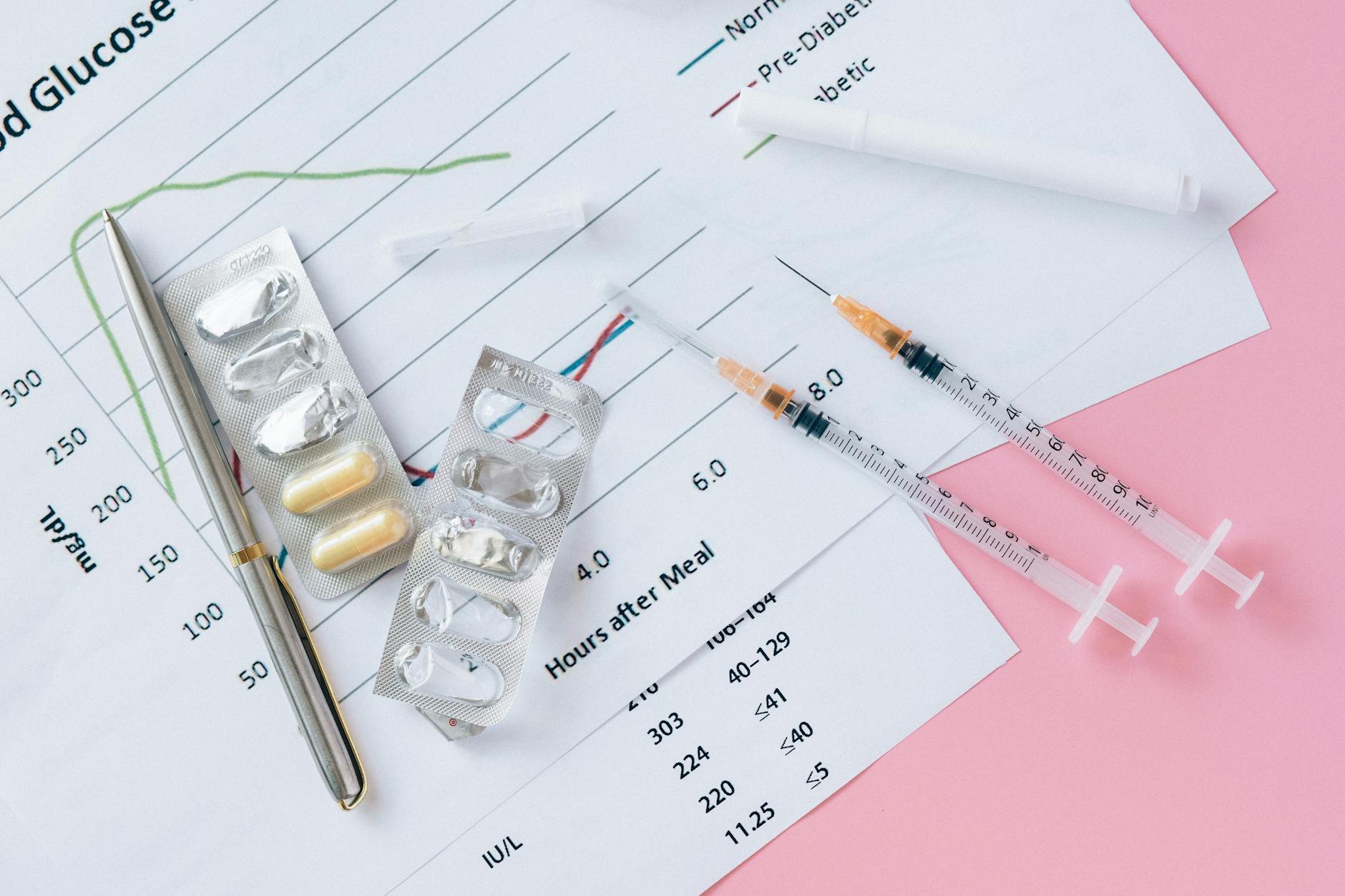
Diagnosis is based on standard blood tests. The table below summarizes the ADA's 2026 criteria.
| Test | Normal | Prediabetes | Diabetes |
|---|---|---|---|
| Fasting plasma glucose (FPG) | <100 mg/dL | 100–125 mg/dL | ≥126 mg/dL (confirmed twice) |
| 2‑hour oral glucose tolerance test (OGTT) | <140 mg/dL | 140–199 mg/dL | ≥200 mg/dL |
| Hemoglobin A1c | <5.7% | 5.7–6.4% | ≥6.5% |
| Random plasma glucose (with symptoms) | — | — | ≥200 mg/dL + symptoms |
For men with any of the above symptoms, a single random glucose ≥200 mg/dL plus classic symptoms (polyuria, polydipsia, unexplained weight loss) is sufficient to diagnose diabetes. The ADA recommends that all men aged 35 and older be screened every 3 years — earlier if they have risk factors (obesity, family history, ED, hypertension).
What Happens If Left Untreated?
Chronic hyperglycemia triggers a cascade of microvascular and macrovascular damage. For men, certain complications have a higher prevalence and earlier onset.
- Cardiovascular disease: Men with diabetes have a 2–4× greater risk of heart attack and stroke. Hyperglycemia accelerates atherosclerosis, often by 10–15 years.
- Nerve damage (neuropathy): Affects 50% of men with diabetes over 20 years, leading to loss of protective sensation in feet and increased risk of Charcot foot, ulcers, and amputations.
- Kidney disease (nephropathy): Diabetes is the leading cause of end‑stage renal disease in the U.S. Early hyperglycemia increases microalbuminuria risk by 2.5×.
- Erectile dysfunction and hypogonadism: Untreated hyperglycemia worsens ED and lowers testosterone, creating a vicious cycle.
- Vision loss: Diabetic retinopathy is the leading cause of blindness among working‑age adults. Men often present late because they ignore early visual changes.
"Achieving an HbA1c under 7% reduces microvascular complications by up to 40% in men with type 2 diabetes, according to the UKPDS long‑term follow‑up."
— Diabetes UK & ADA consensus statement, 2025
When to See a Doctor
If you are a man experiencing any combination of the symptoms above — even if they come and go — schedule an appointment with your primary care provider or an endocrinologist. The earlier hyperglycemia is detected, the easier it is to reverse prediabetes or manage diabetes with minimal medication.
Specific scenarios that warrant prompt evaluation:
- Erectile dysfunction in a man under 50 with no obvious cause (psychological, medications).
- Unexplained weight loss despite eating normally.
- Recurrent skin or genital infections (boils, balanitis).
- Blood glucose readings consistently above 180 mg/dL at home.
- Acanthosis nigricans on physical exam.
If you suspect high blood sugar but haven't been diagnosed, do the following while waiting for your appointment:
1. Reduce sugary beverages and refined carbohydrates.
2. Walk briskly for 20 minutes after meals.
3. Keep a symptom diary (timing, severity, food correl- ation).
4. Use a home glucose monitor (available OTC) to check fasting and 2‑hour post‑meal readings.
Common Myths About High Blood Sugar in Men
While obesity is a strong risk factor, lean men (BMI <25) can develop hyperglycemia — especially if they have a family history, low muscle mass (sarcopenia), or high visceral fat. Up to 20% of men with type 2 diabetes are normal weight (ADA 2025 data).
Yes. ED often precedes the formal diagnosis of diabetes by 2–3 years. A 2024 study in the Journal of Sexual Medicine found that 34% of men with new‑onset ED had undiagnosed prediabetes or type 2 diabetes. Glucose testing should be part of the standard ED workup.
Hyperglycemia can be completely asymptomatic for years. Many men have glucose levels in the diabetic range without any noticeable symptoms until complications develop. Routine screening is essential.
Water helps dilute blood glucose and can lower it transiently by increasing urine output, but it does not correct the underlying insulin deficiency or resistance. Severe hyperglycemia cannot be "watered away." Medical treatment is needed.
Frequently Asked Questions
What is the most common early symptom of high blood sugar in men?
Frequent urination (nocturia) and persistent thirst are the most common early complaints. However, many men first notice erectile dysfunction or fatigue before the classic triad of polyuria, polydipsia, and polyphagia appears.
Can high blood sugar cause erectile dysfunction permanently?
With early and sustained glucose control, ED can improve or even resolve. However, once nerve damage and vascular disease become advanced, the changes can be irreversible. Tight glycemic control (HbA1c <7%) initiated within 5 years of diagnosis offers the best chance for reversal.
How can I check my blood sugar at home?
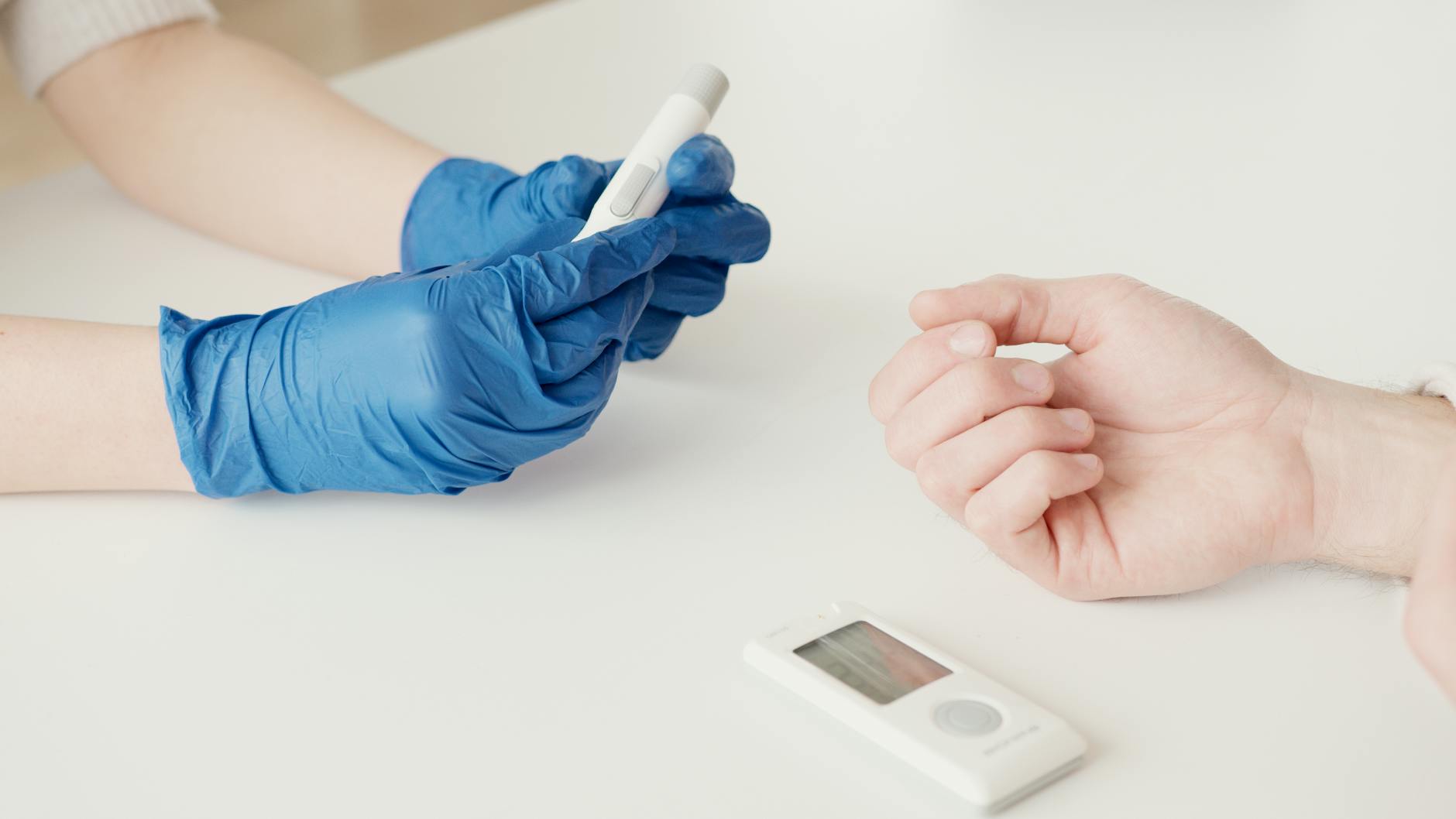
Over‑the‑counter glucose meters are widely available. The best times to test are:
Fasting (first thing in the morning, before eating) and 2 hours after the start of a meal (post‑prandial). Normal fasting should be <100 mg/dL; post‑prandial <140 mg/dL. Readings consistently above these suggest prediabetes or diabetes and should be discussed with a doctor.
Is high blood sugar reversible in men?
Prediabetes is often fully reversible through weight loss (7–10% of body weight), regular exercise, and dietary changes — specifically reducing added sugar and refined carbs. In early type 2 diabetes, some men can achieve drug‑free remission with intensive lifestyle measures (Look AHEAD trial data). The key is early detection before significant β‑cell loss occurs.
At what blood sugar level should I go to the ER?
Immediate emergency care is needed if:
• Blood glucose > 300 mg/dL with any symptoms (confusion, rapid breathing, vomiting).
• Blood glucose > 600 mg/dL regardless of symptoms (risk of HHS).
• Any blood glucose level with altered mental status, fever, or persistent vomiting.