Prediabetes is not a waiting room for type 2 diabetes. For most people it is a reversible metabolic state — and the interventions that reverse it are free, well-studied, and surprisingly concrete. Here is exactly what to do, in what order, and how to know it is working.
Yes — prediabetes can usually be reversed naturally. In the landmark U.S. Diabetes Prevention Program, losing 5–7% of body weight and doing 150 minutes of moderate activity weekly reduced progression to type 2 diabetes by 58% — better than metformin. The ADA Standards of Care—2026 still lists intensive lifestyle change as first-line treatment, with a recheck of A1C at 3–6 months.
- The 10-point prediabetes reversal checklist
- Why prediabetes is reversible at all
- The 90-day protocol, week by week
- Eating to lower A1C: the plate, the order, the fiber target
- Exercise that actually moves the needle
- Weight loss, waist size, and the 7% rule
- Sleep, stress, and the cortisol connection
- Which numbers to track — and how often
- Common mistakes that stall reversal
- What "doing it right" actually looks like
- When natural reversal isn't enough
- Frequently asked questions
The 10-Point Prediabetes Reversal Checklist
This is the core of the article. Ten items, roughly in order of impact. You do not need all ten to start — you need the first three, today, and then build outward.
Cut liquid sugar completely. Walk 15 minutes after dinner every night. Lose 5% of your body weight. Those three changes alone reproduce most of the benefit seen in the Diabetes Prevention Program.
Why Prediabetes Is Reversible at All
Prediabetes is not a mild version of diabetes — it is a different physiological state, and that distinction is what makes reversal possible. In prediabetes, the pancreas is still producing insulin, often in larger-than-normal amounts. The problem is that muscle, liver, and fat tissue have stopped responding to it efficiently. This is insulin resistance, and it is largely driven by fat accumulation in the liver and inside muscle cells, combined with physical inactivity.
Roughly 98 million American adults — more than one in three — have prediabetes, and about 80% of them do not know it.[1] The reason it matters is not the label; it is the trajectory. Without intervention, a meaningful share of people with prediabetes progress to type 2 diabetes within 3 to 5 years. But progression is not inevitable, and the window in which reversal is easiest is exactly the window you are in right now.
Two mechanisms explain why the reversal works. First, reducing liver fat restores the liver's ability to shut off glucose production overnight, which lowers fasting glucose. Second, restoring muscle mass and muscle activity increases the amount of glucose that gets pulled out of the blood without needing much insulin at all. Both are achievable through behavior alone.
Lifestyle intervention outperformed metformin in the Diabetes Prevention Program — 58% risk reduction versus 31% — and the benefit was largest in adults over 60, who saw a 71% reduction.
NIDDK, Diabetes Prevention Program Outcomes Study
There is a caveat worth stating plainly: reversal is not the same as cure. Beta-cell function that has already been lost does not fully return, and weight regain reliably brings glucose back up. Prediabetes should be treated as a condition in remission rather than a condition eliminated.
The 90-Day Protocol, Week by Week
Changing everything at once fails. The following sequence is designed so that each phase builds on the one before it, and so that you have measurable feedback by day 90.
Eating to Lower A1C: The Plate, the Order, and the Fiber Target
There is no single "prediabetes diet," and anyone selling one is overselling. What the evidence supports is a pattern: high in fiber, adequate in protein, moderate in unsaturated fat, low in refined carbohydrate and added sugar, and — critically — sustainable for years rather than weeks.
It is not just what you eat, but the order
Eating vegetables and protein before the starch portion of a meal reduces the post-meal glucose rise compared with eating the same foods in reverse order. This is a free intervention with no downside. Practically: start with the salad or the vegetables, then the protein, then the rice, potato, or bread.
Carbohydrate quality beats carbohydrate quantity for most people
Extremely low-carbohydrate diets do lower A1C quickly, but they are hard to maintain and unnecessary for most people with prediabetes. Swapping refined grains for intact whole grains, legumes, and starchy vegetables produces most of the benefit with far better adherence. Beans and lentils are the highest-value food in this category — they deliver both fiber and protein and have a very low glycemic impact.
Non-starchy vegetables, leafy greens, beans, lentils, oats, barley, berries, plain yogurt, eggs, fish, poultry, tofu, nuts, olive oil, avocado.
Sugar-sweetened drinks, fruit juice, white bread and white rice in large portions, pastries, candy, sweetened yogurt, processed meats, and alcohol beyond occasional use.
The fiber number that matters
Most adults eat about 15 grams of fiber daily. The target for glucose benefit is roughly double that. Increasing fiber slows gastric emptying, feeds gut bacteria that produce short-chain fatty acids, and improves insulin sensitivity. Add it gradually over two to three weeks — jumping straight from 15 to 35 grams causes bloating and is one of the most common reasons people abandon the change.
Alcohol is not a carbohydrate problem in the way soda is, but it disrupts sleep architecture and adds calories with no satiety. Two or more drinks in an evening can raise fasting glucose the next morning. If you drink, keep it occasional and never on an empty stomach.
Exercise That Actually Moves the Needle
Physical activity is the most underrated lever in prediabetes, and the dose is well established. Adults should accumulate 150–300 minutes of moderate-intensity aerobic activity per week, or 75–150 minutes of vigorous activity, plus muscle-strengthening activity on two or more days per week.[4] The ADA Standards of Care—2026 aligns with this and specifically recommends breaking up prolonged sitting every 30 minutes.[2]
Resistance training is not optional
Skeletal muscle accounts for the majority of insulin-stimulated glucose disposal. When muscle mass declines — as it does with age and inactivity — glucose has fewer places to go. Two sessions per week of resistance training improves insulin sensitivity independently of weight loss. You do not need a gym: bodyweight squats, split squats, push-ups, rows with a resistance band, and planks cover the major groups.
The post-meal walk is the highest-yield 15 minutes of your day
Walking after a meal lowers the glucose peak from that meal compared with sitting. Ten to fifteen minutes is enough. If you can only do one thing on a busy day, do this one, after your largest meal.
Intensity versus consistency
A common failure mode is going hard for two weeks and then stopping for two months. Three moderate 30-minute walks beat one 90-minute session, because insulin sensitivity improvements fade within about 48–72 hours of the last bout of exercise. Frequency is the variable that matters most.
Mon: 30-min brisk walk + 15-min post-dinner walk · Tue: 25-min resistance session · Wed: 30-min brisk walk · Thu: 25-min resistance session · Fri: 30-min brisk walk · Sat: 45-min hike or bike · Sun: rest, plus a 15-min walk after the largest meal.
There is also a cardiovascular reason to take this seriously beyond glucose. Prediabetes is associated with elevated risk of heart attack and stroke, and the American Heart Association treats it as a cardiovascular risk marker, not just a glucose problem.[5] Regular aerobic activity addresses both risks simultaneously.
Weight Loss, Waist Size, and the 7% Rule
The ADA Standards of Care—2026 recommends that adults with prediabetes aim for and maintain a 7% loss of initial body weight and increase moderate-intensity physical activity to at least 150 minutes per week to reduce type 2 diabetes risk.[2] That pairing — a specific weight target plus a specific activity target — is the closest thing to a prescription that exists for prediabetes.
Where the fat sits matters more than the scale
Visceral fat — the fat around the abdominal organs — and liver fat are the two deposits most tightly linked to insulin resistance. Waist circumference tracks this better than body weight in many people. Measure at the level of your navel, without pulling the tape tight. A waist above 40 inches (102 cm) in men or 35 inches (88 cm) in women signals elevated metabolic risk.
Why 5–7% rather than 20%
The weight-loss target in prediabetes research is deliberately modest because the metabolic benefit arrives early. Much of the improvement in liver fat, fasting glucose, and insulin sensitivity occurs in the first 5% of weight lost. Chasing a large weight loss is not only unnecessary — it tends to produce cycles of restriction and regain that leave people worse off than a slow, maintained 6% reduction.
Lose 5–7% of your starting weight over 6 months, then hold it. Losing faster than about 1–2 lb (0.5–1 kg) per week rarely improves outcomes and frequently triggers muscle loss — which is counterproductive, since muscle is where glucose goes.
Sleep, Stress, and the Cortisol Connection
Two people can eat identically and get different glucose readings, and sleep is a major reason why. A single night of restricted sleep measurably reduces insulin sensitivity in healthy adults. When that happens repeatedly — as it does for shift workers, new parents, and people with untreated sleep apnea — the effect compounds.
Sleep apnea is a hidden driver of prediabetes
Obstructive sleep apnea is strongly associated with insulin resistance and is common in people with prediabetes, particularly those carrying extra weight around the neck and abdomen. Loud snoring, witnessed breathing pauses, and waking unrefreshed despite adequate hours are reasons to ask for a sleep study. Treating apnea can improve glucose control in its own right.
Consistency beats duration
Going to bed and waking at roughly the same times each day matters alongside total hours. Irregular sleep timing disrupts circadian regulation of glucose and insulin, and the CDC links insufficient sleep to a higher risk of type 2 diabetes and other chronic conditions.[6] Seven to nine hours, consistent, is the goal.
Chronic stress raises glucose directly
Cortisol mobilizes glucose into the bloodstream. That is useful during acute stress and harmful when cortisol stays elevated for months. You cannot eliminate stress, but you can blunt its metabolic cost: 10 minutes of daily slow breathing at roughly six breaths per minute, regular physical activity, and protecting social connection all reduce the stress load. None of these require an app or a subscription.
Plain coffee does not meaningfully raise glucose for most people, and some evidence suggests it may modestly improve insulin sensitivity over time. The problem is what goes into it — flavored syrups and sweetened creamers can push a single drink past 40 grams of sugar. Drink it black or with unsweetened milk.
Which Numbers to Track — and How Often
Reversing prediabetes without measurement is guesswork. These are the diagnostic thresholds you are working against, followed by the tracking schedule that gives you useful feedback without becoming obsessive.
| Test | Normal | Prediabetes | Diabetes |
|---|---|---|---|
| A1C | Below 5.7% | 5.7–6.4% | 6.5% or higher |
| Fasting plasma glucose | Below 100 mg/dL | 100–125 mg/dL | 126 mg/dL or higher |
| 2-hour glucose (75 g OGTT) | Below 140 mg/dL | 140–199 mg/dL | 200 mg/dL or higher |
| Random glucose with symptoms | — | — | 200 mg/dL or higher |
These cut points come from the ADA Standards of Care—2026, which also recommends annual screening for all adults starting at age 35 and earlier for those with overweight or obesity plus one or more additional risk factors.[2]
| What to track | How often | Why it matters |
|---|---|---|
| A1C | Every 3–6 months during active reversal; annually once normal | Reflects 8–12 week average glucose; the primary outcome measure |
| Fasting glucose (home meter or lab) | Optional, 2–3 mornings per week | Responds faster than A1C; useful for spotting overnight patterns |
| Body weight | Weekly, same day and time | Tracks progress toward the 5–7% target; weekly beats daily for signal-to-noise |
| Waist circumference | Monthly | Tracks visceral fat better than weight alone |
| Blood pressure | Every 3–6 months | Prediabetes and hypertension cluster together |
| Lipid panel | Annually | Cardiovascular risk is elevated in prediabetes |
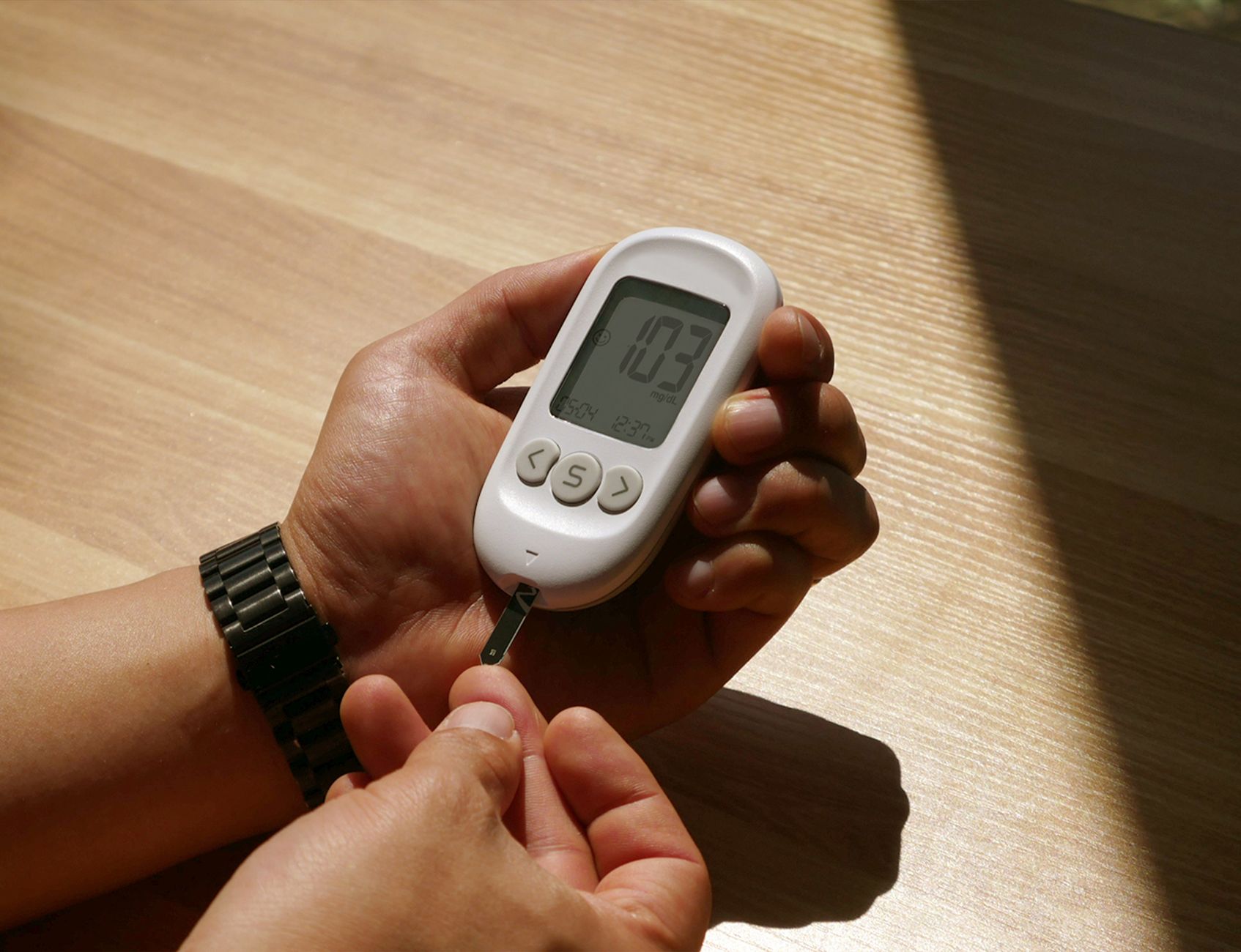
Home glucose monitors are not required for everyone with prediabetes, and continuous glucose monitors are generally not covered by insurance for a prediabetes diagnosis alone. If you do use one, the most informative readings are the ones taken one to two hours after meals — those tell you which specific foods your body handles poorly.
Common Mistakes That Stall Reversal
Most people who fail to reverse prediabetes do not fail from lack of effort. They fail because the effort goes to the wrong place, or because the plan is too aggressive to survive a normal month.
- Cutting carbohydrates to near zero and then quitting entirely. Restriction that cannot be maintained produces rebound eating, not reversal.
- Skipping resistance training because "cardio burns more calories." Calories burned during exercise matter far less than the muscle you build, which determines where glucose goes for the other 23 hours of the day.
- Relying on supplements. Berberine, chromium, cinnamon, and bitter melon have some small studies behind them but nowhere near the effect size of weight loss and activity. They are a distraction from the levers that work.
- Doing juice cleanses or "detoxes." Fruit juice is one of the fastest glucose delivery systems available. A cleanse can raise glucose rather than lower it.
- Not rechecking. Without an A1C at 3 and 6 months, people either quit something that was working or continue something that was not.
- Stopping once numbers normalize. Reversal is maintained, not achieved. Most people who regain weight see glucose rise again.
- Ignoring sleep and stress because they aren't "diet or exercise." Both act on insulin sensitivity directly and can undo an otherwise good plan.
- Going all-or-nothing after a bad week. A single high-glucose week does not change an 8–12 week average. Consistency across months is what moves A1C.
There is one more mistake that is less about behavior and more about expectations: assuming that a normal A1C means the underlying tendency has disappeared. It has not. The insulin resistance that produced prediabetes will return with weight regain and inactivity, which is why annual testing is recommended even after reversal.
What "Doing It Right" Actually Looks Like
Successful reversal is rarely dramatic. It tends to look boring, repetitive, and sustainable — which is exactly why it works.
- You have lost 3–7% of your starting weight over 3 to 6 months and it has not come back.
- Your A1C has fallen by at least 0.2–0.3 percentage points at the 3-month recheck, even if it has not yet crossed below 5.7%.
- You can describe your typical weekday meals without checking an app — the pattern has become automatic.
- You have a standing exercise slot in your calendar that survives busy weeks, even if it is shortened.
- Your waist measurement has decreased by an inch or more, independent of what the scale says.
- You have not had a sugar-sweetened drink in weeks, and you do not miss it.
- You recheck your A1C on schedule rather than avoiding it.
The single best predictor of long-term success is not the intensity of the first month — it is whether the plan is still running in month twelve. A protocol you follow at 70% adherence for two years beats one you follow at 100% for three weeks.
When Natural Reversal Isn't Enough
Lifestyle change is first-line treatment, but it is not the only treatment, and there is no virtue in refusing medication when it is indicated. The ADA Standards of Care—2026 supports considering metformin for prediabetes in people with additional risk features — particularly BMI ≥35 kg/m², age under 60, or a history of gestational diabetes — and in those whose glucose continues to rise despite adherence to lifestyle change.[2]
In the Diabetes Prevention Program, metformin reduced progression to type 2 diabetes by 31% — real, but substantially less than the 58% achieved with lifestyle change.[3] That is why lifestyle remains first-line and metformin is an addition rather than a substitute.
The NHS Diabetes Prevention Programme in England uses the same core architecture — structured weight loss, dietary change, and activity support delivered over months — which reflects how consistently the evidence points in one direction across health systems.[7]
Frequently Asked Questions
How long does it take to reverse prediabetes naturally?
Most people who make consistent changes see measurable improvement in fasting glucose within 2–4 weeks and a meaningful A1C drop by 3 months. Full reversal — an A1C below 5.7% — typically takes 3 to 6 months of sustained change, sometimes longer if the starting A1C was near 6.4%. The 3-month A1C is the first checkpoint that gives useful information.
Can prediabetes be reversed permanently?
It can be held in remission indefinitely, but not cured. Glucose tends to rise again with weight regain or a return to inactivity, because the underlying insulin resistance returns. Annual A1C testing is recommended even after numbers normalize. Think of it as maintenance rather than graduation.
What is the single most effective thing I can do?
Losing 5–7% of your body weight while increasing activity to 150 minutes per week. That combination produced a 58% reduction in progression to type 2 diabetes in the Diabetes Prevention Program, outperforming metformin. If you want one starting action, it is eliminating sugar-sweetened beverages — the fastest, most concentrated source of glucose in most diets.
Is a ketogenic or very low-carb diet better for prediabetes?
Very low-carbohydrate diets lower A1C quickly, and for some people they are the most effective approach. But head-to-head, the advantage tends to shrink over 12 months as adherence falls. Moderate-carbohydrate, high-fiber, Mediterranean-style patterns have the strongest long-term evidence and are easier to maintain. The diet you can follow for five years beats the one that produces the fastest 8-week result.
Do supplements like berberine or cinnamon actually help?
Some small trials show modest glucose effects for berberine, cinnamon, and chromium, but the effect sizes are small and the studies are inconsistent. None approach the impact of weight loss and exercise, and supplements are not regulated for purity in the way prescription drugs are. Berberine can also interact with several medications. Discuss any supplement with your clinician — but do not use one as a substitute for the behavioral levers.
Can I reverse prediabetes without losing weight?
Partially, yes. Exercise improves insulin sensitivity independent of weight change, and reducing refined carbohydrate and liquid sugar improves glucose even without the scale moving. However, in people with excess visceral fat, weight loss adds a substantial additional benefit that exercise alone does not fully replace. If weight loss is difficult for medical reasons, focus hard on activity, sleep, and carbohydrate quality — and discuss metformin with your clinician.
Does intermittent fasting help reverse prediabetes?
Intermittent fasting can help by reducing total calorie intake and improving adherence for some people, and it may modestly improve fasting glucose. It is not clearly superior to standard calorie reduction when total intake is matched. It is a reasonable option if it fits your schedule and does not trigger binge eating — not a required part of the protocol.
Do I need to check my blood sugar at home?
Not always. For most people with prediabetes, A1C checks at 3 and 6 months provide sufficient information. A home meter can be useful if you want to learn which specific meals spike your glucose, and post-meal readings (1–2 hours after eating) are the most informative. Continuous glucose monitors are generally not covered by insurance for prediabetes alone.
If my A1C returns to normal, do I still need annual testing?
Yes. Reversal is a state of remission, not a cure, and recurrence is common with weight regain or reduced activity. The ADA Standards of Care—2026 recommends at least annual A1C testing for anyone with a history of prediabetes, and that recommendation does not change when the number normalizes.
- Prediabetes affects roughly 98 million U.S. adults, and most don't know they have it — but it is reversible in the majority of cases.
- Losing 5–7% of body weight plus 150 minutes of weekly moderate activity reduced progression to type 2 diabetes by 58% in the Diabetes Prevention Program, beating metformin's 31%.
- The ADA Standards of Care—2026 lists intensive lifestyle change as first-line treatment, with A1C rechecked at 3–6 months.
- Resistance training is essential, not optional — skeletal muscle is the body's largest glucose sink.
- Eliminating sugar-sweetened beverages, walking 10–15 minutes after meals, and hitting 25–35 grams of daily fiber are the three highest-yield habits.
- Reversal means remission, not cure — annual A1C testing remains necessary even after numbers normalize.
- U.S. Centers for Disease Control and Prevention — National Diabetes Statistics Report, CDC.
- American Diabetes Association — Standards of Care in Diabetes—2026, Diabetes Care.
- National Institute of Diabetes and Digestive and Kidney Diseases — Diabetes Prevention Program (DPP) and DPP Outcomes Study, NIDDK/NIH.
- World Health Organization — WHO Guidelines on Physical Activity and Sedentary Behaviour, WHO.
- American Heart Association — patient and professional resources on prediabetes and cardiovascular risk, AHA.
- U.S. Centers for Disease Control and Prevention — Sleep and Chronic Disease, CDC.
- National Health Service (UK) — NHS Diabetes Prevention Programme and prediabetes guidance, NHS.