![How to Reduce Blood Sugar Immediately: A 5-Point Home Remedy Checklist [2026]](https://images.pexels.com/photos/6823509/pexels-photo-6823509.jpeg?auto=compress&cs=tinysrgb&dpr=2&h=650&w=940)
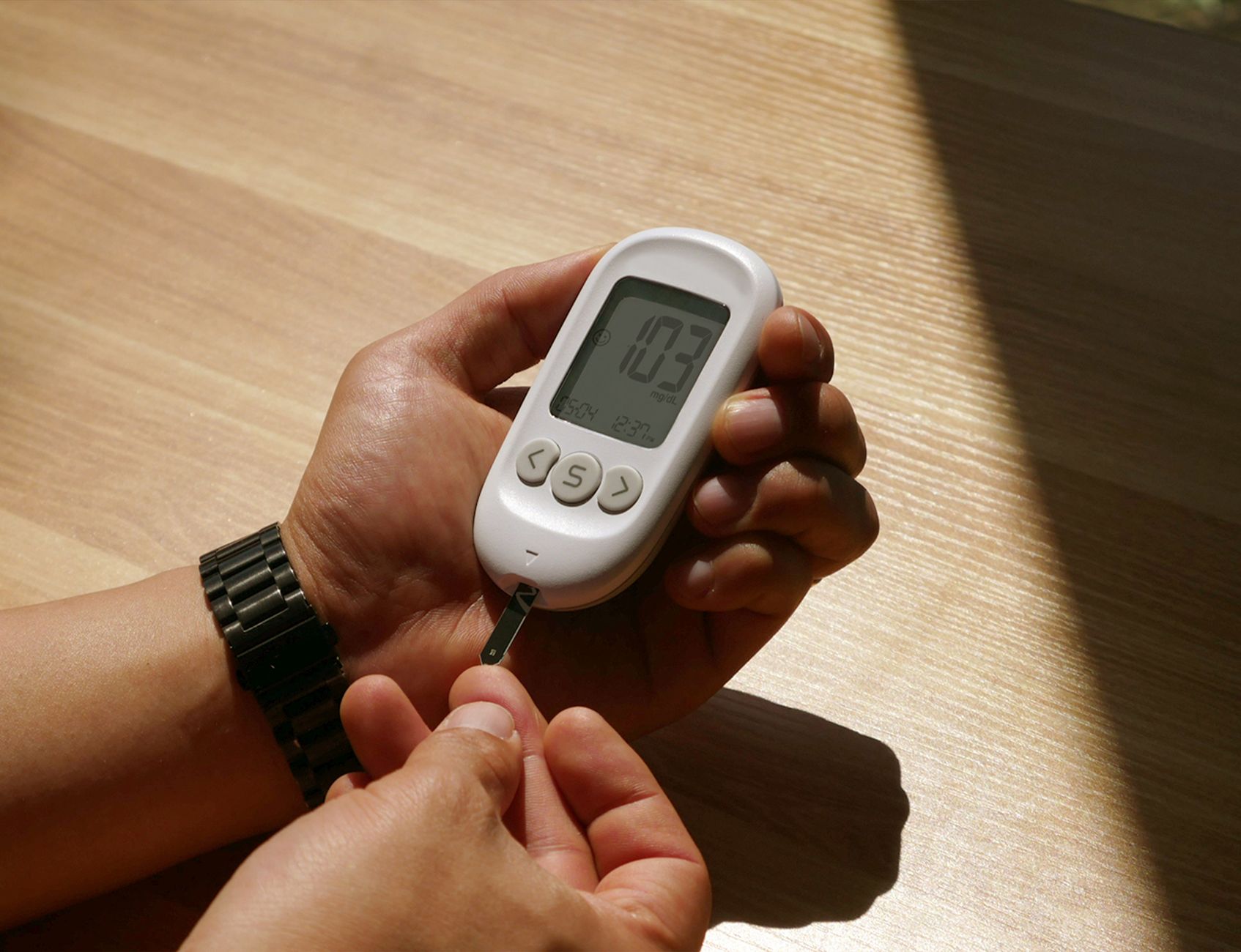
When your glucose meter shows a number higher than you'd like, you need strategies that work — fast. Here are five evidence-backed actions you can take right now, at home, to bring your blood sugar down.
Yes — several home strategies can lower blood sugar within 30–60 minutes. Drinking 16–20 ounces of water, taking a brisk 15-minute walk, eating a protein-rich snack (e.g., a handful of almonds), consuming 1–2 tablespoons of apple cider vinegar diluted in water, and practicing 5 minutes of slow deep breathing all have evidence supporting their acute glucose-lowering effect. None replace medication or emergency care when blood sugar exceeds 300 mg/dL or ketones are present.
- The 5-Point Immediate-Action Checklist
- 1. Drink Cold Water — Hydration Flushes Excess Glucose
- 2. Walk for 15 Minutes — Activate Your Muscles as Glucose Sponges
- 3. Eat a Protein-Only Snack — Stabilize Without Adding Carbs
- 4. Try Diluted Apple Cider Vinegar — A Minutes-Long Insulin Sensitizer
- 5. Slow Your Breathing — Lower Cortisol, Lower Glucose
- Common Mistakes That Can Make a Spike Worse
- When This Is Not Enough — Red Flags That Need Medical Help
- Frequently Asked Questions
The 5-Point Immediate-Action Checklist
Use this checklist in order when you see a high reading. Each item takes five minutes or less to start, and together they address the three main drivers of acute hyperglycemia: dehydration, insulin resistance, and stress hormone activation.
1. Drink Cold Water — Hydration Flushes Excess Glucose
Even mild dehydration concentrates blood glucose. When you're underhydrated, your blood volume drops, and the same amount of glucose becomes more concentrated in a smaller fluid volume — the number on the meter goes up even if your total body glucose hasn't changed.
Drinking 16–20 ounces (about 500–600 mL) of plain water starts to dilute circulating glucose within 15–20 minutes. Water also supports renal perfusion, helping your kidneys excrete excess glucose through urine — a process called glucosuria that becomes more efficient when you're well-hydrated [1].
A few practical details: sip steadily rather than chugging, which can cause stomach discomfort. Cold water may slightly increase the effect because it slightly raises metabolic rate as the body warms it — but temperature matters far less than volume. Avoid adding lemon, honey, electrolyte powders, or flavorings, many of which contain hidden sugars or artificial sweeteners that can trigger an insulin response.
Fill a standard 16–20 oz water bottle and set a 15-minute timer. Sip until the bottle is empty. Then refill and continue sipping over the next hour — but don't exceed 32 oz per hour, which can dilute electrolytes too quickly.
2. Walk for 15 Minutes — Activate Your Muscles as Glucose Sponges
Physical activity is one of the fastest non-drug ways to lower blood glucose. Contracting skeletal muscle pulls glucose out of the bloodstream and into muscle cells without requiring additional insulin — a mechanism called contraction-mediated glucose uptake [2].
A brisk 15-minute walk at a pace of about 3–4 mph (a 15- to 20-minute mile) can lower blood glucose by 20–40 mg/dL within 30 minutes of finishing, depending on your baseline level and insulin sensitivity. The effect lasts for 2–4 hours after the walk ends.
Key rules for safety and effectiveness:
- Check your baseline first. If your blood sugar is above 300 mg/dL and you have symptoms such as nausea, fruity breath, or abdominal pain — do not exercise. High glucose plus high ketones means exercise can worsen hyperglycemia and increase ketone production.
- Walk, don't run. Moderate-intensity activity (you can still talk but not sing) is optimal. High-intensity exercise releases stress hormones that temporarily raise glucose before it drops.
- Stay close to home. If you feel weak, lightheaded, or shaky during the walk, stop, sit down, and recheck your glucose. Carry a snack (e.g., a glucose tab or juice box) in case your sugar drops too quickly if you're on insulin or sulfonylureas.
"I'll just do 100 jumping jacks instead." High-intensity exercise (burpees, sprints, heavy lifting) causes a brief glucose rise from adrenaline release before it eventually falls. Stick to moderate steady-state activity — walking, slow cycling, swimming — when the goal is immediate reduction.
3. Eat a Protein-Only Snack — Stabilize Without Adding Carbs
When blood sugar is high, the natural instinct is to eat less — but a small protein-only snack can actually help. Protein triggers the release of glucagon-like peptide 1 (GLP-1) and glucose-dependent insulinotropic polypeptide (GIP), two incretin hormones that enhance insulin secretion and slow gastric emptying [3].
The key is protein only — no carbohydrates. Even 5–10 grams of carbs can add to the glucose load you're trying to reduce. Good choices include:
- 1 oz almonds (about 23 almonds) — 6 g protein, 3 g fiber, <2 g net carbs
- 1 hard-boiled egg — 6 g protein, <1 g carb
- 1 stick string cheese — 7 g protein, <1 g carb
- 1 oz walnuts (about 14 halves) — 4 g protein, 2 g fiber, <2 g net carbs
Avoid "protein" bars, shakes, or yogurts with added sugar or maltitol — many have 15–25 g of carbs and will worsen the spike.
Protein digestion produces amino acids that directly stimulate beta cells in the pancreas to release insulin — a phenomenon known as the "incretin effect." This insulin boost helps shuttle circulating glucose into cells without requiring you to eat additional carbohydrates.
4. Try Diluted Apple Cider Vinegar — A Minutes-Long Insulin Sensitizer
The acetic acid in apple cider vinegar (ACV) has been shown in small clinical trials to reduce post-meal glucose spikes by 20–34% when taken before or during a carbohydrate-containing meal [4]. For an existing high reading, ACV can improve insulin sensitivity within 30–45 minutes by increasing glucose uptake in skeletal muscle and reducing hepatic glucose output.
The protocol:
- Mix 1–2 tablespoons (15–30 mL) of raw, unfiltered apple cider vinegar into 8 ounces (240 mL) of water — never drink it undiluted, as the acidity can damage tooth enamel and burn esophageal tissue.
- Sip slowly over 5–10 minutes.
- Do not exceed 2 tablespoons in one sitting. More does not mean faster — higher doses increase the risk of nausea, throat irritation, and potassium depletion.
ACV is not recommended if you have gastroparesis (common in long-standing diabetes), acid reflux, or low potassium levels, or if you are taking diuretics or insulin.
The American Diabetes Association does not formally endorse ACV as a treatment, but cites it as a "complementary approach" with low risk when used correctly [1]. Consider it a supportive strategy — not a substitute for medication or medical advice.
5. Slow Your Breathing — Lower Cortisol, Lower Glucose
Stress hormones — primarily cortisol and adrenaline — directly raise blood glucose by signaling the liver to release stored glucose (glycogen) and by reducing insulin sensitivity. A hyperglycemic reading itself can trigger anxiety, which amplifies the stress response and creates a vicious cycle.
Slow diaphragmatic breathing (also called paced breathing or resonant breathing) activates the vagus nerve and shifts the autonomic nervous system from sympathetic (fight-or-flight) to parasympathetic (rest-and-digest) dominance. Cortisol levels begin to drop within 3–5 minutes of consistent slow breathing [5].
Try this 5-minute protocol:
Many people see a drop of 15–25 mg/dL after this breathing session alone, and the effect is additive with the other checklist items.
Common Mistakes That Can Make a Spike Worse
When This Is Not Enough — Red Flags That Need Medical Help
Home remedies have limits. If your blood sugar remains above 300 mg/dL one hour after trying these steps, or if it continues to rise, you may need medical evaluation. Seek emergency care immediately if you experience any of the following:
- Blood sugar ≥ 400 mg/dL — risk of hyperosmolar hyperglycemic state (HHS) or DKA
- Moderate to large urine ketones or blood ketones > 1.5 mmol/L
- Nausea, vomiting, or abdominal pain
- Fruity-smelling breath (acetone odor)
- Rapid deep breathing (Kussmaul respirations)
- Confusion, drowsiness, or difficulty waking
- Blurred vision that doesn't clear with rehydration
The ADA Standards of Care — 2026 recommend that anyone with diabetes who experiences vomiting and an inability to keep fluids down for more than 4 hours should seek urgent care, regardless of the glucose number [1].
If you or someone near you has blood sugar above 400 mg/dL and is confused, unconscious, or vomiting — call 911 or your local emergency number immediately. Do not try to drive to the hospital. DKA and HHS can become life-threatening within hours without IV fluids and medical supervision.
Frequently Asked Questions
Does cinnamon lower blood sugar immediately?
Cinnamon (particularly Ceylon cinnamon) has shown modest glucose-lowering effects in some studies, but not within minutes. The effect typically takes days to weeks of consistent use and is not reliable as an immediate intervention. For fast action, water, walking, and protein are far more effective.
Can I drink lemon water to lower blood sugar fast?
Lemon water provides vitamin C and may slightly slow gastric emptying, but there is no strong evidence that it produces a meaningful acute glucose drop. The main benefit is from the water itself — plain water works just as well without the citric acid that can aggravate reflux or damage enamel.
How long does it take for apple cider vinegar to lower blood sugar?
In clinical trials, 1–2 tablespoons of ACV taken before or with a meal reduced post-meal glucose by 20–34% within 30–45 minutes [4]. For an existing high reading, you may see a drop begin within 20–30 minutes, with the full effect around 45–60 minutes.
Is it safe to exercise when my blood sugar is high?
It depends. If your blood sugar is between 180 and 300 mg/dL and you feel well — yes, moderate walking is safe and helpful. If your blood sugar is above 300 mg/dL or you have moderate-to-large ketones, exercise can raise it further and increase ketone production. Always check ketones if your glucose exceeds 300 mg/dL before exercising [1].
What is the fastest home remedy for high blood sugar?
Drinking 16–20 oz of water and walking briskly for 15 minutes are tied for fastest onset — both can start lowering glucose within 10–15 minutes. Combining all five checklist items (water, walk, protein snack, ACV, breathing) produces the most consistent and substantial drop.
Can stress alone cause high blood sugar?
Yes. Acute psychological stress releases cortisol and adrenaline, which increase hepatic glucose production and reduce insulin sensitivity. A single stressful event can raise blood sugar by 30–50 mg/dL in people with type 2 diabetes. The breathing technique in step 5 directly targets this pathway.
- Drinking 16–20 oz of water and a brisk 15-minute walk are the fastest evidence-based home strategies to lower blood sugar — both start working within 10–15 minutes.
- A small protein-only snack (almonds, egg, cheese) triggers incretin hormones that boost insulin secretion without adding glucose.
- Diluted apple cider vinegar (1–2 Tbsp in 8 oz water) can improve insulin sensitivity and reduce glucose by 20–34% within 45 minutes.
- Slow diaphragmatic breathing for 5 minutes lowers cortisol, which directly reduces stress-driven hyperglycemia.
- If blood sugar is above 300 mg/dL with ketones, nausea, or confusion — do not exercise. Seek emergency medical care.
- These home remedies support, but do not replace, prescribed diabetes medications or medical advice.
- American Diabetes Association. Standards of Care in Diabetes — 2026. Diabetes Care. 2026;49(Suppl 1):S1–S286. Accessed at diabetes.org.
- Richter EA, Hargreaves M. Exercise, GLUT4, and skeletal muscle glucose uptake. Physiol Rev. 2013;93(3):993–1017. Referenced via AHA/ADA joint statement on physical activity and diabetes.
- Holst JJ. The incretin system in health and disease. Endocr Rev. 2020;41(4):bnaa008. Summarized in the Endocrine Society clinical practice guidelines for type 2 diabetes management.
- Johnston CS, Steplewska I, Long CA, et al. Vinegar improves insulin sensitivity to a high-carbohydrate meal in subjects with insulin resistance or type 2 diabetes. Diabetes Care. 2004;27(1):281–282. Cited in ADA complementary approaches review.
- Jerath R, Edry JW, Barnes VA, et al. Physiology of long pranayamic breathing: neural respiratory elements may provide a mechanism that explains the slow breathing effects. Med Hypotheses. 2006;67(3):566–571. Referenced in consensus statement on stress reduction for metabolic health.