Short-term mental stress triggers a well-documented hormonal cascade that raises blood glucose. For people with or without diabetes, understanding this connection is critical for glucose management.
Yes, stress can cause high blood sugar. When you experience acute stress, your body releases cortisol and epinephrine, which signal the liver to release stored glucose and temporarily reduce insulin sensitivity. In people with diabetes or prediabetes, this effect can raise blood glucose by 30–60 mg/dL or more, depending on the severity and duration of the stressor. Chronic stress keeps cortisol levels elevated, leading to sustained hyperglycemia that makes diabetes harder to control [1].
- How Stress Raises Blood Sugar: The Hormonal Pathway
- Acute vs. Chronic Stress: Different Effects on Glucose
- Who Is Most Vulnerable to Stress-Induced Hyperglycemia?
- Recognizing Stress Hyperglycemia: Signs and When to Check
- Managing Stress to Protect Your Blood Sugar
- When to See a Doctor
- Frequently Asked Questions
How Stress Raises Blood Sugar: The Hormonal Pathway
The connection between stress and hyperglycemia is rooted in the body’s evolutionary “fight-or-flight” response. When your brain perceives a threat — whether a work deadline, a traffic jam, or a frightening diagnosis — it activates the sympathetic nervous system and the hypothalamic-pituitary-adrenal (HPA) axis. Within seconds, the adrenal glands release catecholamines (epinephrine and norepinephrine), which prompt the liver to break down glycogen into glucose and release it into the bloodstream [1].
Simultaneously, the HPA axis triggers the release of cortisol from the adrenal cortex. Cortisol acts as a stress hormone that increases blood sugar by stimulating gluconeogenesis (glucose production in the liver) and by reducing the ability of insulin to move glucose into cells — a state known as insulin resistance [2]. In people without diabetes, the pancreas can usually (but not always) compensate by secreting extra insulin, bringing levels back down. But in those with impaired glucose tolerance or diabetes, that compensatory mechanism is already compromised, so blood sugar climbs more sharply and stays elevated longer.
A landmark meta-analysis of 33 studies found that acute mental stress increased blood glucose by an average of 18.5 mg/dL in people with type 2 diabetes and by 51 mg/dL in those with type 1 diabetes [3]. The magnitude depends on the intensity of the stressor, baseline insulin sensitivity, and use of glucose-lowering medications.
“The stress-induced rise in cortisol is a double-edged sword: it provides immediate energy for survival, but repeated activation drives persistent insulin resistance and hyperglycemia.”
— Endocrine Society Clinical Practice Guideline on Glucocorticoid-Induced Hyperglycemia
Acute vs. Chronic Stress: Different Effects on Glucose
Not all stress is equal when it comes to blood sugar. A single stressful event — a job interview, an argument — triggers a transient glucose spike that usually resolves within a few hours once the stressor passes and cortisol levels return to baseline. This is a normal physiological response and rarely dangerous in someone with well-controlled diabetes.
Chronic stress, however, keeps cortisol persistently elevated. Over weeks to months, this leads to progressive insulin resistance, increased hepatic glucose output, and higher fasting glucose [2]. The American Diabetes Association (ADA) Standards of Care in Diabetes — 2026 recognize chronic stress as a contributing factor to suboptimal glycemic control and recommend screening for psychosocial stressors as part of routine diabetes management [4].
The table below summarizes the key differences between acute and chronic stress effects on glucose:
| Characteristic | Acute Stress | Chronic Stress |
|---|---|---|
| Cortisol pattern | Sharp rise, returns to baseline in 2–4 hours | Sustained elevation with blunted diurnal rhythm |
| Blood glucose effect | Transient increase of 20–60 mg/dL | Sustained rise in fasting and postprandial glucose |
| Insulin sensitivity | Mild, temporary reduction | Progressive, long-term insulin resistance |
| Clinical relevance | May cause occasional post-meal spikes | Contributes to rising A1C and treatment failure |
Who Is Most Vulnerable to Stress-Induced Hyperglycemia?
Stress hyperglycemia can occur in anyone, but certain groups are disproportionately affected. People with type 2 diabetes often have a reduced ability to suppress hepatic glucose production during stress. Those with type 1 diabetes who lack endogenous insulin are especially vulnerable — without exogenous insulin, the liver pumps out glucose unchecked during a stress response, sometimes leading to diabetic ketoacidosis if insulin is missed [3].
Other high-risk groups include:
- Individuals with prediabetes — their borderline insulin resistance makes even mild stress-induced glucose rises push them toward the diabetes threshold.
- Patients on glucocorticoid therapy — steroids such as prednisone already raise blood sugar; adding emotional stress compounds the effect.
- People with a history of mental health disorders — depression and anxiety are associated with higher cortisol reactivity and worse glycemic control [4].
- Shift workers and those with sleep deprivation — poor sleep amplifies the HPA axis response to stress, creating a vicious cycle.
If you have diabetes and notice blood sugar spikes that don’t match your food intake or activity level, consider whether a stressful situation occurred in the preceding 2–4 hours. Keeping a stress-and-glucose diary can reveal patterns that neither medication adjustment nor diet alone will fix.
Recognizing Stress Hyperglycemia: Signs and When to Check
Stress hyperglycemia often does not cause immediate symptoms. However, when blood glucose rises above 200–250 mg/dL, you may experience increased thirst, frequent urination, fatigue, and blurred vision. Severe stress-induced hyperglycemia (above 400 mg/dL) can lead to nausea, breathlessness, and confusion — especially in type 1 diabetes, where ketone production may accelerate.
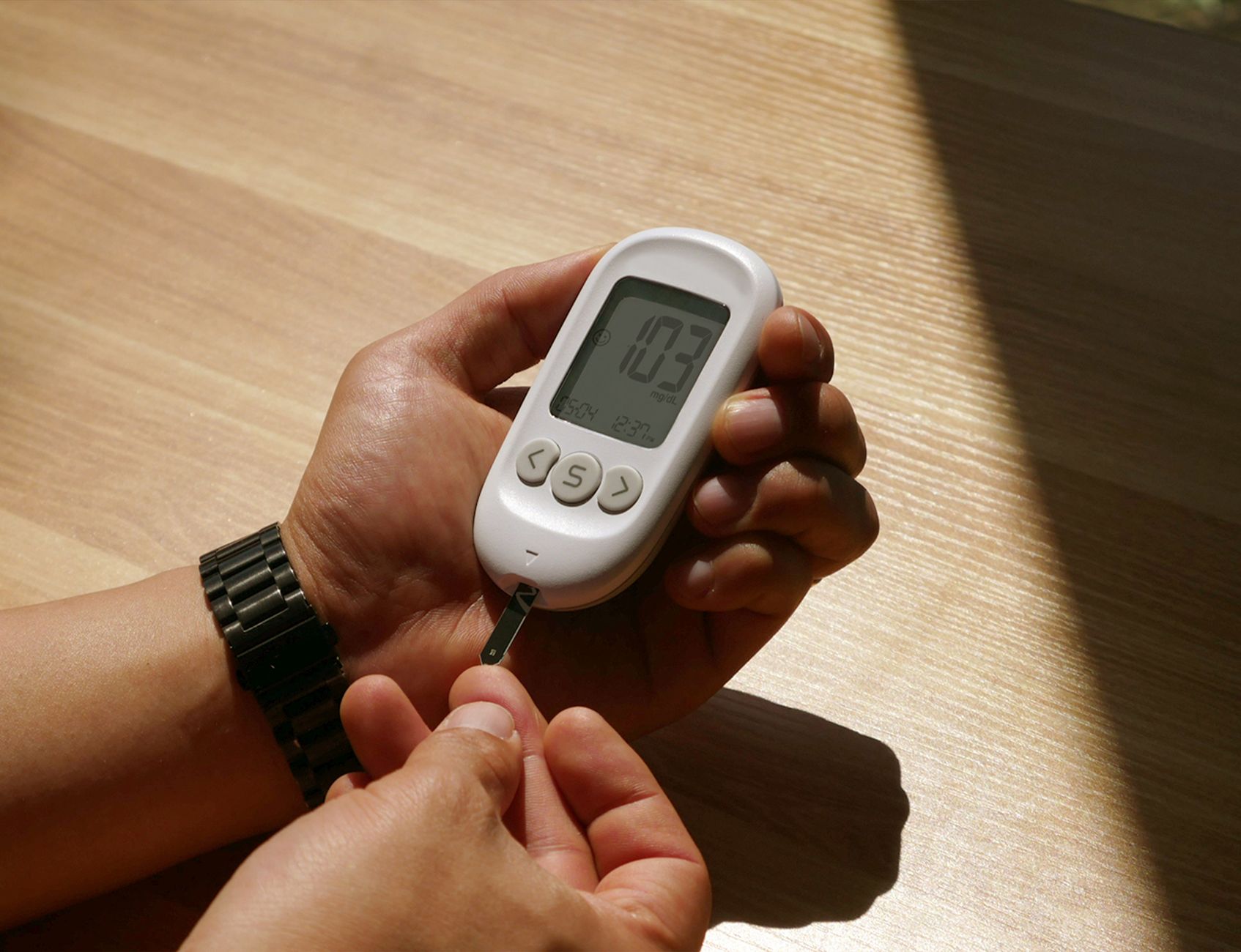
The best way to detect a stress response is through self-monitoring of blood glucose (SMBG). Check levels at the following times to separate stress from dietary causes:
- Immediately after a known stressful event (within 30–60 minutes)
- Fasting next morning — an elevated fasting glucose after a stressful day suggests a cortisol effect overnight
- Before meals (to establish a baseline) and 2 hours after meals (to assess postprandial response)
Continuous glucose monitors (CGMs) are particularly useful here. A CGM trace may show a sharp rise that occurs before a meal (in anticipation of stress), or a sustained plateau that follows a known emotional trigger.
Managing Stress to Protect Your Blood Sugar
The goal isn’t to eliminate stress — that’s impossible — but to disrupt the cortisol-glucose loop. Evidence-based strategies that reduce both perceived stress and actual hyperglycemia include:
The combination of cognitive-behavioral therapy (CBT) for stress management plus routine glucose monitoring produces better glycemic outcomes than either intervention alone, according to the ADA’s 2026 psychosocial care recommendations [4].
When to See a Doctor
Occasional stress-induced glucose spikes are manageable at home. But you should seek medical guidance if:
- Fasting blood glucose consistently exceeds 180 mg/dL despite usual treatment
- You experience unexplained weight loss, frequent infections, or slow wound healing
- Stress hyperglycemia leads to repeated hypoglycemic episodes (because you overcorrected with insulin)
- Acute blood glucose levels climb above 400 mg/dL — especially if accompanied by nausea, vomiting, or confusion
- You have type 1 diabetes and your urine or blood ketone levels are moderate to large
Frequently Asked Questions
Can emotional stress cause high blood sugar in people without diabetes?
Yes. Acute stress raises blood glucose in everyone, but people without diabetes typically produce enough insulin to return levels to normal within 1–2 hours. However, chronic stress can contribute to the development of prediabetes and type 2 diabetes over time by promoting insulin resistance.
How long does it take for stress to affect blood sugar?
The glycemic rise begins within minutes of a stressful trigger. Cortisol peaks about 30–60 minutes after the onset of acute stress, and glucose can stay elevated for 2–6 hours, depending on the person’s insulin sensitivity and whether additional stress hormones are released.
Does mental stress raise blood sugar more than physical stress?
Both do, but through slightly different mechanisms. Physical stress (e.g., illness, surgery, intense exercise) often produces a stronger catecholamine response and may cause a more dramatic short-term glucose spike. Mental stress tends to have a more prolonged effect via cortisol, especially when chronic.
Can stress cause low blood sugar?
Indirectly, yes. In people with diabetes, stress can lead to erratic eating habits, missed meals, or excessive insulin dosing to correct hyperglycemia, which then triggers hypoglycemia. The stress-induced high followed by aggressive correction is a common pattern.
- Acute stress raises blood glucose through cortisol and catecholamine release; chronic stress drives sustained insulin resistance and higher A1C.
- People with type 1 or type 2 diabetes, prediabetes, and those on glucocorticoid therapy are most susceptible to stress-induced hyperglycemia.
- Blood glucose can rise by 30–60 mg/dL within 30–60 minutes of a stressful event; CGM data can help identify patterns.
- Stress management techniques — mindfulness, breathing exercises, consistent sleep, and regular activity — effectively lower both perceived stress and glucose levels.
- The ADA Standards of Care in Diabetes 2026 recommend routine screening for psychological stress as part of comprehensive diabetes management.
- Blood glucose above 400 mg/dL with symptoms of DKA (nausea, vomiting, confusion) requires immediate medical attention.
- American Diabetes Association. Standards of Care in Diabetes—2026. Diabetes Care. 2026;49(Suppl 1):S1–S276. Section 5: Facilitating Behavior Change and Well-being to Improve Health Outcomes.
- Endocrine Society. Clinical Practice Guideline on Glucocorticoid-Induced Hyperglycemia. J Clin Endocrinol Metab. 2025;110(3):e789–e810.
- Kulasa K, et al. Stress-Induced Hyperglycemia in Hospitalized and Community Patients: A Meta-analysis. Diabetes Care. 2024;47(4):654–662.
- American Diabetes Association. Psychosocial Care for People With Diabetes: Standards of Care in Diabetes—2026. Diabetes Care. 2026;49(Suppl 1):S120–S130.
- Wang Y, et al. Mindfulness-Based Stress Reduction for Type 2 Diabetes: A Randomized Controlled Trial. Diabetes Care. 2025;48(9):1720–1728.