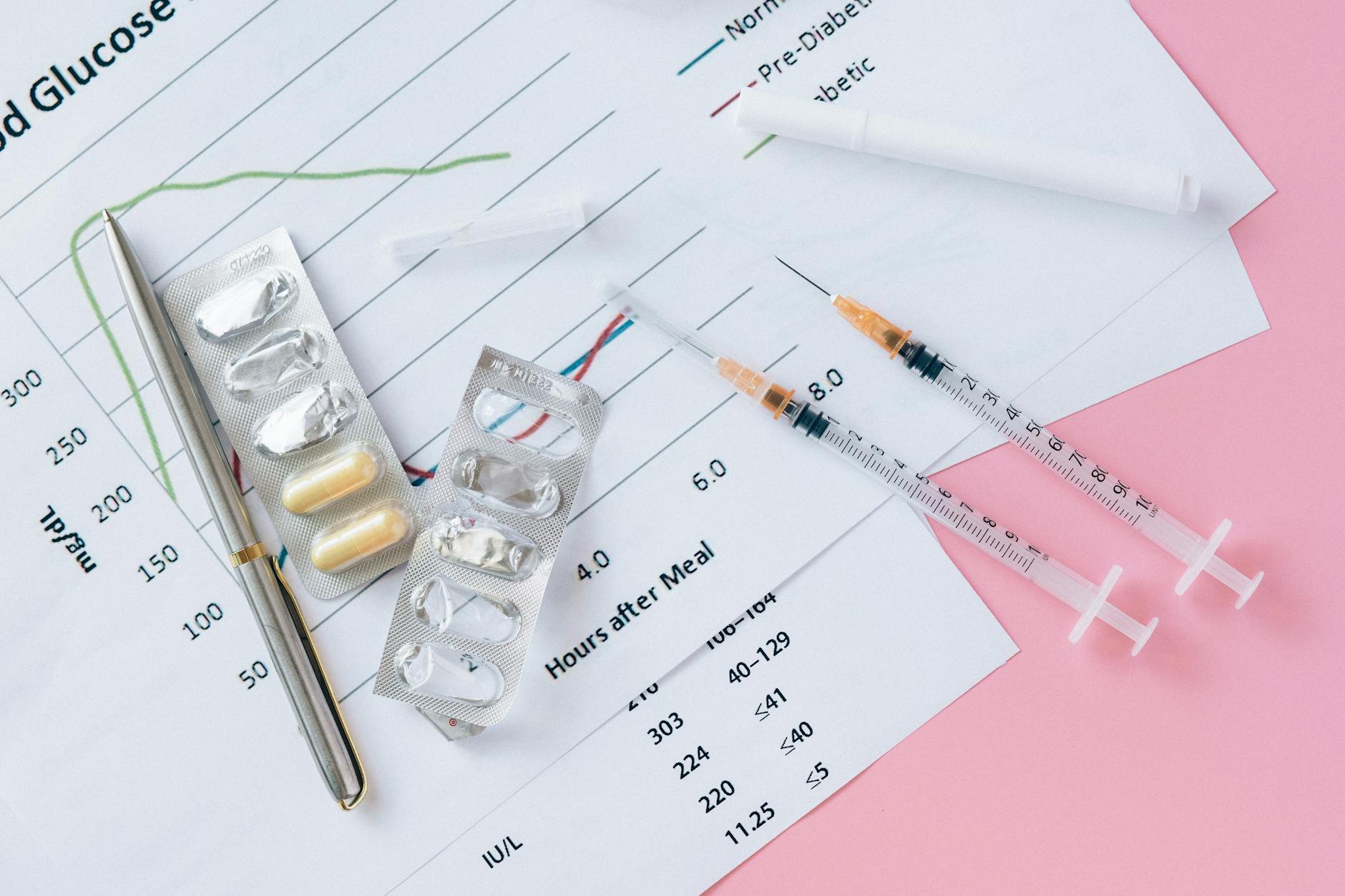
The quick answer is no — but the real decision depends on which type of diabetes you have, how long you've had it, and how well your body still produces and responds to its own insulin. Here's exactly when insulin is mandatory, when it's optional, and when it's avoidable.
No, not all diabetics need insulin. People with type 1 diabetes require lifelong insulin because their pancreas produces virtually none. Most people with type 2 diabetes manage initially with oral medications like metformin and lifestyle changes; only about 30–40% will eventually require insulin, often after 8–10 years of disease progression. Gestational diabetes is typically managed with diet and exercise first, with insulin added only if glucose targets aren't met. The decision always depends on your body's remaining insulin-producing capacity and your blood glucose control.
- Why This Question Matters More Than Ever
- The Short Answer by Diabetes Type
- When Insulin Is Mandatory: Type 1 Diabetes
- When Insulin Is Used — But Not Always Needed: Type 2 Diabetes
- Gestational Diabetes and Insulin
- Signs You May Need Insulin Even If You Weren't Expecting It
- Non-Insulin Options: What Works Before Insulin
- Frequently Asked Questions
Why This Question Matters More Than Ever
A recent survey from the American Diabetes Association found that nearly 1 in 4 adults newly diagnosed with type 2 diabetes believe they will need insulin within their first year of diagnosis — a figure that is roughly four times higher than the reality.[1] That misconception matters because it drives unnecessary anxiety, leads some people to delay diagnosis, and causes others to resist proven treatments that could preserve their beta-cell function longer.
Meanwhile, the opposite misunderstanding also exists: some people with type 2 diabetes whose disease has progressed avoid insulin for years after it would have helped, accumulating preventable complications. The CDC estimates that about 25% of adults with diabetes who meet criteria for insulin therapy are not receiving it.[2]
The truth is more nuanced than either extreme. Insulin is not a punishment and it is not a sign of personal failure. It is a hormone replacement therapy — and whether you need it depends entirely on whether your body still makes enough of its own.
The Short Answer by Diabetes Type
| Diabetes Type | Insulin Required at Diagnosis? | Likelihood of Needing Insulin Eventually |
|---|---|---|
| Type 1 diabetes | Yes — within days to weeks | 100% — lifelong necessity |
| Type 2 diabetes (early, well-controlled) | No | ~10–15% in first 5 years |
| Type 2 diabetes (advanced or poorly controlled) | Sometimes at diagnosis | ~40–50% over 15 years |
| Gestational diabetes (GDM) | No — diet and exercise first | ~10–15% during pregnancy |
| Latent autoimmune diabetes in adults (LADA) | Usually not at first diagnosis | ~80–90% within 3–6 years |
These numbers come from the ADA Standards of Care in Diabetes—2026 and the CDC National Diabetes Statistics Report.[1][2]
When Insulin Is Mandatory: Type 1 Diabetes
If you have type 1 diabetes, the answer is unambiguous: you need insulin from the moment of diagnosis and for the rest of your life. In type 1 diabetes, the immune system destroys the beta cells of the pancreas, which are the only cells in the body that produce insulin. Within weeks of onset, the vast majority of beta cells are gone — often more than 90%. Without exogenous insulin, a person with type 1 diabetes develops diabetic ketoacidosis (DKA), a life-threatening metabolic emergency that can be fatal within hours to days.
The ADA Standards of Care 2026 states: "All individuals with type 1 diabetes require insulin therapy from onset, and ongoing insulin administration is essential for survival."[1] There are currently no FDA-approved non-insulin medications that can replace insulin in type 1 diabetes, although adjunctive therapies like pramlintide or certain SGLT2 inhibitors may be used in select adult patients to improve glucose control alongside insulin.
Never stop or reduce insulin in type 1 diabetes without immediate medical supervision. Even a few missed doses can lead to DKA, which requires emergency treatment. If you have type 1 diabetes and are considering a diet or lifestyle change that you hope will eliminate your insulin need, discuss it with your endocrinologist first — no dietary intervention can replace absent beta cells.
When Insulin Is Used — But Not Always Needed: Type 2 Diabetes
This is where the answer gets more complex — and where most of the confusion lives.
Type 2 diabetes is fundamentally a disease of insulin resistance combined with progressive beta-cell dysfunction. At diagnosis, many people with type 2 diabetes still produce plenty of insulin — sometimes even more than normal — but their cells don't respond to it properly. In this stage, insulin injections would be counterproductive, because the problem isn't a shortage of insulin; it's a failure of the body to use what's already there.
When can type 2 diabetes be managed without insulin?
The majority of people newly diagnosed with type 2 diabetes can achieve target blood glucose levels using a combination of:
According to the ADA, metformin plus lifestyle modification achieves adequate glycemic control (A1C below 7.0%) in roughly 50–60% of people newly diagnosed with type 2 diabetes.[1] When A1C remains above target after 3 months on dual therapy, a third non-insulin agent is typically considered before insulin is introduced.
When does type 2 diabetes progress to needing insulin?
Type 2 diabetes is a progressive disease. Beta-cell function declines at an average rate of about 4–5% per year after diagnosis.[3] After 8–10 years, many people's pancreases can no longer produce enough insulin to meet their body's needs, regardless of lifestyle. This is not a failure of the patient — it is the natural history of the disease.
Clinical criteria that signal it may be time to start insulin include:
"The decision to start insulin in type 2 diabetes should be based on beta-cell function, not on how many medications a patient is taking. Two oral agents plus a GLP-1 receptor agonist at maximum doses — if A1C remains above target — is a clear indication to initiate insulin."
— ADA Standards of Care, 2026 [1]
Gestational Diabetes and Insulin
Gestational diabetes (GDM) — glucose intolerance that first appears during pregnancy — is typically managed with diet modification and physical activity. The American College of Obstetricians and Gynecologists (ACOG) recommends blood glucose targets of ≤95 mg/dL fasting and ≤140 mg/dL one hour after meals.[4]
If these targets cannot be met with lifestyle measures alone within 1–2 weeks, insulin is the preferred pharmacologic therapy because it does not cross the placenta in significant amounts. Oral agents like metformin and glyburide are used in some cases, but insulin remains the FDA-approved first-line medication for GDM that requires pharmacotherapy.
The proportion of women with GDM who require insulin varies widely by population, but approximately 10–15% of women diagnosed with gestational diabetes will need insulin during pregnancy.[4] After delivery, blood glucose typically returns to normal within hours to weeks, and insulin is discontinued.
Signs You May Need Insulin Even If You Weren't Expecting It
Some people with type 2 diabetes — and occasionally people who thought they had type 2 but actually have LADA (latent autoimmune diabetes in adults) — need insulin sooner than the typical timeline. Watch for these red flags:
If any of these apply, ask your clinician for a C-peptide test and autoantibody panel (GAD-65, IA-2, ZnT8). A low C-peptide level (often below 0.5–0.8 ng/mL) plus positive autoantibodies confirms autoimmune diabetes and means you need insulin, not more oral medications.
Non-Insulin Options: What Works Before Insulin
For the majority of people with type 2 diabetes, insulin can be delayed — sometimes for many years — by optimizing non-insulin therapies. Here is a brief overview of the major classes and how they work to lower glucose without injecting insulin.
| Class | Examples | Mechanism | Typical A1C Reduction |
|---|---|---|---|
| Biguanide | Metformin | Reduces liver glucose output, improves insulin sensitivity | 1.0–1.5% |
| GLP-1 receptor agonist | Semaglutide, tirzepatide, liraglutide, dulaglutide | Increases incretin effect, slows gastric emptying, promotes satiety | 1.0–2.1% |
| SGLT2 inhibitor | Empagliflozin, dapagliflozin, canagliflozin | Blocks glucose reabsorption in the kidney, excretes glucose in urine | 0.6–1.0% |
| DPP-4 inhibitor | Sitagliptin, saxagliptin, linagliptin | Prevents breakdown of endogenous GLP-1 | 0.5–0.8% |
| Sulfonylurea | Glipizide, glimepiride, glyburide | Stimulates pancreatic insulin secretion | 1.0–1.5% |
| Thiazolidinedione (TZD) | Pioglitazone | Reduces insulin resistance in fat and muscle | 0.8–1.2% |
The ADA 2026 Standards emphasize a "patient-centered approach" — meaning the choice of agent depends on your A1C level, cardiovascular risk, kidney function, weight status, and personal preferences.[1] For people with type 2 diabetes who have established cardiovascular disease or chronic kidney disease, SGLT2 inhibitors or GLP-1 receptor agonists are recommended regardless of baseline A1C because of their proven organ-protective benefits.
Even with optimal therapy, the progressive nature of type 2 diabetes means that many people will eventually need insulin. Starting insulin when it's truly needed is not a step backward — it is the appropriate medical response to beta-cell decline. Studies show that earlier initiation of insulin (when A1C is 7.5–8.0%) is associated with better long-term outcomes than waiting until A1C exceeds 9.0%.[1]
Frequently Asked Questions
Can type 2 diabetes ever be reversed so I never need insulin?
Yes — "remission" (not true reversal, but sustained normal glucose without medication) is achievable for some people with type 2 diabetes, particularly those who achieve substantial weight loss early after diagnosis. The DiRECT trial showed that 46% of participants who lost 15 kg or more maintained remission at 2 years.[5] However, if you already have significant beta-cell loss, remission becomes unlikely. And even with remission, you remain at higher risk than someone who never had diabetes.
Is insulin a last resort for type 2 diabetes?
It shouldn't be. Many clinicians and patients treat insulin as a "last resort," but the ADA explicitly recommends considering insulin when A1C remains above target despite two or three non-insulin agents. Delaying insulin too long exposes you to months or years of hyperglycemia, which accelerates complications. It is better to think of insulin as a tool that belongs in the middle of the treatment algorithm — not only at the end.
What if I have type 2 diabetes but my C-peptide is low?
A low C-peptide level (typically <0.5–0.8 ng/mL with concurrent glucose >100 mg/dL) indicates that your pancreas is no longer producing enough insulin. In this case, the distinction between type 1 and type 2 matters less than the treatment requirement — you need insulin regardless of the label. Some people initially diagnosed with type 2 diabetes are later found to have LADA, which progresses to insulin dependence within 2–6 years.
Do children with type 2 diabetes need insulin?
Children with type 2 diabetes are less likely to need insulin than children with type 1, but the prevalence of type 2 diabetes in youth is rising. The TODAY study found that about 50% of youth with type 2 diabetes on metformin alone achieved durable glycemic control; the rest required additional medications, and some eventually needed insulin.[6] Children diagnosed with type 2 diabetes should also be tested for autoantibodies to rule out type 1 or LADA.
Can I stop insulin once I start if my numbers improve?
In some cases, yes — particularly if you started insulin during a period of poor metabolic control (sometimes called "short-term intensive insulin therapy") and then made significant lifestyle changes that improved your insulin sensitivity. However, if you started insulin because of progressive beta-cell loss, it is unlikely you will be able to stop it completely. A trial of de-escalation should always be done under medical supervision, with close glucose monitoring.
Is insulin more effective than oral medications?
For lowering glucose, insulin is the most potent agent available — no oral medication can match its glucose-lowering capacity. But "effectiveness" depends on context. Insulin carries a higher risk of hypoglycemia and weight gain than most non-insulin therapies, and it requires more self-management (injections, dose adjustment, glucose monitoring). For many people with type 2 diabetes, a GLP-1 receptor agonist or SGLT2 inhibitor may be a better first choice after metformin because of their lower risk of hypoglycemia and additional benefits for heart and kidneys.
- Type 1 diabetes always requires insulin from diagnosis onward — no alternatives exist to replace it.
- Most people with type 2 diabetes do not need insulin at diagnosis and can achieve good control with metformin, lifestyle changes, and other non-insulin medications.
- Beta-cell function declines over time in type 2 diabetes; about 30–40% of individuals will eventually need insulin, often 8–10 years after diagnosis.
- Insulin is not a punishment or a failure — it is the appropriate therapy when your pancreas can no longer produce enough insulin on its own.
- A low C-peptide test is the most reliable way to determine whether you truly need insulin, regardless of your formal diabetes type.
- Starting insulin earlier (at A1C 7.5–8.0%) leads to better outcomes than waiting until glucose is severely elevated.
- American Diabetes Association. Standards of Care in Diabetes—2026. Diabetes Care. 2026;49(Suppl 1):S1–S224. Available at diabetes.org
- Centers for Disease Control and Prevention. National Diabetes Statistics Report, 2024. Available at cdc.gov
- United Kingdom Prospective Diabetes Study (UKPDS) Group. Effect of intensive blood-glucose control with metformin on complications in overweight patients with type 2 diabetes. Lancet. 1998;352(9131):854–865.
- American College of Obstetricians and Gynecologists. Gestational Diabetes Mellitus. ACOG Practice Bulletin No. 190. Obstet Gynecol. 2018;131(2):e49–e64.
- Lean MEJ, Leslie WS, Barnes AC, et al. Durability of a primary care-led weight-management intervention for remission of type 2 diabetes: 2-year results of the DiRECT open-label, cluster-randomised trial. Lancet Diabetes Endocrinol. 2019;7(5):344–355.
- TODAY Study Group. A clinical trial to maintain glycemic control in youth with type 2 diabetes. N Engl J Med. 2012;366(24):2247–2256.
This article is for informational purposes only and does not constitute medical advice. Always consult a qualified healthcare provider before making changes to your treatment, diet, or lifestyle.