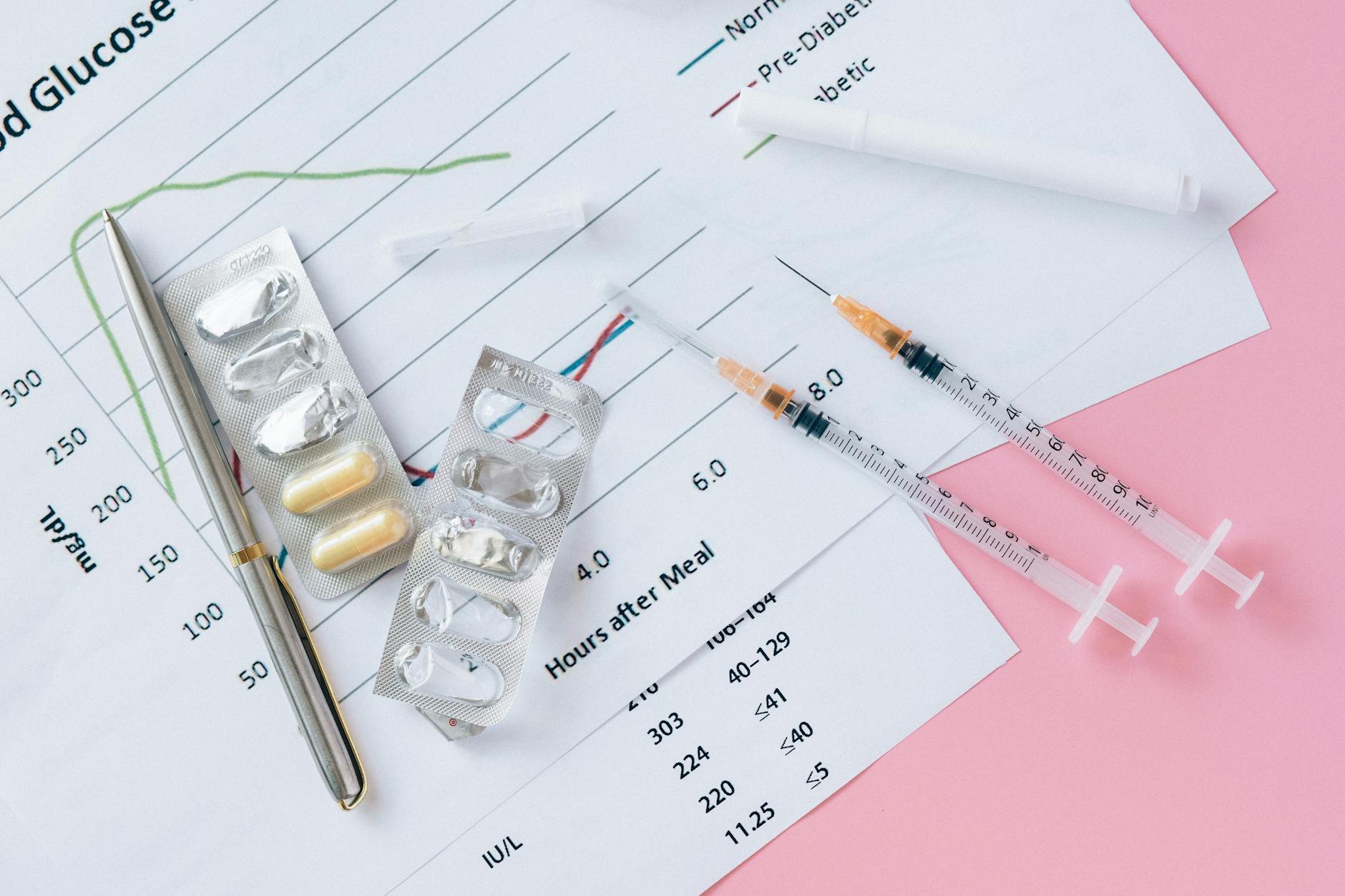
A normal fasting glucose or A1C feels reassuring, yet many people still wonder whether diabetes could be hiding behind it. The answer is both simpler and more nuanced than a single lab value suggests.
Not if “normal” means a validated diagnostic test performed correctly—elevated glucose is the defining feature of diabetes. However, a normal fasting glucose can hide post-meal spikes, a normal A1C can mislead in pregnancy, anemia, or kidney disease, and Stage 1 autoimmune type 1 diabetes exists with normal glucose. A treated person with a diabetes diagnosis can also have normal readings and still have the disease.
- Ask the Right Question: Which Test Was Really Normal?
- The 2026 Diagnostic Cutoffs—and Why They Matter Here
- Seven Myths About Normal Readings and Diabetes
- Where “Yes” Is Clinically Real (and Where It Isn’t)
- If You Still Suspect Diabetes: A Five-Step Plan
- When This Confusion Becomes Dangerous
- Frequently Asked Questions
Ask the Right Question: Which Test Was Really Normal?
Diabetes is a laboratory-defined disease. That may sound cold, but it is actually the most useful way to understand this question. Clinicians do not diagnose diabetes because someone “feels diabetic” or because their pancreas shows signs of autoimmunity. For type 1, type 2, gestational, and most secondary forms of diabetes, hyperglycemia is a required laboratory feature. A blood glucose value above a specific diagnostic threshold must appear on a validated test at some point.
Yet the public conversation around this topic rarely stops at that definition. People ask whether diabetes can exist with normal blood sugar for very practical reasons: they have symptoms, they have a family history, or their doctor ordered one test but not another. Some are reassured by a normal fasting fingerstick taken first thing in the morning, while their 2-hour post-meal glucose has been creeping into abnormal territory for years. Others receive a normal A1C but have a hemoglobin variant or iron deficiency that makes the A1C unreliable. The key distinction is not whether diabetes can somehow exist with a truly normal blood sample—it cannot—but whether the test performed was the right test, at the right time, in the right clinical context.
There is also a basic truth about glucose physiology: blood sugar is not a fixed number. It oscillates throughout the day in response to meals, stress, illness, sleep, and medication. A person can have diabetes and still register normal fasting glucose on many mornings, especially early in the disease. That is why a single normal value—especially a fingerstick value rather than a formal lab test—is not enough to rule out the diagnosis.
If you already have a diabetes diagnosis and your glucose or A1C is now completely normal, that usually means your treatment is working well—or that you are in remission after major lifestyle change, medication, or bariatric surgery. It does not mean the diagnosis was wrong. Discontinuing treatment without a clinician’s guidance can allow glucose levels to climb again.
The 2026 Diagnostic Cutoffs—and Why They Matter Here
The American Diabetes Association’s Standards of Care in Diabetes—2026 recognize four ways to diagnose diabetes, and every one of them requires glucose to be elevated.[1] They are: a fasting plasma glucose of 126 mg/dL (7.0 mmol/L) or higher; a 2-hour plasma glucose of 200 mg/dL (11.1 mmol/L) or higher during a 75-gram oral glucose tolerance test; an A1C of 6.5% (48 mmol/mol) or higher; or a random plasma glucose of 200 mg/dL or higher in a person with classic hyperglycemia symptoms.
Prediabetes is defined by numbers that sit just below those thresholds: fasting glucose 100–125 mg/dL, 2-hour glucose 140–199 mg/dL, or A1C 5.7–6.4%. People in that range do not yet meet the definition of diabetes, but they are already showing early failure of glucose regulation. This is precisely where the trouble starts. A fasting value of 95 mg/dL—technically normal—can coexist with a 2-hour OGTT value of 210 mg/dL, which is diagnostic. If the fasting test was the only one done, the diabetes diagnosis would be missed entirely.
| Test | Normal Range | Prediabetes Range | Diabetes Range |
|---|---|---|---|
| Fasting plasma glucose | Below 100 mg/dL (5.6 mmol/L) | 100–125 mg/dL (5.6–6.9 mmol/L) | 126 mg/dL (7.0 mmol/L) or higher |
| 2-hour glucose during 75-g OGTT | Below 140 mg/dL (7.8 mmol/L) | 140–199 mg/dL (7.8–11.0 mmol/L) | 200 mg/dL (11.1 mmol/L) or higher |
| A1C | Below 5.7% (below 39 mmol/mol) | 5.7–6.4% (39–47 mmol/mol) | 6.5% (48 mmol/mol) or higher |
| Random plasma glucose with symptoms | No diagnostic “normal” used | — | 200 mg/dL (11.1 mmol/L) or higher |
Two practical consequences follow from these numbers. First, “normal blood sugar” is only meaningful when you know which test produced it and whether the conditions for that test were met (fasting, proper glucose load, reliable laboratory method). Second, if one test is normal but clinical suspicion remains high, other tests should be performed. The ADA explicitly recommends using a second test to confirm diagnosis in most asymptomatic people, and when two different tests disagree, the test showing the abnormal result is usually the one that should guide further evaluation.[1]
Seven Myths About Normal Readings and Diabetes
The confusion around this topic is not because patients misread their meters, but because diabetes unfolds over time and does not announce itself through every glucose value. These seven beliefs capture the most common misunderstandings in 2026.
A truly normal result on a formal diagnostic test means you do not meet diabetes criteria at that moment. But not every “normal” result is a complete picture. Fasting glucose can be normal while the 2-hour glucose during an oral glucose tolerance test crosses 200 mg/dL—a value that by itself is diagnostic.[1] Diabetes is defined by behavior across the day, not by a single snapshot.
Fasting readings catch only one part of glucose regulation. In early type 2 diabetes and in steroid-induced hyperglycemia, the fasting value can remain normal while post-meal glucose climbs into abnormal ranges. Oral corticosteroids often raise afternoon and evening glucose while leaving the morning reading deceptively calm. An OGTT or structured post-meal testing is usually needed to expose that pattern.
People with diabetes spend portions of every day in a normal glucose range, especially between meals and overnight. What makes the diagnosis possible is that glucose intermittently or persistently crosses the diagnostic threshold. During the so-called honeymoon phase of type 1 diabetes—when some insulin production remains—glucose values can look near-normal for weeks or months, even as the autoimmune destruction continues.
A1C is a useful estimate, but it is not interchangeable with blood glucose in every person. Pregnancy, recent blood loss, hemolytic anemia, chronic kidney disease, iron deficiency, and hemoglobin variants such as sickle cell trait can make A1C read falsely low or falsely high. In those situations, a glucose tolerance test may show diabetes even when A1C is in the normal range.[1] A normal A1C should never override an abnormal glucose tolerance test result.
This is the clearest “yes” hidden inside the question. The ADA classifies type 1 diabetes into stages, and Stage 1 means a person has two or more islet autoantibodies with normal blood glucose.[1] They do not need insulin yet and they do not meet classic glucose criteria for diabetes, but the autoimmune process of type 1 diabetes is already present. Many researchers describe this as pre-clinical type 1 diabetes; screening siblings and children of people with type 1 diabetes can identify this stage before hyperglycemia appears.
Gestational diabetes is usually diagnosed by an oral glucose tolerance test at 24–28 weeks, not by a fasting fingerstick or fasting lab value alone. Fasting glucose can be entirely normal while one or more post-load values meet the diagnostic thresholds for gestational diabetes.[1] If a pregnant person is told “your fasting sugar is fine,” that has limited meaning if the full glucose tolerance test was not performed.
Home meters are cleared by the FDA as monitoring devices, not as formal diagnostic instruments. Their readings can differ from a laboratory result by as much as 15% under allowed standards.[2] A meter that reads 112 mg/dL could reflect a true glucose of 130 mg/dL or 96 mg/dL depending on strip lot, technique, and device calibration. If the question is “do I have diabetes?” the answer should come from a venous lab test, not a fingerstick device.
Where “Yes” Is Clinically Real (and Where It Isn’t)
Consider four scenarios in which an answer of “yes, you can have diabetes with normal blood sugar” is appropriate—provided you understand the details.
1. Treated diabetes that is currently well controlled. A person with established type 2 diabetes who takes metformin, follows a lower-carbohydrate meal pattern, and exercises regularly may achieve an A1C of 5.4% or a fasting glucose of 90 mg/dL. Every monitored value can look “normal,” yet the diagnosis remains. The metabolic abnormality is still present; treatment is simply holding it in check. The same is true after bariatric surgery, when glucose normalizes enough for doctors to use the word “remission.” Remission is not a cure, because the risk of recurrence remains high if weight regains or healthy habits lapse.
2. Stage 1 (pre-clinical) type 1 diabetes. As noted above, this is a genuine situation where the autoimmune disease process that causes type 1 diabetes is present while glucose levels remain normal. The term “Stage 1 type 1 diabetes” can sound contradictory, but it is the standard staging system used by major diabetes organizations. People found to have multiple islet autoantibodies are often told they have early type 1 diabetes even before any sugar abnormality appears.
3. Steroid-induced or stress-induced hyperglycemia with normal fasting readings. Corticosteroids, acute illness, surgery, and severe physical stress raise blood glucose through different hormonal pathways. The elevation often appears after meals or in the afternoon, not in the overnight fasting period. A morning-only fasting test can miss this pattern completely. If the glucose elevation is high enough to meet diagnostic thresholds while the stressor is present, the person meets criteria for diabetes or “hyperglycemia in the setting of illness,” and the condition may resolve once the trigger is removed.
4. A1C blind spots. People with hemoglobin traits, anemia, recent transfusion, or chronic kidney disease can have an A1C that is falsely low. Meanwhile, an oral glucose tolerance test performed the same week can show a diabetic 2-hour value. In that situation, the person genuinely has diabetes by glucose criteria, but their A1C—the test many doctors order first—looked “normal.” This is not diabetes with truly normal blood sugar; it is diabetes that a single normal test failed to detect.
The scenarios above share a thread: the word “normal” is attached to a reading, not to the whole disease. When you look at the complete glucose profile—fasting values, post-meal values, A1C, and tolerance tests—diabetes always involves demonstrable hyperglycemia at some point. A single normal reading can coexist with diabetes, but a normal result on every validated test performed correctly is not compatible with an active diabetes diagnosis.
If You Still Suspect Diabetes: A Five-Step Plan
If symptoms, family history, or intuition tells you something is off, do not settle for the phrase “your sugar is normal.” Push for a more complete evaluation.
When This Confusion Becomes Dangerous
Believing that “normal sugar = no diabetes” can delay diagnosis for years, and the delay has real consequences. By the time glucose hits the diagnostic threshold, damage to blood vessels, nerves, and the kidneys may already be underway. The danger is rarely a single normal reading; it is what people do with that reading.
Frequently Asked Questions
Can you have type 2 diabetes with a normal fasting glucose?
Yes. Fasting glucose is one of the last values to rise in some people with early type 2 diabetes. The earliest detectable abnormality is often an exaggerated glucose rise after meals or after a 75-gram oral glucose challenge. That means a fasting value in the 80s or 90s can coexist with a 2-hour post-load value above 200 mg/dL—which would be diagnosed as diabetes.
Can a person with a normal A1C still be diagnosed with diabetes?
Not by A1C, but possibly by another test. A1C is reliable for most people, but it can be falsely low in pregnancy, after blood loss, in hemolytic anemia, with certain hemoglobin variants, or in advanced chronic kidney disease. If an oral glucose tolerance test shows a diabetic 2-hour value, that diagnosis should not be discarded just because the A1C fell in the normal range.
What is isolated post-challenge hyperglycemia?
Isolated post-challenge hyperglycemia means the glucose level 2 hours after an oral glucose load reaches the diabetes range while the fasting glucose remains below the diabetes threshold. People with this pattern can have a completely normal fasting test, making it easy for clinicians to miss the diagnosis if only fasting glucose is checked.
Can continuous glucose monitoring show "normal" levels even if you have diabetes?
It can, depending on how well the diabetes is controlled. CGM devices show glucose values throughout the day, but they are not currently the standard for diagnosing diabetes. A person with well-treated type 2 diabetes may spend most of the day in the 70–140 mg/dL range. That is evidence that treatment is working, not evidence that diabetes was misdiagnosed. Conversely, a CGM that detects repeated post-meal spikes above 180 mg/dL can provide a helpful early warning, even when an in-office A1C still looks acceptable.
If blood sugar is normal, what else could explain constant thirst and frequent urination?
Diabetes insipidus is the classic alternative. Despite the similar name, it is unrelated to type 1 or type 2 diabetes. In diabetes insipidus, the body cannot properly concentrate urine because of a problem with antidiuretic hormone (vasopressin) or the kidney's response to it. People produce very large volumes of dilute urine and feel perpetually thirsty, yet their blood glucose is normal. Chronic kidney disease, overactive bladder, certain medications, and excessive fluid intake can also cause urinary frequency.
- A truly normal result on a validated diagnostic test cannot support a diabetes diagnosis in the same person at the same time—elevated glucose is the defining feature.
- Normal fasting glucose is the weakest screening test for early diabetes; post-meal glucose can rise into the diabetic range long before fasting glucose does.
- Normal A1C can be misleading in pregnancy, chronic kidney disease, anemia, and hemoglobin variants; an oral glucose tolerance test may still reveal diabetes.
- Stage 1 type 1 diabetes is a recognized early phase in which islet autoantibodies are present but blood glucose is still normal.
- A person already treated for diabetes can have completely normal readings and still carry the diagnosis; “well-controlled” and “remission” are not the same as “cured.”
- Home glucose meters are monitoring tools, not diagnostic instruments, and their results can differ from laboratory values by up to 15%.[2]
- American Diabetes Association. Standards of Care in Diabetes—2026. Clinical guidelines on classification, diagnosis, and management of diabetes. diabetes.org
- U.S. Food and Drug Administration. Blood glucose monitoring device accuracy requirements and information for patients. fda.gov