From smart pens to proper injection technique, storage, and safety — a clinically detailed look at modern injectable diabetes therapies to empower patients and clinicians alike.
- What Are Diabetes Injection Pens?
- Types of Pens: Insulin, GLP-1, and Combination Therapies
- How to Choose the Right Diabetes Injection Pen
- Step-by-Step Injection Technique Guide
- Storage and Safety Precautions
- Insulin Pens vs. GLP-1 Agonist Pens: At-a-Glance Comparison
- Debunking Common Myths About Injectable Diabetes Therapy
- Red Flags and When to Contact Your Healthcare Provider
- Frequently Asked Questions
What Are Diabetes Injection Pens?
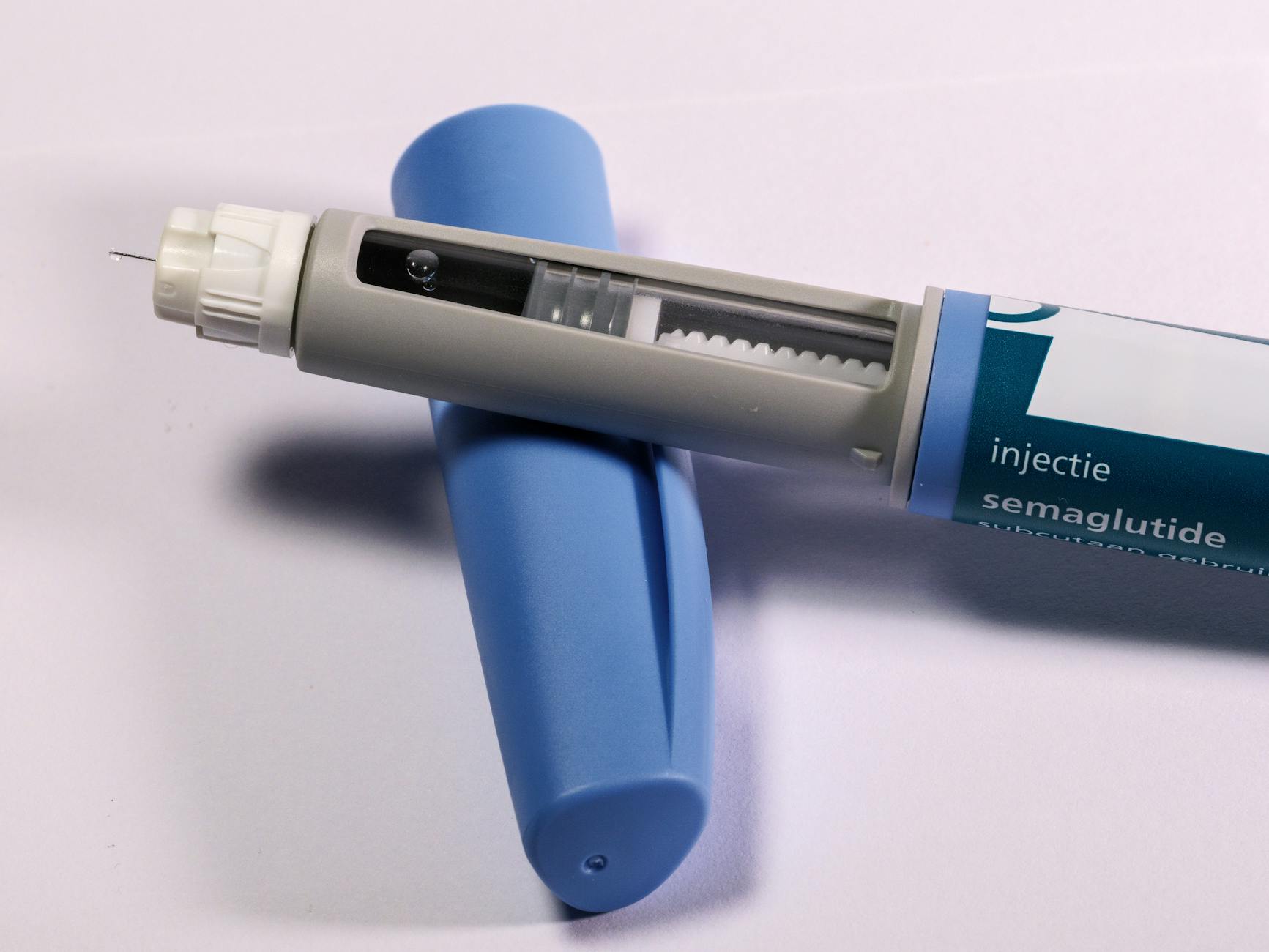
Diabetes injection pens are pre-filled, disposable, or reusable devices designed to deliver injectable diabetes medications — primarily insulin and glucagon-like peptide-1 (GLP-1) receptor agonists — via subcutaneous injection. They have largely replaced traditional vials and syringes in clinical practice due to their ease of use, dose accuracy, and portability.
According to the American Diabetes Association (ADA) Standards of Care 2026, pen devices are the preferred method for insulin delivery in most patients, particularly those with dexterity challenges, visual impairment, or a need for flexible dosing schedules. By 2026, the market has expanded significantly to include "smart pens" equipped with Bluetooth connectivity, dose memories, and bolus calculators that interface directly with continuous glucose monitoring (CGM) systems.
Injectable diabetes medications are administered into the subcutaneous tissue layer — typically the abdomen, thigh, or upper arm. This route provides predictable absorption rates that are slower than intramuscular (IM) but faster than intravenous (IV). The use of a pen device ensures consistent depth of delivery, reducing inter-injection variability.
Modern diabetes injection pens incorporate several key design features: a dial mechanism for selecting the exact dose (in unit increments), a safety cap to prevent accidental needle sticks, and a viewing window to confirm the dose. Smart pens now integrate with smartphone apps to log injection times, calculate active insulin on board, and provide reminders, representing a significant advance over the manual record-keeping of previous decades.
Types of Pens: Insulin, GLP-1, and Combination Therapies
Choosing the correct type of injection pen depends on the specific hormone or therapeutic agent being replaced or augmented. The three major categories in 2026 are: insulin pens (covering basal, bolus, and premixed formulations), GLP-1 agonist pens (for glycemic control and weight management), and combination pens that merge insulin with a GLP-1 agonist in a single device.
Insulin Pens — Basal, Bolus, and Premixed Formulations
Rapid-acting (Bolus) Insulins: Lispro (Humalog), Aspart (Novolog/NovoRapid), Glulisine (Apidra) — Onset: ~15 minutes. Peak: ~60 minutes. Duration: 3–5 hours. Used for mealtime coverage.
Short-acting Insulins: Regular insulin (Humulin R, Novolin R) — Onset: ~30 minutes. Peak: 2–4 hours. Duration: 5–8 hours.
Intermediate-acting Insulins: NPH (Humulin N, Novolin N) — Onset: 1–2 hours. Peak: 4–8 hours. Duration: 10–16 hours.
Long-acting (Basal) Insulins: Glargine U-100 (Lantus, Basaglar), Detemir (Levemir), Degludec U-100/U-200 (Tresiba) — Onset: 1–2 hours. Peak: Relatively flat. Duration: >24 hours (Degludec lasts >42 hours).
Concentrated Insulins: U-200 (Humalog KwikPen, Tresiba FlexTouch), U-300 glargine (Toujeo). These allow higher doses in smaller injection volumes (1 unit = 1 mL in U-100 but 1 unit = 0.5 mL in U-200).
GLP-1 Agonist Pens — Weekly and Daily Dosing Options
Weekly GLP-1 / Dual Agonists: Semaglutide (Ozempic, Wegovy™ for weight), Tirzepatide (Mounjaro, Zepbound™ — GIP/GLP-1 dual agonist). Dosed once weekly via a single-dose auto-injector pen.
Daily GLP-1 Agonists: Liraglutide (Victoza, Saxenda™ for weight). Dosed once daily with a multi-dose pen.
Mechanism: These agents improve glycemic control by enhancing glucose-dependent insulin secretion, suppressing glucagon release, slowing gastric emptying, and promoting satiety. Tirzepatide additionally activates GIP receptors, offering superior weight loss outcomes (22.5% body weight reduction in SURMOUNT-1 trials).
Amylin Analogs and Combination Pens — Emerging and Established Fixed-Ratio Therapies
Amylin Analogs: Pramlintide (Symlin) — Amylin is co-secreted with insulin by beta cells. Administered before meals as an adjunct to insulin in Type 1 and Type 2 diabetes.
Fixed-Ratio Combination Pens (Insulin + GLP-1): Insulin glargine + lixisenatide (Soliqua 100/33) and insulin degludec + liraglutide (Xultophy 100/3.6). These pens are designed for patients with Type 2 diabetes who need both basal insulin coverage and GLP-1 receptor activation without the need for separate injections.
How to Choose the Right Diabetes Injection Pen
Selection of a diabetes injection pen should be a shared decision between the patient and their healthcare team, taking into account medical necessity, patient preference, dexterity, visual acuity, lifestyle, and cost. Below are the critical factors to consider in 2026:
What factors influence pen selection?
Dose Precision and Flexibility: Some pens allow for half-unit dosing (e.g., NovoPen Echo for children requiring small doses), while others dial in full 1-unit increments. Patients requiring large doses (>60 units/day) may benefit from concentrated U-200 or U-300 pens to reduce injection volume.
Ease of Use and Ergonomics: FlexTouch pens (Tresiba, NovoRapid) have a spring-loaded mechanism that requires no thumb pushing, ideal for patients with arthritis or reduced hand strength. Smart pens like InPen integrate with smartphone apps for dose logging and calculation.
Not all pen needles are universally compatible. Ensure that the needle hub type (e.g., NovoFine, BD Nano, Ypsomed) is compatible with your specific pen brand. Using an incorrect needle can lead to bent needles, inaccurate dosing, or skin trauma. Needle lengths range from 4 mm to 12.7 mm — the ADA 2026 guidelines recommend 4 mm needles for nearly all adults to reduce the risk of intramuscular injection.
What about cost and insurance coverage?
Although many insurance formularies now include multiple pen options, brand-name pens can be significantly more expensive than vial-and-syringe equivalents. Biosimilar insulin pens (e.g., Semglee pen, Insulin Aspart biosimilar) have entered the market and offer substantial cost savings. For GLP-1 agonists, prices remain high (>$900/month without insurance), though manufacturer savings programs and authorized generics are increasingly available.
Step-by-Step Injection Technique Guide
Proper injection technique is essential for ensuring optimal medication absorption, minimizing pain, and preventing complications such as lipodystrophy (fat lumps) or infection. The following steps are based on the ADA 2026 Injection Technique Consensus Statement.
Rotate injection sites with every dose. Repeated injections in the same spot can cause lipohypertrophy — lumps of fatty tissue that reduce insulin absorption and lead to unexplained hyperglycemia. Using a 4 mm needle and rotating across left and right sides of the abdomen lowers this risk substantially.
Storage and Safety Precautions
Maintaining the potency of your diabetes injection pen requires strict adherence to temperature and safety guidelines. Both heat and cold can denature the medication, leading to increased glycemic variability.
How should diabetes injection pens be stored?
Unopened Pens: Store in a refrigerator at 36°F to 46°F (2°C to 8°C). Do not freeze. Using a frozen or partially frozen pen can cause clumping of the medication, rendering it ineffective.
Opened Pens: Most opened insulin pens are stable at room temperature (below 86°F / 30°C) for 28 to 56 days, depending on the brand (e.g., Humalog 28 days, Tresiba 56 days). GLP-1 pens have varying stability: Ozempic is stable for 56 days at room temperature after first use; Mounjaro for 30 days.
If exposed to direct sunlight, or left in a hot car, the medication may degrade. Look for changes in appearance: cloudiness (in clear insulins) or crystallization. Dispose of any pen that has been frozen, dropped, or damaged. If you develop unexplained high blood glucose after using a properly stored pen, the medication may have lost potency.
Travel tips for injection pens
Carry pens in an insulated cool pack (NOT in checked luggage, as cargo holds can freeze). Airport security allows insulin pens and GLP-1 devices with proper medical labeling. Always carry a backup pen and a separate supply of needles in their original packaging. The TSA permits needles with a documented medical need.
Insulin Pens vs. GLP-1 Agonist Pens: At-a-Glance Comparison
While both are injectables, insulin and GLP-1 agonists serve distinct roles in diabetes management. The table below outlines their key differences to help patients and clinicians make informed choices.
Primary Action: Replaces or supplements endogenous insulin levels, facilitating glucose uptake into cells.
Onset: Variable — Rapid-acting ~15 min; Long-acting ~1–2 hours.
Peak: Rapid-acting ~1 h; NPH ~4–8 h; Basal — generally flat.
Duration: 3–5 hours (rapid) up to >42 hours (Degludec).
Weight Effect: Weight gain typical (2–4 kg annual average).
Hypoglycemia Risk: High, especially if meals are missed or doses mismatched to carbohydrate intake.
Dosing Frequency: 1–4 injections per day depending on regimen.
Primary Action: Enhances glucose-dependent insulin secretion, suppresses glucagon, slows gastric emptying, promotes satiety.
Onset: Titration-dependent over weeks.
Peak: Continuous coverage (weekly) or daily peak depending on formulation.
Duration: 24 hours (daily) to 7 days (weekly).
Weight Effect: Clinically significant weight loss (5–22% body weight in trials).
Hypoglycemia Risk: Low unless combined with insulin or sulfonylureas.
Dosing Frequency: Once daily or once weekly.
In patients with Type 2 diabetes, ADA/EASD 2026 consensus recommends considering GLP-1 agonists (specifically semaglutide or tirzepatide) as first-line injectable therapy over insulin due to their superior cardiovascular and weight benefits. Insulin remains the cornerstone for Type 1 diabetes, advanced Type 2 diabetes with severe beta-cell dysfunction, and acute metabolic decompensation (e.g., DKA).
Debunking Common Myths About Injectable Diabetes Therapy
Despite decades of widespread use, misconceptions about diabetes injection pens persist. Below are evidence-based clarifications to common myths.
Modern 4 mm gauge needles (e.g., BD Nano, NovoFine Plus) feature ultra-thin walls and narrow diameters that significantly minimize pain. Most patients report less discomfort than a fingerstick blood glucose test. Proper technique — such as avoiding intramuscular injection and using a new needle each time — further reduces pain and bruising.
Diabetes is a progressive disease. The need for injectable therapy is a function of pancreatic beta-cell decline, not a measure of personal failure. For patients with Type 2 diabetes, early initiation of GLP-1 therapy or basal insulin is associated with better long-term glycemic control and preservation of beta-cell function (UKPDS, ACCORD follow-up studies).
Pen sharing, even with a swapped needle, carries a high risk of blood-borne pathogen transmission (HIV, Hepatitis B, Hepatitis C). Blood can enter the pen reservoir after injection, contaminating the cartridge. The FDA and CDC explicitly prohibit sharing of insulin pens among multiple patients, even if needles are changed.
While GLP-1 agonists are highly effective, they do not replace insulin in patients with absolute insulin deficiency (i.e., Type 1 diabetes or advanced Type 2 diabetes with C-peptide < 0.2 nmol/L). In early-stage Type 2 diabetes, however, GLP-1 therapy may sufficiently control glucose without exogenous insulin. The 2026 ADA guidelines recommend assessing C-peptide levels before discontinuing insulin in favor of GLP-1 monotherapy.
Red Flags and When to Contact Your Healthcare Provider
Injection therapy is generally safe, but certain symptoms or situations require immediate medical guidance. Awareness of these red flags is essential for safe self-management.
Contact your healthcare team if you experience any of the following: blood glucose consistently above 240 mg/dL despite following your regimen, repeated hypoglycemia (below 70 mg/dL) without clear cause, unexplained weight loss, or persistent gastrointestinal side effects (nausea/vomiting) with GLP-1 therapy that prevent adequate food intake.
Frequently Asked Questions
The following answers address some of the most common clinical and practical questions about diabetes injection pens.
Can I use an insulin pen straight from the refrigerator?
It is generally recommended to let an insulin pen warm to room temperature (about 15–30 minutes out of the fridge) before injecting. Cold insulin can cause a stinging sensation and may affect absorption kinetics. However, GLP-1 pens like Ozempic and Mounjaro must be stored in the refrigerator until first use but should then be kept at room temperature (below 86°F / 30°C) for the duration of use — do not return them to the fridge.
How often should I replace the pen needle?
Pen needles are intended for single use only. Reusing a needle increases the risk of needle dulling, breakage, lipodystrophy, infection, and airborne contamination of the medication. A new needle should be applied before every injection. While some patients reuse needles due to cost, this is strongly discouraged by all major diabetes organizations.
What should I do if I inject into muscle instead of fat?
Intramuscular (IM) injection leads to faster absorption of medication, which can cause hypoglycemia with insulin or faster peak concentrations with GLP-1 agonists, potentially worsening side effects. To prevent IM injection, use a 4 mm needle inserted at a 90° angle. If you are very lean, a 45° angle or a skin pinch is recommended. If accidental IM injection occurs, monitor your blood glucose closely for the next 4–6 hours.
Are smart diabetes pens worth the investment?
Smart pens (e.g., InPen, NovoPen Echo 6, Tempo Pen) offer dose tracking, bolus calculators, real-time data sharing with clinicians, and integration with CGM. Clinical data from the 2025 Diabetes Technology & Therapeutics journal demonstrated that smart pen users had a 0.8% greater reduction in HbA1c and 30% fewer severe hypoglycemia events compared to standard pen users. They are particularly beneficial for patients on multiple daily injections (MDI) who require complex dose adjustments. However, they carry a higher upfront cost may not be covered by all insurance plans.