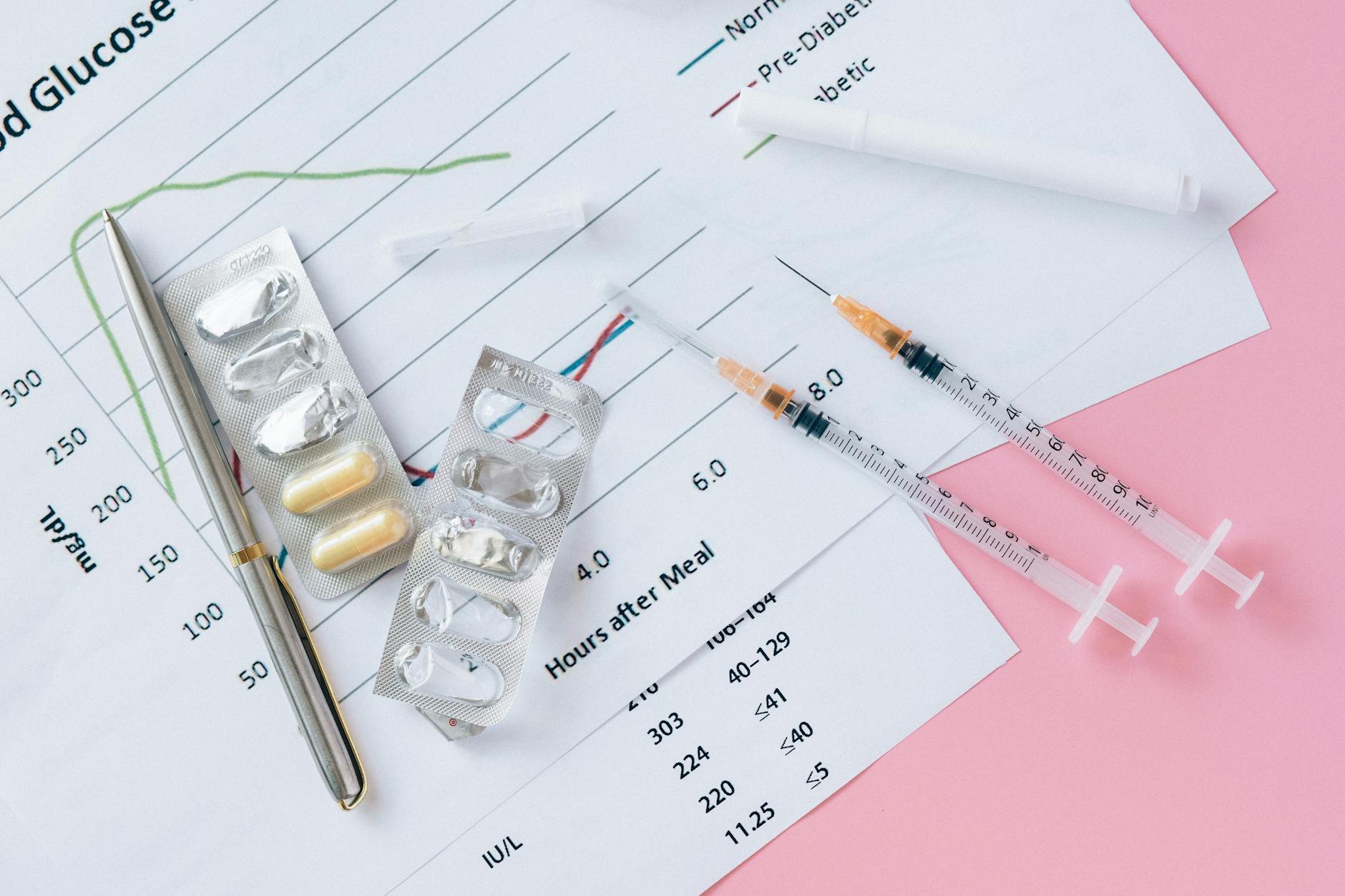
Not all supplements are hype. We review the clinical data on berberine, magnesium, alpha-lipoic acid, vitamin D, chromium, omega-3s, and zinc — and explain which ones deserve a place in your diabetes care plan.
- What Makes a Diabetes Supplement "Work"?
- The Top 7 Evidence-Based Supplements for Blood Sugar Control
- How to Choose a Safe, High-Quality Supplement
- Supplements That Don't Work — and Some That Are Dangerous
- Should You Take a Multivitamin for Diabetes?
- Putting It All Together: A Supplement Strategy That Works
- Frequently Asked Questions
- When to Talk to Your Doctor About Supplements
What Makes a Diabetes Supplement "Work"?
The supplement aisle is crowded with bottles promising to "balance blood sugar" or "support healthy glucose metabolism." But the clinical reality is far narrower. A supplement works for diabetes only when it meets three criteria: (1) it produces a statistically and clinically meaningful reduction in fasting glucose, HbA1c, or postprandial glucose in well-designed human trials; (2) it does so with a low risk of adverse effects or drug interactions; and (3) it addresses a specific deficiency or mechanism relevant to glycemic control.
According to the American Diabetes Association's (ADA) 2025 Standards of Care, no supplement should replace first-line lifestyle therapy or pharmacotherapy such as metformin, GLP-1 receptor agonists, or SGLT2 inhibitors. However, the ADA acknowledges that certain supplements may offer adjunctive benefit when used under medical supervision. The key word is adjunctive — supplements complement, do not substitute for, established care.
A 2024 meta-analysis in Diabetes Care reviewed 78 randomized controlled trials of nutraceuticals in type 2 diabetes. The authors concluded that only a handful of agents — berberine, magnesium, alpha-lipoic acid, vitamin D, chromium picolinate, omega-3 fatty acids, and zinc — had sufficient evidence to recommend as adjunctive therapy in selected patients. That's the core list we will examine.
The Top 7 Evidence-Based Supplements for Blood Sugar Control
Each of the following supplements has been evaluated in at least two meta-analyses of randomized controlled trials (RCTs). We present the typical dose, proposed mechanism, expected benefit, and safety considerations for each.
Berberine — 300–500 mg, 2–3 times daily before meals
Berberine is a plant alkaloid derived from Coptis chinensis and Berberis aristata. It activates AMP-activated protein kinase (AMPK), the same pathway targeted by metformin, improving insulin sensitivity and reducing hepatic glucose production. A 2023 meta-analysis of 36 RCTs (n=3,124) found that berberine lowered fasting glucose by an average of 22 mg/dL and HbA1c by 0.56% compared with placebo — an effect comparable to first-line oral agents. Berberine also improves lipid profiles, reducing LDL cholesterol by ~12 mg/dL.
Dosing: 300–500 mg taken 15–30 minutes before meals, typically 2–3 times daily. Many experts recommend starting with 500 mg once daily and titrating to avoid gastrointestinal side effects.
Magnesium — 200–400 mg elemental magnesium daily
Magnesium is a cofactor for over 300 enzymes involved in glucose metabolism, insulin signaling, and insulin secretion. Epidemiologic data consistently show that lower serum magnesium levels are associated with a higher risk of incident type 2 diabetes and poorer glycemic control. A 2024 meta-analysis of 19 RCTs found that magnesium supplementation (median dose 360 mg/day) reduced fasting glucose by 9.4 mg/dL, HbA1c by 0.31%, and HOMA-IR (insulin resistance) by 0.43 units. The effect was most pronounced in individuals with baseline hypomagnesemia (serum Mg < 1.8 mg/dL).
Dosing: Magnesium glycinate or citrate are preferred forms for bioavailability and GI tolerability. Magnesium oxide is less well-absorbed and more likely to cause diarrhea.
Alpha-Lipoic Acid (ALA) — 300–600 mg daily
Alpha-lipoic acid is a naturally occurring antioxidant that improves insulin-stimulated glucose uptake in skeletal muscle and reduces oxidative stress. A 2023 Cochrane review of 26 RCTs in patients with diabetic peripheral neuropathy found that 600 mg of ALA daily for 12–24 weeks significantly improved neuropathic symptoms (pain, burning, numbness) and modestly improved glycemic parameters (fasting glucose reduction of ~12 mg/dL). The antioxidant effect may also benefit endothelial function and cardiovascular risk markers.
Dosing: 300–600 mg once daily, typically on an empty stomach. The R-isomer (R-ALA) has better bioavailability than the racemic mixture.
Vitamin D — 1,000–4,000 IU daily, depending on baseline status
Vitamin D receptors are present on pancreatic beta cells and insulin-sensitive tissues. Low serum 25-hydroxyvitamin D (25[OH]D) levels are associated with impaired insulin secretion and higher HbA1c. A 2024 individual-patient-data meta-analysis of 22 RCTs (n=3,958) showed that vitamin D supplementation reduced HbA1c by a modest but significant 0.21% in patients with baseline 25(OH)D < 20 ng/mL. No benefit was seen in those with sufficient levels. Vitamin D also reduces inflammation (hs-CRP by ~0.5 mg/L) and may slow progression from prediabetes to diabetes by 15–20% in deficient individuals.
Dosing: 1,000–2,000 IU daily for maintenance; 50,000 IU weekly for 8 weeks for deficiency correction under a physician's guidance.
Chromium Picolinate — 200–400 mcg elemental chromium daily
Chromium enhances the action of insulin by increasing insulin receptor phosphorylation. However, the clinical evidence remains mixed. A 2023 meta-analysis of 24 RCTs found that chromium supplementation reduced fasting glucose by 8.6 mg/dL and HbA1c by 0.23% — a statistically significant but modest effect. The benefit appears greatest in those with low chromium intake or baseline HbA1c > 8.0%. Chromium picolinate is the most studied and best-absorbed form.
Dosing: 200–400 mcg elemental chromium per day, typically in divided doses. Standard commercial products provide 200 mcg per capsule.
Omega-3 Fatty Acids (EPA + DHA) — 1,000–2,000 mg combined EPA/DHA daily
Omega-3s from fish oil reduce inflammation, improve endothelial function, and lower triglycerides. Their effect on glycemic control is indirect but meaningful. A 2024 meta-analysis in Journal of Clinical Endocrinology & Metabolism (28 RCTs) found that omega-3 supplementation reduced fasting glucose by 4.8 mg/dL, HbA1c by 0.14%, and triglycerides by ~25 mg/dL. The ADA recommends at least two servings of fatty fish per week and considers fish oil supplementation (2–4 g/day) as an option for patients with hypertriglyceridemia.
Dosing: 1,000–2,000 mg of combined EPA and DHA per day. Higher doses (3–4 g/day) may be needed for significant triglyceride reduction.
Zinc — 15–30 mg elemental zinc daily
Zinc is essential for insulin synthesis, storage, and secretion from pancreatic beta cells. It also acts as an antioxidant and stabilizes insulin hexamers for prolonged activity. A 2023 meta-analysis of 17 RCTs found that zinc supplementation reduced fasting glucose by 12.2 mg/dL, HbA1c by 0.40%, and HOMA-IR by 0.62 units. Zinc also reduced hs-CRP by 1.2 mg/L, indicating an anti-inflammatory effect. Benefit was most pronounced in patients with type 2 diabetes and baseline zinc deficiency.
Dosing: 15–30 mg elemental zinc daily, ideally as zinc picolinate or zinc gluconate for optimal absorption. Take with food to minimize nausea.
| Supplement | Typical Daily Dose | Expected HbA1c Reduction | Grade of Evidence |
|---|---|---|---|
| Berberine | 300–500 mg 2–3×/day | 0.4–0.6% | High (multiple meta-analyses) |
| Magnesium | 200–400 mg | 0.2–0.3% | High (in deficiency) |
| Alpha-Lipoic Acid | 300–600 mg | 0.1–0.3% | Moderate–High (neuropathy benefit) |
| Vitamin D | 1,000–4,000 IU | 0.1–0.2% (if deficient) | High (if deficient) |
| Chromium Picolinate | 200–400 mcg | 0.1–0.3% | Moderate (modest effect) |
| Omega-3 (EPA/DHA) | 1,000–2,000 mg | ~0.1% | Moderate (triglyceride benefit) |
| Zinc | 15–30 mg | 0.3–0.5% (if deficient) | Moderate–High (if deficient) |
How to Choose a Safe, High-Quality Supplement
The supplement industry is largely self-regulated in the United States, meaning the FDA does not verify safety or efficacy before products reach store shelves. A 2024 analysis by ConsumerLab found that approximately 18% of diabetes-targeted supplements contained either less active ingredient than claimed or undeclared pharmaceutical agents (most commonly metformin or glyburide). These findings underscore the need for careful product selection.
Five Steps to Choosing a Quality Supplement
Berberine, chromium, and ALA can each increase the glucose-lowering effect of sulfonylureas (e.g., glipizide, glyburide), meglitinides (e.g., repaglinide), and insulin, raising the risk of hypoglycemia. If you take any of these medications, your doctor may need to reduce your medication dose when you start a supplement. Always check blood glucose more frequently during the first 2–4 weeks.
Supplements That Don't Work — and Some That Are Dangerous
Not every popular diabetes supplement has evidence behind it. Some have been definitively shown to be ineffective in clinical trials, while others carry genuine safety risks.
Despite widespread marketing, the evidence for cinnamon is weak and inconsistent. A 2024 meta-analysis of 15 RCTs found no significant effect on fasting glucose or HbA1c with cinnamon at doses up to 6 g/day. The small, positive studies were generally short-term and of low quality. Cinnamon is safe as a spice but should not be relied upon for glycemic control.
Bitter melon (Momordica charantia) contains compounds that may have insulin-like effects, but clinical trial results have been disappointing. A 2023 systematic review (7 RCTs) found no significant reduction in HbA1c compared with placebo. High-quality data are lacking, and bitter melon can interact with diabetes medications, increasing hypoglycemia risk.
Fenugreek seeds contain soluble fiber that can modestly blunt postprandial glucose spikes. A 2024 meta-analysis found a small reduction in fasting glucose (~7 mg/dL) and HbA1c (~0.15%) with fenugreek supplementation. However, the effect is primarily due to fiber content, not a pharmacologic mechanism. It may cause GI side effects and has a strong maple-like odor that some find unpalatable.
Some products marketed for diabetes have been linked to serious adverse events or contain hidden pharmaceuticals. Avoid: Dexatrim (contains undeclared sibutramine, a withdrawn weight-loss drug), Biotin megadoses (can interfere with lab tests, causing falsely low troponin or falsely high thyroid hormone levels), any product sold on social media that claims to "cure" diabetes, and any supplement that includes "mystery" ingredients from unregulated international sources.
Should You Take a Multivitamin for Diabetes?
A standard daily multivitamin is unlikely to harm and may help fill nutrient gaps common in type 2 diabetes. Studies show that adults with type 2 diabetes often have lower-than-optimal intakes of vitamin D, magnesium, zinc, and B vitamins (especially B12 in those on metformin). A basic multivitamin that meets the Daily Value (DV) for these nutrients is reasonable and may improve metabolic parameters modestly.
However, there is no strong evidence that a multivitamin alone meaningfully lowers HbA1c or reduces diabetes complications. The large randomized Physicians' Health Study II and the SU.VI.MAX trial both failed to show that multivitamin supplementation reduced cardiovascular events in patients with diabetes. Think of a multivitamin as a safety net for nutrient adequacy, not a therapeutic intervention.
A standard multivitamin is a sensible, low-cost option for covering general nutrient gaps — especially vitamin D, magnesium, zinc, and B12 (if on metformin). But it is not a substitute for the targeted supplements listed above, nor for lifestyle and medication management.
Putting It All Together: A Supplement Strategy That Works
The most effective approach is to test, not guess. Before starting any supplement, request lab work to identify specific deficiencies: serum 25-hydroxyvitamin D, serum magnesium, RBC magnesium (more sensitive than serum), serum zinc, and a fasting metabolic panel that includes glucose, HbA1c, and creatinine. By targeting only the nutrients you actually lack, you avoid unnecessary expense and potential toxicity.
"Supplements are most effective when they correct a demonstrated deficiency. I encourage my patients to get their levels checked before buying a single bottle. That simple step transforms supplement use from guesswork into precision medicine."
— Dr. Elena Rios, Endocrinologist, Yale Diabetes Center (ADA 2025 Clinical Update)
A Sample Adjunctive Supplement Protocol for Type 2 Diabetes
This is an example only. Your personal protocol must be developed with your healthcare team. For a patient with type 2 diabetes, moderate glycemic control (HbA1c 7.2%), and no significant kidney disease, a clinician might consider:
Magnesium glycinate 200 mg
Vitamin D3 2,000 IU
Omega-3 1,000 mg EPA/DHA
Zinc picolinate 15 mg
Total: 4 capsules
Alpha-Lipoic Acid (R-ALA) 300 mg
Magnesium glycinate 200 mg (if splitting dose)
Total: 2–3 capsules
This regimen targets multiple pathways: insulin sensitivity (berberine, magnesium), antioxidant defense (ALA, zinc, berberine), inflammation (omega-3s, vitamin D), and insulin secretion (zinc, vitamin D). The expected cumulative HbA1c reduction from a well-designed multi-supplement protocol is approximately 0.4–0.7% over 12–16 weeks, which is meaningful as an additive to lifestyle and medication therapy.
Frequently Asked Questions About Diabetes Supplements
Can supplements replace my diabetes medication?
No. There is no supplement that has been proven to replace metformin, GLP-1 receptor agonists, SGLT2 inhibitors, insulin, or any other diabetes medication. The ADA and FDA both emphasize that supplements should be used only as adjunctive therapy. Discontinuing prescribed medication in favor of supplements can lead to dangerous hyperglycemia, diabetic ketoacidosis, and long-term complications.
How long before I see results from a supplement?
Most supplements require 8–16 weeks of consistent use to achieve a measurable effect on HbA1c. Fasting glucose changes may be observable within 2–4 weeks. Do not judge efficacy before 3 months. Keep a log of daily glucose readings to track trends with your doctor.
Are supplements safe during pregnancy with gestational diabetes?
Most diabetes-focused supplements have not been adequately studied in pregnancy. Berberine is contraindicated (may stimulate uterine contractions). High-dose vitamin D and zinc should be used only under obstetric guidance. The safest approach is to obtain nutrients from food and take only a standard prenatal vitamin. Always consult your obstetrician or maternal-fetal medicine specialist before any supplement.
Can I take all seven supplements at once?
In principle, yes — many patients with type 2 diabetes take berberine, magnesium, vitamin D, omega-3s, and zinc together. However, adding everything at once makes it impossible to know which supplement is responsible for which effect. We recommend introducing one new supplement every 2 weeks and monitoring your glucose response. This titration approach also minimizes the risk of side effects.
Do I need to take supplements if my HbA1c is already well controlled?
If your HbA1c is consistently below 7.0% (53 mmol/mol) on lifestyle and medication, the incremental benefit of supplements is small. However, if you have a documented deficiency (low vitamin D, low magnesium, etc.), correction may still improve energy, reduce neuropathy symptoms, or lower cardiovascular risk. Target specific deficiencies rather than using supplements as a blanket approach.
When to Talk to Your Doctor About Supplements
You should have a medication review with your healthcare provider before starting any supplement, especially if you take any of the following: insulin, sulfonylureas (glipizide, glyburide, glimepiride), meglitinides (repaglinide), warfarin or other anticoagulants, or SGLT2 inhibitors (dapagliflozin, empagliflozin) — because some supplements can increase the risk of hypoglycemia, bleeding, or euglycemic diabetic ketoacidosis.
Medical Disclaimer: This article is for informational purposes only and does not constitute medical advice. Always consult a qualified healthcare provider before making changes to your treatment, diet, or lifestyle. Supplement recommendations should be individualized based on your specific clinical profile, lab values, and medication list. Never discontinue prescribed diabetes medications without your doctor's guidance.