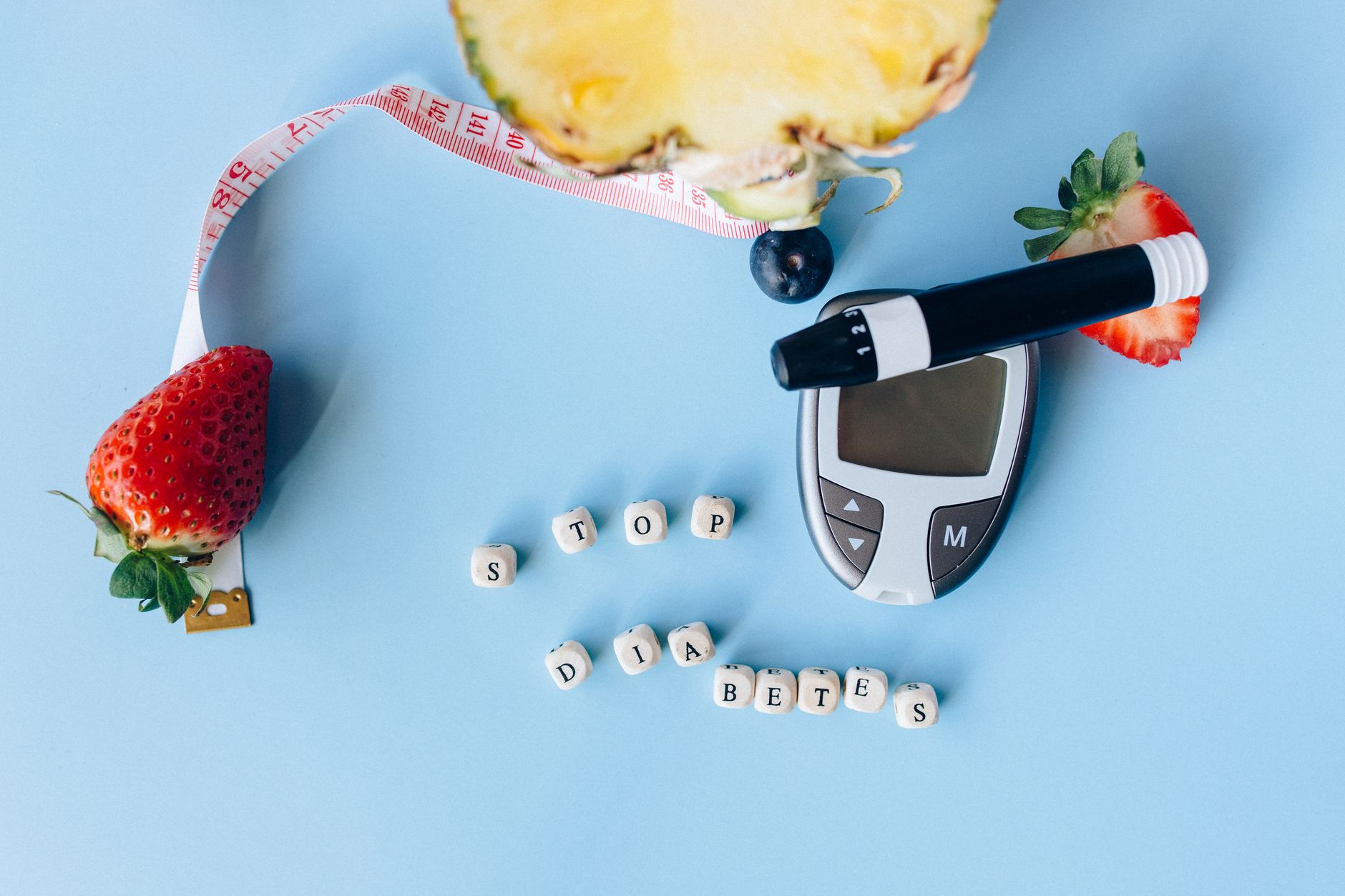
A growing body of evidence shows that people with diabetes are at higher risk for certain vitamin and mineral deficiencies — and that correcting them can improve glycemic control, reduce complications, and support overall well‑being. We review the top vitamins and supplements, recommended doses, and clinically important safety considerations.
- Why People With Diabetes Need More Vitamins
- Vitamin D: Insulin Sensitivity and Immune Support
- B‑Complex Vitamins (B12, Folate, B6) — Nerve Health & Energy
- Magnesium: A Key Mineral for Glucose Metabolism
- Chromium and Its Role in Insulin Action
- Alpha‑Lipoic Acid and Other Antioxidants
- Should You Take a Diabetes‑Specific Multivitamin?
- Safety: Interactions With Metformin and Other Drugs
- Frequently Asked Questions
Why People With Diabetes Need More Vitamins
Diabetes places increased nutritional demands on the body. Chronic hyperglycemia leads to higher oxidative stress, increased urinary losses of water‑soluble vitamins, and alterations in how nutrients are absorbed and utilized. The 2023 American Diabetes Association (ADA) Standards of Care emphasize that people with diabetes are often deficient in several key micronutrients — and that routine screening for deficiencies is prudent, especially in those taking metformin or with long‑standing disease.
A “vitamin deficiency” in diabetes is defined as serum levels below the normal reference range for that nutrient. Subclinical deficiencies — levels slightly above the threshold but still inadequate for optimal metabolic function — are even more common and can still harm blood‑sugar regulation and nerve health.
Vitamin D: The Sunshine Vitamin and Insulin Sensitivity
Vitamin D is far more than a bone‑health nutrient. Receptors for vitamin D are present on pancreatic beta cells, immune cells, and muscle tissue. Adequate vitamin D levels are associated with improved insulin secretion, reduced insulin resistance, and lower markers of inflammation. A meta‑analysis of 28 randomized controlled trials (2020) found that vitamin D supplementation significantly reduced fasting glucose and HbA1c in people with type 2 diabetes, especially those with baseline deficiency.
What doses are recommended?
- General maintenance: 600–800 IU/day for adults (IOM guidelines), but many experts recommend 1,000–2,000 IU/day for diabetics.
- Correction of deficiency: 50,000 IU once weekly for 8 weeks, followed by a maintenance dose (under medical supervision).
Vitamin D is fat‑soluble and can accumulate. Do not exceed 4,000 IU/day without checking your 25‑hydroxy vitamin D level. Toxicity is rare but can cause hypercalcemia, kidney stones, and arrhythmias.
B‑Complex Vitamins (B12, Folate, B6) — Nerve Health & Energy
The B vitamins are essential for energy metabolism, red blood cell formation, and — critically — nerve function. Diabetes and its treatments can deplete these nutrients.
Metformin lowers B12 absorption by altering calcium‑dependent uptake in the terminal ileum. Deficiency causes peripheral neuropathy mimicking diabetic neuropathy. A 2022 study in Diabetes Care showed that 30% of metformin users have low B12. Routine screening is recommended by the ADA.
Both are needed to lower homocysteine, a risk factor for cardiovascular disease in diabetes. Folate also supports red blood cell production. Low B6 is associated with higher HbA1c levels in observational studies.
If you take metformin, ask your doctor to check your vitamin B12 level at least annually. A high‑dose B12 supplement (1,000–2,000 mcg/day of methylcobalamin) may be needed.
Magnesium: A Key Mineral for Glucose Metabolism
Magnesium is a cofactor for over 300 enzymes, including those involved in glucose transport and insulin signaling. Low magnesium levels are strongly linked to insulin resistance and type 2 diabetes. The DASH diet and other high‑magnesium eating patterns are associated with better glycemic control.
| Nutrient | Daily Recommended Intake (Adults) | Food Sources | Supplement Form |
|---|---|---|---|
| Magnesium | 320–420 mg | Spinach, almonds, pumpkin seeds, black beans | Magnesium glycinate (highly absorbable) |
| Zinc | 8–11 mg | Oysters, beef, chickpeas | Zinc picolinate |
| Vitamin C | 75–90 mg | Citrus, bell peppers, broccoli | Ascorbic acid, liposomal C |
A 2021 systematic review in BMC Endocrine Disorders found that magnesium supplementation (300–400 mg/day) reduced fasting glucose by approximately 9 mg/dL and improved HbA1c by 0.13% on average.
If you have impaired renal function (eGFR <30 mL/min), magnesium supplements can accumulate to dangerous levels. Always consult your nephrologist before supplementing.
Chromium and Its Role in Insulin Action
Chromium, especially as chromium picolinate, is one of the most studied supplements for diabetes. The mineral enhances the activity of insulin by binding to a low‑molecular‑weight chromium‑binding substance (chromodulin) that activates the insulin receptor. However, the evidence is mixed: a 2024 Cochrane review concluded that chromium supplementation produces small reductions in fasting glucose (10–15 mg/dL) and HbA1c (0.2–0.3%) but only in populations with low baseline chromium intake. Routine use is not recommended by the ADA.
“Chromium supplementation may benefit individuals with chromium deficiency, but universal supplementation is not justified by current evidence.”
— American Diabetes Association, 2025 Standards of Care
Typical dosing
- 200–1,000 mcg/day of chromium picolinate (often paired with biotin).
- Higher doses (>1,000 mcg) may cause gastrointestinal upset or skin reactions. Do not exceed without medical supervision.
Alpha‑Lipoic Acid and Other Antioxidants
Alpha‑lipoic acid (ALA) is a powerful antioxidant that improves insulin sensitivity and reduces oxidative stress. It is also used therapeutically to alleviate diabetic neuropathy symptoms. The 2022 ADA neuropathy guidelines note that ALA (600 mg/day orally) may reduce pain and improve nerve conduction velocity.
Vitamin C — an essential cofactor for collagen synthesis and immune function. A 2023 meta-analysis showed that vitamin C supplementation (≥500 mg/day) modestly lowered HbA1c in type 2 diabetes. Best obtained from food, but supplements are safe up to 1,000 mg/day.
Vitamin E — mixed evidence. High doses may increase all‑cause mortality in certain populations (especially those with cardiovascular disease). The ADA advises against routine vitamin E supplementation.
Zinc — plays a role in insulin storage and release. Many people with diabetes have low zinc levels. Supplementation (15–30 mg/day) may improve glycemic control, but long‑term high doses can cause copper deficiency.
Should You Take a Diabetes‑Specific Multivitamin?
Many brands market “diabetes multivitamins” that include extra chromium, magnesium, zinc, and B vitamins. These can be convenient for covering common deficiencies, but they should not replace a healthy diet. The key is to choose a product that provides 100% of the Daily Value for most nutrients without exceeding tolerable upper intake levels. Avoid formulas with added sugar or herbal ingredients that may interact with medications (e.g., ginseng, bitter melon).
Safety: Interactions With Metformin and Other Diabetes Drugs
- Metformin + B12 deficiency: Already discussed — monitor B12 and supplement if low.
- Insulin/sulfonylureas + any supplement that lowers blood sugar: Supplements like chromium, magnesium, and ALA can add to the hypoglycemic effect of medications. Monitor blood glucose closely when starting them.
- Warfarin + vitamin K: If you’re on blood thinners, avoid large fluctuations in vitamin K intake (found in green leafy vegetables). Do not take high‑dose vitamin K supplements without a doctor.
- Fish oil (omega‑3s): High doses (>3 g/day) may increase anticoagulation risk. Stick to 1–2 g/day if you take antiplatelet therapy.
Always inform your healthcare provider about any supplements you take — including vitamins, minerals, and herbal products. The FDA does not regulate supplements for safety or effectiveness the way it does prescription drugs.
Frequently Asked Questions About Vitamins and Diabetes
Can vitamins replace diabetes medications?
No. Vitamins are adjunctive — they help optimize your body’s function but do not lower blood sugar enough to replace metformin, insulin, or other glucose‑lowering drugs. Never stop your prescribed medications without your doctor’s guidance.
Which vitamin deficiency is most common in diabetics?
Vitamin D deficiency is the most prevalent overall. Among metformin users, vitamin B12 deficiency is extremely common. Magnesium insufficiency also affects nearly half of adults with type 2 diabetes.
Are there any vitamins that raise blood sugar?
Most vitamins do not directly raise blood sugar. However, niacin (vitamin B3) in high doses (≥500 mg/day) can cause insulin resistance and worsen glycemic control. Extended‑release niacin is sometimes used for cholesterol management but should be monitored closely in diabetes.
Can I get enough vitamins from food alone?
Many people can — especially if they follow a nutrient‑dense diet like the Mediterranean or DASH diet. However, those with long‑standing diabetes, kidney disease, or malabsorption may still need supplements. A registered dietitian can help you optimize your eating pattern.
Wrong. High doses of B6 (pyridoxine) above 200 mg/day can cause nerve toxicity. High doses of vitamin E may increase bleeding risk. Always stick to doses within the safe range unless a doctor prescribes a higher amount for a known deficiency.
The effect is modest — some studies show a small reduction, others show no benefit. It is not a substitute for lifestyle measures or medications. Chromium may help those with true deficiency but is not universally effective.