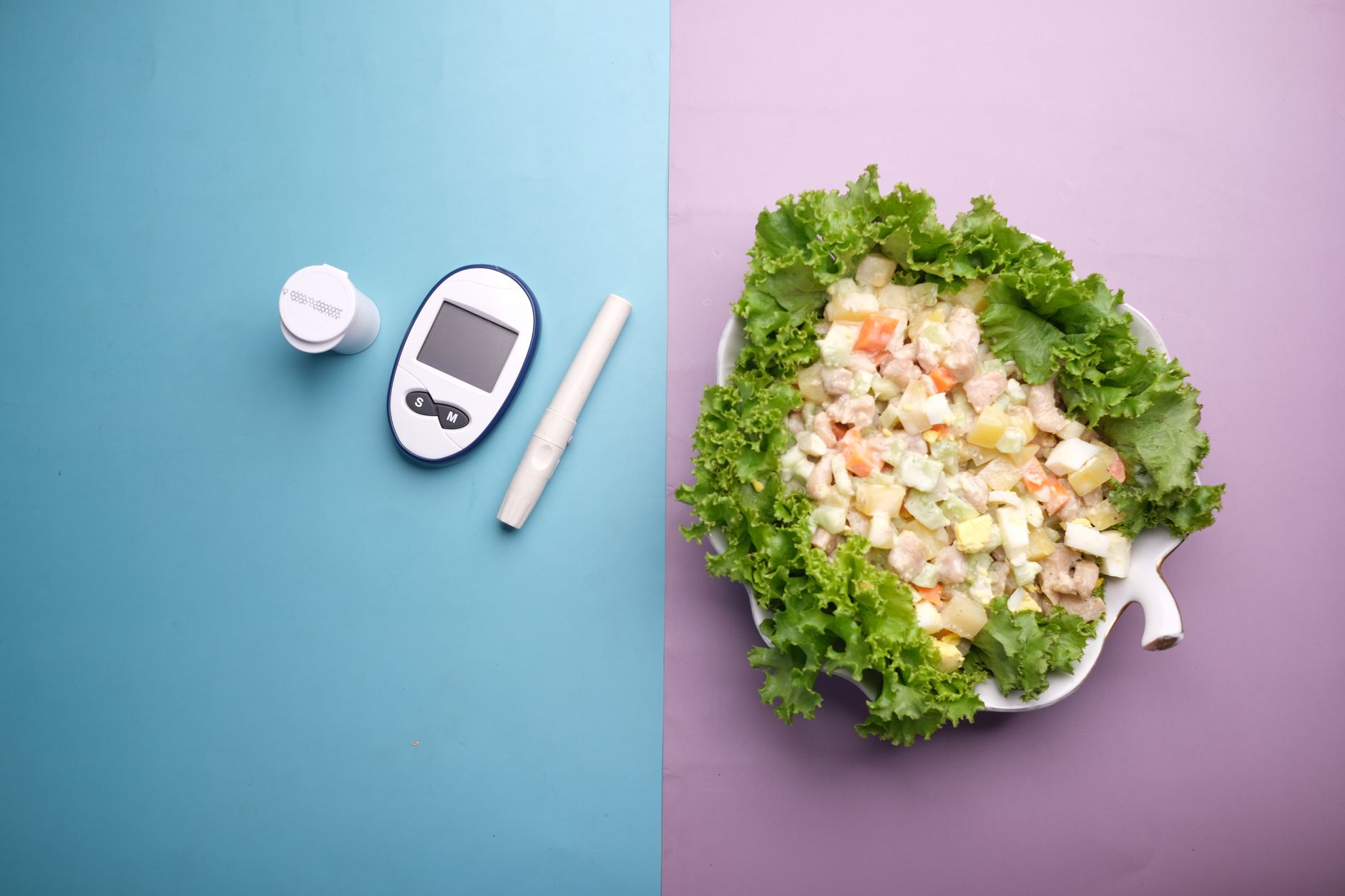
Rice is a staple for billions of people worldwide, but its carbohydrate density raises legitimate questions for anyone managing diabetes. The short answer is yes — but the type, portion, and preparation method determine whether that bowl of rice helps or harms your glucose control.
Yes, most people with diabetes can eat rice — but the type matters significantly. White rice has a high glycemic index (GI) around 70–80 and can spike blood glucose quickly if eaten in standard portions. Choosing lower-GI varieties such as basmati, brown rice, parboiled rice, or black rice, keeping portions to about ½ cup cooked (15 grams of carbohydrate per serving), and pairing rice with protein, fiber, and healthy fat are evidence-based strategies that allow rice to fit into a diabetes meal plan without destabilizing glucose control.
- Why This Question Matters for Blood Sugar Control
- How Rice Affects Blood Sugar: The Glycemic Impact
- Types of Rice: A Glycemic Comparison
- Practical Strategies for Including Rice in a Diabetes Diet
- The Plate Method and Portion Guidance
- When Rice Becomes Problematic: Warning Signs
- Frequently Asked Questions
Why This Question Matters for Blood Sugar Control
Rice is the primary carbohydrate source for more than half the global population. In the United States alone, the average person consumes roughly 27 pounds of rice per year, and that number is climbing as dietary patterns shift toward more global cuisines[1]. For someone with diabetes, every carbohydrate source requires evaluation — not because any food is strictly "off limits," but because the body's ability to regulate glucose after a carb-heavy meal is impaired.
The American Diabetes Association (ADA) does not prohibit any specific food for people with diabetes. Instead, the ADA Standards of Care emphasize carbohydrate consistency, portion awareness, and the quality of carbohydrate sources[2]. This means rice is not banned — but it does demand more attention than, say, non-starchy vegetables or legumes with similar calorie counts but substantially less glycemic impact.
What makes rice particularly worth examining is its sheer consumption volume. A typical restaurant serving of white rice can exceed 1.5 cups — delivering over 70 grams of carbohydrate in a single sitting. For context, many diabetes meal plans aim for 45–60 grams of carbohydrate per meal[2]. A single serving of rice can consume an entire meal's carbohydrate budget before you add any vegetables, protein, or sauce.
"Rice is pure starch — diabetics should avoid it entirely." This is not accurate. The ADA and nutrition guidelines worldwide classify rice as an acceptable carbohydrate source when managed through portion control and variety selection. The problem is rarely the rice itself; it is the portion size, the lack of accompanying nutrients that slow glucose absorption, and the frequency of consumption.
How Rice Affects Blood Sugar: The Glycemic Impact
The glycemic index (GI) measures how quickly a carbohydrate-containing food raises blood glucose. White rice typically falls in the high-GI range (70–80 on the glucose scale), meaning it is digested and absorbed rapidly. Brown rice, which retains its bran and germ, has a moderate GI of approximately 55–65 because the fiber slows enzymatic digestion.
But GI alone does not tell the whole story. Glycemic load (GL) — which accounts for both the GI and the actual amount of carbohydrate in a serving — provides a more realistic picture. A ½-cup serving of cooked white rice has a GL of roughly 15–20, which is considered moderate. A full one-cup serving doubles that number, pushing it into the high-GL range.
The difference between a manageable glucose response and a troublesome spike often comes down to whether rice is eaten alone or as part of a balanced plate.
— ADA Nutrition Therapy Consensus Report principles
Several factors influence how rice affects an individual's post-meal glucose:
- Fiber content: Brown, black, and red rice retain the bran layer, which slows carbohydrate absorption and blunts the glucose peak.
- Amylose-to-amylopectin ratio: Long-grain varieties such as basmati and jasmine have higher amylose content, which slows digestion compared to short-grain sticky rice that is higher in amylopectin.
- Preparation and cooling: Cooking rice and then cooling it overnight increases resistant starch formation. Reheating cooled rice further concentrates this effect, reducing the glycemic impact by 20–30%.
- Accompanying foods: Eating rice alongside protein (chicken, tofu, fish), healthy fat (avocado, olive oil), and fiber (vegetables, legumes) significantly reduces the rate of glucose appearance in the bloodstream.
Types of Rice: A Glycemic Comparison
Not all rice is metabolized the same way. The table below summarizes the glycemic index, carbohydrate content, and key features of common rice varieties.
| Rice Variety | Glycemic Index (GI) | Carbs per ½ cup cooked | Key Feature |
|---|---|---|---|
| White jasmine rice | 75–85 (high) | 22–26 g | Low fiber, rapid absorption |
| White basmati rice | 55–65 (moderate) | 20–24 g | Higher amylose, slower digestion |
| Brown rice (long-grain) | 55–60 (moderate) | 22–24 g | Retains bran; 2–3 g fiber per serving |
| Parboiled (converted) rice | 50–58 (moderate) | 20–22 g | Steam-processed; retains some nutrients |
| Black rice (forbidden rice) | 42–50 (low-moderate) | 18–20 g | High in anthocyanins and fiber |
| Red rice | 50–55 (moderate) | 20–22 g | Rich in antioxidants; intact bran layer |
| Wild rice (actually a grass) | 45–50 (low-moderate) | 16–18 g | Higher protein and fiber per serving |
The takeaway is clear: swapping white jasmine or short-grain sticky rice for basmati, parboiled, brown, or specialty rices can reduce the glycemic load of a meal by 25–40% without changing the portion size. Black and wild rice offer additional antioxidant benefits, though they are less commonly available in restaurants.
Practical Strategies for Including Rice in a Diabetes Diet
Rather than eliminating rice, the goal is to integrate it intelligently. These five strategies come directly from diabetes nutrition principles and have been tested in both clinical and real-world settings.
A patient with type 2 diabetes who loves stir-fry can absolutely include it in their meal plan. A well-constructed stir-fry plate: ½ cup cooked brown basmati rice (22 g carbs), 4 oz grilled chicken (0 g carbs), 1.5 cups mixed bell peppers, broccoli, and snap peas (10 g carbs), and 1 tbsp sesame oil (0 g carbs). Total: ~32 g carbohydrate. Blood glucose rise at one hour: 30–50 mg/dL above baseline — a safe and expected post-meal change.
The Plate Method and Portion Guidance
The ADA's "Create Your Plate" method is one of the simplest and most widely taught tools for carbohydrate management. It does not require counting every gram — instead, it uses visual proportions to balance a meal.
Patients who use the plate method consistently report better post-meal glucose readings and less anxiety about food choices, according to behavioral nutrition data cited in the ADA Standards of Care[2].
When Rice Becomes Problematic: Warning Signs
Even with the best strategies, some situations warrant extra caution. The following signs suggest that rice — or the way it is currently being consumed — is causing persistent glucose dysregulation and may need to be adjusted or temporarily eliminated.
If any of these patterns apply, consider a two-week trial of replacing rice with cauliflower rice, shirataki rice, or extra vegetables while keeping the rest of the meal unchanged. Check your glucose readings before and one hour after meals to see if the elimination makes a measurable difference.
Frequently Asked Questions About Rice and Diabetes
Is brown rice really that much better than white rice for diabetes?
Yes, for most people. Brown rice has a GI of about 55–60 compared to white rice's 70–80, and it provides 2–3 grams of fiber per serving versus less than 0.5 grams in white rice. The fiber slows carbohydrate absorption, leading to a lower and more gradual rise in blood glucose. However, brown rice still contains roughly the same total carbohydrate per serving — so portion control remains essential. Some individuals with gastroparesis or digestive issues may tolerate white rice better, but for glycemic outcomes, brown rice is generally superior.
Can I eat rice if I have type 1 diabetes?
Yes, but it requires careful bolus insulin timing. Because white rice is rapidly digested, it can cause a sharp glucose rise within 30–45 minutes of eating. People with type 1 diabetes who eat rice often benefit from pre-bolusing (giving insulin 10–15 minutes before the meal) and choosing lower-GI varieties to make insulin dosing more predictable. Continuous glucose monitor (CGM) data can help identify individual patterns and guide adjustments.
How much rice can a diabetic eat at one meal?
A safe starting point is ½ cup of cooked rice, which provides 15–22 grams of carbohydrate depending on the variety. This typically fits within the 45–60 grams of carbohydrate per meal recommended for many adults with diabetes. Some individuals may tolerate up to ¾ cup, particularly if they are physically active or have well-controlled glucose levels. Testing your blood glucose one to two hours after eating rice at different portions can help you find your personal threshold.
Does cooling rice really lower its glycemic effect?
Yes, this is supported by research on resistant starch. When rice is cooked and then cooled to room temperature or refrigerated, some of the digestible starch converts to resistant starch — a form that resists digestion in the small intestine and behaves more like a fiber. Cooling rice for 12–24 hours can reduce the glycemic response by 20–30%. Reheating the cooled rice does not reverse this effect, so making rice ahead of time and reheating individual portions is a practical strategy.
Is rice worse than pasta or bread for blood sugar?
White rice typically has a higher glycemic index than most pasta and many types of bread. Al dente pasta has a GI of about 45–55, whole-grain bread about 50–60, and white bread about 65–75. So gram-for-gram, rice tends to cause a faster glucose rise than pasta, especially if the pasta is cooked al dente. However, portion sizes matter more than the specific food — a large serving of whole-grain pasta can spike glucose more than a small serving of white rice. The key is consistency in carbohydrate intake and pairing with protein and fat regardless of the starch source.
Can I eat rice every day if I have diabetes?
It depends on your overall carbohydrate management and glucose control. Eating rice daily is certainly possible if portions are controlled (½ cup per meal), the variety is lower-GI (basmati, brown, parboiled, black), and the rest of the day's carbohydrate sources are accounted for. However, relying on rice as the primary daily starch can make it harder to achieve tight glucose targets compared to rotating in legumes, quinoa, or other lower-GI grains. If your A1C is at goal and your post-meal readings are stable, daily rice consumption is not inherently problematic.
- Rice is not forbidden for people with diabetes, but variety selection and portion size are critical — ½ cup cooked is the standard serving.
- Lower-GI rice varieties (basmati, brown, parboiled, black, wild) produce smaller glucose excursions than jasmine, short-grain white, or sticky rice.
- The "cool and reheat" method increases resistant starch and reduces the glycemic impact of any rice type by 20–30%.
- Pairing rice with protein, fiber, and fat using the ADA Plate Method (rice = one-quarter of the plate) prevents sharp post-meal spikes.
- Individual tolerance varies — testing blood glucose one to two hours after eating rice at different portions provides personal data for fine-tuning.
- USDA Economic Research Service — Rice Sector at a Glance, 2024. Available at: https://www.ers.usda.gov/topics/crops/rice/
- American Diabetes Association — Standards of Care in Diabetes—2025. Diabetes Care 2025;48(Suppl 1):S1–S306. Available at: https://diabetes.org/diabetescare