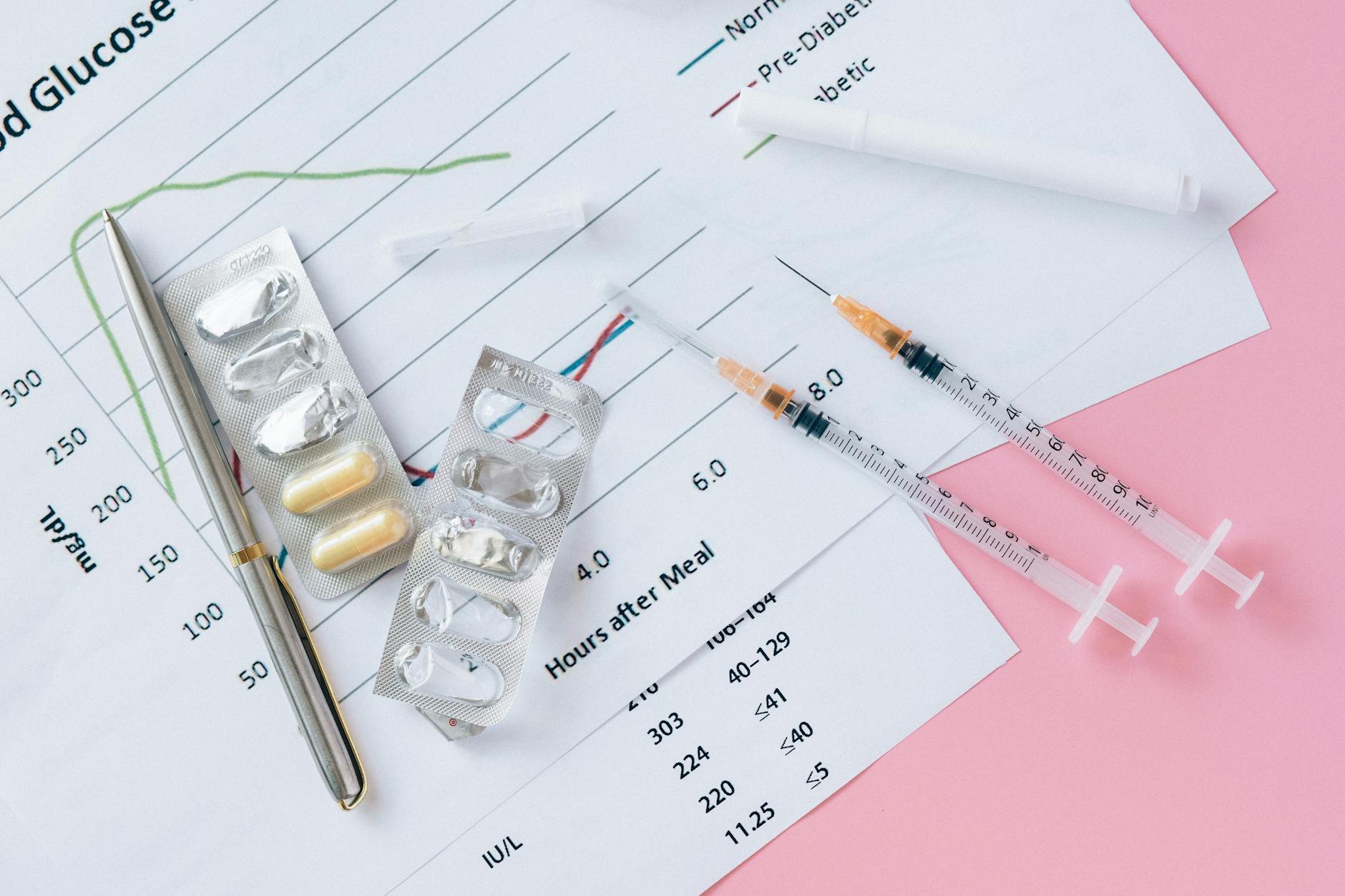
More than 37 million Americans have diabetes, and nearly 1 in 3 adults have prediabetes — yet most cannot interpret their own lab results. This guide breaks down every major diabetes blood test, explains the reference ranges used by the ADA and WHO, and walks you through what to do after you get your numbers.
- What Are Diabetes Blood Tests and Why They Matter
- The Four Core Diabetes Blood Tests Explained
- Reference Ranges: Normal, Prediabetes, and Diabetes
- How to Interpret Your HbA1c Results
- Additional Tests: Insulin, C-Peptide, GAD Antibodies, and Urine Tests
- Factors That Can Skew Your Results
- What Your Results Mean for Treatment and Next Steps
- Common Myths About Diabetes Blood Tests
- Frequently Asked Questions
What Are Diabetes Blood Tests and Why They Matter
Diabetes blood tests measure the concentration of glucose — or the long-term effects of elevated glucose — in your bloodstream. They are the cornerstone of diagnosing diabetes mellitus, identifying prediabetes, and monitoring glycemic control in people already diagnosed. Without these tests, diabetes often goes undetected until complications arise.
The American Diabetes Association (ADA) recommends that adults aged 35 and older receive screening at least every three years, and earlier or more frequently if risk factors such as obesity, family history, or hypertension are present. In 2026, updated ADA Standards of Care continue to emphasize early detection using four primary tests: fasting plasma glucose (FPG), hemoglobin A1c (HbA1c), the oral glucose tolerance test (OGTT), and random plasma glucose (RPG).
Understanding your blood test results empowers you to take action early. Prediabetes is reversible with lifestyle intervention; delaying diagnosis by even one year increases the risk of microvascular complications by an estimated 20%. This guide will help you read your lab report with confidence, ask informed questions at your next appointment, and understand exactly where you stand metabolically.
The Four Core Diabetes Blood Tests Explained
Each diabetes blood test provides a different window into your glucose metabolism. Some capture a snapshot in time, while others reflect your average levels over weeks or months. Below is what each test measures, how it is performed, and when it is typically used.
What it measures: Blood glucose after at least 8 hours of fasting.
Procedure: Single venipuncture after no caloric intake.
Used for: Initial screening, diagnosis, and monitoring fasting hyperglycemia.
What it measures: Average blood glucose over the past 2–3 months.
Procedure: Single blood draw; no fasting required.
Used for: Diagnosis, monitoring treatment efficacy, and predicting complication risk.
What it measures: Glucose response after a 75-gram glucose load.
Procedure: Fasting draw, then drink glucose, then 2-hour draw.
Used for: Gestational diabetes screening and diagnostic confirmation.
What it measures: Blood glucose at any time, regardless of meals.
Procedure: Single venipuncture, no preparation needed.
Used for: Emergency screening when hyperglycemia symptoms are present.
The ADA defines diabetes as a fasting plasma glucose ≥ 126 mg/dL, an HbA1c ≥ 6.5%, a 2-hour OGTT value ≥ 200 mg/dL, or a random glucose ≥ 200 mg/dL with classic symptoms of hyperglycemia. These thresholds are based on the risk of retinopathy in longitudinal studies, including the Diabetes Control and Complications Trial (DCCT) and the UK Prospective Diabetes Study (UKPDS).
Reference Ranges: Normal, Prediabetes, and Diabetes
Laboratory reference ranges are standardized by the ADA and the World Health Organization (WHO) and are consistent across accredited US labs. However, subtle variations may exist depending on assay method and population. The table below provides the definitive cutoffs used in clinical practice as of 2026.
| Test | Normal | Prediabetes | Diabetes |
|---|---|---|---|
| Fasting Plasma Glucose (FPG) | < 100 mg/dL | 100–125 mg/dL (impaired fasting glucose) | ≥ 126 mg/dL (confirmed on two occasions) |
| Hemoglobin A1c (HbA1c) | < 5.7% | 5.7%–6.4% | ≥ 6.5% (confirmed on two occasions) |
| OGTT (2-hour) | < 140 mg/dL | 140–199 mg/dL (impaired glucose tolerance) | ≥ 200 mg/dL |
| Random Plasma Glucose (RPG) | < 140 mg/dL (typically) | 140–199 mg/dL (non-diagnostic) | ≥ 200 mg/dL with hyperglycemia symptoms |
A single abnormal result is rarely sufficient for a diabetes diagnosis unless accompanied by clear hyperglycemic symptoms (polydipsia, polyuria, unexplained weight loss). The ADA recommends repeat testing on a separate day for confirmation. For HbA1c, conditions like anemia, hemoglobinopathies, and chronic kidney disease can produce falsely elevated or depressed values. In such cases, a fructosamine test or continuous glucose monitoring may be used instead.
How to Interpret Your HbA1c Results
Hemoglobin A1c — or simply A1c — reflects the percentage of glycated hemoglobin in your red blood cells. Since red blood cells circulate for approximately 90–120 days, the A1c provides a weighted average of your blood glucose levels over the preceding 2–3 months. A higher percentage means more glucose has been attached to hemoglobin, indicating poorer long-term control.
What does an HbA1c of 5.7% to 6.4% mean?
This range defines prediabetes. Based on the 2025–2026 ADA Standards of Care, individuals in this range have a 5–15% annual risk of progressing to type 2 diabetes without intervention. The Diabetes Prevention Program (DPP) demonstrated that lifestyle modification — specifically 7% weight loss and 150 minutes per week of moderate physical activity — reduced progression by 58%, and metformin reduced progression by 31%.
What does an HbA1c of 6.5% or higher mean?
An A1c ≥ 6.5% on two separate tests confirms a diagnosis of diabetes. The goal for most nonpregnant adults with diabetes is an A1c < 7.0%, as established by the ADA and endorsed by the American Association of Clinical Endocrinology (AACE). However, targets are individualized: older adults with multiple comorbidities may aim for < 8.0%, while younger patients with newly diagnosed diabetes may aim for < 6.5% using the "tight control" approach, provided hypoglycemia risk is low.
"Every 1% reduction in HbA1c is associated with a 37% reduction in microvascular complications and a 14% reduction in myocardial infarction."
— UK Prospective Diabetes Study (UKPDS), 1998; confirmed in long-term follow-up through 2023
How does A1c correspond to estimated average glucose (eAG)?
Many labs now report an estimated average glucose (eAG) alongside your A1c percentage. The formula is derived from the ADAG study (A1c-Derived Average Glucose):
eAG (mg/dL) = 28.7 × A1c – 46.7
Examples: A1c 6% → eAG ~126 mg/dL · A1c 7% → eAG ~154 mg/dL · A1c 8% → eAG ~183 mg/dL · A1c 9% → eAG ~212 mg/dL · A1c 10% → eAG ~240 mg/dL
Additional Tests: Insulin, C-Peptide, GAD Antibodies, and Urine Tests
Beyond the four core tests, your provider may order specialized assays to determine the type of diabetes, assess beta-cell function, or screen for early kidney damage. These tests are particularly valuable when the diagnosis is ambiguous — for example, distinguishing between type 1 and type 2 diabetes in adults.
C-Peptide — measures endogenous insulin production
C-peptide is a by-product of insulin synthesis and indicates how much insulin your pancreas is producing. A low C-peptide with high glucose suggests type 1 diabetes or long-standing type 2 with beta-cell failure. A high C-peptide with high glucose indicates insulin resistance, typical of type 2 diabetes. Normal fasting C-peptide ranges from 0.5–2.0 ng/mL (values vary by lab). This test is also used to monitor residual beta-cell function and to detect factitious hypoglycemia from exogenous insulin use.
GAD Antibodies and Islet Autoantibodies — confirm autoimmune diabetes
Glutamic acid decarboxylase antibodies (GADA) are present in approximately 70–80% of individuals with newly diagnosed type 1 diabetes. Additional autoantibodies — IA-2, insulin autoantibodies (IAA), and zinc transporter 8 (ZnT8) — are frequently measured in a panel. The presence of two or more autoantibodies confirms autoimmune diabetes, even in adults (latent autoimmune diabetes in adults, or LADA). These tests do not require fasting and are performed on a single blood sample.
Urine Microalbumin-to-Creatinine Ratio (UACR) — detects early diabetic kidney disease
The UACR measures albumin leakage into urine, an early sign of diabetic nephropathy. A value of 30–300 mg/g creatinine indicates moderately increased albuminuria (formerly "microalbuminuria"). Values above 300 mg/g indicate severely increased albuminuria. The ADA recommends annual UACR screening starting at diagnosis for type 2 diabetes and 5 years after diagnosis for type 1 diabetes. Early detection allows for interventions — specifically ACE inhibitors or ARBs — that slow progression to end-stage kidney disease.
Factors That Can Skew Your Results
Diabetes blood tests are highly standardized, but several biological and pre-analytical factors can produce misleading values. Awareness of these factors can prevent misdiagnosis and unnecessary treatment changes.
Fasting glucose alone misses approximately 30% of diabetes cases. Isolated postprandial hyperglycemia — where fasting glucose is normal but glucose spikes after meals — is common in early type 2 diabetes. This is why the OGTT and HbA1c provide complementary information. A normal fasting glucose does not rule out impaired glucose tolerance.
Biological and pre-analytical variables
- Fasting status: FPG requires ≥ 8 hours of no caloric intake. Even black coffee with cream or sugar-free gum can effect glucose metabolism in sensitive individuals.
- Illness and stress: Acute infections, surgery, trauma, and psychological stress elevate cortisol and catecholamines, raising glucose by 20–50 mg/dL. HbA1c is not affected acutely.
- Anemia and hemoglobinopathies: Conditions like sickle cell trait, thalassemia, and iron-deficiency anemia alter red blood cell lifespan and can falsely lower or raise HbA1c. In these cases, use fructosamine or glycated albumin.
- Medications: Corticosteroids, certain diuretics (thiazides), beta-blockers, and some antipsychotics (olanzapine, clozapine) can raise glucose. Metformin, SGLT2 inhibitors, and GLP-1 agonists lower it.
- Lab technique: Hemolyzed samples, delayed processing, and improper tube filling can alter glucose measurements. Tourniquet use lasting more than 1 minute can cause hemoconcentration and falsely elevate glucose.
Postpone routine diabetes blood testing if you have had a fever, significant infection, or hospitalization within the past 2 weeks. Steroid therapy should be tapered or noted. Always inform your provider of any acute illness or medication changes before interpreting results.
What Your Results Mean for Treatment and Next Steps
Interpreting your results is only the first step. The clinical response depends on whether you are in the normal, prediabetes, or diabetes range, and on your individual cardiovascular risk profile, age, and comorbidities.
If your results indicate prediabetes
If your results indicate diabetes
- Confirm with repeat testing unless symptoms are classic and glucose is unequivocally elevated (≥ 200 mg/dL with symptoms).
- Start first-line therapy: Metformin (500–2000 mg/day as tolerated) remains the ADA-recommended initial agent in type 2 diabetes, provided eGFR ≥ 30 mL/min. For patients with established CVD, heart failure, CKD, or high cardiovascular risk, an SGLT2 inhibitor or GLP-1 receptor agonist may be preferred as first-line.
- Set A1c target: Typically < 7.0%, but individualized based on age, life expectancy, hypoglycemia risk, and comorbidities.
- Self-monitoring of blood glucose (SMBG): Frequency depends on therapy. Patients on intensive insulin regimens should test ≥ 6 times daily; those on oral agents only may test 1–2 times per week.
- Annual complication screening: Dilated eye exam, UACR, serum creatinine/eGFR, foot exam, and cardiovascular risk assessment (lipids, blood pressure, smoking status).
The 2026 ADA Standards of Care now recommend that all adults with type 2 diabetes and established CVD, CKD, or heart failure receive an SGLT2 inhibitor or GLP-1 receptor agonist with proven cardiovascular benefit, regardless of baseline A1c. This represents a shift from treat-to-glucose-target toward treat-for-organ-protection.
When to refer to a specialist
Consider referral to an endocrinologist if: A1c remains ≥ 9% despite dual therapy, unexplained hypoglycemia occurs, type 1 diabetes or LADA is suspected, pregnancy is planned or occurs, or if severe insulin resistance requires high-dose insulin (> 200 units/day).
Common Myths About Diabetes Blood Tests
No. HbA1c reflects average glucose over 2–3 months and is not significantly affected by recent food intake. Fasting is required only for FPG and OGTT. This is why HbA1c is often the preferred screening test — it can be drawn at any time of day without special preparation.
HbA1c is an average, and individuals with wide glycemic variability can have a normal A1c while experiencing significant postprandial hyperglycemia and hypoglycemia. Two people with A1c 6.0% may have vastly different time-in-range and complication risk. Continuous glucose monitoring (CGM) studies show that glycemic variability independently predicts oxidative stress and cardiovascular events. If you have symptoms of hypoglycemia or post-meal energy crashes despite a normal A1c, ask your provider about CGM.
Carbohydrate reduction can significantly lower glucose, but total elimination is neither necessary nor sustainable for most people. The ADA endorses a balanced macronutrient distribution and emphasizes the type and timing of carbohydrates — fiber-rich, low–glycemic index sources (legumes, whole grains, non-starchy vegetables) — rather than total elimination. Very low-carbohydrate diets (< 50 g/day) can be effective short-term but require medical supervision, especially for patients on insulin or sulfonylureas due to hypoglycemia risk.
Home glucose meters are FDA-cleared for monitoring, not for diagnosis. Their accuracy standards allow for a ±15% deviation from laboratory values (ISO 15197:2013). For diagnostic decisions, venous plasma glucose measured in a certified clinical laboratory remains the gold standard. Do not initiate or adjust diabetes medications based solely on a home meter reading without laboratory confirmation, except in emergency hyperglycemic situations.
Frequently Asked Questions
Can I have diabetes with a normal HbA1c?
It is uncommon but possible. Individuals with conditions that shorten red blood cell lifespan (hemolytic anemia, recent blood transfusion, hemoglobinopathies) may have falsely low HbA1c levels. In such cases, the fructosamine test or glycated albumin can be used. Additionally, people with early type 2 diabetes may have isolated postprandial hyperglycemia with a normal HbA1c — this is why the OGTT remains a valuable diagnostic tool when clinical suspicion is high despite a normal HbA1c. If you have classic symptoms (thirst, frequent urination, blurred vision) but a normal HbA1c, ask your provider for an OGTT.
How often should I repeat my diabetes blood tests?
Screening (no diabetes): Every 3 years for adults ≥ 35 years, or annually if prediabetes or elevated risk.
Prediabetes: Annually (FPG + HbA1c).
Diabetes (type 2, controlled): HbA1c every 6 months. If therapy changes or A1c is above target, every 3 months.
Diabetes (type 1 or insulin-treated): HbA1c every 3 months. CGM data should be reviewed at each visit.
Annual labs: UACR, serum creatinine/eGFR, lipid panel, and liver enzymes should be checked at least once per year.
What is the difference between impaired fasting glucose and impaired glucose tolerance?
Impaired fasting glucose (IFG): FPG 100–125 mg/dL. It primarily indicates hepatic insulin resistance and is associated with reduced early-phase insulin secretion. IFG is more common in men and is a strong predictor of progression to diabetes.
Impaired glucose tolerance (IGT): OGTT 2-hour value 140–199 mg/dL. It reflects muscle insulin resistance and peripheral glucose uptake. IGT is more sensitive for detecting early dysglycemia and is also associated with increased cardiovascular risk.
Approximately 20–25% of individuals with IFG also have IGT, and the combination carries the highest risk of conversion to diabetes. Both are classified as prediabetes.
Can stress or a bad night's sleep affect my results?
Yes. Acute psychological stress activates the hypothalamic-pituitary-adrenal axis, raising cortisol and epinephrine, which increase hepatic glucose production. A single night of partial sleep deprivation — sleeping only 4–5 hours — has been shown to reduce insulin sensitivity by 15–25% in healthy adults and raise fasting glucose by 5–10 mg/dL. Chronic sleep restriction is an independent risk factor for developing type 2 diabetes. If you are particularly stressed or sleep-deprived before a blood draw, consider rescheduling if feasible, or at least note these factors when reviewing results with your provider.
What is the role of continuous glucose monitoring (CGM) in diagnosis?
CGM is not currently FDA-approved for the primary diagnosis of diabetes. However, the ADA and EASD recognize that CGM metrics — including time-in-range (TIR; 70–180 mg/dL), glycemic variability (CV), and glucose management indicator (GMI) — provide complementary information to HbA1c. In 2025–2026, CGM is increasingly used to diagnose prediabetes in research settings and to assess glycemic status in individuals with conditions that confound HbA1c (e.g., CKD, anemia). For now, diagnosis must be confirmed by standard lab-based tests, but CGM offers actionable real-time data that can guide management immediately after diagnosis.