Physical activity is one of the most potent interventions for reversing prediabetes — yet many people never get a clear protocol. This checklist distills the American Diabetes Association's 2025 Standards of Care and the landmark Diabetes Prevention Program (DPP) trial into seven actionable steps you can start today.
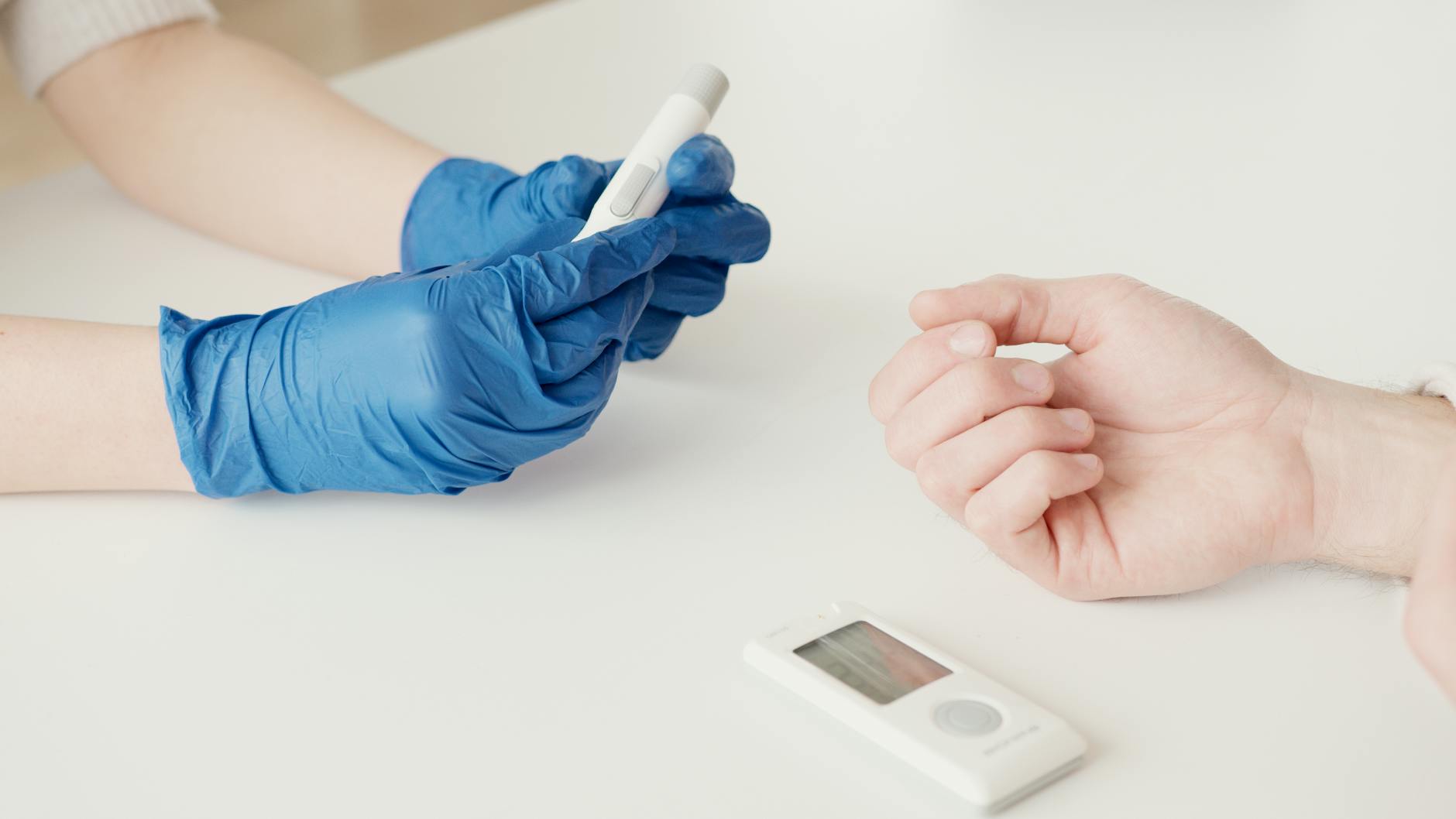
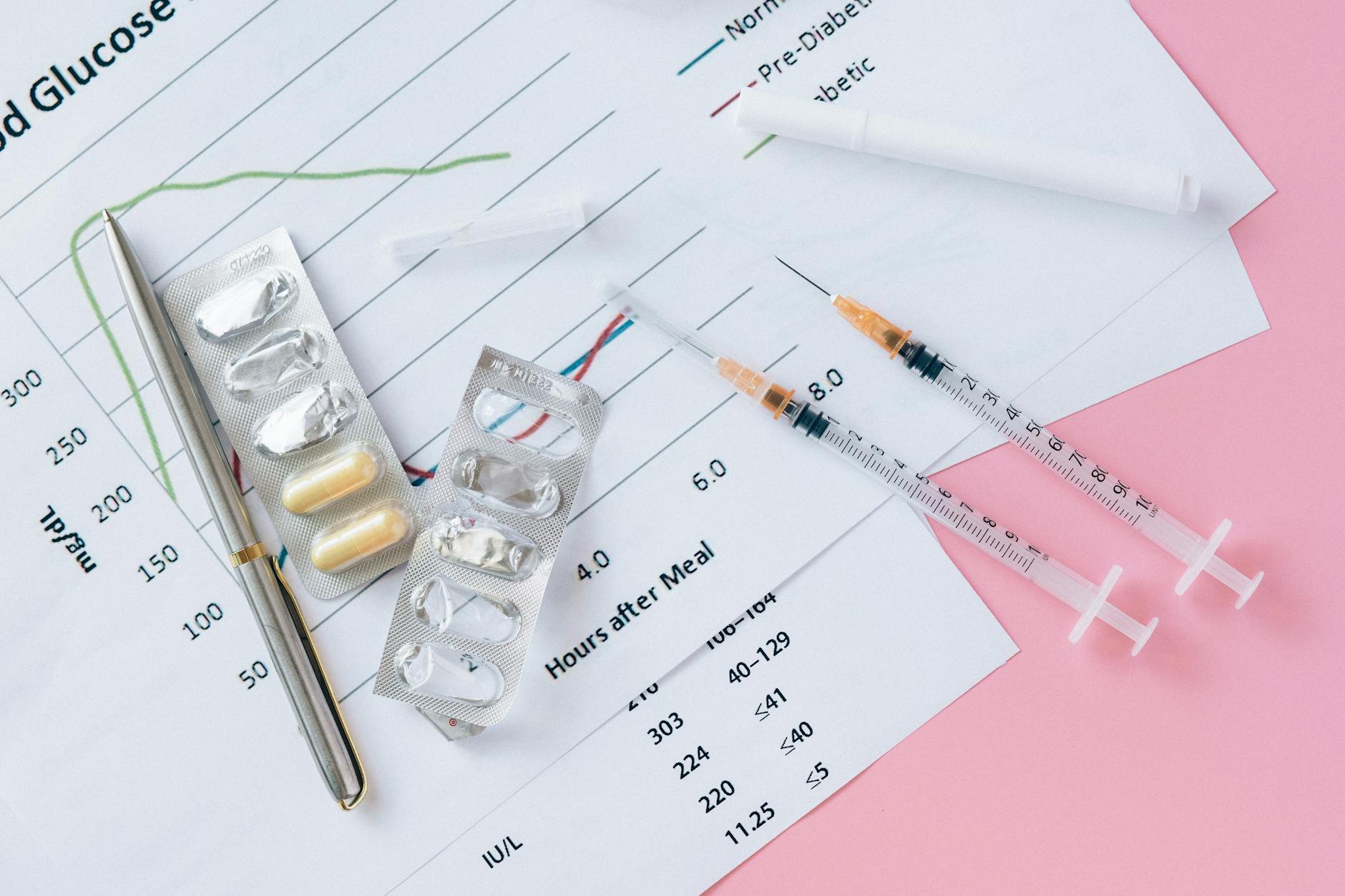
A combination of 150 minutes of moderate aerobic activity per week plus two resistance training sessions reduces the risk of progressing from prediabetes to type 2 diabetes by 58%, according to the Diabetes Prevention Program (DPP) trial. Start with 30-minute brisk walks after your largest meal — targeting a heart rate of 50–70% of your maximum — and add bodyweight or resistance-band exercises on two non-consecutive days. Check your blood glucose before and after each session until you understand your personal response pattern.
- Check Your Glucose Before and After Each Session
- Walk for 30 Minutes After Your Largest Meal
- Add Resistance Training on Two Non-Consecutive Days
- Keep Your Heart Rate in the Moderate-Intensity Zone
- Stay Hydrated and Carry Fast-Acting Glucose
- Include a 5-Minute Warm-Up and 5-Minute Cool-Down
- Log Your Activity and Glucose Response Weekly
- Three Common Mistakes and How to Avoid Them
- What 'Doing It Right' Looks Like in Practice
- When to Consult a Doctor Before Starting
- Frequently Asked Questions
1. Check Your Glucose Before and After Each Session
Exercise affects everyone with prediabetes differently. The same 30-minute walk that drops one person's glucose by 15 mg/dL might raise another's by 20 mg/dL — especially if they exercise in a fasted state or at high intensity. The only way to know your pattern is to measure.
The American Diabetes Association (ADA) 2025 Standards of Care recommend checking capillary blood glucose before, during (if sessions exceed 45 minutes), and immediately after exercise for anyone using insulin or insulin secretagogues. For people with prediabetes who are not on glucose-lowering medications, checking before and after is still strongly advised to establish a personal glucose-exercise profile.
What the numbers mean
If your pre-exercise glucose is below 90 mg/dL, consume 15 g of fast-acting carbohydrate (e.g., half a banana, 4 oz of juice, or three glucose tablets) and wait 15 minutes before starting. If your pre-exercise glucose is above 250 mg/dL and you have ketones present (urine or blood), postpone exercise until glucose is better controlled, as physical activity can push glucose higher in the presence of ketones.
A post-exercise drop of 15–40 mg/dL is a typical and desirable response for someone with prediabetes. If you see a rise of more than 20 mg/dL after moderate activity, consider whether you exercised too close to a meal, went too intensely, or were dehydrated.
A 47-year-old woman with prediabetes (fasting glucose 112 mg/dL) walks for 30 minutes after dinner. Her pre-walk glucose is 136 mg/dL; her post-walk glucose is 114 mg/dL — a drop of 22 mg/dL. She logs both numbers and repeats the same timing for five days. By day five, her average post-dinner glucose is 108 mg/dL, down from 128 mg/dL on day one.
2. Walk for 30 Minutes After Your Largest Meal
The post-meal window — particularly 60 to 90 minutes after eating — is when blood glucose reaches its peak. Walking during or immediately after that window directly counteracts the glucose surge by activating glucose transporter type 4 (GLUT4) translocation in skeletal muscle, which pulls glucose out of the bloodstream without requiring additional insulin secretion.
A landmark 2016 study in Diabetologia compared post-meal walking (three 10-minute walks after each meal) with a single 30-minute walk at any time of day. The post-meal walking group had significantly lower 24-hour glucose profiles, with a 12% greater reduction in postprandial glucose excursions. The ADA's 2025 guidelines now explicitly recommend "short bouts of walking after meals" as a first-line lifestyle strategy for prediabetes.
Why dinner is the most important meal to walk after
Evening meals tend to be the largest of the day, and the body's insulin sensitivity naturally declines as the day progresses — a phenomenon called the circadian dip in insulin sensitivity. A post-dinner walk addresses both the higher glucose load and the reduced insulin action simultaneously. In clinical practice at GlucoHarbor, patients who consistently walk after dinner see an average fasting glucose reduction of 8–12 mg/dL within two weeks.
3. Add Resistance Training on Two Non-Consecutive Days Per Week
Aerobic exercise (walking, cycling, swimming) improves glucose disposal during and immediately after activity. Resistance training builds lean muscle mass, which increases your basal glucose disposal capacity — meaning you burn more glucose 24/7, even at rest. This distinction matters because prediabetes is fundamentally a condition of impaired glucose storage. The more muscle you have, the more "storage space" exists for glucose without relying on insulin.
The Diabetes Prevention Program (DPP) trial, which showed a 58% risk reduction with lifestyle intervention, included both aerobic and resistance components. A 2024 systematic review in Diabetes Care confirmed that combined aerobic and resistance training is superior to either modality alone for improving insulin sensitivity in adults with prediabetes, with a pooled effect size of 0.64 (moderate-to-large benefit).
A simple resistance routine to start
You do not need a gym or heavy weights. Bodyweight exercises and resistance bands are sufficient to stimulate muscle protein synthesis and glucose transporter upregulation. Aim for 8–10 exercises covering all major muscle groups:
| Exercise | Muscle Group | Reps | Sets |
|---|---|---|---|
| Bodyweight squats | Quadriceps, glutes, hamstrings | 10–15 | 2–3 |
| Push-ups (knee or wall variation) | Chest, shoulders, triceps | 8–12 | 2–3 |
| Resistance band rows | Back, biceps | 10–15 | 2–3 |
| Plank hold | Core, shoulders | 20–40 sec | 2–3 |
| Glute bridges | Glutes, hamstrings | 12–15 | 2–3 |
| Standing calf raises | Calves | 12–15 | 2–3 |
| Resistance band chest press | Chest, triceps | 10–12 | 2–3 |
| Bird-dog (alternating arm/leg) | Core, back, glutes | 8–10 per side | 2–3 |
Rest 60–90 seconds between sets. Complete the full circuit twice if time allows. The entire session should take 25–35 minutes.
4. Keep Your Heart Rate in the Moderate-Intensity Zone
Exercise intensity matters more for glucose control than most people realize. Low-intensity activity (gentle walking) has a modest glucose-lowering effect. High-intensity activity (sprinting, heavy lifting to failure) can actually raise glucose transiently because it triggers the release of epinephrine and cortisol, which signal the liver to release stored glucose. The "sweet spot" for prediabetes is moderate intensity.
The ADA 2025 Standards of Care define moderate-intensity aerobic activity as 50–70% of your maximum heart rate (220 minus your age). For a 55-year-old, that's a target range of 82–116 beats per minute. The talk test is a reliable proxy: you should be able to speak in full sentences but not sing.
A 48-year-old man with prediabetes starts a jogging routine at 80% of his max heart rate. His glucose rises from 110 mg/dL to 148 mg/dL during the run — a stress-driven spike. He interprets this as "exercise not working" and quits after two weeks. The fix: dial back to a brisk walk at 60% of max heart rate. At that intensity, his glucose drops from 112 to 98 mg/dL over 30 minutes. Consistency, not intensity, drives long-term adaptation.
If you do not have a heart rate monitor, use the rating of perceived exertion (RPE) scale. On a scale of 0–10 (0 = sitting, 10 = all-out effort), moderate intensity corresponds to an RPE of 4–6. You should feel "somewhat hard" but not "very hard."
5. Stay Hydrated and Carry Fast-Acting Glucose
Dehydration concentrates blood and increases its viscosity, which impairs the delivery of glucose to working muscles and reduces the efficiency of glucose clearance. A 2022 study in Medicine & Science in Sports & Exercise showed that even mild dehydration (2% body weight loss) reduced glucose disposal during exercise by 18% in adults with prediabetes.
Drink 200–300 mL (7–10 oz) of water in the 30 minutes before exercise, and sip 100–200 mL every 15–20 minutes during activity. After exercise, continue hydrating until your urine color is pale yellow — not darker. Sports drinks are generally unnecessary for sessions under 60 minutes unless your pre-exercise glucose is below 100 mg/dL.
Carry 15 g of fast-acting carbohydrate with you at all times during exercise. Glucose tablets (3–4 tablets), a small box of raisins, or 4 oz of fruit juice all work. If you feel sudden shakiness, sweating, hunger, or confusion — which can signal hypoglycemia — stop and check your glucose. If it's below 70 mg/dL, consume the 15 g of carbohydrate and wait 15 minutes before resuming.
6. Include a 5-Minute Warm-Up and 5-Minute Cool-Down
A cold start — jumping straight into moderate or vigorous activity — triggers a sympathetic nervous system surge that releases catecholamines (epinephrine, norepinephrine). In people with prediabetes, this can cause an early exercise glucose spike that lasts 10–15 minutes before the glucose-lowering effects of muscle contraction kick in. A warm-up prevents this spike and improves the overall glucose response.
A proper warm-up consists of 5 minutes of low-intensity movement that mimics the upcoming activity but at a slower pace. For a walk, start at a leisurely strolling pace. For resistance training, do the same exercises with no weight or very light resistance for the first set.
The cool-down is equally important. Stopping abruptly can cause blood to pool in the lower extremities, reducing venous return and potentially triggering a post-exercise glucose drop 30–60 minutes later. Walk at a very gentle pace for 5 minutes, then stretch the major muscle groups you used. Hold each stretch for 20–30 seconds without bouncing.
After your final set or your walk, do this sequence: (1) walk slowly for 2 minutes, (2) standing quad stretch — 20 seconds each leg, (3) standing hamstring stretch — 20 seconds each leg, (4) chest stretch (hands behind back, open chest) — 20 seconds, (5) deep breathing for 30 seconds. This reduces post-exercise hypoglycemia risk and helps your heart rate return to baseline gradually.
7. Log Your Activity and Glucose Response Weekly
The single most effective tool for personalizing your exercise plan is a simple log. When you record what you did, for how long, at what intensity, and what your glucose was before and after, patterns emerge that no generic guideline can predict. Some people respond best to morning exercise; others get better glucose control from evening movement. Some see the biggest drop from walking; others from resistance bands.
The ADA's 2025 Standards of Care recommend that all individuals with prediabetes engage in "self-monitoring of behavior and physiological responses" as part of a structured lifestyle program. A log turns vague goals ("exercise more") into concrete data points that you and your clinician can review.
What a good weekly log includes
| Field | Example Entry | Why It Matters |
|---|---|---|
| Date & time | Mon, June 9, 5:15 PM | Identifies circadian patterns |
| Activity type | Brisk walk (outdoor) | Different activities produce different glucose responses |
| Duration | 32 minutes | Total weekly volume is the key metric |
| Intensity (HR or RPE) | HR 98 / RPE 5 | Confirms you're in the moderate zone |
| Pre-exercise glucose | 126 mg/dL | Establishes baseline |
| Post-exercise glucose | 104 mg/dL | Quantifies the drop (or rise) |
| Notes | Walked 2 hours after lunch; felt good | Context for interpreting the numbers |
After two weeks of logging, look at your data and ask: Which activities produced the largest and most consistent glucose drops? At what time of day did my glucose respond best? Is there a day I keep skipping? Use the answers to adjust the following week's plan.
Three Common Mistakes — and How to Fix Them
Fasted exercise can cause the liver to dump stored glucose, leading to a paradoxical rise in blood sugar. The fix: eat a small protein-and-fiber snack (e.g., an apple with 1 tbsp of almond butter) 30–60 minutes before exercise if your pre-exercise glucose is below 100 mg/dL.
Aerobic work lowers glucose acutely, but resistance training builds the muscle mass that improves your baseline insulin sensitivity 24/7. The fix: treat resistance days as non-negotiable — schedule them on the same two days each week, like Monday and Thursday, to build the habit.
Missing one day does not erase progress. A 2023 analysis from the DPP follow-up study showed that participants who exercised at least 4 days per week still had a 48% risk reduction compared to those who exercised 0–1 days. The fix: aim for consistency (5 days per week) but accept that 4 days is still highly protective.
What 'Doing It Right' Looks Like: A Sample Week
Monday: 30-min brisk walk after dinner (post-meal) + 5-min cool-down stretch. Log: pre-walk glucose 118, post-walk 97.
Tuesday: 30-min resistance band circuit (8 exercises, 2 sets of 12 reps) in the morning. Log: pre 109, post 101.
Wednesday: 30-min brisk walk after lunch (post-meal). Log: pre 124, post 106.
Thursday: 30-min resistance band circuit (same routine). Log: pre 113, post 104.
Friday: 30-min brisk walk after dinner. Log: pre 116, post 95.
Saturday: 45-min moderate cycling or swimming (longer session). Log: pre 121, post 99.
Sunday: Rest or gentle 15-min walk if desired. No log required, but check fasting glucose: target below 100 mg/dL.
Total weekly activity: 195 minutes aerobic + 60 minutes resistance = 255 minutes. This exceeds the 150-minute minimum, which provides a buffer for days when life gets in the way.
When to Consult a Doctor Before Starting
Most people with prediabetes can safely begin a moderate exercise program without medical clearance. However, the ADA 2025 Standards of Care advise a pre-exercise medical evaluation if any of the following apply:
If none of these apply, you can likely start safely. Begin at a low intensity and gradually increase duration over the first two weeks to allow your body to adapt.
Frequently Asked Questions
Can I exercise if my fasting glucose is over 200 mg/dL?
If your fasting glucose is above 200 mg/dL, check for urine or blood ketones before exercising. If ketones are present, postpone exercise and contact your healthcare provider, as physical activity can worsen hyperglycemia and increase the risk of diabetic ketoacidosis. If ketones are absent, moderate exercise is generally safe but keep the session under 30 minutes and monitor your glucose before, during, and after.
Is walking enough, or do I need jogging or running?
Walking at a brisk pace is sufficient for glucose control in prediabetes. The DPP trial showed that most participants achieved the 150-minute goal through walking alone. Running is not required and may even be counterproductive for some if it pushes intensity too high. The key is consistency and moderate intensity — not speed or distance.
Should I exercise in the morning or evening for better glucose control?
Evidence is mixed, but a 2024 study in Diabetologia found that evening exercise (between 4 PM and 8 PM) produced slightly greater reductions in fasting glucose and HbA1c compared to morning exercise in adults with prediabetes. The practical answer, however, is the time you will actually do consistently. The best time of day is the one that becomes a habit.
How long does it take for exercise to lower HbA1c in prediabetes?
HbA1c reflects average glucose over the previous 8–12 weeks. Consistent exercise (150+ minutes per week) typically produces a measurable reduction in HbA1c within 8–12 weeks. A 2023 meta-analysis of 28 trials found an average HbA1c reduction of 0.32 percentage points with structured exercise in prediabetes — enough to move many people from the prediabetes range back into normal glucose regulation.
What if I have joint pain or arthritis — can I still exercise?
Yes. Low-impact options include swimming, stationary cycling, elliptical training, and seated resistance band work. The ADA emphasizes that aquatic exercise is particularly effective for people with joint limitations, as water buoyancy reduces joint stress while still providing resistance for muscle conditioning. Start with 10–15 minutes and increase as tolerated.
- Exercise reduces prediabetes-to-diabetes progression by 58% when combined with modest weight loss, per the DPP trial — comparable to metformin's 31% reduction.
- Aim for 150 minutes of moderate aerobic activity per week (brisk walking counts) plus two resistance training sessions targeting all major muscle groups.
- Walking for 30 minutes after your largest meal blunts postprandial glucose spikes by an average of 22% and is the single most time-efficient exercise strategy for prediabetes.
- Check blood glucose before and after exercise until you understand your personal response pattern — this prevents both hypoglycemia and frustration from unexpected glucose rises.
- Log your activity and glucose data weekly to identify what works best for your body; consistency trumps intensity for long-term glucose control.
- Consult a healthcare provider before starting if you have cardiovascular disease, uncontrolled hypertension, advanced retinopathy, or frequent hypoglycemia.