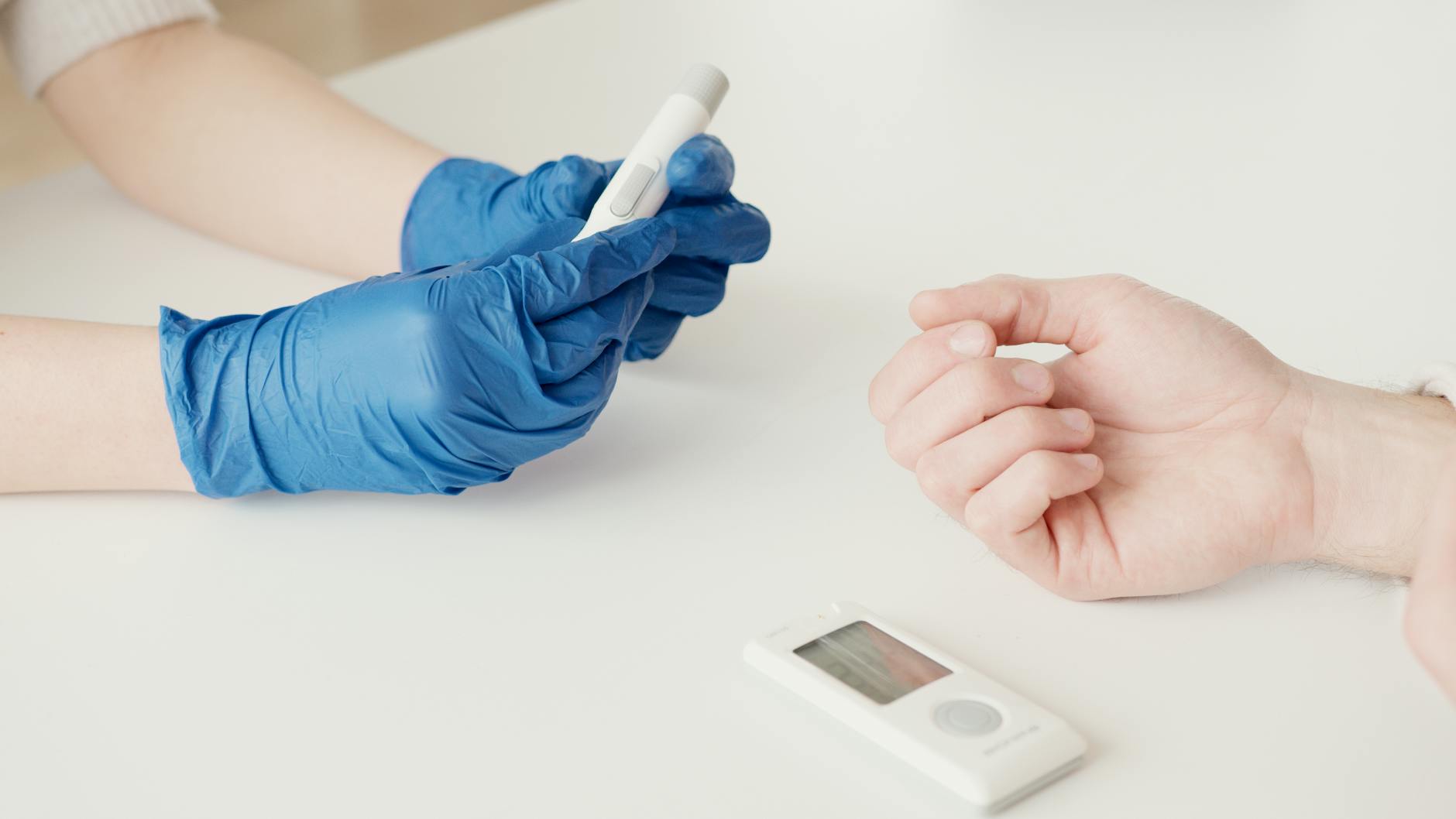
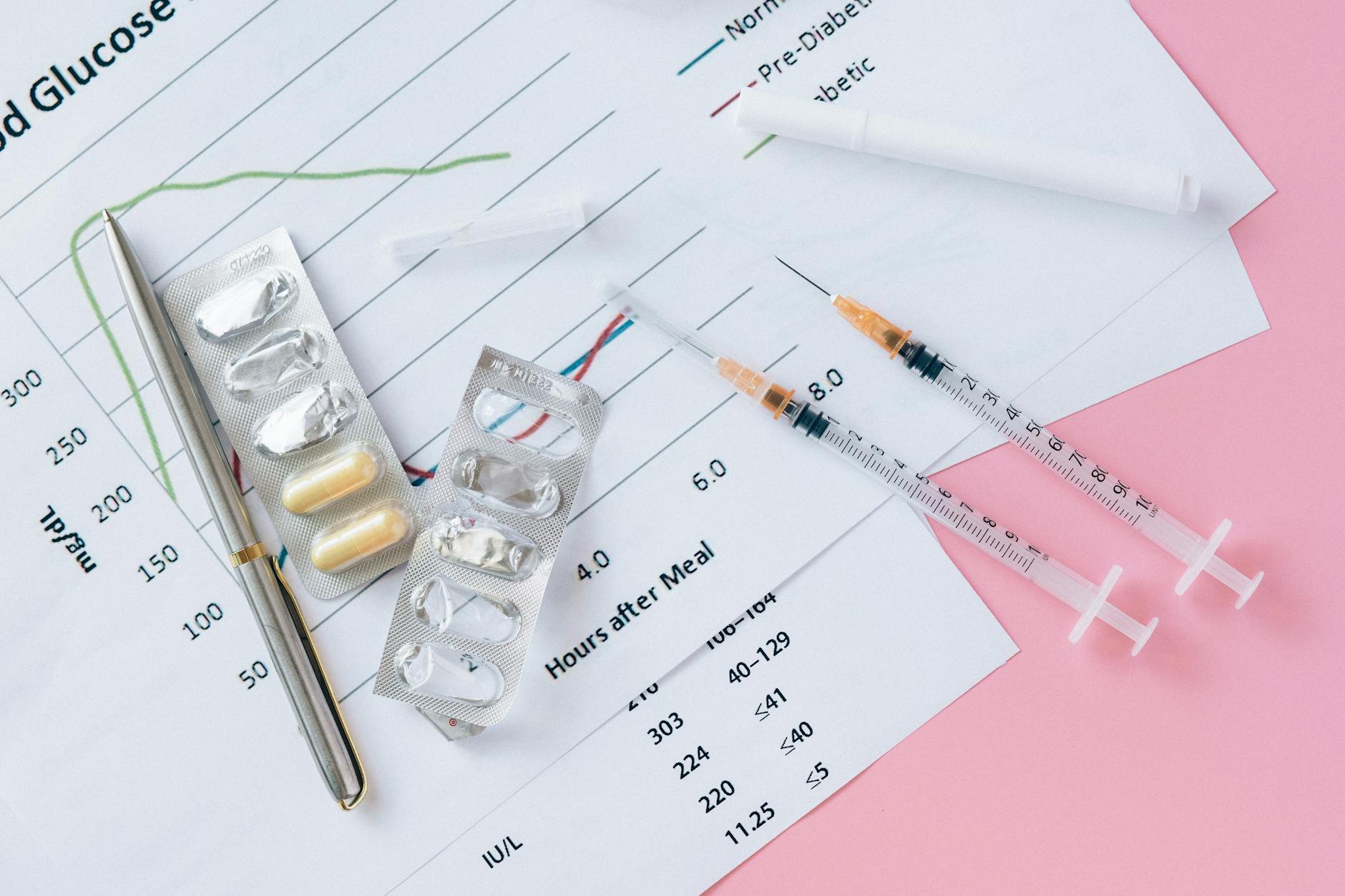
A rapid rise in blood glucose can feel alarming and confusing. This guide breaks down the earliest signs of a sudden hyperglycemic episode, the underlying mechanisms, evidence-based steps to bring your levels down safely, and when a spike signals a medical emergency.
- What Is a Sudden High Blood Sugar Spike? — Clinical Definition and Thresholds
- Recognizing the Symptoms: Early, Progressive, and Severe Signs
- Common and Uncommon Triggers of Acute Hyperglycemia
- Emergency Warning Signs: Diabetic Ketoacidosis and Hyperosmolar State
- How to Respond to a Sudden Spike — Immediate and Follow-Up Steps
- Diagnostic Tools: Blood Glucose Monitoring, Ketones, and Lab Tests
- Preventing Future Episodes: Medication, Diet, and Sick-Day Planning
- Myths and Facts About Sudden High Blood Sugar
- Frequently Asked Questions
What Is a Sudden High Blood Sugar Spike? — Clinical Definition and Thresholds
A sudden high blood sugar episode, also called acute hyperglycemia, is defined as a rapid rise in plasma glucose that pushes levels significantly above the normal or target range — typically above 180 mg/dL (10.0 mmol/L) in people with diabetes, and above 200 mg/dL (11.1 mmol/L) in those without a prior diagnosis, according to the American Diabetes Association (ADA) Standards of Care 2025.
Unlike chronic hyperglycemia, which develops slowly over days to weeks, a sudden spike can occur within 30 to 90 minutes after a triggering event such as a high-carbohydrate meal, missed medication dose, emotional stress, or an infection. The speed of the rise matters clinically: a glucose level that jumps from 120 mg/dL to 280 mg/dL in under two hours can cause osmotic symptoms (excessive urination, thirst) that a gradual rise of the same magnitude might not produce as acutely.
Normal fasting glucose: 70–99 mg/dL (3.9–5.5 mmol/L)
Normal postprandial (2-hour): less than 140 mg/dL (7.8 mmol/L)
Hyperglycemia (diabetes): fasting ≥126 mg/dL or random ≥200 mg/dL
Severe hyperglycemia: consistently >300 mg/dL (16.7 mmol/L)
Diabetic ketoacidosis (DKA) threshold: often >250 mg/dL (13.9 mmol/L) with ketones
The physiological basis of a sudden spike involves an imbalance between glucose entering the bloodstream (from food, liver glycogenolysis, or gluconeogenesis) and the body's ability to clear it via insulin-mediated uptake. In type 1 diabetes, the lack of endogenous insulin means blood glucose can rise steeply within minutes of a missed bolus. In type 2 diabetes, insulin resistance combined with a blunted first-phase insulin response can cause dramatic post-meal excursions. Even people without diabetes can experience transient reactive hyperglycemia, particularly after high-glycemic-load meals, though levels rarely exceed 180 mg/dL.
Recognizing the Symptoms: Early, Progressive, and Severe Signs
Sudden hyperglycemia produces a characteristic symptom set that many patients describe as coming on "like a wave." The intensity and speed of onset correlate with both the absolute glucose level and the rate of rise. A person whose glucose climbs from 100 to 250 mg/dL in 45 minutes will generally feel far more symptomatic than someone whose glucose drifts from 140 to 200 over four hours.
Early symptoms (glucose 180–250 mg/dL)
The earliest subjective signals are subtle. People often report a sense of warmth, mild headache, or a dry mouth that doesn't resolve with drinking water. Some describe a feeling of "internal shakiness" or mild brain fog — difficulty concentrating on a task, word-finding trouble, or feeling unusually fatigued. These early signs are frequently dismissed or attributed to stress, dehydration, or lack of sleep, which is why they are the most commonly missed opportunity for early intervention.
Progressive symptoms (glucose 250–350 mg/dL)
As glucose rises further, osmotic diuresis intensifies. The kidneys attempt to excrete excess glucose via urine, pulling water with it. This produces the classic triad:
- Polyuria — frequent urination, often every 30–60 minutes, including nocturia
- Polydipsia — intense, unquenchable thirst that persists despite drinking
- Blurry vision — caused by osmotic changes in the lens of the eye (glucose-induced lens swelling alters refractive power)
Other progressive signs include mild nausea, fatigue, and a feeling of warmth or flushed skin. Some people notice a fruity odor on their breath at this stage — an early indicator of ketone production that should not be ignored.
Severe symptoms (glucose >350 mg/dL)
- Nausea and vomiting — a key sign that metabolism is shifting toward ketosis
- Rapid, deep breathing (Kussmaul respirations) — the body's attempt to blow off excess acid
- Abdominal pain, which can mimic gastritis or pancreatitis
- Confusion, drowsiness, or difficulty waking — signs of evolving cerebral edema or severe acidosis
- Loss of consciousness (diabetic coma) in extreme cases
Patients with type 2 diabetes can experience very high glucose levels (frequently >400 mg/dL) without significant ketone production because residual insulin secretion suppresses ketogenesis. In type 1 diabetes, by contrast, ketone accumulation can occur at much lower glucose levels (250–300 mg/dL) and progresses more rapidly to DKA. Never assume a high glucose reading is "safe" just because the person is not vomiting.
Common and Uncommon Triggers of Acute Hyperglycemia
Identifying the trigger of a sudden spike is essential for effective management and prevention. While some causes are obvious (a missed insulin dose), others are subtle and require careful history-taking. Below are the most frequent and clinically important triggers, organized by category.
Dietary Triggers — high-glycemic foods, portion size, and timing
Rapidly absorbed carbohydrates — such as sugary drinks (soda, fruit juice), white rice, white bread, potatoes, and refined breakfast cereals — can raise blood glucose by 60–100 mg/dL within 30–60 minutes in insulin-resistant individuals. Even in people without diabetes, a 75-gram oral glucose tolerance test (OGTT) can push glucose to 160–180 mg/dL transiently. In someone with diabetes, that same load may exceed 250–300 mg/dL. Liquid carbohydrates are particularly potent because they bypass early gastric digestion and are absorbed almost immediately.
Medication-Related Causes — missed doses, dose errors, and drug interactions
Missed or delayed insulin injections are the most common medication-related cause of acute hyperglycemia in type 1 diabetes. For people with type 2 diabetes, skipping oral agents — especially sulfonylureas (glipizide, glyburide) or SGLT2 inhibitors — can lead to a gradual rise that may become abrupt if combined with a carbohydrate load. Less recognized: certain drugs can raise glucose acutely, including corticosteroids (even short courses), atypical antipsychotics (olanzapine, quetiapine), beta-blockers, and some diuretics. The effect can appear within hours of the first dose.
Illness, Infection, and Stress — the counter-regulatory hormone surge
Any form of physical stress triggers the release of counter-regulatory hormones (cortisol, glucagon, epinephrine, growth hormone) that antagonize insulin and promote hepatic glucose production. Even a mild upper respiratory infection can raise glucose by 50–100 mg/dL in people with diabetes. Urinary tract infections, pneumonia, skin infections, and periodontal disease are particularly potent. Emotional stress — including anxiety, anger, or even the stress of a car accident — can produce a similar but usually shorter-lived response. The term "stress hyperglycemia" is used in hospitalized patients and is an independent predictor of poor outcomes.
Hormonal and Circadian Factors — dawn phenomenon, menstrual cycle, and more
The dawn phenomenon — a normal early-morning rise in glucose driven by growth hormone and cortisol secretion between 4:00 AM and 8:00 AM — can cause sudden morning spikes of 20–60 mg/dL in people with diabetes. In women, luteal-phase progesterone increases insulin resistance, which can lead to higher postprandial glucose and more frequent spikes in the week before menses. Other hormonal triggers include hyperthyroidism (accelerated metabolism and increased glucose production), Cushing's syndrome, and acromegaly.
Emergency Warning Signs: Diabetic Ketoacidosis and Hyperosmolar State
Sudden hyperglycemia can progress to one of two life-threatening emergencies, and distinguishing between them is critical for appropriate treatment.
Typical context: Type 1 diabetes, but can occur in type 2 during extreme stress.
Key features: Hyperglycemia (250–600 mg/dL) + ketones in blood/urine + metabolic acidosis (pH <7.3).
Onset: Hours to 1–2 days.
Signs: Fruity breath, Kussmaul breathing, nausea/vomiting, abdominal pain, confusion.
Typical context: Type 2 diabetes, often older adults.
Key features: Extreme hyperglycemia (often >600 mg/dL, sometimes >1000 mg/dL) without significant ketosis.
Onset: Days to weeks.
Signs: Severe dehydration, lethargy, focal neurologic deficits, seizures, coma.
Both conditions require immediate emergency medical care. Mortality in HHS is higher (up to 15–20%) than in DKA (1–5%), largely because HHS often occurs in older, frailer patients with multiple comorbidities. Any person with diabetes who has a blood glucose reading above 300 mg/dL and is vomiting, confused, or breathing rapidly should be taken to the emergency room without delay.
How to Respond to a Sudden Spike — Immediate and Follow-Up Steps
When you detect a sudden high blood sugar reading, the first step is to stay calm and follow a systematic approach. Panic leads to dosing errors. Below is a step-by-step protocol based on ADA and American Association of Clinical Endocrinology (AACE) guidelines.
Research published in Diabetes Care (2024) demonstrated that a structured "sick-day/hyperglycemia action plan" — including written correction doses, hydration targets, and ketone monitoring thresholds — reduced emergency department visits for hyperglycemia by 38% among adults with type 1 diabetes. Work with your clinician to create your own personalized plan.
Diagnostic Tools: Blood Glucose Monitoring, Ketones, and Lab Tests
Accurate assessment of a sudden hyperglycemic episode requires more than a single finger-stick reading. The following tools provide a complete clinical picture.
| Test | What It Measures | When to Use | Action Threshold |
|---|---|---|---|
| Finger-stick glucose (CGM or strip) | Current capillary glucose | Any time symptoms occur | >180 mg/dL (target); >300 mg/dL (action) |
| Blood ketone meter | Beta-hydroxybutyrate in capillary blood | When glucose >250 mg/dL + symptoms | >0.6 mmol/L (elevated); >1.5 mmol/L (high — contact MD) |
| Urine ketone strip | Acetoacetate in urine | When blood ketone meter unavailable | Moderate or large — seek help |
| Venous blood gas / serum ketones | pH, bicarbonate, beta-hydroxybutyrate | Emergency department evaluation | pH <7.3 or bicarb <18 mEq/L — DKA diagnosis |
| Hemoglobin A1c | Average glucose over 2–3 months | Every 3–6 months for routine monitoring | Target <7.0% for most adults (ADA) |
For individuals using continuous glucose monitoring (CGM), the rate of change arrow is a valuable additional tool. A single upward arrow (rising 1–2 mg/dL per minute) indicates a spike is in progress; two upward arrows (rising >2 mg/dL per minute) signal a rapid surge that may require prompt intervention even if the absolute glucose is not yet in the danger zone.
CGM readings lag behind blood glucose by 5–15 minutes, especially during rapid changes. A CGM reading of 220 mg/dL may correlate with an actual blood glucose of 250–270 mg/dL when the rate of change is steep. Always confirm with a finger-stick before making treatment decisions during a spike.
Preventing Future Episodes: Medication, Diet, and Sick-Day Planning
Prevention of sudden hyperglycemic episodes hinges on three pillars: optimizing pharmacotherapy, smart nutritional strategies, and having a written sick-day protocol.
Medication optimization
Work with your endocrinologist to ensure your basal insulin dose is adequate — a common cause of sudden spikes is a waning basal effect. For people with type 2 diabetes, medications that target postprandial glucose (such as GLP-1 receptor agonists, DPP-4 inhibitors, or short-acting insulin secretagogues) may be added or adjusted if meals routinely cause excursions. Never adjust insulin or oral hypoglycemic agents without clinical supervision.
Nutritional strategies to blunt spikes
- Eat fiber first: Consuming vegetables or a salad before the carbohydrate portion of a meal can reduce postprandial glucose by 20–30% by slowing gastric emptying and reducing the glycemic load.
- Pair carbs with protein or fat: Adding chicken, fish, avocado, or nuts to a carbohydrate-rich meal significantly lowers the glycemic response.
- Consider vinegar: A small study in Diabetes Care found that 2 tablespoons of apple cider vinegar before a high-carb meal reduced post-meal glucose by 34% in insulin-resistant individuals.
- Time your meals: Eating the majority of carbohydrates earlier in the day (when insulin sensitivity is higher) can reduce the frequency of afternoon and evening spikes.
The ADA recommends that every person with diabetes keep a written sick-day plan that includes: (1) how often to check glucose and ketones during illness (every 4 hours), (2) specific instructions for "never stop insulin completely" — even if eating is reduced, (3) targets for fluid intake (at least 1 cup per hour), (4) when to call the provider (glucose >300 mg/dL despite correction, moderate/large ketones, vomiting), and (5) a list of "safe" sick-day foods (broth, gelatin, crackers, diluted juice). Keep this plan visible on your refrigerator.
Myths and Facts About Sudden High Blood Sugar
Not true. Many people with chronically high glucose have blunted symptom awareness and can be walking around with a glucose of 350–400 mg/dL without feeling acutely ill. The absence of symptoms does not mean the absence of risk — osmotic diuresis, electrolyte shifts, and vascular inflammation are occurring silently. Regular monitoring is the only reliable way to know.
True, but with important context. Adequate hydration supports the kidneys' ability to excrete excess glucose through urine. Drinking water does not directly "dilute" blood glucose in any meaningful way, but it prevents the worsening of hyperosmolarity and supports renal perfusion. However, if ketones are present, water alone is not sufficient — insulin is required to stop ketogenesis.
While DKA is far more common in type 1 diabetes, it can occur in type 2 diabetes — especially during severe illness, major surgery, or with the use of SGLT2 inhibitors (euglycemic DKA). The absence of type 1 diabetes does not eliminate the risk of ketoacidosis in the right clinical context.
This is mostly true for mild-to-moderate aerobic activity. However, intense anaerobic exercise (heavy weightlifting, sprinting) can trigger an acute rise in glucose due to catecholamine release. And as noted above, if ketones are already present, exercise can worsen acidosis. The guideline: if glucose is >250 mg/dL and ketones are negative, gentle exercise is generally safe and beneficial. If ketones are positive, rest and seek medical guidance.
Frequently Asked Questions
What is the fastest way to lower blood sugar when it spikes suddenly?
For people on insulin, a rapid-acting insulin correction dose (using your personal insulin sensitivity factor) is the fastest and most reliable method — it begins working within 15–30 minutes. For those not on insulin, drinking water, light walking (if ketone-negative), and avoiding additional carbohydrates are the main options. No over-the-counter supplement or "natural remedy" can lower blood glucose as quickly or reliably as insulin. If you are not on insulin and have glucose consistently above 300 mg/dL, seek medical evaluation.
Can stress alone cause sudden high blood sugar, even without eating?
Yes. Emotional or physical stress triggers the release of cortisol and epinephrine, which stimulate the liver to release stored glucose into the bloodstream. In people with diabetes, this can raise glucose by 50–100 mg/dL or more within an hour — even in a fasting state. This is why stress management (mindfulness, breathing exercises, adequate sleep) is a recognized component of diabetes care.
How high is too high for blood sugar at home?
Most blood glucose meters display readings up to 500–600 mg/dL. A reading above 600 mg/dL is considered a medical emergency (potential HHS). Practically, any reading above 300 mg/dL that does not respond to correction within 2 hours, or is accompanied by vomiting, confusion, or rapid breathing, warrants an emergency call. For people with type 1 diabetes, any glucose above 250 mg/dL with moderate or large ketones is a medical emergency.
Can a person without diabetes experience sudden high blood sugar?
Yes, though it is less common and usually transient. Severe illness (sepsis, pancreatitis, stroke), major surgery, high-dose corticosteroids, and extreme stress can cause stress hyperglycemia in individuals without prior diabetes. In otherwise healthy people, a high-glycemic meal can push glucose to 160–180 mg/dL transiently, but it typically returns to normal within 2–3 hours. If hyperglycemia persists or occurs repeatedly in a non-diabetic person, it may indicate prediabetes or undiagnosed diabetes (impaired glucose tolerance).
Is it dangerous to sleep with high blood sugar?
Prolonged overnight hyperglycemia can lead to significant dehydration (nocturia disrupts sleep), electrolyte imbalances, and worsening insulin resistance. In type 1 diabetes, overnight glucose above 300 mg/dL carries a risk of morning ketosis or DKA. For all people with diabetes, chronic overnight hyperglycemia contributes to higher A1c levels and increased cardiovascular risk. If bedtime glucose is above 250 mg/dL, consider a small correction dose (if on insulin) and recheck before sleeping. Setting an alarm to recheck after 2–3 hours is a reasonable safety measure for very high readings.