Persistent dizziness can be an early warning of dangerously elevated blood glucose. Learn the mechanisms, when it signals an emergency, and evidence-backed steps to stabilize your levels.
- Why High Blood Sugar Causes Dizziness
- Common Triggers for Hyperglycemic Dizziness
- Symptoms & Red Flags — When to Worry
- Diagnostic Thresholds: What the Numbers Mean
- Immediate Steps to Take When Dizzy from High Sugar
- Long-Term Strategies to Prevent Recurrent Episodes
- When to Seek Emergency Care
- Common Myths About Dizziness and Diabetes
- Frequently Asked Questions
Why High Blood Sugar Causes Dizziness — The Physiology
Dizziness in the setting of hyperglycemia is not simply a random symptom — it results from several distinct physiological disruptions. When blood glucose rises significantly above the renal threshold (around 180 mg/dL or 10 mmol/L), the kidneys excrete excess glucose into the urine, pulling water with it through a process called osmotic diuresis. This leads to volume depletion, reduced blood pressure, and cerebral blood flow, producing lightheadedness or vertigo.
Additionally, sustained hyperglycemia impairs nerve function. Studies show that even moderate elevations (≥200 mg/dL) can affect the autonomic nervous system, blunting baroreflex sensitivity and worsening orthostatic hypotension. A 2024 meta-analysis in Diabetes Care found that individuals with type 2 diabetes and HbA1c >8 % had a 40 % higher risk of recurrent dizziness compared to those with well-controlled glucose.
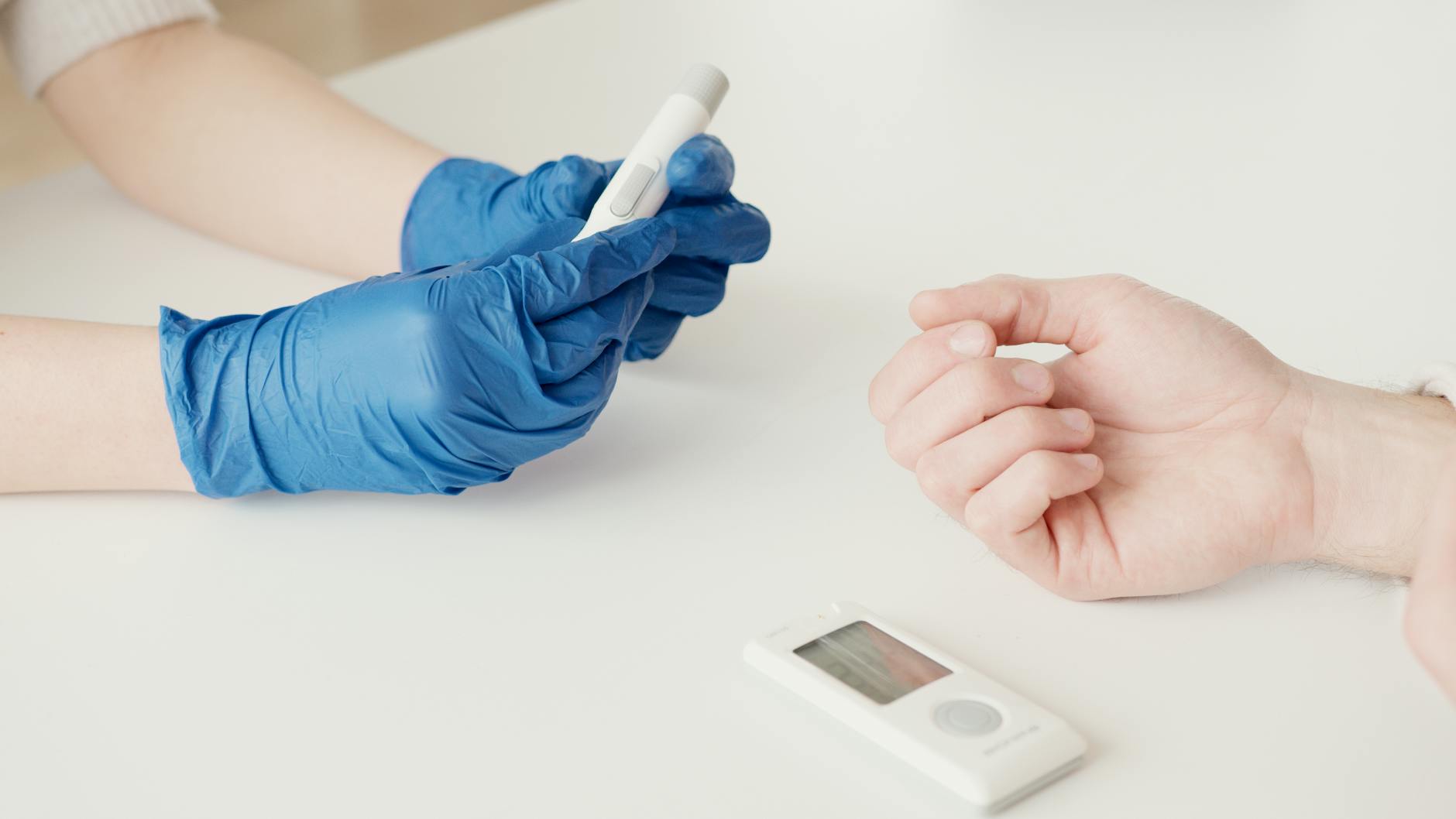
Dizziness from hyperglycemia can mimic hypoglycemia. Always check a fingerstick glucose before treating — the wrong intervention can worsen the situation. Rule of thumb: if blood sugar is above 250 mg/dL and you feel dizzy, focus on rehydration and medication adjustment, not glucose tablets.
Common Triggers for Hyperglycemic Dizziness
Not everyone with high blood sugar experiences dizziness. Specific factors raise the likelihood:
Dehydration — the most common precipitant
When glucose spikes, the kidneys excrete more urine. Patients often fail to replenish fluids, leading to a drop in blood volume. The resulting cerebral underperfusion triggers lightheadedness. Patients on SGLT2 inhibitors (e.g., empagliflozin) are especially vulnerable because these drugs promote glucosuria and further fluid loss.
High-carb or high-sugar meals — postprandial spikes
After a carbohydrate-rich meal, blood glucose can rise rapidly, especially in those with reduced insulin secretion or insulin resistance. Dizziness occurring 1–2 hours after eating is a classic symptom of postprandial hyperglycemia. A 2023 study in Nutrition & Metabolism showed that meals with >60 g of carbohydrates produce blood sugar peaks that correlate with dizziness scores.
Illness or infection — stress hyperglycemia
Any infection (urinary tract, respiratory, skin) increases counter-regulatory hormones (cortisol, catecholamines), driving glucose upward. Dizziness in this context often signals a need to increase insulin or adjust oral medications. The American Diabetes Association (ADA) recommends updated sick-day protocols for all patients with diabetes.
Medication nonadherence or incorrect dosing
Missing insulin doses, expiring of insulin pens, or taking expired or improperly stored insulin can cause rebound hyperglycemia. Dizziness may be the first symptom. A 2025 large cohort in BMJ Open Diabetes Research found that 22% of patients admitted for hyperglycemic crisis reported dizziness as the chief complaint.
Dawn phenomenon & Somogyi effect
Early morning hyperglycemia due to the dawn phenomenon (natural rise in hormones) can cause dizziness upon waking. The Somogyi effect — rebound hyperglycemia after a nocturnal hypoglycemia — is less common but also a potential cause. Continuous glucose monitoring (CGM) helps differentiate.
Symptoms & Red Flags — When to Worry
Dizziness from high blood sugar often accompanies other symptoms. Knowing the full clinical picture helps separate a mild episode from a medical emergency.
Both low and high blood sugar can cause dizziness, but the accompanying signs differ. Hypoglycemia (<70 mg/dL) typically includes shakiness, sweating, and rapid heart rate, while hyperglycemia (>200 mg/dL) more often causes dry mouth, frequent urination, blurred vision, and warm, dry skin. Always confirm with a blood glucose measurement.
Diagnostic Thresholds: What the Numbers Mean
Clinicians use specific glucose levels to assess the risk of dizziness and guide treatment. The table below summarizes key thresholds relevant to hyperglycemic dizziness.
| Blood Glucose Range | Clinical Significance | Dizziness Risk |
|---|---|---|
| 100–140 mg/dL (5.6–7.8 mmol/L) | Normal fasting; postprandial mild elevation | Very low (if no other factors) |
| 140–199 mg/dL (7.8–11.0 mmol/L) | Impaired glucose tolerance; prediabetes | Low; dizziness unlikely unless dehydrated |
| 200–299 mg/dL (11.1–16.6 mmol/L) | Hyperglycemia — osmotic diuresis begins | Moderate; volume loss can cause lightheadedness |
| 300–500 mg/dL (16.7–27.8 mmol/L) | Marked hyperglycemia; risk of DKA/HHS | High; dizziness common, often with blurred vision |
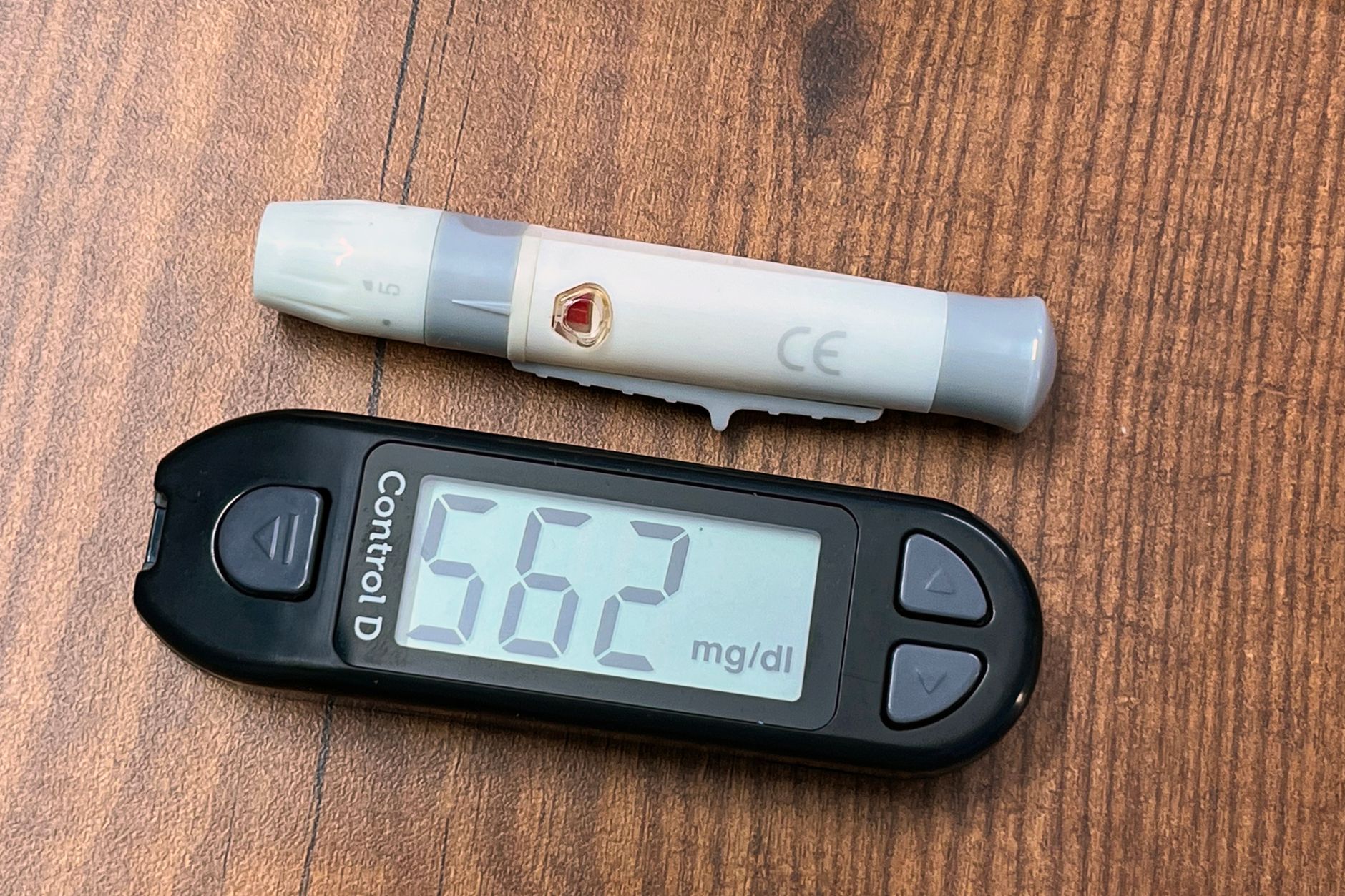
| >500 mg/dL (>27.8 mmol/L) | Severe hyperglycemia emergency | Very high; confusion, stupor, and coma possible |
The ADA recommends aiming for a fasting glucose of 80–130 mg/dL and a postprandial peak <180 mg/dL to minimize symptoms and complications. A 2025 task force update added that persistent dizziness in the absence of hypoglycemia should prompt evaluation for hyperglycemia.
Immediate Steps to Take When Dizzy from High Sugar
If you experience dizziness and confirm that your blood sugar is elevated (≥200 mg/dL), follow this evidence-based protocol:
Do not take “extra” oral medication without consulting your doctor (e.g., extra metformin can cause lactic acidosis). Do not drive or operate machinery while dizzy. If glucose >400 mg/dL or ketones are present, seek medical attention immediately.
Long-Term Strategies to Prevent Recurrent Episodes
Prevention hinges on consistent glucose management. The following approaches reduce the frequency and severity of hyperglycemic dizziness.
Diet: Emphasize low‑glycemic index carbohydrates, fiber, and lean protein. Eat smaller, more frequent meals to avoid postprandial spikes.
Hydration: Aim for 64 oz of water daily, more during heat or illness.
Activity: 150 min/week of moderate exercise improves insulin sensitivity.
Optimize basal insulin or time GLP‑1 receptor agonists to cover meal peaks.
Consider adding a sodium-glucose cotransporter‑2 (SGLT2) inhibitor — these lower glucose and may reduce dizziness by improving volume status.
Use CGM to catch early rises before symptoms occur.
The ADA’s 2026 Standards of Care advise that patients with recurrent hyperglycemic symptoms, including dizziness, should undergo a structured diabetes self-management education (DSME) program. Such programs reduce HbA1c by an average of 0.5–0.7 % and cut symptom frequency by 30 %.
When to Seek Emergency Care
Not all dizziness from high blood sugar requires an ambulance, but certain situations demand immediate medical attention.
Any of these warrant a call to 911 or a visit to the closest emergency department. Do not wait for symptoms to resolve on their own.
Common Myths About Dizziness and Diabetes
Many patients assume dizziness = hypoglycemia and automatically consume sugar. In reality, hyperglycemic dizziness is just as common. Only a blood glucose check can confirm the direction.
Orange juice raises blood sugar rapidly, which can worsen hyperglycemic dizziness. Water or sugar‑free electrolyte drinks are the correct choice for high blood sugar.
Rest is helpful, but waiting without rehydration or medication correction can allow glucose to climb higher. Active management is essential.
Frequently Asked Questions
Can dehydration alone cause dizziness in someone with diabetes?
Yes. Even modest volume loss can trigger lightheadedness, especially in older adults. However, in diabetes, dehydration often coexists with hyperglycemia, so both must be addressed. If glucose is normal (70–140 mg/dL) and you are dizzy, rehydrate and consider other causes such as blood pressure changes.
Does high blood sugar dizziness go away on its own?
Mild episodes may resolve once glucose returns to target, especially with rehydration and medication. But persistent dizziness suggests glucose remains elevated or a complication (e.g., DKA) is brewing. Do not rely on spontaneous resolution. Check glucose every 1–2 hours until stabilized.
Should I exercise when I’m dizzy from high blood sugar?
No. If glucose is >250 mg/dL and ketones are present, exercise can increase ketone production and worsen acidosis. Wait until glucose is below 250 mg/dL and ketones are negative before resuming physical activity.
Can non-diabetic hyperglycemia cause dizziness?
Yes. Temporary hyperglycemia from illness, steroids, or stress can cause dizziness even in people without a diabetes diagnosis. Anyone with persistent dizziness and elevated glucose should be evaluated for prediabetes or undiagnosed diabetes.
What is the best way to monitor for hyperglycemic dizziness?
Continuous glucose monitors (CGMs) provide real‑time trend data and alert users when glucose is rising sharply. Many users report fewer dizziness episodes after adopting CGM because they can intervene early. Fingerstick checks remain the confirmatory method.